
Die Etrusker
Die Entdecklung ihrer Kunst seit Winckelmann
edited by Maz Kunze
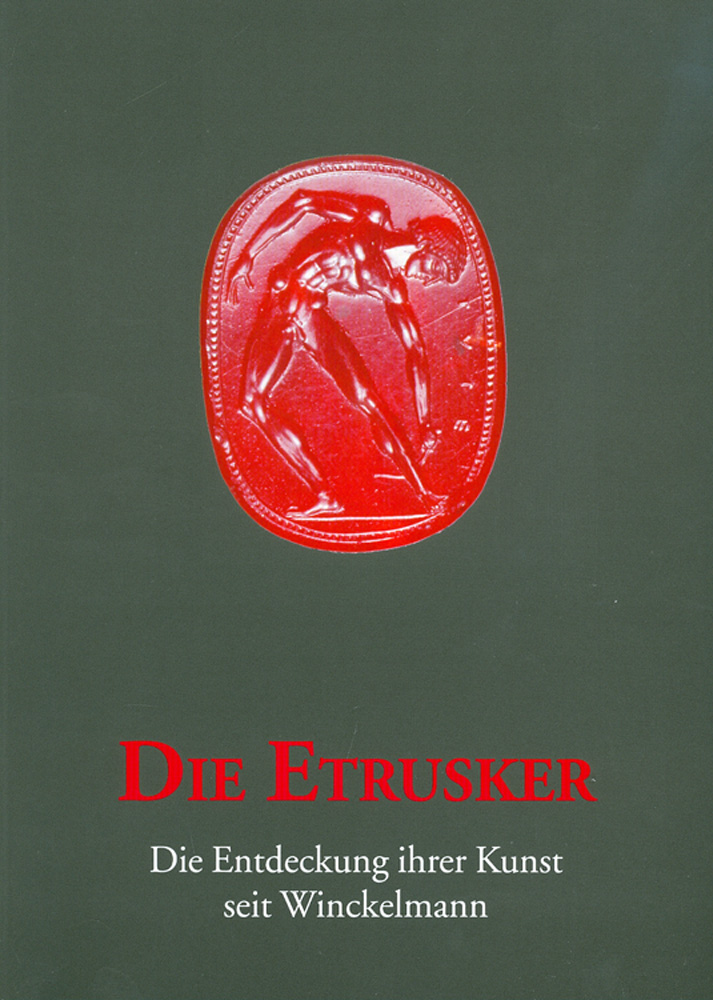
As the success of the exhibitions in Hamburg and Bonn in recent years have shown, the art and culture of the Etruscans fascinates to this day. In contrast to these exhibitions, the Winckelmann-Museum is devoted to the discovery and exploration of the often enigmatic art of the Etruscans since the 18th Century. Due to the extensive publication of the Etruscan monuments of Thomas Dempster and Francesco Gori, and through the founding of the Etruscan Academy in Cortona, their investigation has experienced a great boom. In his Geschichte der Kunst des Alterthums (1764), Winckelmann for the first time tried to describe the development of Etruscan art and its stylistic periods. Many questions were asked during this period: Whether everything that was found in Tuscany was in fact Etruscan; what the origin was of Greek vases found in Etruria and Campania, previously thought to be Etruscan; and the question of the differences between the archaic style of the Greeks, the Etruscans, and the Roman imitations. The iconography of Etruscan gods and myths in their relation with those of the Greeks was investigated and the first painted Etruscan tombs with beautiful wall paintings were cleared. These issues discussed during the 18th Century are highlighted in the exhibition in light of modern research and are illustrated with numerous monuments. The exhibition was made possible thanks to loans (especially of bronzes, vases, urns, terra cotta, marble bases, facsimiles of Etruscan grave paintings, and replicas of masterpieces of Etruscan art) from Jerusalem, Copenhagen, Bochum, Dresden, Hamburg, Hanover, Jena, Gotha, Leipzig, Altenburg , Bonn, and Berlin.
- Edited by Max Kunze
Similar Books

 Caesar’s Visions and Impact on the Roman Empire
Revisiting the Archaeological and Historical Record of the 40s BC
Volume 2


 Etruscan and Roman Hellenistic Anatomical ex votos
Reassessing Popular Religious Expressions in Central Italy
Volume 8



 Invisible Labour in Antiquity
Visualizing Obscure Work in the Ancient Mediterannean and West Asia
Volume 1
 Late Antique villae in the Balkans (3rd–7th c. AD): Current Research Questions and Perspectives
HAEMUS Companion to the Late Antique Balkans 1
Volume 4


 Portraying the Individual in the Roman East
Local–Imperial Entanglements in Sculpture, Mosaics, and Paintings (First–Fourth Centuries AD)
Volume 18

 Small Worlds and Relational Agencies: Local Societies in Early Medieval Iberia
Pequeños mundos y Agencias relacionales: Sociedades locales altomedievales en la Península Ibérica

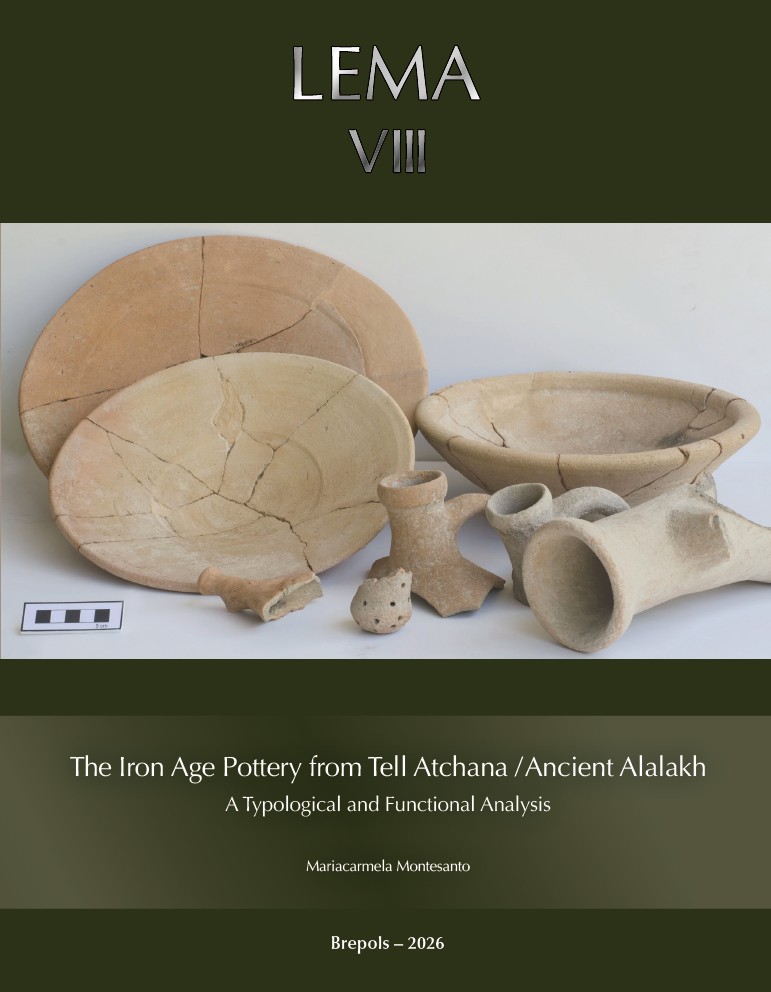 The Iron Age Pottery from Tell Atchana / Ancient Alalakh
A Typological and Functional Analysis
Volume 8

 Writing in the Church of the Nativity in Bethlehem
Inscription and Graffiti in a Multilingual and Multigraphic Perspective
Volume 45


 Atlante tematico di topografia antica 36-2026
Urbanistica e monumenti, porti, Roma. Ricerche sui monti Aurunci
Volume 36
 Cerámica común romana y ciclo haliéutico
Análisis de los contextos de las cetariae de Iulia Traducta

 Nuove scoperte e progressi nelle metodologie di rilievo e analisi dell’arte rupestre post-paleolitica in Italia
New discoveries and progress in the tracing and analysis methodologies of the post-Paleolithic rock art in Italy


 A Dramatic Event in Late Roman Florence
The Anomalous Burial Site Discovered beneath the Uffizi Gallery

 Alexander the Great and the Campaign of Gaugamela
New Research on Topography and Chronology. IAMNI 1 (Italian Archaeological Mission to Northern Iraq)
Volume 53


 Ceramic Finds in Context (Roman to Early Islamic Times)
Final Publications from the Danish-German Jerash Northwest Quarter Project VII
Volume 13