Dechiffrements / Decipherments
Edited by Francoise Briquel Chatonnet Edited by Celine Ramio
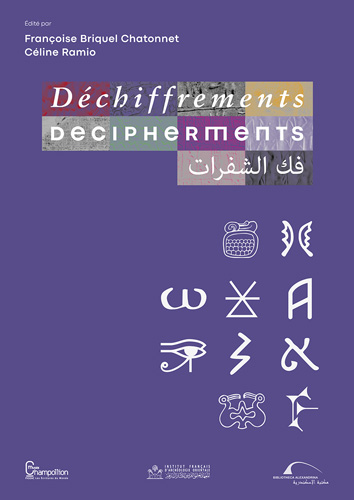
In 1822 Jean-Francois Champollion deciphered Egyptian hieroglyphs and opened the door to a new discipline – egyptology. If Champollion’s achievement still captures the imagination today, it is perhaps because he is the most emblematic of all those who might be called “the decipherers”. However, he is not the only person who has managed to decipher a forgotten script; many have tried to pierce the mysteries of writing systems handed down by ancient cultures, but only a handful have been successful in their research. But how does one tackle a script about which all has been forgotten, when one does not know the system being used, not even the language transcribed? From Jean-Jacques Barthelemy to Michael Ventris via Jean-Francois Champollion, this book revisits the most significant of the decipherers as well as the methods used to reveal the inner workings of forgotten writing. The authors also look at current studies and the advances made in understanding Mayan, Meroitic and Linear Elamite. Additionally, they address the difficulties posed by certain scripts that have not yet been deciphered or those whose language is today unknown.
In 1822 Jean-Francois Champollion deciphered Egyptian hieroglyphs and opened the door to a new discipline – egyptology. If Champollion’s achievement still captures the imagination today, it is perhaps because he is the most emblematic of all those who might be called “the decipherers”. However, he is not the only person who has managed to decipher a forgotten script; many have tried to pierce the mysteries of writing systems handed down by ancient cultures, but only a handful have been successful in their research. But how does one tackle a script about which all has been forgotten, when one does not know the system being used, not even the language transcribed? From Jean-Jacques Barthelemy to Michael Ventris via Jean-Francois Champollion, this book revisits the most significant of the decipherers as well as the methods used to reveal the inner workings of forgotten writing. The authors also look at current studies and the advances made in understanding Mayan, Meroitic and Linear Elamite. Additionally, they address the difficulties posed by certain scripts that have not yet been deciphered or those whose language is today unknown.
- Edited by Francoise Briquel Chatonnet
- Edited by Celine Ramio
Other Titles in this Series

 Les Magasins nord de Thoutmosis III a Kamak
Releves epigraphique et photographique (MNs, nos 1-72)
Volume 74

 La chapelle-reposoir de barque de Philippe Arrhidee a Karnak
I-Releve epigraphique. II- Releve photographique (Arrhidee, nos 1-209)
Volume 60

 La porte d’Amon. Le deuxieme pylone de Karnak I
Etudes et releve epigraphique (Ka2Pyln nos 1-33)
Volume 63

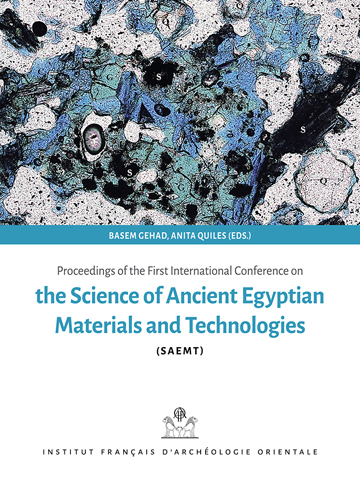

 Tresors inattendus
Trente ans de fouilles et de cooperation a Umm el-Breigat (Tebtynis - Fayoum)
Volume 57
 ICE XII
Proceedings of the Twelfth International Congress of Egyptologists, 3rd - 8th November 2019, Cairo
Volume 71

 Die Ostraka der fruhen 18. Dynastie aus Deir el-Bahri und dem Asasif
I. Katalog der Ostraka / II. Auswertung, Verzeichnisse, Palaographie / III. Tafeln
Volume 73


Similar Books


 Cahiers de lexicologie
Particules floues — Nouvelles études sur le français et l'espagnol
Volume 128
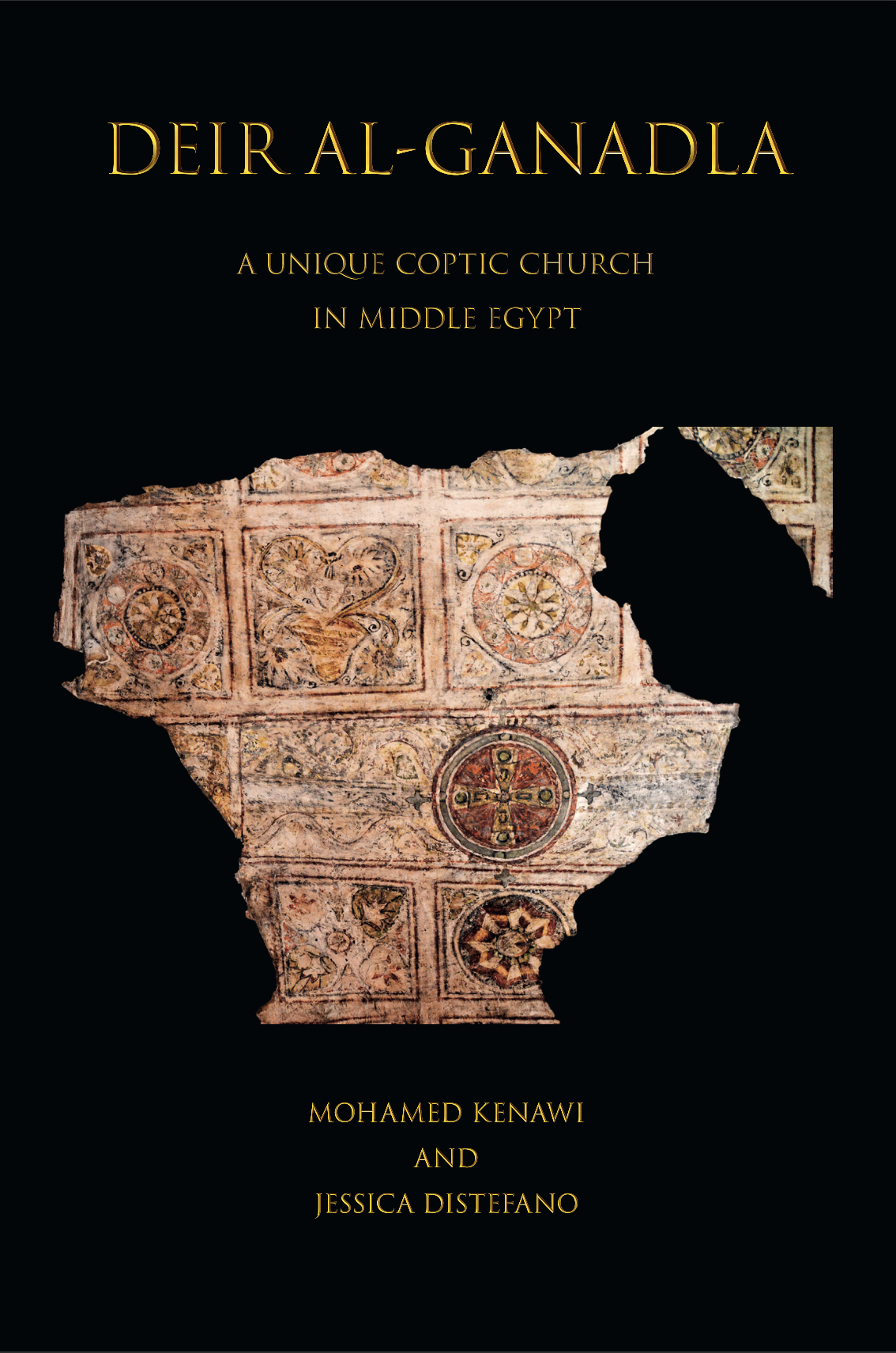
 Des mots aux actes
Traduction épistémique et littéraire. Nouvelles tendances en histoire et didactique
Volume 15


 Deutsch als Fremdsprache nach Englisch an chinesischen Hochschulen
Eine empirische Forschung über Lernstrategien zum Wortschatzlernen














 Punning in Odd or Elegant Constructions in Jeremiah
The Convergence of Linguistics, Rhetoric, and Textuality in the Hebrew Text of Jeremiah


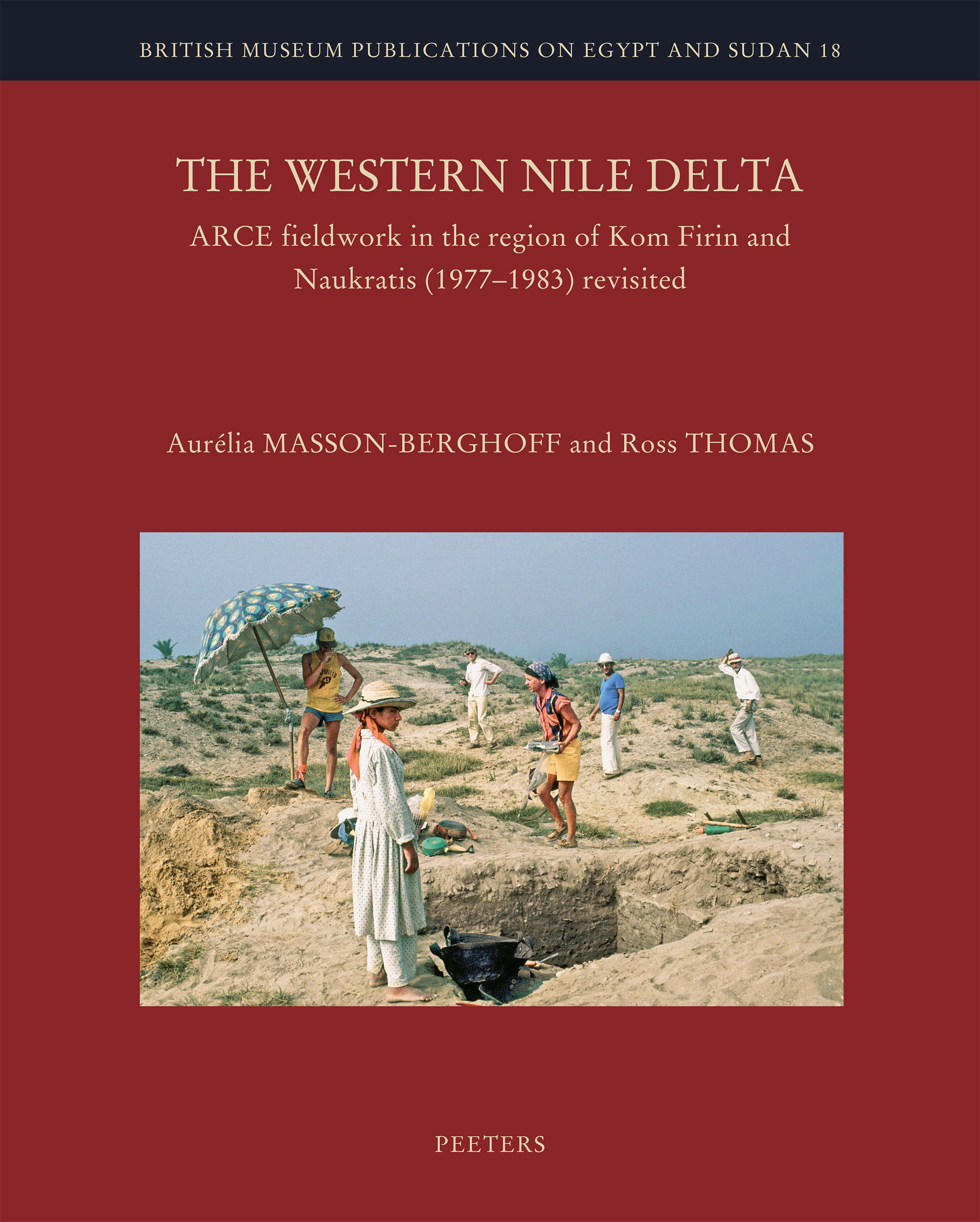 The Western Nile Delta
ARCE Fieldwork in the Region of Kom Firin and Naukratis (1977-1983) Revisited