
Dawn of Japan
Emperor Jimmu with his Gods and Warriors on Third-Century Bronze Mirrors
By (author) Michael P. Speidel By (author) Tomoko Fukushima

Hardback (Published)
(April 2011)
ISBN: 9783895008016
7.48 x 11.42 inches
Price: $92.00
In stock
In a richly illustrated study, the authors trace Jimmu Tenno, Japan’s legendary first emperor, on bronze mirrors of his own time.The mirrors, while steeped in mythology, tell the emperor’s historic deeds almost exactly as do the eighth-century legends in the “Kojiki” and “Nihon shoki”, thereby revealing the founder of Japan and its ruling dynasty as a truly historical figure who lived – and worshipped the sun-goddess Amaterasu – in the third century of our era. These discoveries will have a major impact on the history of Japan.
English summary: Images of war dancers enliven the third-century Shuryo-mon kyo bronze mirror in the Tokyo National Museum.The dancers are celebrating the great “Eastern Campaign” of Jimmu Tenno, Japan’s legendary first emperor, according to the authors’ detailed analysis and archaeological documentation. The mirror’s images match, point by point, Jimmu’s victorious campaign as described in the eighth-century accounts of the Kojiki and Nihon shoki. It follows that, contrary to the prevailing view, the written legend too goes back to the actual historical events, and that Jimmu Tenno, the founder of Japan as a country and of its ruling dynasty, was a historical figure who lived in the later third century of our era. Other mirrors, paintings, and rock-carvings of the Kofun Period (250-600) also depict Jimmu’s deeds and myths: The Goroyama paintings record Jimmu’s victory at Tomi, the Takaida drawings his Yamato campaign, and the “Sea-Dance” mirrors reflect the help he got from the sea gods. Works of art of this period even portray Amaterasu as Jimmu’s main goddess, they show Jimmu’s journey as Hikohohodemi to the palace of the sea god, his woman-shaman Sarume, his Wani sea steed, and the monkey god Sarutahiko. Some hitherto missing parts of ancient Japanese myth are thereby recovered and for the first time early Shinto religion is richly illustrated. As for military history, these works of art offer wealth of information and illustration about Japanese warfare from a time long before that of the Samurai. Altogether, this study (120 pages, 47 figures in the text, 16 color plates) greatly contributes to our knowledge of Japanese history, art, and religion by revealing that the previously nebulous, legendary beginnings of Japan, are historical events, firmly set in time and place, and colorfully recorded by images from those times. Published by the German Archaeological Institute, this is a scholarly, archaeological work. It deliberately sidesteps the political issue, that nevertheless will arise: Jimmu Tenno is the idol of Japan’s rightwingers. His rule was a point of faith until 1945, when he was “massacred.” German description: In einer reich illustrierten Arbeit untersuchen die Verfasser Darstellungen von Jimmu Tenno, Japans erstem Kaiser, auf Bronzespiegeln seiner Zeit. Sie zeigen, dass trotz mythologischer Einkleidung diese Spiegel Jimmu’s Taten nahezu genau so berichten wie die im “Kojiki” und “Nihon shoki” erhaltenen Legenden des 8. Jahrhunderts. Die Legenden stammen also aus Jimmus eigener Zeit, dem 3. Jahrhundert unserer Zeitrechnung. Jimmu, der Grunder Japans und seiner regierenden Dynastie war somit eine echte historische Personlichkeit – eine Tatsache von entscheidender Bedeutung fur die Geschichte des Landes.
- By (author) Michael P. Speidel
- By (author) Tomoko Fukushima
Other Titles in this Series
 Tradition und Wandel
Untersuchungen zu Gräberfeldern in der Westlichen Han-Zeit (206 v. Chr. bis 9 n. Chr.)
 Obsidian and the Sea
Evidence, Concepts and Social Implications of its Maritime Transportation
Volume 22
 Die „Große Halle“ von Karakorum
Zur archäologischen Untersuchung des ersten buddhistischen Tempels der alten mongolischen Hauptstadt
 Archaeological Investigations in Guadalupe, Northeast Honduras
Interaction Networks during the Late Pre-Hispanic Period (AD 900-1525)
Volume 19
 Climate and Settlement in Southern Peru
The Northern Río Grande de Nasca Drainage between 1500 BCE and 1532 CE


 In kaiserlichem Auftrag – Die Deutsche Aksum Expedition 1906 unter Enno Littmann
Band 2: Altertumskundliche Untersuchungen der DAE in Tigray/Äthiopien

 Coins and Tokens from Ancient Ceylon
Ancient Ruhuna. Sri Lanka-German Archaeological Project in the Southern Province. Vol. 2. Ed. by H.-J. Weisshaar, S. Dissanayake and W. Wijeyapala
 Sea Shells in the Mountains and Llamas on the Coast
The Economy of the Paracas Culture (800 to 200 BC) in Southern Peru
Volume 16
 »Bubalin« und »Bovidien« in Südmarokko
Kontext, Klassifikation und Chronologie der Felsbilder im mittleren Draa-Tal
 Karabalgasun – Stadt der Nomaden
Die archäologischen Ausgrabungen in der frühuigurischen Hauptstadt 2009–2011
 Iconografía de la Cultura Tolita
Lecturas del discurso ideológico en las representaciones figurativas del Desarrollo Regional
 In kaiserlichem Auftrag – Die Deutsche Aksum-Expedition 1906 unter Enno Littmann
Band 3: Ethnographische, kirchenhistorische und archäologisch-historischeUntersuchungen

 Mongolian-German Karakorum Expedition
Vol. 1: Excavations in the Craftsman Quarter at the Main Road (= Bonn Contributions to Asian Archaeology, Vol. 2)
Similar Books


 Colour Concept “Secoli bui” a colori
Codici cromatici e architetture dipinte nell’età tardoantica e medievale
 Crossing Disciplines in the Study of Archaeology and Prehistoric Art: Insights from the Sahara and Mediterranean Africa
Proceedings of the XX UISPP World Congress (5–9 September 2023, Timișoara, Romania) Volume / Session 18
 Crossing Sacred Landscapes
Contacts and Continuities in the Desert Cults and Beliefs of Ancient Northern Arabia and the Arid Southern Levant
 Cuneiform Artefacts from Archaeological Contexts: New Research on Ancient Iraq
Proceedings of a Conference Held at the Bavarian Academy of Sciences and Humanities, July 4–5, 2024
Volume 2


 Exploring Prehistoric Pottery in Japan
A Study of Organic Inclusions, Adhering Materials, and Impressions of Woven Items

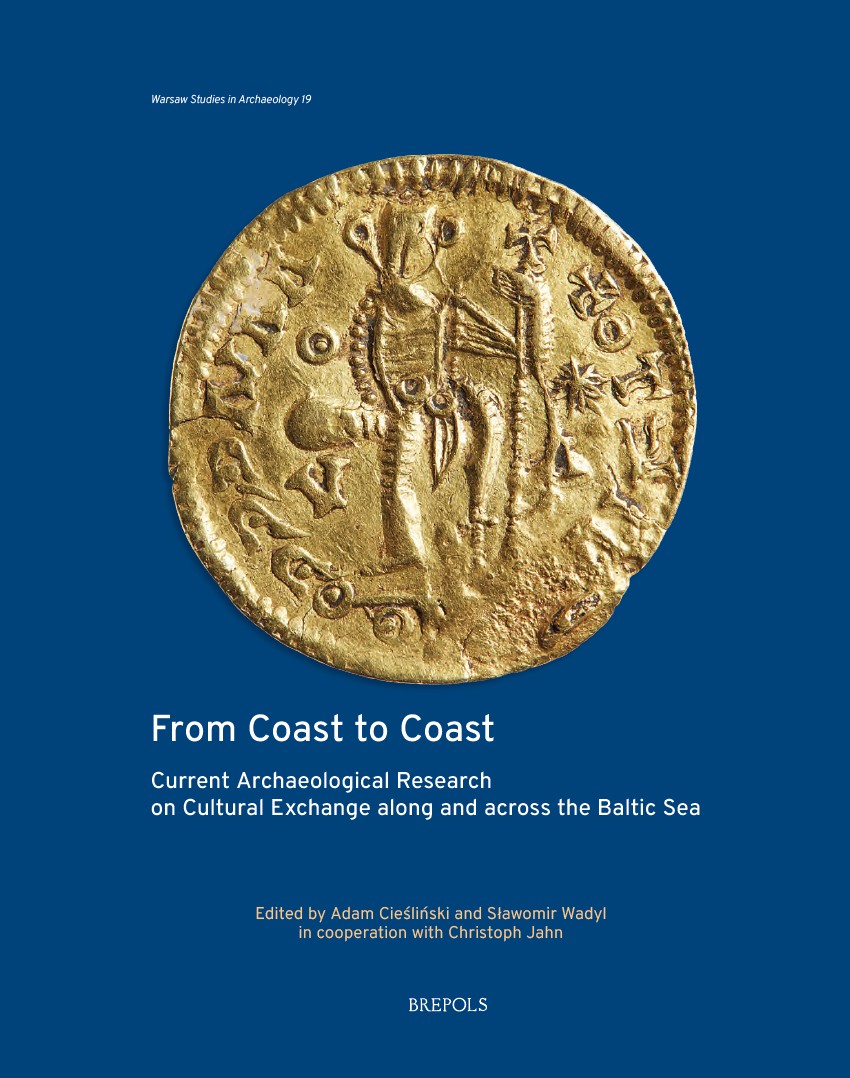 From Coast to Coast
Current Archaeological Research on Cultural Exchange along and across the Baltic Sea
Volume 19
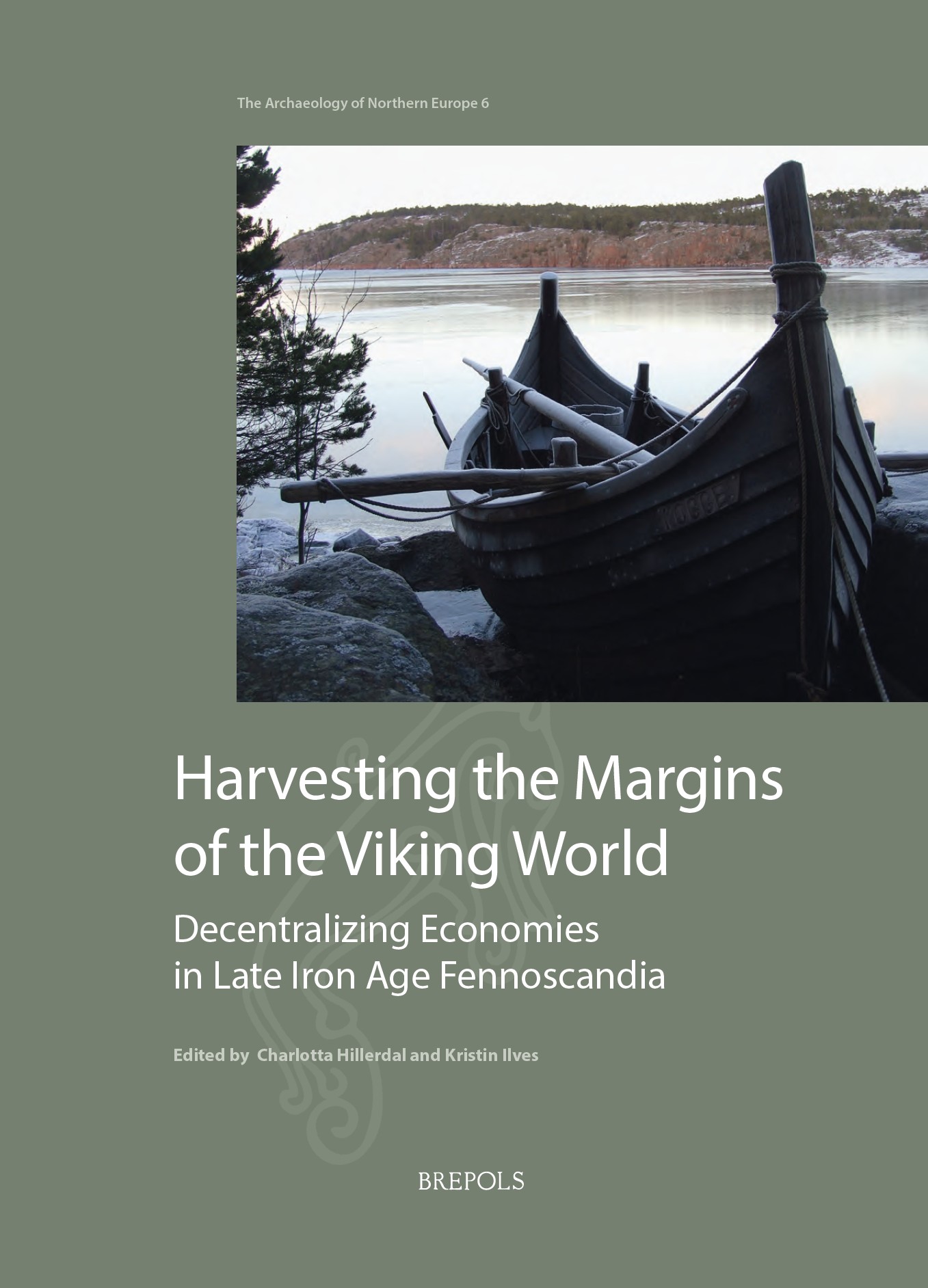 Harvesting the Margins of the Viking World
Decentralizing Economies in Late Iron Age Fennoscandia
Volume 6


 Linguistic and Cultural Dynamics in a Frontier Society
New Perspectives on Northeastern Bavaria and Western Bohemia in the Early Middle Ages
Volume 9

 Making and Meaning in the Bronze and Iron Ages
Chronology, Landscapes and Societies across Europe. Proceedings from the METALAGES2024 Colloquium (Florence, 23 October 2024)
 Medieval Yeghegis, Armenia
History, Archaeology, Society. Local Multiplicities and Global Connections of a Rural Centre on the Silk Road(s)


 Promoting the Profession
Papers in Honour of Peter Hinton Director of the Chartered Institute for Archaeologists 1997-2025


 The Kingdom of Makuria and its Civilization
A Renewed Insight through New Archaeological Discoveries


 Economic Trends in China During the Age of Confucius (1000–250 BC)
The Archaeological Evidence
Volume 10

 The Temple of Ištar-of-Akkad in Babylon from the Neo-Assyrian until the Persian Period
The Archival Texts
Volume 33
 Unsilencing the Archives
New Approaches to the History of Archaeological Labor in the Mandate Period Middle East
Volume 80