Compulsion and Control in Ancient Egypt
Proceedings of the Third Lady Wallis Budge Egyptology Symposium
Edited by Alexandre Loktionov

Paperback (Published)
(December 2023)
ISBN: 9781803275857
7.99 x 10.91 inches
Price: $68.00
In stock
How did the Ancient Egyptians maintain control of their state? Topics include the controlling function of temples and theology, state borders, scribal administration, visual representation, patronage, and the Egyptian language itself, with reference to all periods of Egyptian history, from the Old Kingdom to Coptic times.
How did the Ancient Egyptians maintain control of their state? This book considers this question from a wide variety of angles and across all periods of Egyptian history, from the Old Kingdom to Coptic times. Topics include the controlling function of temples and theology, state borders, scribal administration, visual representation, patronage, and the Egyptian language itself. These different strands are tied together by legal pluralism theory, which argues that a single state can rely on multiple – and at times even contradictory – strategies for upholding what it considers just within the bounds of what is nominally a single jurisdiction. This theoretical approach, while increasingly common in modern postcolonial studies and the history of law, is yet to be deployed in Egyptology. This book therefore aims to fill that gap. The chapters are expanded versions of papers originally presented at the 3rd Lady Wallis Budge Egyptology conference, organised by Christ’s College and held online on 27th-28th August 2020.
Preface - Alexandre Loktionov Introduction: Pluralisms of Compulsion and Control in Ancient Egypt - Alexandre Loktionov I. Compulsion and Control in the Temple Sphere 1. The Turin Indictment Papyrus (P. Turin C. 1887): an Enquiry about the Forms of Compulsion in the Text - Marcella Trapani 2. The Egyptian Temples of Oxyrhynchus and their Personnel Under the Roman Empire - Leah Mascia II. Compulsion and Control in Religious and Funerary Thought 3. 'You shall not constrain my bꜢ'. Control through and of the bꜢ.(w) - Anne Landborg 4. Ancestors as a Source of Legal Authority - Renata Schiavo III. Compulsion and Control around Borders 5. Fort-building and Violence as the Mode of Control of the Margins in Late Middle Kingdom Nubia - Adam Fagbore 6. Compulsory Foreign Labour in Late Bronze Age Egypt: Towards Understanding a Forced Migration-Unfree Labour Nexus - Christian Langer 7. Unwritten Compulsion: Social Integration, Norms and Self-Control at Kurgus in Medieval Nubia - Loretta Kilroe IV. Compulsion and Control in the Administration of Labour and Human Resources 8. Controlling Workforces at the Palace: Some Perspectives on Administrative Practice at Kom Medinet Gurob - Fredrik Hagen 9. Bureaucratic Control of New Kingdom Tomb Building Projects - Rune Olsen V. Compulsion and Control in Text and Image 10. Images of Control and Submission in Old Kingdom Funerary Iconography: The Egyptian Tomb as a 'Disciplinary Institution' - Matthieu Hagenmuller 11. Social Control in Middle Kingdom Egypt: Embodied Experience and Symbolic Violence - Margaret Maitland 12. Human Branding Practices during the New Kingdom: A Form of Control between Metaphor and Reality - Marta Valerio VI. Compulsion and Control through Patronage and Unequal Status Relationships 13. Patronage and Protection in Late Pharaonic and Ptolemaic Egypt - Brian Muhs 14. "When Dad says no": Paternal Authority and Control in the Context of Egyptian Men's First Marriages - Steffie van Gompel VII. The Language of Compulsion and Control 15. Words that bind: Earlier Egyptian Language of Compulsion and Control - Sami Uljas 16. How to tell of Compulsion and Control in Demotic: a Prospect from Contextual Narratology - John Tait 17. Perceptions of Liberty in the Coptic Period: Affective Responses to Socio-religious Pressures in the Western Desert - Victoria Fendel,
Preface – Alexandre Loktionov
Introduction: Pluralisms of Compulsion and Control in Ancient Egypt – Alexandre Loktionov
I. Compulsion and Control in the Temple Sphere
1. The Turin Indictment Papyrus (P. Turin C. 1887): an Enquiry about the Forms of Compulsion in
the Text – Marcella Trapani
2. The Egyptian Temples of Oxyrhynchus and their Personnel Under the Roman Empire – Leah Mascia
II. Compulsion and Control in Religious and Funerary Thought
3. ‘You shall not constrain my bꜢ’. Control through and of the bꜢ.(w) – Anne Landborg
4. Ancestors as a Source of Legal Authority – Renata Schiavo
III. Compulsion and Control around Borders
5. Fort-building and Violence as the Mode of Control of the Margins in Late Middle Kingdom Nubia – Adam Fagbore
6. Compulsory Foreign Labour in Late Bronze Age Egypt: Towards Understanding a Forced
Migration-Unfree Labour Nexus – Christian Langer
7. Unwritten Compulsion: Social Integration, Norms and Self-Control at Kurgus in Medieval Nubia – Loretta Kilroe
IV. Compulsion and Control in the Administration of Labour and Human Resources
8. Controlling Workforces at the Palace: Some Perspectives on Administrative Practice at
Kom Medinet Gurob – Fredrik Hagen
9. Bureaucratic Control of New Kingdom Tomb Building Projects – Rune Olsen
V. Compulsion and Control in Text and Image
10. Images of Control and Submission in Old Kingdom Funerary Iconography: The Egyptian Tomb
as a ‘Disciplinary Institution’ – Matthieu Hagenmüller
11. Social Control in Middle Kingdom Egypt: Embodied Experience and Symbolic Violence – Margaret Maitland
12. Human Branding Practices during the New Kingdom: A Form of Control between Metaphor
and Reality – Marta Valerio
VI. Compulsion and Control through Patronage and Unequal Status Relationships
13. Patronage and Protection in Late Pharaonic and Ptolemaic Egypt – Brian Muhs
14. “When Dad says no”: Paternal Authority and Control in the Context of Egyptian Men’s First Marriages – Steffie van Gompel
VII. The Language of Compulsion and Control
15. Words that bind: Earlier Egyptian Language of Compulsion and Control – Sami Uljas
16. How to tell of Compulsion and Control in Demotic: a Prospect from Contextual Narratology – John Tait
17. Perceptions of Liberty in the Coptic Period: Affective Responses to Socio-religious Pressures
in the Western Desert – Victoria Fendel
Alexandre Loktionov is Professor of Egyptology at HSE University, Moscow and Budge Fellow in Egyptology at Christ’s College, Cambridge. He is also a Visiting Senior Research Fellow in the Department of Political Economy at King’s College, London, a Fellow of the McDonald Institute for Archaeological Research in Cambridge, and a Fellow of the Royal Society of Arts. His main research interests lie in Ancient Egyptian justice, exchange of intellectual culture between Ancient Egypt and Mesopotamia, and the history of Egyptology. He holds PhD, MPhil and BA degrees from the University of Cambridge and has also previously worked at the John W. Kluge Center at the Library of Congress, Washington, DC.
- Edited by Alexandre Loktionov
Other Titles in this Series


 Rise of the Hyksos
Egypt and the Levant from the Middle Kingdom to the Early Second Intermediate Period
 I templi del Fayyum di epoca tolemaico-romana: tra fonti scritte e contesti archeologici
Per una classificazione degli edifici sacri nell’Egitto tolemaico e romano
 The Family of Pa-di-Amun-neb-nesut-tawy from Thebes (TT 414) Revisited
The Case Study of Kalutj/Nes-Khonsu (G108 + G137)


 The Production, Use and Importance of Flint Tools in the Archaic Period and the Old Kingdom in Egypt


 Religious Practice and Cultural Construction of Animal Worship in Egypt from the Early Dynastic to the New Kingdom
Ritual Forms, Material Display, Historical Development

 ‘Blood Is Thicker Than Water’ – Non-Royal Consanguineous Marriage in Ancient Egypt
An Exploration of Economic and Biological Outcomes
 Australasian Egyptology Conference 4
Papers from the Fourth Australasian Egyptology Conference Dedicated to Gillian E. Bowen


 The Human Brain in Ancient Egypt
A Medical and Historical Re-evaluation of Its Function and Importance


 Studies on the Vignettes from Chapter 17 of the Book of the Dead
I: The Image of mś.w Bdšt in Ancient Egyptian Mythology


 Body, Cosmos and Eternity
New Trends of Research on Iconography and Symbolism of Ancient Egyptian Coffins
 Chronological Developments in the Old Kingdom Tombs in the Necropoleis of Giza, Saqqara and Abusir
Toward an Economic Decline during the Early Dynastic Period and the Old Kingdom
Similar Books





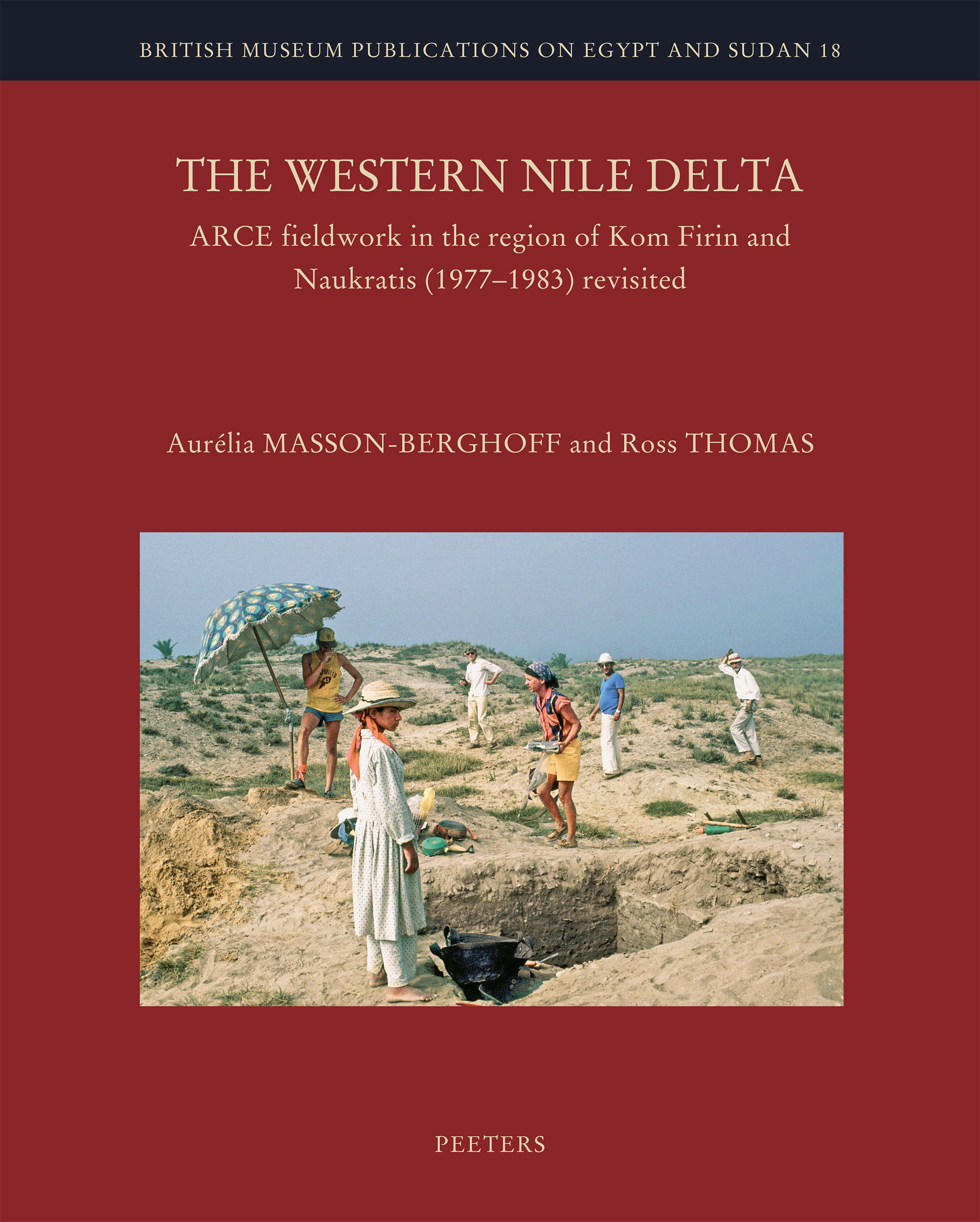 The Western Nile Delta
ARCE Fieldwork in the Region of Kom Firin and Naukratis (1977-1983) Revisited
 Archaeological Discoveries at the Temple of Ramesses II in Abydos
Vol. 2: Old Kingdom Wall, Papyri, Ostraca, and Leather Remains

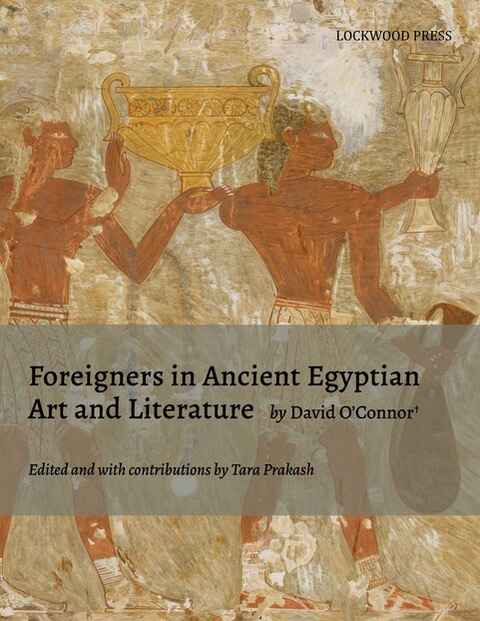


 The Southern Room of Amun in the Temple of Hatshepsut
Volume 2: Studies on Decoration and Ritual Function
Volume 11

 Die Ägyptenworte im Ezechielbuch
Eine literarhistorische und religionsgeschichtliche Analyse von Ez 29–32
 Du côté de chez Zeus
Fouilles de la Mission archéologique française du désert Oriental à Abû Qurayya (Dios) et Bi’r Bayza (y inclus O.Dios I 1-67)
Volume 98
 La littérature de l’Égypte ancienne. Volume V
Nouvel Empire : XVIIIe dynastie. Eulogies et narrations royales, contes, enseignements et littérature d’idée
 Lehrreiche Literatur
Die didaktische Gestaltung von Plutarchs Quaestiones Graecae und Romanae und Gellius' Noctes Atticae

 Nouvelles perspectives sur le Traité anonyme du Codex Bruce. New Perspectives on the Untitled Treatise of the Bruce Codex
(Colloque international, Québec, Université Laval, 13 avril 2018)
Volume 11


 Ägypten und Levante XXXIV / Egypt and the Levant XXXIV (2024)
Internationale Zeitschrift für ägyptische Archäologie und deren Nachbargebiete / International Journal for Egyptian Archaeology and Related Disciplines

 Ancient Egypt in 50 Discoveries
Highlights from the first century of the Egypt Exploration Society
Volume 8
 Archaeological Discoveries at the Temple of Ramesses II in Abydos
Vol. 1: Magazines, Animal Burials, and Miscellanea
 Building an 18th Dynasty Tomb at Thebes
Construction Records from Mery's Funerary Complex (TT 95) in Context
Volume 4

 Current Research in Egyptology 2024
Proceedings of the Twenty-Fourth Annual Symposium, Jointly Organised by the University of Liverpool, Swansea University, University of Birmingham, University of Oxford, and University of Wales Trinity Saint David, 2–6 September 2024


 From Egypt to the Levant and Beyond
African Individuals and Groupsain Cuneiform Texts from the Late Bronze Age
Volume 133