
Bonhoeffers theologische Anfänge
Menschenwille und Gotteswille in der frühesten Phase seiner theologischen Existenz 1925-1929
By (author) Dominik Weyl

Hardback (Forthcoming)
(October 2026)
ISBN: 9783162001962
6.1 x 9.13 inches
Price: $156.00
Dominik Weyl explores Bonhoeffer’s theological beginnings and describes his earliest developments and positionings. He shows how Bonhoeffer responds to the formative Protestant theologies of his time. Bonhoeffer’s question concerning the concordance of human will and divine will attests his strong ethical orientation from the very beginning.
Dominik Weyl explores Dietrich Bonhoeffer’s theological beginnings. In doing so, the author inquires into Bonhoeffer’s earliest development and his first positionings between 1925 and 1929 and interprets selected texts from the period of his studies, his doctoral work, and his Barcelona vicariate. All of these writings exhibit a pronounced orientation toward ethics. Bonhoeffer’s reflections are consistently directed toward the systematic‑theological determination of the concordance of the human will with the divine will. Upon this rests his early responsible ethics of the moment, or situational ethics, which would later mature into his ethics of responsibility. At the same time, shadow problems emerge that Bonhoeffer only later perceives and corrects. The author shows how Bonhoeffer anchors his position in the voluntaristic Luther interpretation of Karl Holl and Reinhold Seeberg and brings it into conversation with the dialectical theology of Karl Barth. Already in his student papers, Bonhoeffer integrates faith and obedience as a unity and understands them as modes of resonance in response to God’s efficacious grace. The moment of responsible decision-making, which occurs when encountering the demands of another human being, takes on decisive importance. In Sanctorum Communio, the demand of God’s will appears in, with, and under these demands, whereby a distinction must be made between God’s concrete ethical demand and the substantive demands of the other.
A Einleitung
1 Begründung des Forschungszeitraums
2 Bestimmung des Ziels und der Aufgaben
3 Begründung der Textauswahl
4 Forschungsüberblick
B Resonanzen: Bonhoeffers Studienarbeiten
1 Hinführung
2 Der Heilige Geist als heil- und heiligmachende (Willens-)Kraft
3 EXEGESE UND PREDIGT ÜBER JAKOBUS 1, 21-25: Gottgebundenheit als Glaube und Gehorsam
4 Ertrag
C Begegnungen: Bonhoeffers Dissertation SANCTORUM COMMUNIO
1 Hinführung
2 Der christlich-ethische Personbegriff
3 Ertrag
D Verschärfungen: Bonhoeffers Barcelonaer Predigten und Gemeindevorträge
1 Hinführung mit einer lebensgeschichtlichen Erfahrung Bonhoeffers
2 Predigt zu Römer 11, 6: Religions- und Ethikkritik als theologischer Grundton
3 Die Gemeindevorträge
4 Ertrag
E Kurze Rückschau
1 Systematisch-theologische Grundentscheidungen Bonhoeffers
2 Schattenproblematiken
Literaturverzeichnis
1 Dietrich Bonhoeffer Werke
2 Verwendete Literatur
- By (author) Dominik Weyl
Other Titles in this Series


 Reformatorische Existenz und konfessionelle Identitat
Urbanus Rhegius als evangelischer Theologe in den Jahren 1520 bis 1530
Volume 88
 Ubersetzungen von Erbauungsliteratur und die Rolle von Netzwerken am Ende des 17. Jahrhunderts
Volume 195
 Bernhard von Waging (+ 1472), ein Theologe der Melker Reformbewegung
Monastische Theologie im 15. Jahrhundert?
Volume 158


 Ernst Wilhelm Hengstenberg
Ein Beitrag zur Erforschung des kirchlichen Konservatismus im Preussen des 19. Jahrhunderts
Volume 169
 Die Symboltheorie bei Novalis
Eine ideengeschichtliche Studie in ästhetischer und theologischer Absicht
 Glaube und Lehre im modernen Protestantismus
Studien zum Verhältnis von religiösem Vollzug und theologischer Bestimmtheit bei Barth und Bultmann sowie Hegel und Schleiermacher
 Adolf von Harnack und die deutsche Politik 1890-1930
Eine biographische Studie zum Verhaltnis von Protestantismus, Wissenschaft und Politik
Volume 124
 Der terministische Streit
Vorgeschichte, Verlauf und Bedeutung eines theologischen Konflikts an der Wende vom 17. zum 18. Jahrhundert
Volume 159
 Die Oxford-Bewegung und ihre Historiographie
Eine Analyse der geschichtlichen Konstruktion konfessioneller Identitat im Traktarianismus
Volume 206

 Patriotismus und Protestantismus
Konfessionelle Semantik im nationalen Diskurs zwischen 1749 und 1813
Volume 172

 Islam und Identitatspolitik
Die Funktionalisierung der 'Turkenfrage' bei Melanchthon, Zwingli und Jonas
Volume 186

 Theologie und neuzeitliches Christentum
Studien zu Genese und Profil der Christentumstheorie Trutz Rendtorffs
Volume 139

 Wittenberger Universitatstheologie im fruhen 17. Jahrhundert
Eine Fallstudie zu Friedrich Balduin (1575-1627)
Volume 183
 Krypsis und Kenosis
Studien zu Thema und Genese der Tubinger Christologie im 17. Jahrhundert
Volume 162
 Modernes Fruhchristentum
Christian C. J. Bunsens Hippolytuswerk als Programmschrift des 19. Jahrhunderts
Volume 208
 Der langsame Abschied vom landesherrlichen Kirchenregiment
Die Debatten um das Verhältnis von Kirche und Staat im 19. Jahrhundert in protestantischen Kirchenzeitungen


Similar Books
 ‘For You I Study, For You I Work, For You I Live, For You I Am Ready To Even Give My Life’
Essays in Honour of Francis (Frank) J Moloney, SDB




 Ars Prophetica
Theology in the Poetry of Twentieth-Century Hebrew Poets Avraham Halfi, Shin Shalom, Amir Gilboa, and T. Carmi
 As Messianism Turns to Heresy
The Regenstein Chair Lectures On Lurianic Kabbalah and Shabbatai Tzevi at Hebrew Union College - Cincinnati


 Drunk the Potion, No Whit Charmed
The Doctrine of Pure and Perfect Souls from Iamblichus to Damascius



 Extracanonical Traditions and the Holy Land
Texts, Rituals, and Material Culture in Late Antique Palestine
 Fear, Fear of God, God-Fearers
Philological and Historical Perspectives on the World of Ancient Judaism and Christianity




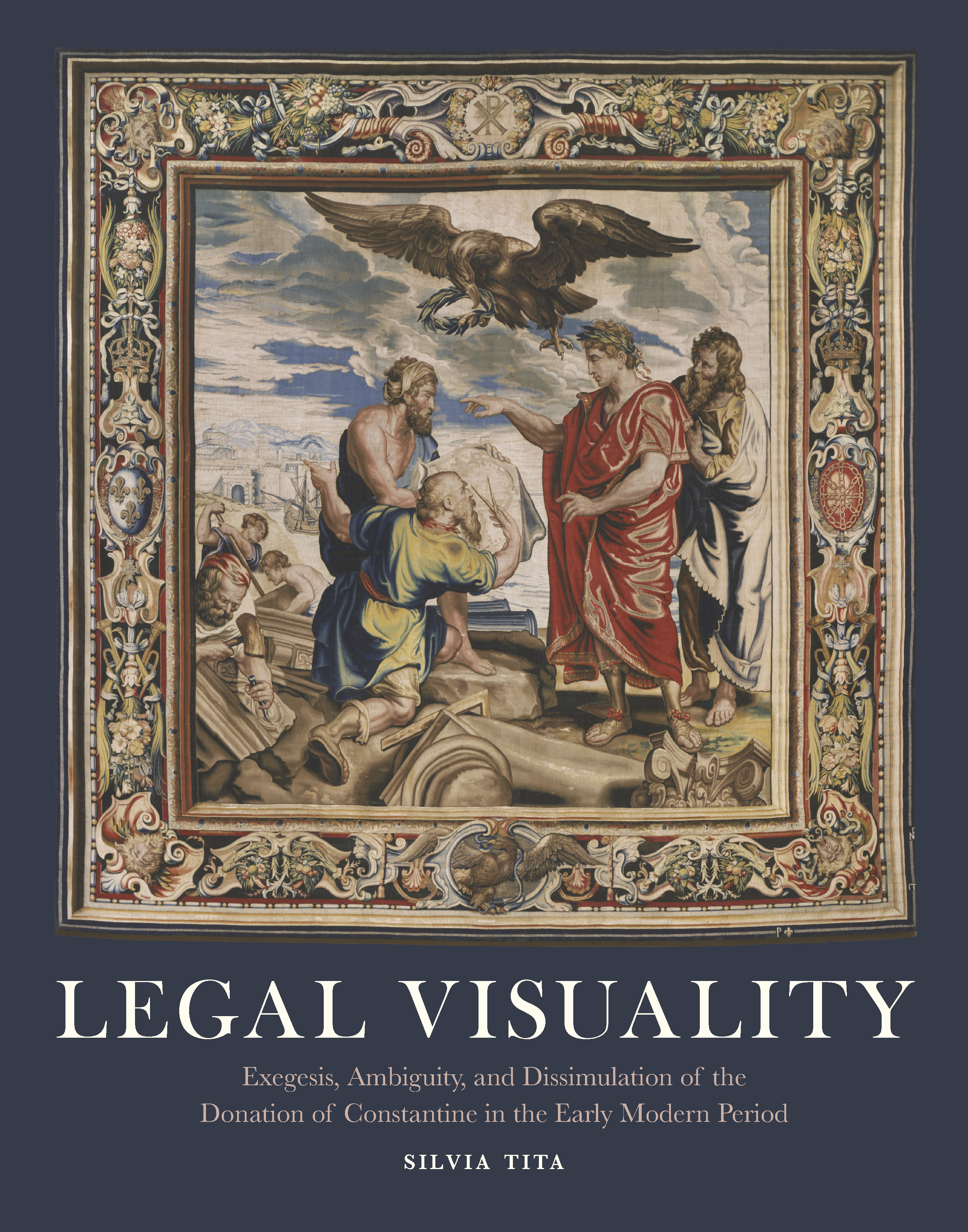 Legal Visuality
Exegesis, Ambiguity, and Dissimulation of the Donation of Constantine in the Early Modern Period
 Liturgia semper reformanda
Adaptations and accommodations in the liturgy in light of canon 838 of the Code of Canon Law


