
Bohemian School Humanism and its Editorial Practices (ca. 1550 -1610)
By (author) Lucie Storchova
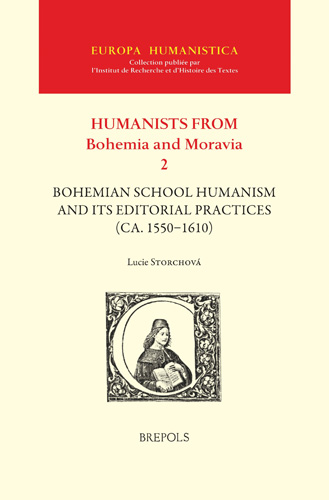
Hardback (Published)
(March 2015)
ISBN: 9782503551807
155 x 240 inches
Price: $113.00
In stock
This volume concentrates on the treatment of classical texts for educational purposes in Bohemia in approximately the 1550s-1620s. This specific – in comparison with other Western European countries, rather ‘average’ – type of school humanism was characteristic for the literary field which formed around Prague University. In it, a particular form of Melanchthonian Ciceronianism was practised which was adopted by a group of Bohemian humanists during their studies at Saxon universities in the 1530s and 1540s and lasted in a relatively rigid form until the central academic institution was closed in 1622. Such a stability of literary techniques – based also on an unchanging, institutionally passed-down corpus of teaching manuals and school editions – influenced a series of phenomena, including the communication code used by Czech humanists and the fact that the literary field of Prague University was relatively closed and only partly compatible with other contemporary humanist networks on the European continent. Beside the introductory study, the volume includes bibliographical sketches of Czech humanist scholars and an extensive edited section which presents paratexts (for the most part introductory poems and forewords) of the period’s teaching manuals and humanist editions of classics for school needs.
This volume concentrates on the treatment of classical texts for educational purposes in Bohemia in approximately the 1550s-1620s. This specific – in comparison with other Western European countries, rather ‘average’ – type of school humanism was characteristic for the literary field which formed around Prague University. In it, a particular form of Melanchthonian Ciceronianism was practised which was adopted by a group of Bohemian humanists during their studies at Saxon universities in the 1530s and 1540s and lasted in a relatively rigid form until the central academic institution was closed in 1622. Such a stability of literary techniques – based also on an unchanging, institutionally passed-down corpus of teaching manuals and school editions – influenced a series of phenomena, including the communication code used by Czech humanists and the fact that the literary field of Prague University was relatively closed and only partly compatible with other contemporary humanist networks on the European continent. Beside the introductory study, the volume includes bibliographical sketches of Czech humanist scholars and an extensive edited section which presents paratexts (for the most part introductory poems and forewords) of the period’s teaching manuals and humanist editions of classics for school needs.
- By (author) Lucie Storchova
Other Titles in this Series

Similar Books


 Balthasar Caymox of Nuremberg
Early Modern German Print Publishers: Popular Prints of the Seventeenth Century
 Beyond Sovereign Courts
Agents and Practices in Early Modern Spanish and Habsburg Diplomacy
Volume 3

 Circulation, Use, Impact
The Consumption of Architectural Books in the Early Modern Eastern Adriatic
Volume 1

 Councils, Conflicts, Correspondence
Urban Diplomacy in Reval (Tallinn) and Lübeck (c. 1470–1570)
Volume 67


 Innovationes Lovanienses: Arts, Law and Theology at the University of Louvain (1425–1797)
Studium Lovaniense: Learning across Borders, 2
Volume 18
 Legal Visuality
Exegesis, Ambiguity, and Dissimulation of the Donation of Constantine in the Early Modern Period

 Naples as Laboratory / Laboratorium Neapel
Style Options, Artistic Rivalry and Self Fashioning in Neapolitan Baroque Painting / Plurale Stilbildung, Kunstlerkonkurrenz und Self Fashioning in der neapolitanischen Barockmalerei
 Power and Women in Southeast and Central Europe in Late Medieval and Early Modern Period (1300-1600)
Volume 10



 Staging the Spectacle of Majesty
Ceremonial, Courtly Space, and Collecting under the Spanish Habsburgs
Volume 9
 Students, Scholars and Their Books at the University of Louvain (1425-1797)
Studium Lovaniense: Learning across Borders, 1
Volume 17


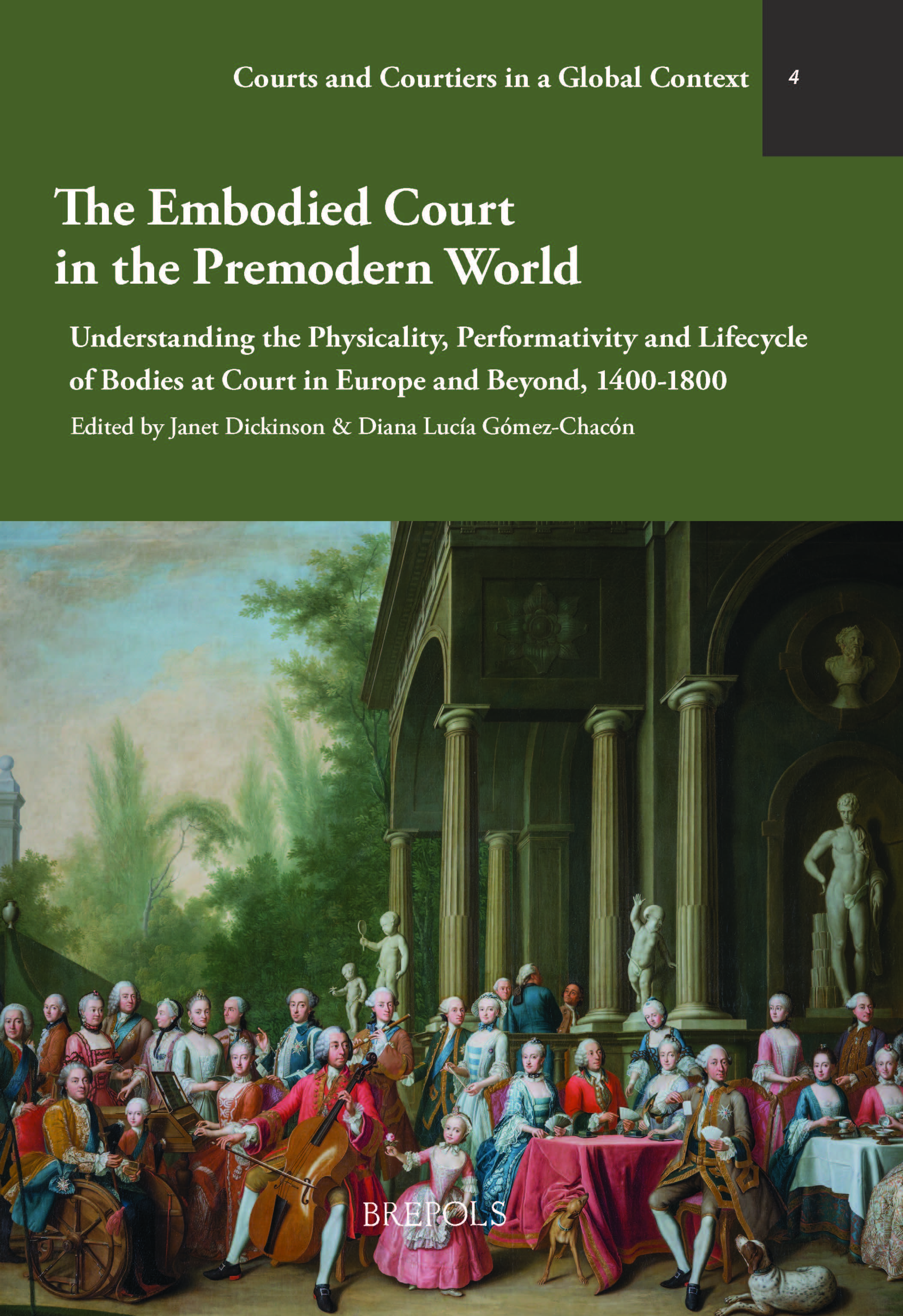 The Embodied Court in the Premodern World
Understanding the Physicality, Performativity and Lifecycle of Bodies at Court in Europe and Beyond, 1400-1800
Volume 4

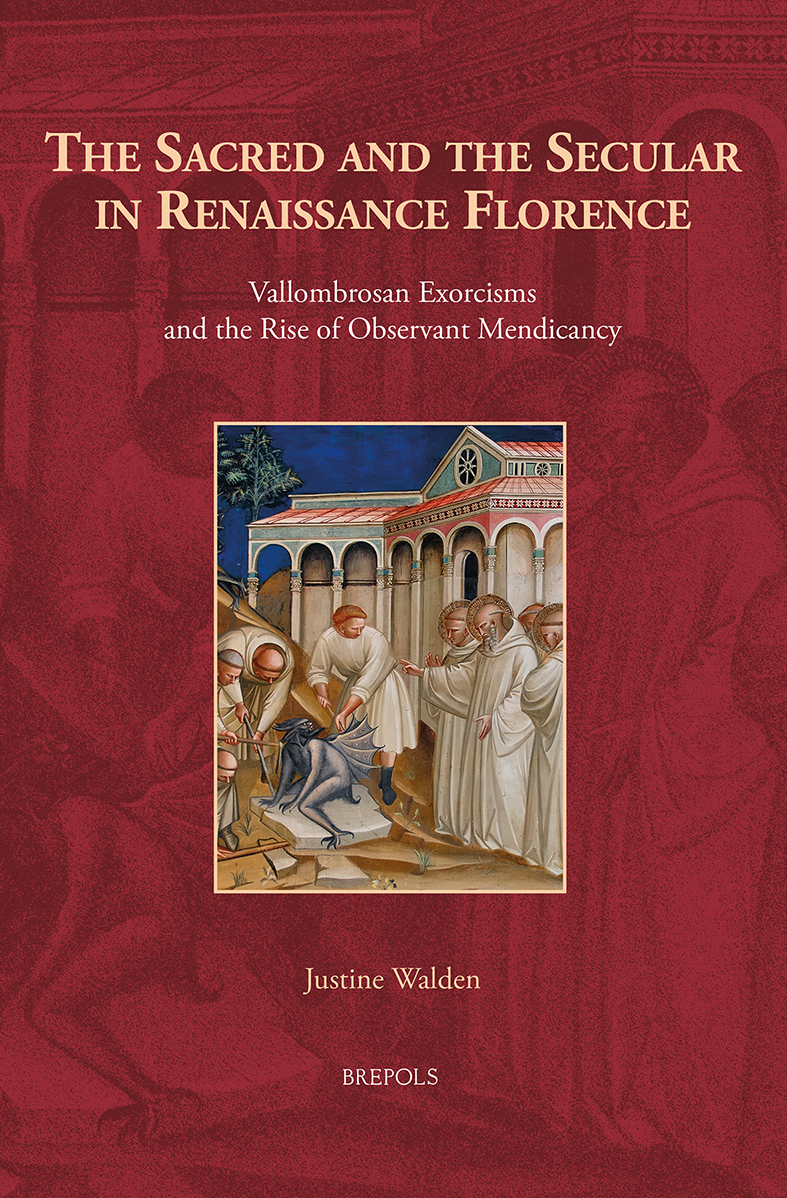 The Sacred and the Secular in Renaissance Florence
Vallombrosan Exorcisms and the Rise of Observant Mendicancy
Volume 31
 Tradition, Interpretation, and Change
Developments in the Liturgy of Medieval and Early Modern Ashkenaz


 À la recherche des normes de traduction
Textes spécialisés dans le monde hispanophone et francophone (1450–1850)

 Briefe einer Fürstin aus dem Dreißigjährigen Krieg
Die Korrespondenz der Kaiserin Maria aus den Jahren 1629 bis 1645
 Die Lutherbibel (1541) des Seidenstickers Hans Plock
Eine buchbiographische und kulturhistorische Untersuchung
Volume 89


