
At the Origins of the Built Environment in the Horn Africa
The Case Study of Adulis Eritrea
Edited by Serena Massa Edited by Nelly Cattaneo Edited by Abraham Zerai Edited by Tsegai Medhin

Paperback (Published)
(November 2025)
ISBN: 9788891327741
8.46 x 11 inches
Price: $250.00
In stock
In antiquity the town of Adulis, 50 km ca. south of Massawa (Eritrea), was one of the most important harbours of the Red Sea and the main hub of long-distance maritime routes and African caravan itineraries of the Horn, within the net of cultural and trade contacts between Mediterranean, Orient and Africa. Ancient literary sources frequently refer to Adulis, destroyed and abandoned in the VIII century, rediscovered at the beginning of the XIX. Episodic excavations along the late XIX and the XX century, provided fragments of a history of flourishing culture which developed over a span of several centuries and gave rise to a thriving urban settlement, rich of stone buildings and monumental complexes, most of them still buried.
The archaeological research started in 2011, thanks to the collaboration between the Eritrean Commission for Culture and Sports and several Italian Universities, coordinated by the Research Centre on Eastern Desert (Ce.R.D.O.), aims at providing a broader understanding of Adulis, both in time and space, in relation to the debated theme of the development of urbanisation in the region.
The region where Adulis is located offers evidence of a rich environment, exploited since prehistory by human groups, and likely inhabited since. The time span object of the research also includes the communities currently living in the area, who deal with the management of this immense heritage and whose culture has been refining strategies to address environmental challenges.
Besides the current results of the research, the aim is to outline the method delineated along ten years of fieldworks and investigations, in optimizing excavations, in sharing with local communities the targets and the outcomes and to set up a truly transdisciplinary and multiscale approach to the archaeological site, involving archaeologists, architects, geologists, hydraulic and civil engineers and the local stakeholders.
1. The Communities of the Western Bay of Zula: Memories of the Past. Permanence, Discontinuity and Oblivion
2. Adulis and the Zula Plain: an Overview of a Strategic and Vulnerable Area
3. Preliminary Archaeobotanical Evidence from Adulis: the Role of Emmer and Barley
4. Brief Prehistoric Evidence from the Gulf of Zula
5. The Influence of the Geomorphological Evolution on the Port of Adulis
6. Hydrology: Water as an Asset and a Threat
7. Premises for the Rise of Urbanisation
8. Archaeological and Historical Context: New Perspectives Adulis 2011-2021
9. Excavating Adulis: Stratigraphy and methodological approach
10. Understanding Ancient Cultural Network through Cutting-Edge Pottery Analysis
11. Funerary Evidence from Adulis: Two Centuries of Research
12. Building Techniques and Architectural Skills in Ancient Adulis
13. Adulis: Diagnostic Investigations on Building Materials
14. Geometry and Measurements of three Monumental Buildings in Adulis
15. Multi-scale 3D scanning of the Adulis site area as a support for archaeological activity: challenges, strategies and results
16. From understanding to planning: the archaeological site of Adulis within its context
- Edited by Serena Massa
- Edited by Nelly Cattaneo
- Edited by Abraham Zerai
- Edited by Tsegai Medhin
Other Titles in this Series


 Orvieto La necropoli di Cannicella
Scavi della Fondazione per il Museo C. Faina e della Universita di Perugia (1977)
Volume 13
 Monitoraggio e Manutenzione delle Aree Archeologiche
Cambiamenti climatici, dissesto idrogeologico, degrado chimico-ambientale
Volume 65

 Il Paesaggio suburbano di Roma dall’antichita al medioevo
Il comprensorio tra le vie Latine ed Ardeatina dalle mura Aureliane al III miglio
Volume 27
 Alle origini di Varese e del suo territorio
Le collezioni del sistema archeologico provinciale
Volume 44


 Behind the Scenes of Medieval Roofs
An Overview of the Roofing Systems of Italian Churches
Volume 90

 La basilica ‘circiforme’ della via Ardeatina (Basilica Marci) a Roma
Campagne di scavo 1993-1996
Volume 68
 Hellenistic and Roman Terracottas from Egypt
Monumenta Antiquitatis extra Fines Hungariae Reperta. Vol. IV
Volume 15


 Il Museo Nazionale Etrusco di Villa Giulia
Origine e metamorfosi di un'istituzione museale del XIX secolo
Volume 38


 La Serliana en el Imperio Romano
Paradigma de la arquitectura del poder. Una lectura de la arquitectura y la iconografia arquitectonica romanas
Volume 52


 Cluny and the Origins of Burgundian Romanesque Sculpture
The Architecture, Sculpture and Narrative of the Avenas Master
Volume 58


Similar Books


 Colour Concept “Secoli bui” a colori
Codici cromatici e architetture dipinte nell’età tardoantica e medievale
 Crossing Disciplines in the Study of Archaeology and Prehistoric Art: Insights from the Sahara and Mediterranean Africa
Proceedings of the XX UISPP World Congress (5–9 September 2023, Timișoara, Romania) Volume / Session 18
 Crossing Sacred Landscapes
Contacts and Continuities in the Desert Cults and Beliefs of Ancient Northern Arabia and the Arid Southern Levant
 Cuneiform Artefacts from Archaeological Contexts: New Research on Ancient Iraq
Proceedings of a Conference Held at the Bavarian Academy of Sciences and Humanities, July 4–5, 2024
Volume 2


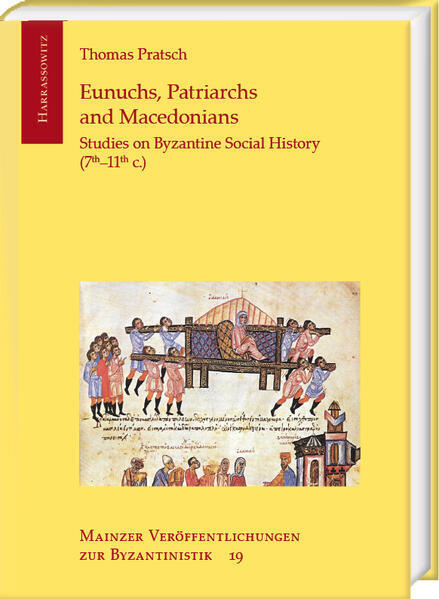

 Exploring Prehistoric Pottery in Japan
A Study of Organic Inclusions, Adhering Materials, and Impressions of Woven Items
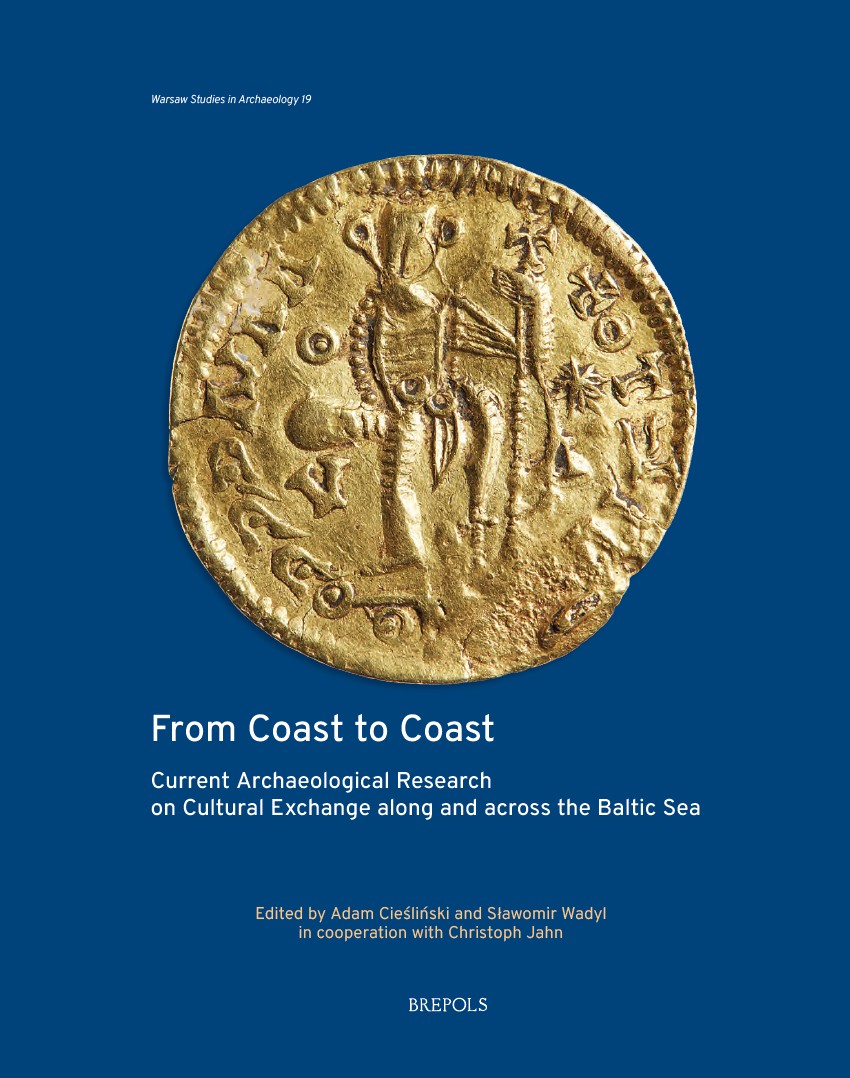 From Coast to Coast
Current Archaeological Research on Cultural Exchange along and across the Baltic Sea
Volume 19
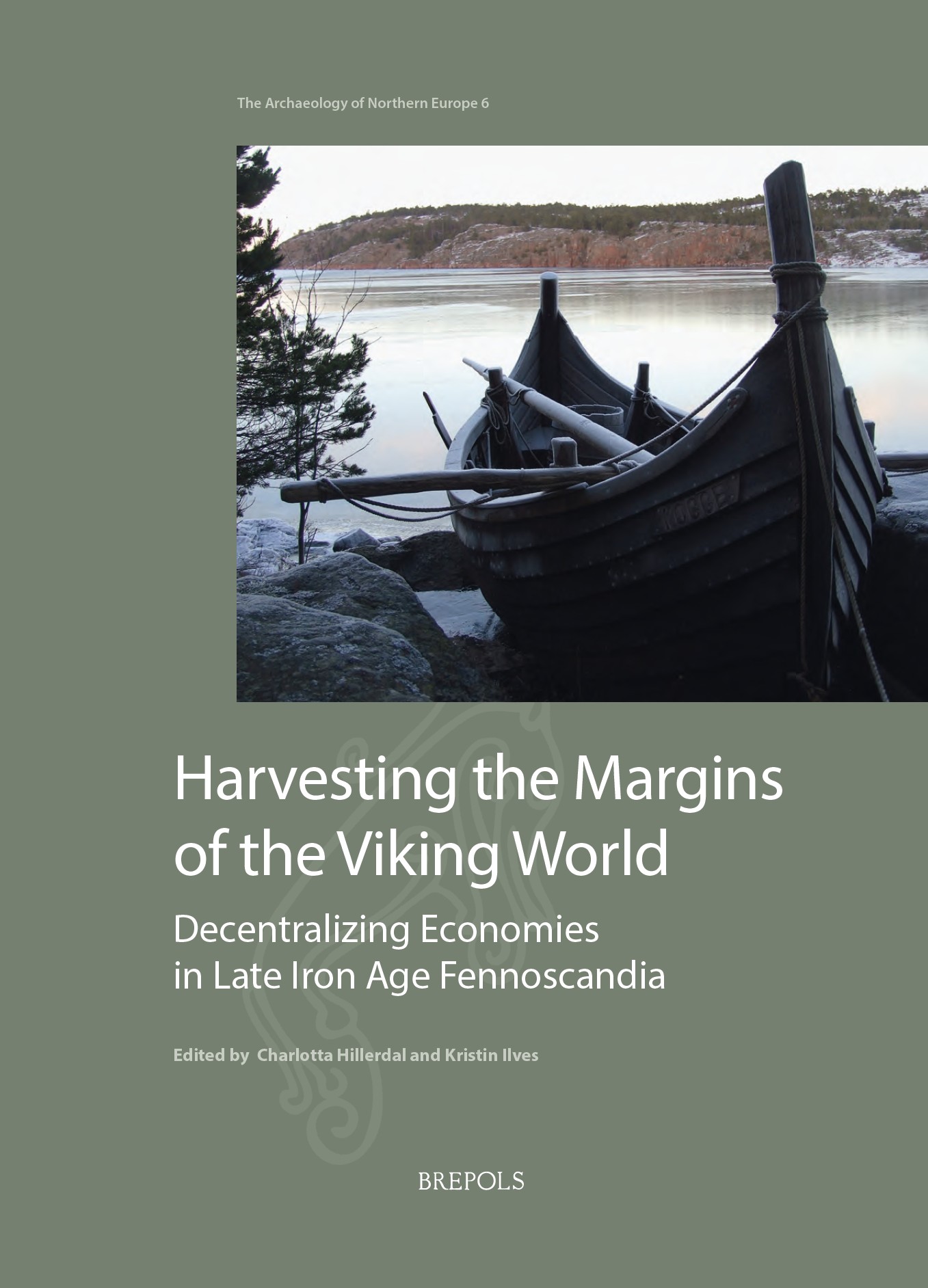 Harvesting the Margins of the Viking World
Decentralizing Economies in Late Iron Age Fennoscandia
Volume 6


 Linguistic and Cultural Dynamics in a Frontier Society
New Perspectives on Northeastern Bavaria and Western Bohemia in the Early Middle Ages
Volume 9

 Making and Meaning in the Bronze and Iron Ages
Chronology, Landscapes and Societies across Europe. Proceedings from the METALAGES2024 Colloquium (Florence, 23 October 2024)
 Medieval Yeghegis, Armenia
History, Archaeology, Society. Local Multiplicities and Global Connections of a Rural Centre on the Silk Road(s)


 Music and Colonialism in Fascist Italy
Identity, Propaganda, and Ethnographic Representation
Volume 13


 Promoting the Profession
Papers in Honour of Peter Hinton Director of the Chartered Institute for Archaeologists 1997-2025

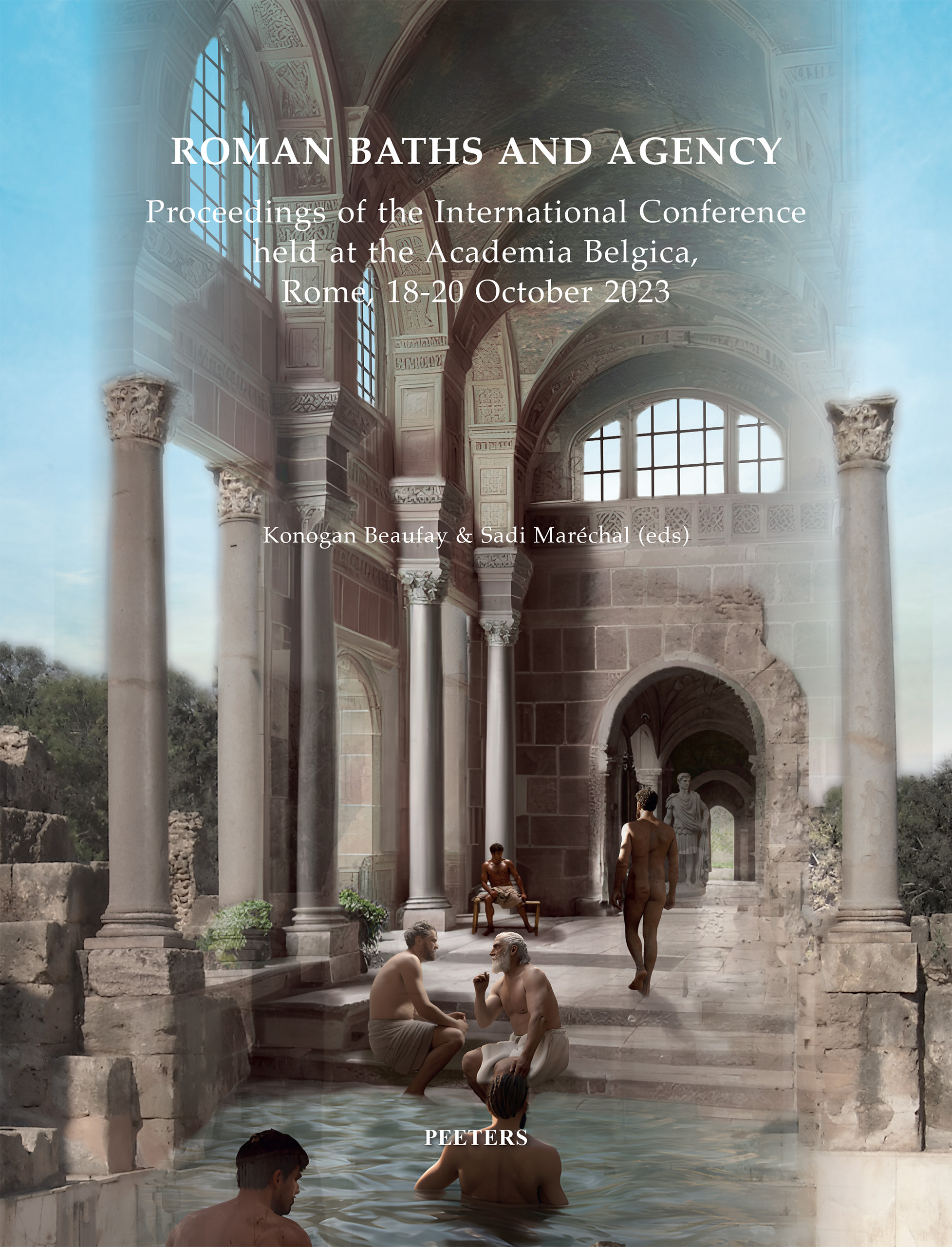 Roman Baths and Agency
Proceedings of the International Conference held at the Academia Belgica, Rome, 18-20 October 2023
Volume 51


 The Kingdom of Makuria and its Civilization
A Renewed Insight through New Archaeological Discoveries


