
Carcer Tullianum
Il Mamertino al Foro Romano
edited by Alfonsina Russo and Patrizia Fortini

Paperback (Published)
(June 2022)
ISBN: 9788891322401
8.43 x 10.98 inches
Price: $325.00
On back order
English summary: Closely adjoining the north-east slopes of the Capitoline Hill, below the seventeenth-century church of San Giuseppe dei Falegnami with an adjoining Oratory, the structures of the Carcer-Tullianum (the “Mamertine Prison” of common memory) are preserved, one of the most relevant monumental complexes of the Republican Age in the Roman Forum (area of the Comitium) and most dear to the Christian faith as it is linked to the figure of Saint Peter. Connected to the substructural/defensive system of the Capitol since the Archaic Age (the so-called “Servan Walls”), the Carcer-Tullianum, according to classical sources, served as a place of confinement for the enemies of Rome condemned to death and was composed of two distinct nuclei, the Carcer and the Tullianum (hypogeum environment). The Carcer includes the trapezoidal shaped room and adjacent spaces from the Republican Age (late 4th-2nd century BC). The complex was monumentalized in the 1st century AD by Senatorial decree, as stated in the dedicatory inscription crowning the travertine facade that opens towards the Roman Forum, built on the occasion of the decree. As a whole, the Carcer presents as a system of stone structures in opus quadratum (Roman squared blocks masonry), articulated at various heights, situated close to the slopes of the Capitoline Arx facing the Valley of the Roman Forum. The complex created a strong masonry facade, forming the background of the Roman Forum and in close relationship with the buildings where the political, judicial and juridical life of Rome took place: the Curia, the Comitium and the courts. Tullianum is the name of the underground environment (hypogeum), built in blocks of peperino volcanic tuff (4th century BC, with a probable late 5th century BC phase) and characterised by a spring of water rising through pressure from the floor through a small square opening at the same level as the floor itself. Originally presenting a circular plan (tholos) – as revealed by excavations – it presented itself in the shape of a circular arch plan when the construction of the external elevation of the Carcer partly determined its dismantling. No data leading to recognize its function as a cistern emerged from the excavation: the duct itself, which until the last survey campaign still discharged the water collected in the well outside, is modern. The case found within the floor, dug specifically to house the Archaic and Republican material deposited following a ritual action that took place on an Autumn day, certainly dates back to the early Imperial Age. This case and the spring almost certainly lead to the conclusion that the Tullianum was originally built to house a sacred water source: a strong reference to the source where, according to the ancient authors, Tarpeia meets King Titus Tatius of the Sabines, enemies of the Romans, for the first time, and where the series of events that lead to the betrayal by the young woman and her death begin. It is suggestive to think that the water of the Tullianum (“Acqua Tulliana”) is none other than the water present in the story of Tarpeia. This young Roman woman, daughter of the commander of the Capitoline fortress Spurius Tarpeius, meets Titus Tatius, head of the Sabine enemies, at a spring (the name of which has not been handed down), located outside the walls of the Capitoline Arx towards the plain that will later host the Roman Forum. Betrayal and punishment follow: Tarpeia is killed, buried alive under a heap of Sabine shields. Her father, who was found guilty of losing his post, is also executed, flung by the Romans themselves from the top of the cliff now remembered as Rupes Tarpeia or Saxum Tarpeium. The same cliff that today tends to be located on the Arx in the sector overlooking the Carcer-Tullianum, the place dedicated to the killing of the enemies of the Roman people par excellence. The complex lives on through the Early Middle Ages, transformed into a place of Christian worship, a site that since the 12th century is dedicated to the Apostles Peter and Paul: the Church of San Pietro in Carcere. Although covered by the foundations of the Church of San Giuseppe dei Falegnami built in the 16th century, the church always remains open to worship through time, thus preventing its destruction. In a room of the Carcer covered by the foundations of the 17th century church, a chapel is created in the mid-19th century to house the “Crocifisso delle Carceri”, a wooden crucifix previously exhibited to popular piety on the travertine facade of the Carcer. The Carcer-Tullianum and the structures found after recent excavations are now part of the museum’s exhibition itinerary, telling its complex history. Italian description: A ridosso delle pendici NE del Colle Capitolino, al di sotto della seicentesca chiesa di S. Giuseppe dei Falegnami con annesso Oratorio, si conservano le strutture del Carcer-Tullianum (“Carcere Mamertino” di comune memoria) uno dei complessi monumentali di eta repubblicana piu rilevanti del Foro Romano (area del Comizio) e piu cari alla fede cristiana perche legato alla figura di San Pietro. Connesso al sistema sostruttivo/difensivo del Campidoglio sin dall’eta arcaica (le cd. “Mura Serviane”) il Carcer-Tullianum, secondo quanto attestato dalle fonti classiche, fungeva da luogo di reclusione dei nemici di Roma condannati a morte ed era composto da due nuclei distinti, il Carcer ed il Tullianum (ambiente ipogeo). Con Carcer si intende l’ambiente a pianta trapezoidale con gli ambienti attigui, di eta repubblicana (fine IV-II a.C.), che fu monumentalizzato nel I d.C. per disposizione senatoria, come recita l’iscrizione dedicatoria posta a coronamento della facciata in travertino che si apre rivolta verso il Foro Romano, edificata in quella occasione. Nel suo insieme si presenta come un sistema di strutture lapidee in opera quadrata, articolate e a varie quote, a ridosso delle pendici dell’Arce capitolina rivolte verso la valle del Foro Romano. Il complesso creava una possente quinta muraria che fa da sfondo al Foro Romano e in stretta relazione con gli edifici dove si svolgeva la vita politica, giudiziaria e giuridica di Roma: la curia, il comizio e i tribunali. Tullianum e la denominazione dell’ambiente ipogeo in blocchi di peperino (IV a.C. con una probabile fase di fine V a.C.) caratterizzato dalla sorgente che risale, per pressione, dal piano pavimentale attraverso una piccola apertura quadrata in fase con il pavimento stesso. Originariamente a pianta circolare (tholos) – come rivelato dagli scavi – assume la forma in pianta ad arco di cerchio, quando la costruzione del prospetto esterno del Carcer ne determina in parte lo smantellamento. Nessun dato e emerso dallo scavo per riconoscervi la funzione di cisterna; lo stesso condotto, che fino all’ultima campagna d’indagine scaricava all’esterno l’acqua raccolta nel pozzo, e moderno. Risale sicuramente alla prima eta imperiale la teca rinvenuta sul piano pavimentale scavata appositamente per ospitare il materiale di eta arcaica e repubblicana deposto dopo un’azione rituale svoltasi in un giorno d’autunno. Questo deposito e la sorgente portano a concludere, con un certo margine di sicurezza, che il Tullianum originariamente fosse stato costruito per una sorgente sacralizzata: forte il richiamo alla fonte dove, raccontano gli autori antichi, Tarpea incontra per la prima volta il re dei Sabini nemici dei Romani, Tito Tazio, e prendono avvio la serie di accadimenti che portano al tradimento da parte della giovane e alla sua morte E suggestivo pensare che la l’acqua del Tullianum (“Acqua Tulliana”) sia quella presente nel racconto del tradimento di Tarpeia. La giovane romana, figlia di Spurio Tarpeio comandante della rocca capitolina, incontra Tito Tazio, capo dei nemici Sabini, presso una fonte (non se ne tramanda il nome) situata al di fuori delle mura dell’arce capitolina verso la piana che ospitera poi il Foro Romano. Segue il tradimento e la punizione: Tarpea e uccisa seppellita viva sotto il cumulo degli scudi sabini. Anche il padre, ritenuto colpevole per aver perso la postazione, e giustiziato, precipitato per mano degli stessi Romani dall’alto della rupe ricordata come Rupes Tarpeia o Saxum Tarpeium. La rupe che oggi si tende a collocare sull’Arx nel settore che sovrasta il Carcer-Tullianum, il luogo votato per eccellenza alla uccisione dei nemici del Popolo Romano. Il complesso continua a vivere trasformato in Eta Alto Medioevale in luogo di un culto cristiano, luogo che dal XII secolo si connota dedicato agli Apostoli Pietro e Paolo: la chiesa di S. Pietro in Carcere. Anche se coperta dalle fondazioni della chiesa S. Giuseppe dei Falegnami costruita nel XVI secolo, rimarra sempre aperta al culto, impedendone cosi la distruzione. In un vano del Carcer coperto dalle fondazioni della chiesa seicentesca e ricavata alla meta del XIX secolo una cappella destinata ad ospitare il “Crocifisso delle Carceri”, un crocifisso ligneo esposto in precedenza alla pieta popolare sulla facciata in travertino del Carcer. Il Carcer-Tullianum e le strutture rinvenute dopo i recenti scavi fanno oggi parte del percorso espositivo del museo che ne racconta la complessa storia.
- Edited by Patrizia Fortini
- Edited by Alfonsina Russo
Other Titles in this Series
 The Brick System of Romanesque Architecture
The Lombard Band and Its Transformation in Catalonia and France
Volume 56
 Antike Glaeser
Monumenta Antiquitatis extra fines Hungariae reperta quae in Museo Artium hungarico aliisque museis et collectionibus hungaricis conservantur. Vol. 5
Volume 19


 The Site of the Battle of the Aegates Islands at the end of the First Punic War
Fieldwork, analyses and perspectives, 2005-2015
Volume 60

 Divagazioni archeologiche Vol. II
Di un pre-arco insussistente. Di quattro colonne di caristio
Volume 4
 The Great Civilisations of the Ancient Sahara
Neolithisation and the earliest evidence of anthropomorphic religions
Volume 21


 Case e torri medioevali a Roma
Vol. I. Documentazione, storia e sopravvivenza di edifici medioevali nel tessuto urbano di Roma
Volume 22


 Le Sepolture principesche nel Lazium Vetus
Tra la fine della prima meta del ferro e l'inizio dell'eta orientalizzante
Volume 36
 Excavation of a Roman Villa
And Late Roman Infant Cemetery near Lugnano in Teverina, Italy
Volume 23


 Monitoraggio e Manutenzione delle Aree Archeologiche
Cambiamenti climatici, dissesto idrogeologico, degrado chimico-ambientale
Volume 65
 Coptic Antiquities I
Stone Sculpture, Bronze Objects; Ceramic Coffin Lids and Vessels; Terracotta Statuettes, Bone, Wood, and Glass Artefacts. (Monumenta antiquitatis extra fines hungariae reperta, vol. II)
Volume 11


 Orvieto La necropoli di Cannicella
Scavi della Fondazione per il Museo C. Faina e della Universita di Perugia (1977)
Volume 13

 Il Paesaggio suburbano di Roma dall’antichita al medioevo
Il comprensorio tra le vie Latine ed Ardeatina dalle mura Aureliane al III miglio
Volume 27
 Alle origini di Varese e del suo territorio
Le collezioni del sistema archeologico provinciale
Volume 44
Similar Books


 Behind the Scenes of Medieval Roofs
An Overview of the Roofing Systems of Italian Churches
Volume 90
 Caesar’s Visions and Impact on the Roman Empire
Revisiting the Archaeological and Historical Record of the 40s BC
Volume 2

 Circulation, Use, Impact
The Consumption of Architectural Books in the Early Modern Eastern Adriatic
Volume 1


 Drunk the Potion, No Whit Charmed
The Doctrine of Pure and Perfect Souls from Iamblichus to Damascius

 Epiphanies of the Divine in the Septuagint and the New Testament
Fifth International Symposium of the Corpus Judaeo-Hellenisticum Novi Testamenti (CJHNT), 14-17 May 2015, Nottingham


 Etruscan and Roman Hellenistic Anatomical ex votos
Reassessing Popular Religious Expressions in Central Italy
Volume 8


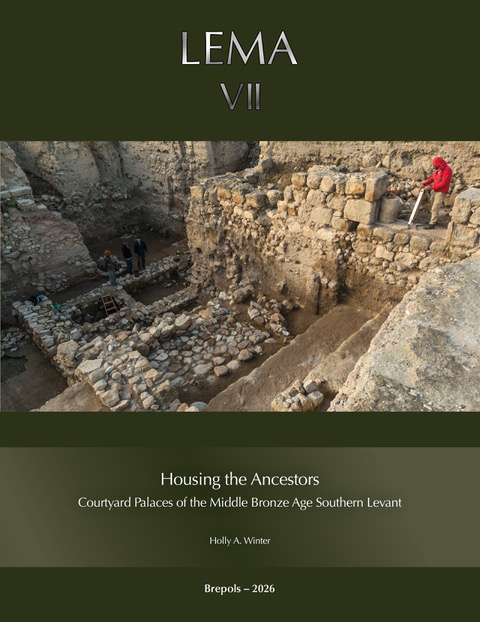

 Invisible Labour in Antiquity
Visualizing Obscure Work in the Ancient Mediterannean and West Asia
Volume 1
 Language and Power in the Roman Empire and Early India
Hierarchy, Ambiguity, and the Art of Reading the Signs in Cosmopolitan Cultures
 Late Antique villae in the Balkans (3rd–7th c. AD): Current Research Questions and Perspectives
HAEMUS Companion to the Late Antique Balkans 1
Volume 4


 Nurturing the Elite
Representations of Drinking, Eating, and Religious Vessels in Palmyrene Funerary Iconography
Volume 13


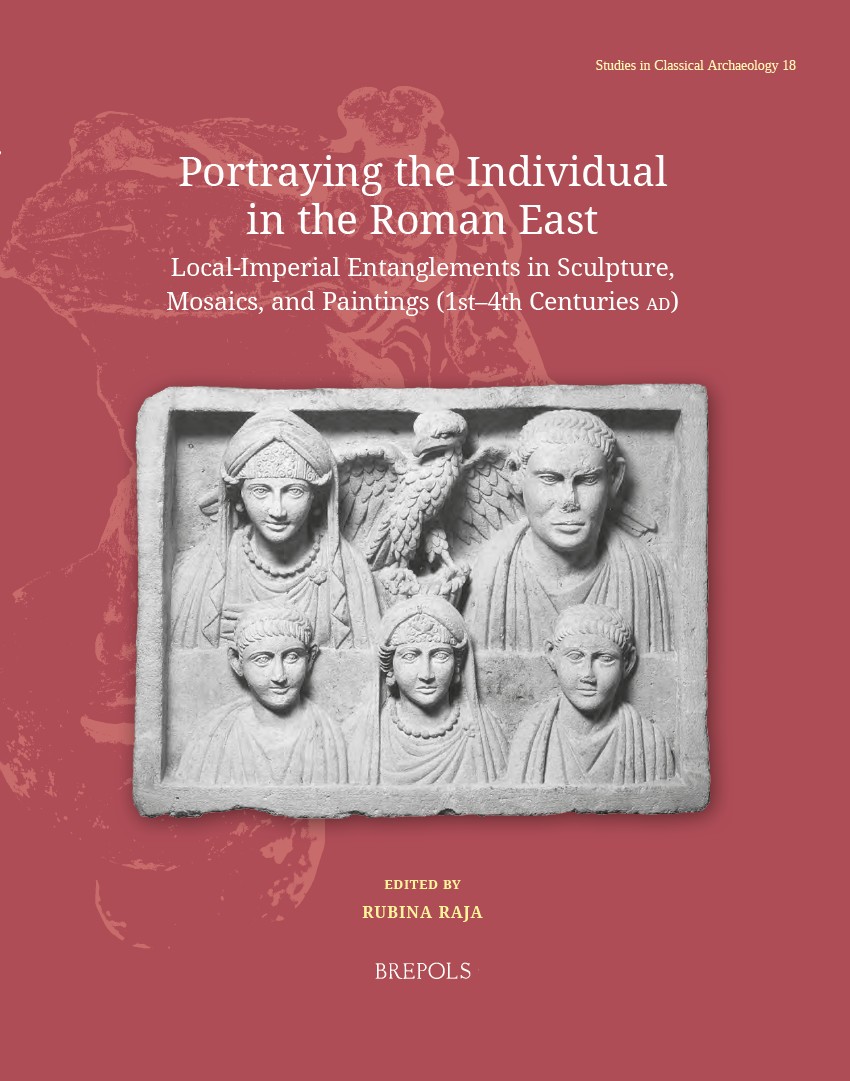 Portraying the Individual in the Roman East
Local–Imperial Entanglements in Sculpture, Mosaics, and Paintings (First–Fourth Centuries AD)
Volume 18

 Small Worlds and Relational Agencies: Local Societies in Early Medieval Iberia
Pequeños mundos y Agencias relacionales: Sociedades locales altomedievales en la Península Ibérica

 The Compositional History of the Book of Kings
An Analysis of the Evaluative Frameworks in 1 Kings 14–2 Kings 25


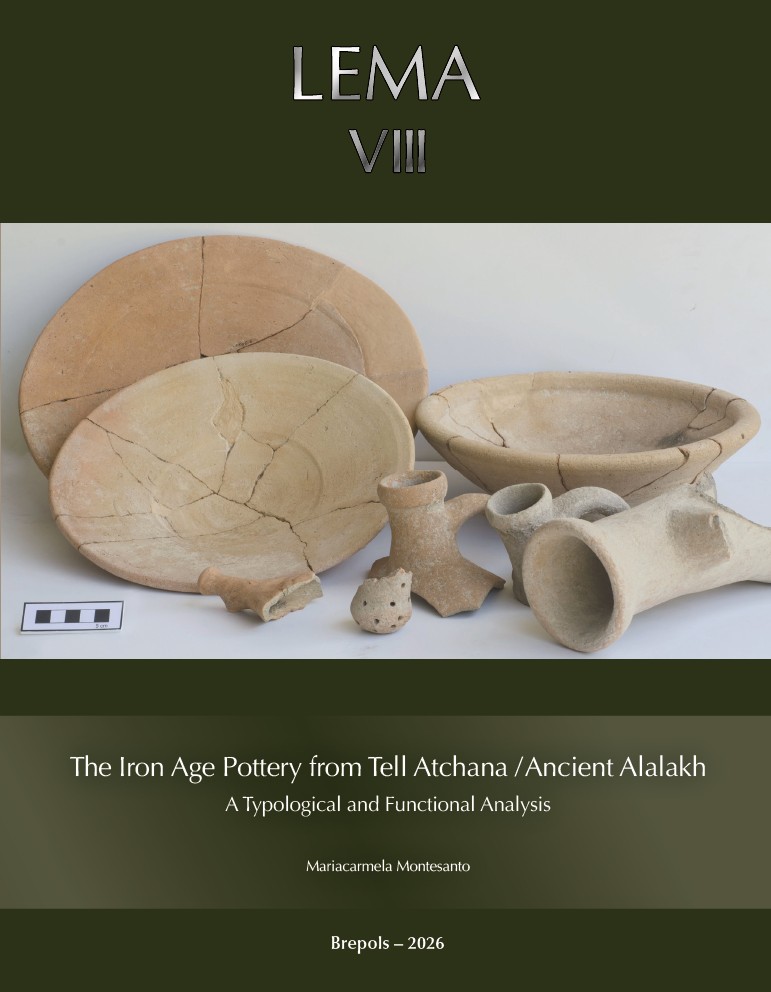 The Iron Age Pottery from Tell Atchana / Ancient Alalakh
A Typological and Functional Analysis
Volume 8

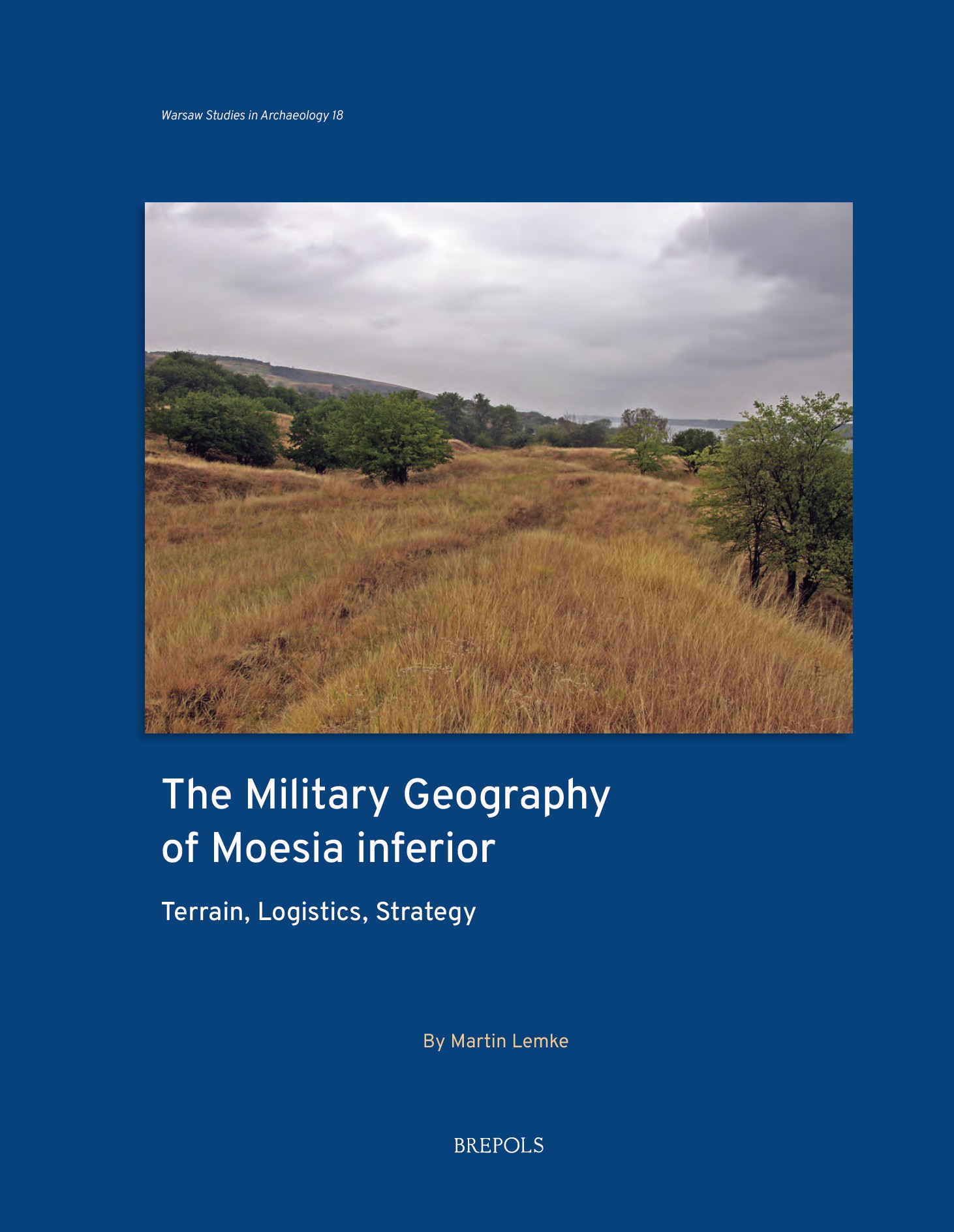

 Visual Memory and Oblivion
Monuments and Conflicts in Urban Spaces in Central and Eastern Europe from the Nineteenth Century to the Present Day
