
A Baroque Jesuit’s Encounter with the Qur’an
An Examination of Ignazio Lomellini's, S. J., Animadversiones, Notae ac Disputationes in Pestilentem Alcoranum
by Paul Shore

Very little is known about the origins of Animadversiones, Notae ac Disputationes in Pestilentem Alcoranum, a manuscript of 323 two-sided folios composed by the Jesuit Ignazio Lomellini (born around 1560 in Genoa, died 1645 in Rome), housed in the library of the University of Genoa (Ms A-IV-4) and bearing the date 1622. This document is a unique surviving exemplar of the oldest translation of the Qur’an into a Western European language to include the complete Arabic text. Moreover, it contains a detailed commentary consisting generally of attempts by the author to refute or discredit the Qur’an and the Prophet Mohammed as well as numerous marginalia. The significance of this work derives both from its early place among transcriptions, translations and commentaries of the entire Qur’an undertaken by Western Christians and because of the high quality of the translation itself. The work is also a unique window into the training and attitudes of Jesuit missionaries and writers engaging with Islam during the early modern period, and thus sheds light on subsequent representations of Muslims and Islam in Jesuit homiletics, drama, and visual art. The book contains a thorough discussion of Lomellini’s principles of translation, his coping with problematic Arabic passages and words, and the manifold sources on which the author relied. In addition, and as an example for Lomellini’s translation technique, an analysis and a full transcription of the Latin text of Sura 18 (“The Cave”) is provided.
- By (author) Paul Shore
Other Titles in this Series
 Ludovico Marracci at work
The evolution of his Latin translation of the Qur?an in the light of his newly discovered manuscripts. With an edition and a comparative linguistic analysis of Sura 18
Volume 1
 Masa’il ‘Abdallah ibn Salam (Doctrina Mahumet)
Kritische Edition des arabischen Textes mit Einleitung und Ubersetzung
Volume 2
Similar Books
 ‘For You I Study, For You I Work, For You I Live, For You I Am Ready To Even Give My Life’
Essays in Honour of Francis (Frank) J Moloney, SDB


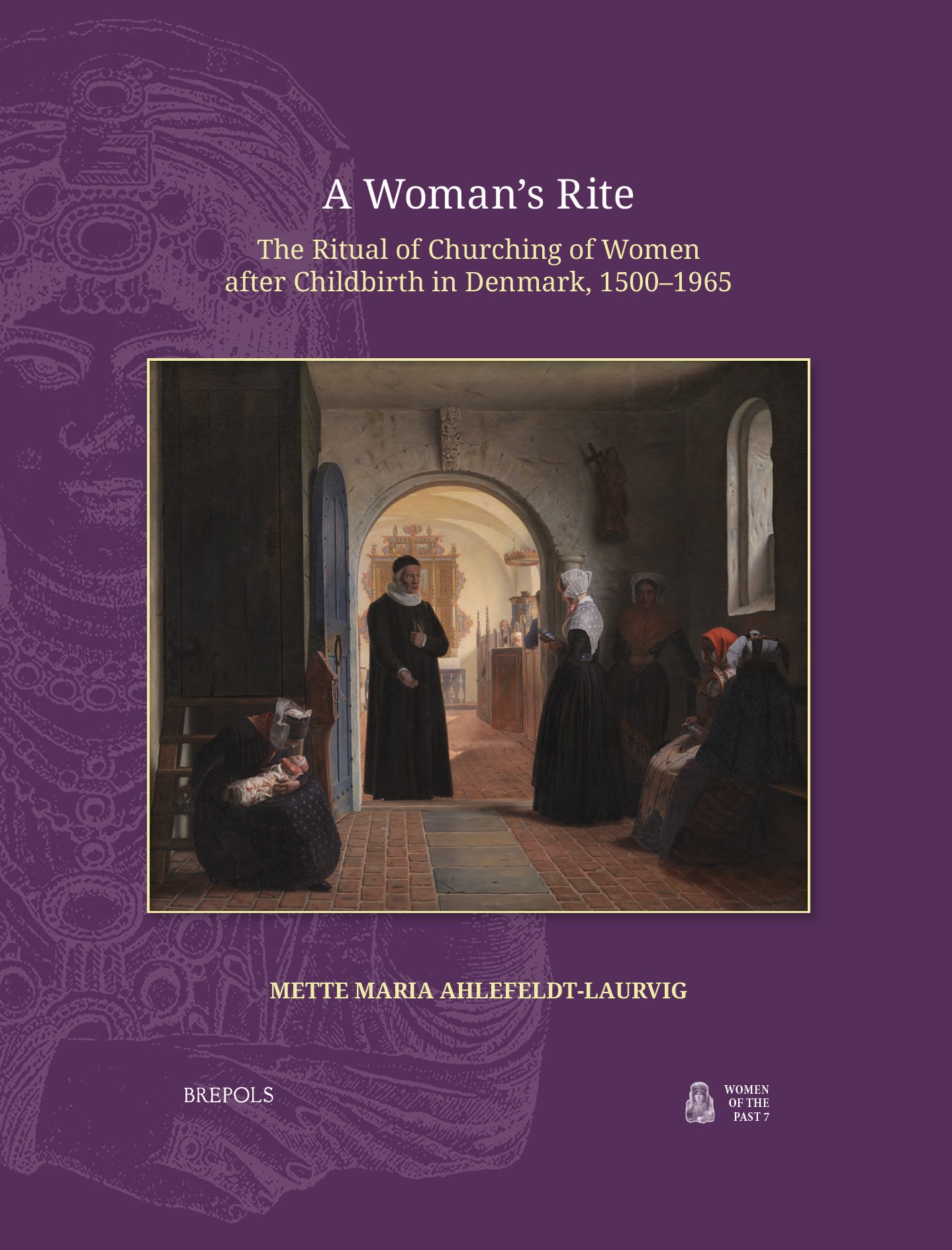


 Ars Prophetica
Theology in the Poetry of Twentieth-Century Hebrew Poets Avraham Halfi, Shin Shalom, Amir Gilboa, and T. Carmi
 As Messianism Turns to Heresy
The Regenstein Chair Lectures On Lurianic Kabbalah and Shabbatai Tzevi at Hebrew Union College - Cincinnati
 Balthasar Caymox of Nuremberg
Early Modern German Print Publishers: Popular Prints of the Seventeenth Century


 Beyond Sovereign Courts
Agents and Practices in Early Modern Spanish and Habsburg Diplomacy
Volume 3


 Circulation, Use, Impact
The Consumption of Architectural Books in the Early Modern Eastern Adriatic
Volume 1
 Cities through Time
Glimpses into Urbanity and Community in Mediaeval to Modern West Asia and Egypt
Volume 1

 Councils, Conflicts, Correspondence
Urban Diplomacy in Reval (Tallinn) and Lübeck (c. 1470–1570)
Volume 67
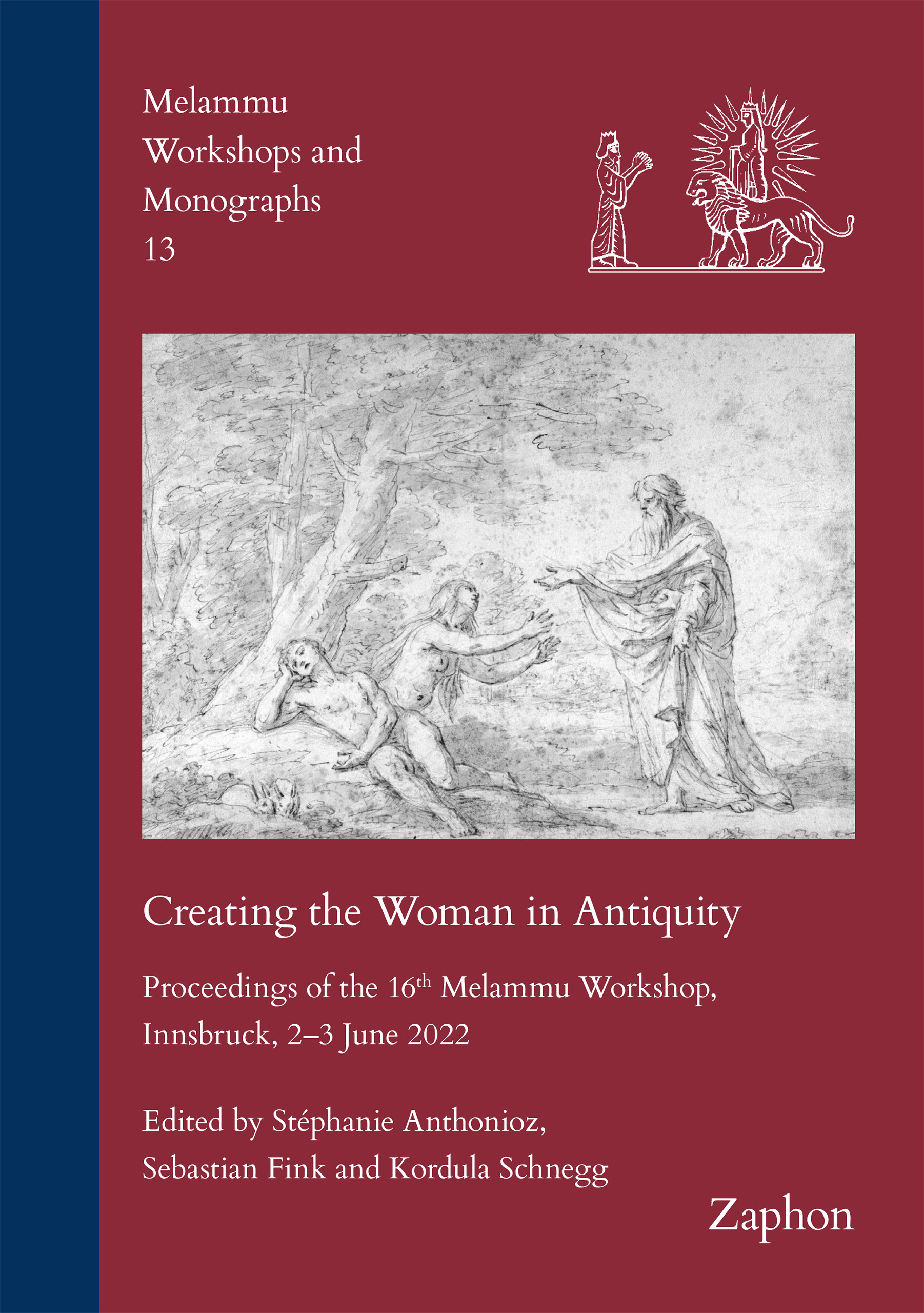 Creating the Woman in Antiquity
Proceedings of the 16th Melammu Workshop, Innsbruck, 2–3 June 2022
Volume 13
 Cuneiform Artefacts from Archaeological Contexts: New Research on Ancient Iraq
Proceedings of a Conference Held at the Bavarian Academy of Sciences and Humanities, July 4–5, 2024
Volume 2


 Drunk the Potion, No Whit Charmed
The Doctrine of Pure and Perfect Souls from Iamblichus to Damascius



 Extracanonical Traditions and the Holy Land
Texts, Rituals, and Material Culture in Late Antique Palestine
 Fear, Fear of God, God-Fearers
Philological and Historical Perspectives on the World of Ancient Judaism and Christianity


