Studies on the Vignettes from Chapter 17 of the Book of the Dead
I: The Image of mś.w Bdšt in Ancient Egyptian Mythology
By (author) Mykola Tarasenko

Paperback (Published)
(November 2016)
ISBN: 9781784914509
6.85 x 9.69 inches
Price: $60.00
In stock
This book is a comprehensive study of the myth of the Egyptian deities ms.w Bdst – ‘Children of Weakness’ – and the scene depicting the cat, cutting off the head of the serpent under the branches of the isd-tree found on a number of Book of the Dead chapter 17 vignettes.
Among the numerous deities in the ancient Egyptian mythology, whose nature and function are still vague and obscure, are ms.w Bdst – ‘Children of Weakness’. These beings are twice mentioned in the Book of the Dead chapter 17. The text fragments contain two local versions of the myth with ms.w Bdst – Hermopolitan (Urk. V: Abs. 1), and Heliopolitan (Urk. V: Abs. 22). Since the last text describes the combat between Re and the ‘Children of Weakness’, the same is likely to be reflected on the vignette, which depicts the battle of Re against ms.w Bdst, metaphorically shown in the form of a serpent. This book is a comprehensive study of the ‘Children of Weakness’ myth and the scene depicting the cat, cutting off the head of the serpent under the branches of the isd-tree found on the number of Book of the Dead chapter 17 vignettes.
Preface
Chapter 1: The scene with the cat, serpent and sacred tree, 19th–21st Dynasties
Chapter 2: Correlation between text and visual image
Chapter 3: Mś.w Bdšt – the sources and the plot
Chapter 4: Mś.w Bdšt in the context of BD 175A, BD 123, CT Sp. 409, pBrooklyn 47.218.84 and the Book of Heavenly Cow – the Cosmogonic myth dénouement
Chapter 5: Mś.w Bdšt in the Book of Gates
Chapter 6: Mś.w Bdšt – the name and the image
Chapter 7: Essence of mś.w Bdšt in the Egyptian world view
Conclusion
Appendix 1: Catalogue of sources
Appendix 2: Selected texts
Abbreviations
Bibliography
Dr Mykola Tarasenko is a Senior Fellow at the А. Yu. Krymskyi Institute of Oriental Studies of the National Academy of Sciences of Ukraine, Kyev. His research area is focused on the studies of illustrative tradition of the Ancient Egyptian Book of the Dead, and specifically the vignettes of spell 17. In 2007 he was awarded the fellowship grant of the Deutscher Akademischer Austauschdienst (DAAD) for the study course at the ‘Bonn Book of the Dead Project’ (Bonn Totenbuchprojekt). In 2014 he won the fellowship grant of the Stiftungsfonds für Postgraduates der Ägyptologie (Vienna, Austria). The current book is the result of his work within these Fellowships Projects.
- By (author) Mykola Tarasenko
Other Titles in this Series
 Religious Practice and Cultural Construction of Animal Worship in Egypt from the Early Dynastic to the New Kingdom
Ritual Forms, Material Display, Historical Development

 ‘Blood Is Thicker Than Water’ – Non-Royal Consanguineous Marriage in Ancient Egypt
An Exploration of Economic and Biological Outcomes
 The Human Brain in Ancient Egypt
A Medical and Historical Re-evaluation of Its Function and Importance


 Body, Cosmos and Eternity
New Trends of Research on Iconography and Symbolism of Ancient Egyptian Coffins
 Chronological Developments in the Old Kingdom Tombs in the Necropoleis of Giza, Saqqara and Abusir
Toward an Economic Decline during the Early Dynastic Period and the Old Kingdom


 Egypt 2015: Perspectives of Research
Proceedings of the Seventh European Conference of Egyptologists (2nd-7th June, 2015, Zagreb – Croatia)
 Compulsion and Control in Ancient Egypt
Proceedings of the Third Lady Wallis Budge Egyptology Symposium


 Environment and Religion in Ancient and Coptic Egypt: Sensing the Cosmos through the Eyes of the Divine
Proceedings of the 1st Egyptological Conference of the Hellenic Institute of Egyptology: 1-3 February 2017
 Prepared for Eternity
A study of human embalming techniques in ancient Egypt using computerised tomography scans of mummies
Similar Books





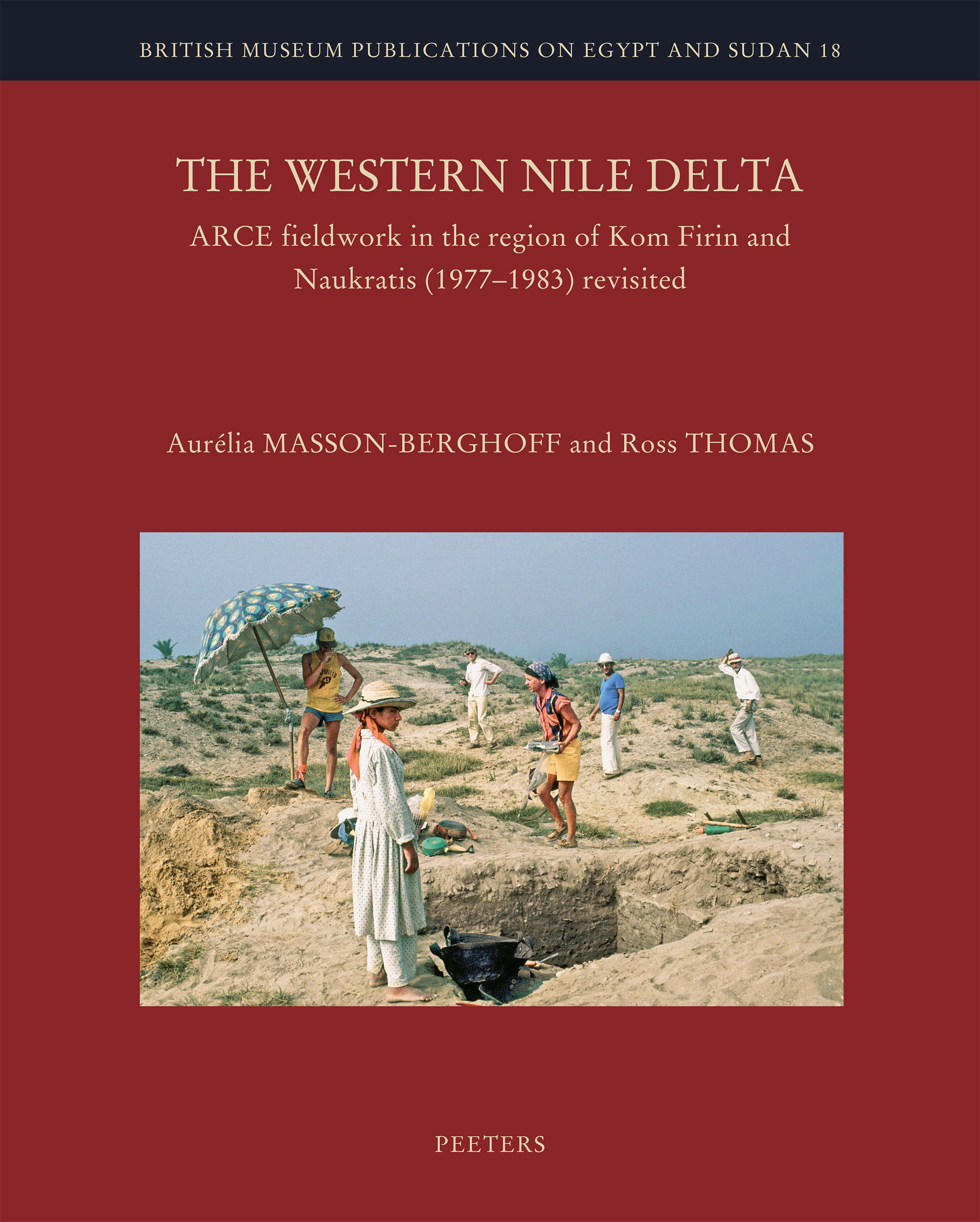 The Western Nile Delta
ARCE Fieldwork in the Region of Kom Firin and Naukratis (1977-1983) Revisited
 Archaeological Discoveries at the Temple of Ramesses II in Abydos
Vol. 2: Old Kingdom Wall, Papyri, Ostraca, and Leather Remains

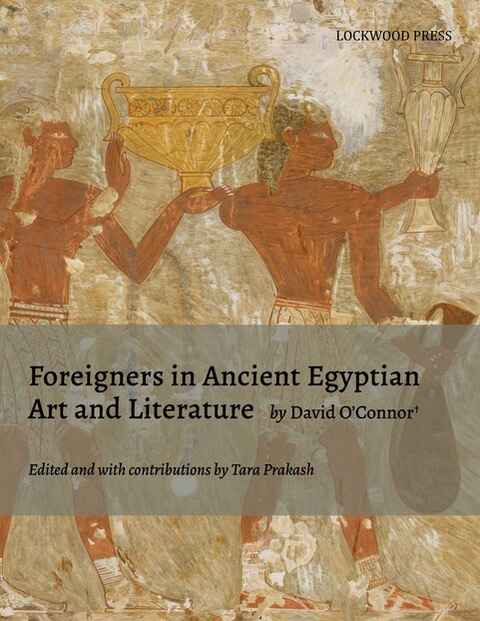


 The Southern Room of Amun in the Temple of Hatshepsut
Volume 2: Studies on Decoration and Ritual Function
Volume 11

 Die Ägyptenworte im Ezechielbuch
Eine literarhistorische und religionsgeschichtliche Analyse von Ez 29–32
 Du côté de chez Zeus
Fouilles de la Mission archéologique française du désert Oriental à Abû Qurayya (Dios) et Bi’r Bayza (y inclus O.Dios I 1-67)
Volume 98
 La littérature de l’Égypte ancienne. Volume V
Nouvel Empire : XVIIIe dynastie. Eulogies et narrations royales, contes, enseignements et littérature d’idée
 Lehrreiche Literatur
Die didaktische Gestaltung von Plutarchs Quaestiones Graecae und Romanae und Gellius' Noctes Atticae

 Nouvelles perspectives sur le Traité anonyme du Codex Bruce. New Perspectives on the Untitled Treatise of the Bruce Codex
(Colloque international, Québec, Université Laval, 13 avril 2018)
Volume 11


 Ägypten und Levante XXXIV / Egypt and the Levant XXXIV (2024)
Internationale Zeitschrift für ägyptische Archäologie und deren Nachbargebiete / International Journal for Egyptian Archaeology and Related Disciplines

 Ancient Egypt in 50 Discoveries
Highlights from the first century of the Egypt Exploration Society
Volume 8
 Archaeological Discoveries at the Temple of Ramesses II in Abydos
Vol. 1: Magazines, Animal Burials, and Miscellanea
 Building an 18th Dynasty Tomb at Thebes
Construction Records from Mery's Funerary Complex (TT 95) in Context
Volume 4

 Current Research in Egyptology 2024
Proceedings of the Twenty-Fourth Annual Symposium, Jointly Organised by the University of Liverpool, Swansea University, University of Birmingham, University of Oxford, and University of Wales Trinity Saint David, 2–6 September 2024

 From Egypt to the Levant and Beyond
African Individuals and Groupsain Cuneiform Texts from the Late Bronze Age
Volume 133