The Ancient Egyptian Book of the Moon: Coffin Texts Spells 154–160
By (author) Gyula Priskin

Paperback (Published)
(June 2019)
ISBN: 9781789691986
6.85 x 9.69 inches
Price: $48.00
On back order
This book proposes that Coffin Texts spells 154–160, recorded at the beginning of the 2nd millennium BCE, form the oldest composition about the moon in ancient Egypt and, indeed, the world. Based on a new translation, the detailed analysis of these spells reveals that they provide a chronologically ordered account of the phenomena of a lunar month.
‘The Ancient Egyptian Book of the Moon: Coffin Texts Spells 154–160’ argues that Coffin Texts spells 154–160, recorded at around the beginning of the 2nd millennium bce, form the oldest composition about the moon in ancient Egypt and in the whole world. The detailed analysis of these spells, based on a new translation, reveals that the spells provide a chronologically ordered account of the phenomena that happen during a lunar month. It is argued that through a wide variety of mythological allusions, the separate texts – after an introduction which explains the origins of the month (spell 154) – describe the successive stages of the monthly cycle: the period of invisibility (spell 155), waxing (spell 156), events around the full moon (spell 157), waning (spell 158), the arrival of the last crescent at the eastern horizon (spell 159), and again the conjunction of the sun and the moon when a solar eclipse can occur (spell 160). After highlighting the possible lunar connotations of each spell, further chapters in the book investigate the origins of the composition, its different manuscripts preserved on coffins coming from Hermopolis and Asyut, and the survival of the spells in the later mortuary collection known as the Book of Going Forth by Day.
GYULA PRISKIN obtained an MA in English language and literature from the University of Szeged, and started working as a language teacher in the early 1990s. For fifteen years he taught English at the business college in his hometown, Békéscsaba, Hungary. In the 1990s he became interested in ancient Egypt and has been publishing his research in various journals since 1998. Lately his main focus of enquiry has been on astral myths, especially the role and significance of the moon in ancient Egypt. In 2012 he received an MA in Egyptology from Eötvös Loránd University, Budapest, and now he also holds a PhD in the discipline from the same institution. Since 2016 he has been working as a teaching assistant at the Department of Ancient History, University of Szeged.
- By (author) Gyula Priskin
Other Titles in this Series
 Rise of the Hyksos
Egypt and the Levant from the Middle Kingdom to the Early Second Intermediate Period
 I templi del Fayyum di epoca tolemaico-romana: tra fonti scritte e contesti archeologici
Per una classificazione degli edifici sacri nell’Egitto tolemaico e romano
 The Family of Pa-di-Amun-neb-nesut-tawy from Thebes (TT 414) Revisited
The Case Study of Kalutj/Nes-Khonsu (G108 + G137)


 The Production, Use and Importance of Flint Tools in the Archaic Period and the Old Kingdom in Egypt


 ‘Blood Is Thicker Than Water’ – Non-Royal Consanguineous Marriage in Ancient Egypt
An Exploration of Economic and Biological Outcomes
 Australasian Egyptology Conference 4
Papers from the Fourth Australasian Egyptology Conference Dedicated to Gillian E. Bowen

 Religious Practice and Cultural Construction of Animal Worship in Egypt from the Early Dynastic to the New Kingdom
Ritual Forms, Material Display, Historical Development


 The Human Brain in Ancient Egypt
A Medical and Historical Re-evaluation of Its Function and Importance


 Studies on the Vignettes from Chapter 17 of the Book of the Dead
I: The Image of mś.w Bdšt in Ancient Egyptian Mythology


 Body, Cosmos and Eternity
New Trends of Research on Iconography and Symbolism of Ancient Egyptian Coffins
 Chronological Developments in the Old Kingdom Tombs in the Necropoleis of Giza, Saqqara and Abusir
Toward an Economic Decline during the Early Dynastic Period and the Old Kingdom


Similar Books





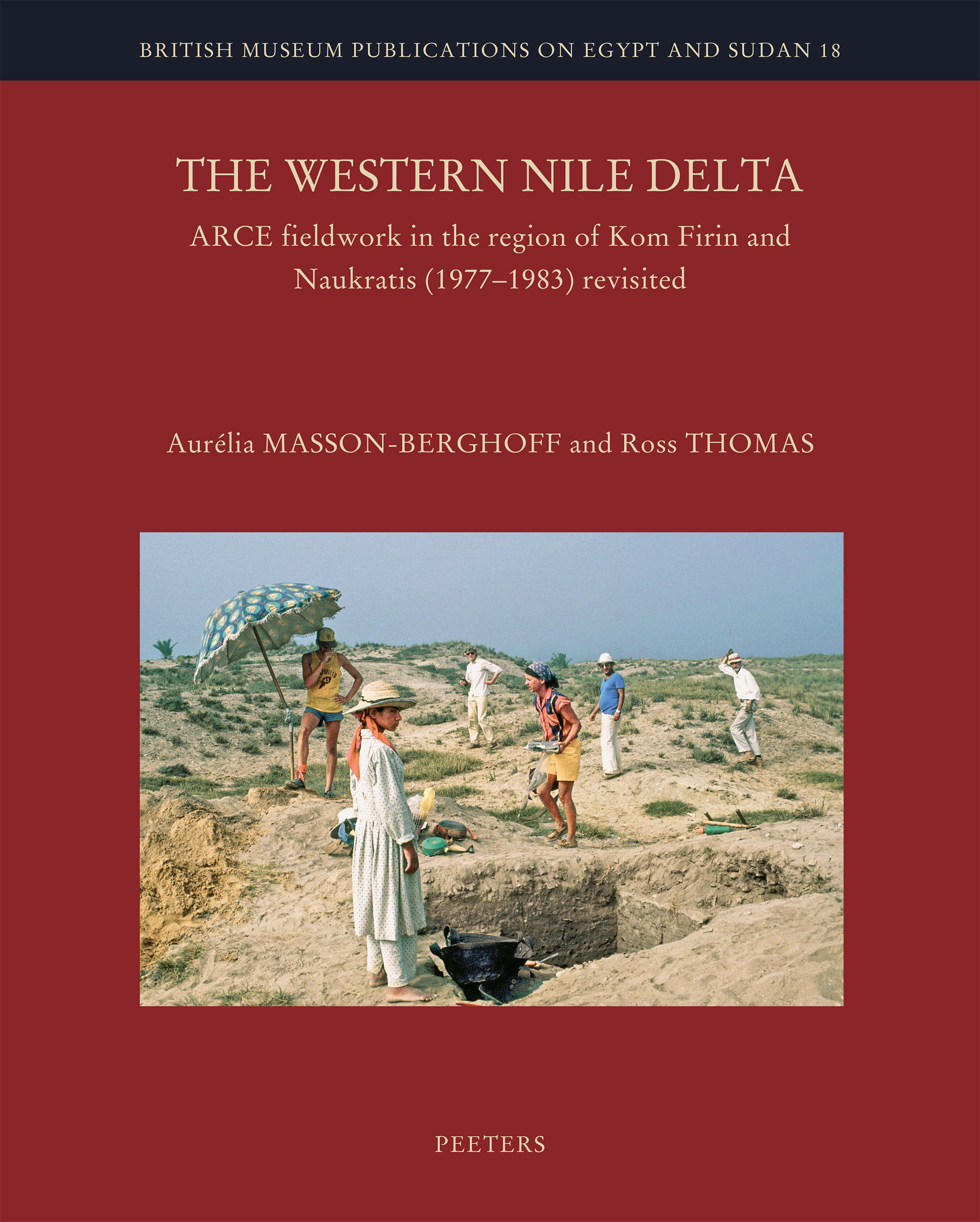 The Western Nile Delta
ARCE Fieldwork in the Region of Kom Firin and Naukratis (1977-1983) Revisited
 Archaeological Discoveries at the Temple of Ramesses II in Abydos
Vol. 2: Old Kingdom Wall, Papyri, Ostraca, and Leather Remains

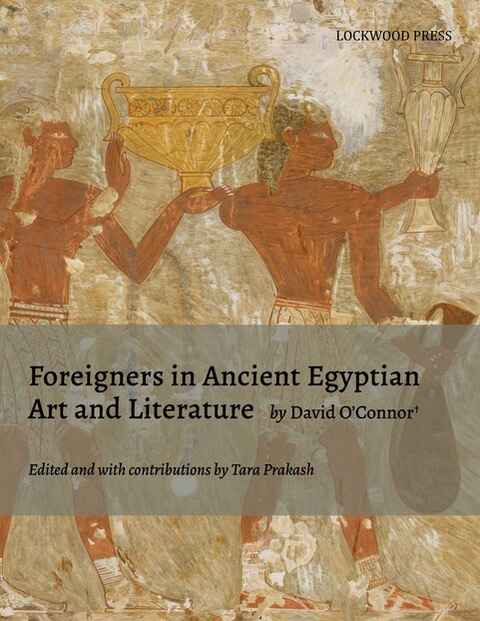


 The Southern Room of Amun in the Temple of Hatshepsut
Volume 2: Studies on Decoration and Ritual Function
Volume 11

 Die Ägyptenworte im Ezechielbuch
Eine literarhistorische und religionsgeschichtliche Analyse von Ez 29–32
 Du côté de chez Zeus
Fouilles de la Mission archéologique française du désert Oriental à Abû Qurayya (Dios) et Bi’r Bayza (y inclus O.Dios I 1-67)
Volume 98
 La littérature de l’Égypte ancienne. Volume V
Nouvel Empire : XVIIIe dynastie. Eulogies et narrations royales, contes, enseignements et littérature d’idée
 Lehrreiche Literatur
Die didaktische Gestaltung von Plutarchs Quaestiones Graecae und Romanae und Gellius' Noctes Atticae

 Nouvelles perspectives sur le Traité anonyme du Codex Bruce. New Perspectives on the Untitled Treatise of the Bruce Codex
(Colloque international, Québec, Université Laval, 13 avril 2018)
Volume 11


 Ägypten und Levante XXXIV / Egypt and the Levant XXXIV (2024)
Internationale Zeitschrift für ägyptische Archäologie und deren Nachbargebiete / International Journal for Egyptian Archaeology and Related Disciplines

 Ancient Egypt in 50 Discoveries
Highlights from the first century of the Egypt Exploration Society
Volume 8
 Archaeological Discoveries at the Temple of Ramesses II in Abydos
Vol. 1: Magazines, Animal Burials, and Miscellanea
 Building an 18th Dynasty Tomb at Thebes
Construction Records from Mery's Funerary Complex (TT 95) in Context
Volume 4

 Current Research in Egyptology 2024
Proceedings of the Twenty-Fourth Annual Symposium, Jointly Organised by the University of Liverpool, Swansea University, University of Birmingham, University of Oxford, and University of Wales Trinity Saint David, 2–6 September 2024


 From Egypt to the Levant and Beyond
African Individuals and Groupsain Cuneiform Texts from the Late Bronze Age
Volume 133