
Excavations in the Plain of Antioch III
Stratigraphy, Pottery, and Small Finds from Chatal Hoyuk in the Amuq Plain
by Marina Pucci

Final report of the four archaeological campaigns carried out at the site of Chatal Hoyuk in the Amuq (currently Hatay, Turkey). Includes many previously unpublished materials. The material culture here traces changes and continuity in the site’s domestic activities, and shifts in cultural contacts and community identity. Two-volume set.
These volumes present the final report of the four archaeological campaigns carried out by the Oriental Institute at the site of Chatal Hoyuk in the Amuq (currently Hatay, Turkey) under the directorship of Ian McEwan and Robert Braidwood, more than eighty years after their field operations. The excavation’s documents (daily journals, original drawings, photos, lists of objects, and letters) stored in the Oriental Institute Archives, as well as the approximately 13,000 small finds and pottery sherds from the site currently kept at the Oriental Institute Museum, provided the necessary dataset for the analysis presented here. This dataset allowed the author to reconstruct the life of a village which survived the political turmoil in the period from the Late Bronze Age to the end of the Iron Age (16th-6th centuries bc). If Chatal Hoyuk was during the Late Bronze Age a village in the provincial part of a large empire (Hittite), it became a large independent town in a small but powerful new political entity (Walistin) during the Iron Age I and II, before being conquered by the Assyrian Empire. In this extended publication of small finds and pottery, many previously unpublished materials are made available to both general readers and scholars for the first time. The material culture discussed and analyzed here offers the chance to trace changes and continuity in the site’s domestic activities, to point out shifts in cultural contacts over a long period of time, and to monitor the construction of a new community identity.
- By (author) Marina Pucci
Other Titles in this Series


 The Origins of State Organisations in Prehistoric Highland Fars, Southern Iran
Excavations at Tall-e Bakun
Volume 128
 Old Babylonian Public Buildings in the Diyala Region. Part One
Excavations at Ishchali, Part Two: Khafajah Mounds B, C, and D.
Volume 98

 Kerkenes Special Studies 1
Sculpture and Inscriptions from the Monumental Entrance to the Palatial complex at Kerkenes, Turkey
Volume 135


 Town and Country in Southeastern Anatolia, Volume 1
Settlement and Land Use at Kurban Hoyuek and Other Sites in the Lower Karababa Basin
Volume 109
 The Oriental Institute Hawara Papyri
Demotic and Greek Texts from an Egyptian Family Archive in the Fayum (Fourth to Third Century B.C.
Volume 113
 The Archaeology and Geography of Ancient Transcaucasian Societies, Volume I
The Foundations of Research and Regional Survey in the Tsaghkahovit Plain, Armenia
Volume 134


 Cuneiform Texts from the Ur III Period in the Oriental Institute, Volume 1
Drehem Administrative Documents from the Reign of Shulgi
Volume 115
 Medinet Habu IX
The Eighteenth Dynasty Temple, Part 1: The Inner Sanctuaries, with Translations of Texts, Commentary and Glossary
Volume 136
 Excavations in the Plain of Antioch. Volume II
The Structural Remains of the Later Phases: Chatal Hueyuek, Tell Al-Judaidah, and Tell Tayinat
Volume 95
 Theban Desert Road Survey in the Egyptian Western Desert, Volume 1
Gebel Tjauti Rock Inscriptions 1-45 and Wadi el-Hol Rock Inscriptions 1-45
Volume 119

 Reliefs and Inscriptions at Luxor Temple, Volume 2
The Facade, Portals, Upper Register Scenes, Columns, Marginalia, and Statuary in the Colonnade Hall
Volume 116


 Cuneiform Texts from the Ur III Period in the Oriental Institute, Volume 2
Drehem Administrative Documents from the Reign of Amar-Suena
Volume 121
 Early Megiddo on the East Slope (The ‘Megiddo Stages’)
A Report on the Early Occupation of the East Slope of Megiddo. Result of the Oriental Institute's Excavations, 1925-1933
Volume 139

Similar Books



 Caesar’s Visions and Impact on the Roman Empire
Revisiting the Archaeological and Historical Record of the 40s BC
Volume 2

 Connecting the Dots: Counting, Writing, and the Beginnings of Civilization
The Secret Lives of Clay Tokens: A Memoir


 Etruscan and Roman Hellenistic Anatomical ex votos
Reassessing Popular Religious Expressions in Central Italy
Volume 8

 Exploring Gender Dynamics across the Ancient Near East
Collected Essays of Gender and Methodology in the Ancient Near East (GeMANE) 4 and 5
Volume 7


 Ḫattušaš utnē išḫameški
Hittite and Other Ancient Near Eastern Studies Presented to Piotr Taracha on the Occasion of His 65th Birthday


 Invisible Labour in Antiquity
Visualizing Obscure Work in the Ancient Mediterannean and West Asia
Volume 1
 Late Antique villae in the Balkans (3rd–7th c. AD): Current Research Questions and Perspectives
HAEMUS Companion to the Late Antique Balkans 1
Volume 4

 New Research on Old Collections in Southwest Asian Archaeology
Proceedings of the Workshop Held at the British Museum, London, 31 July – 2 August, 2023
 Old Aramaic Inscriptions and their Contexts
An Epigraphic, Archaeological, and Historical Synthesis
Volume 63


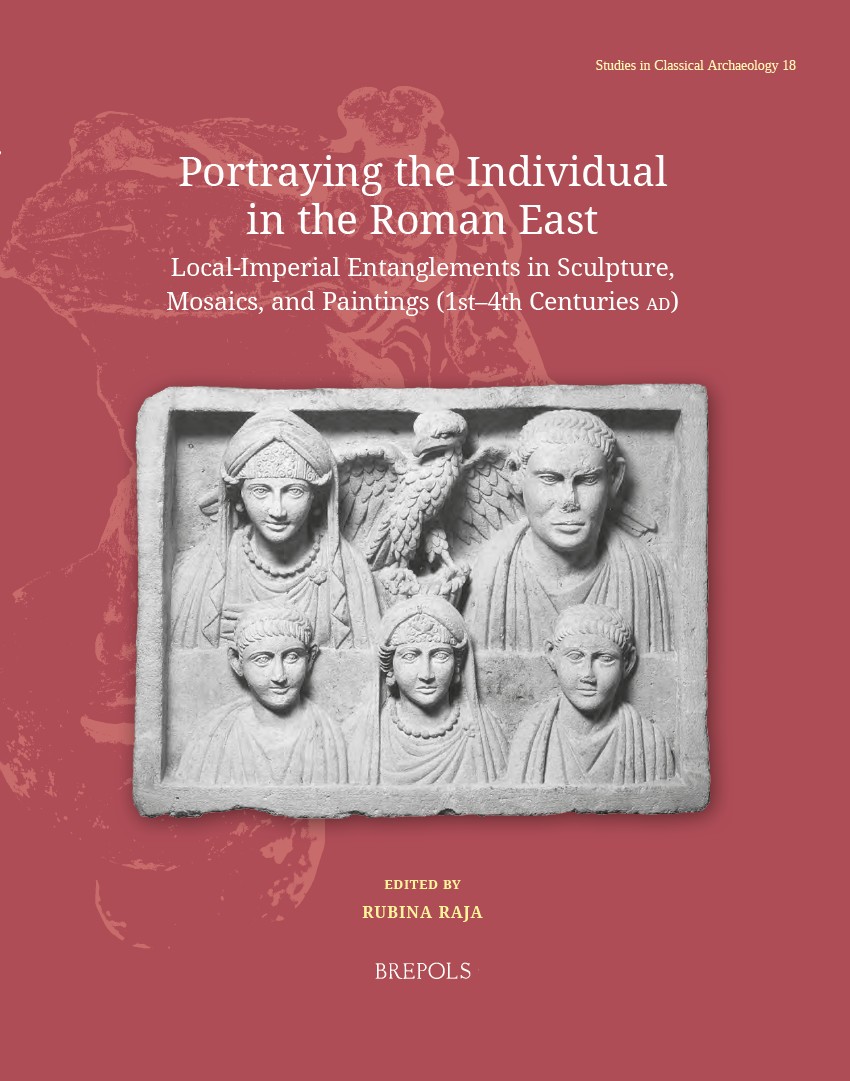 Portraying the Individual in the Roman East
Local–Imperial Entanglements in Sculpture, Mosaics, and Paintings (First–Fourth Centuries AD)
Volume 18
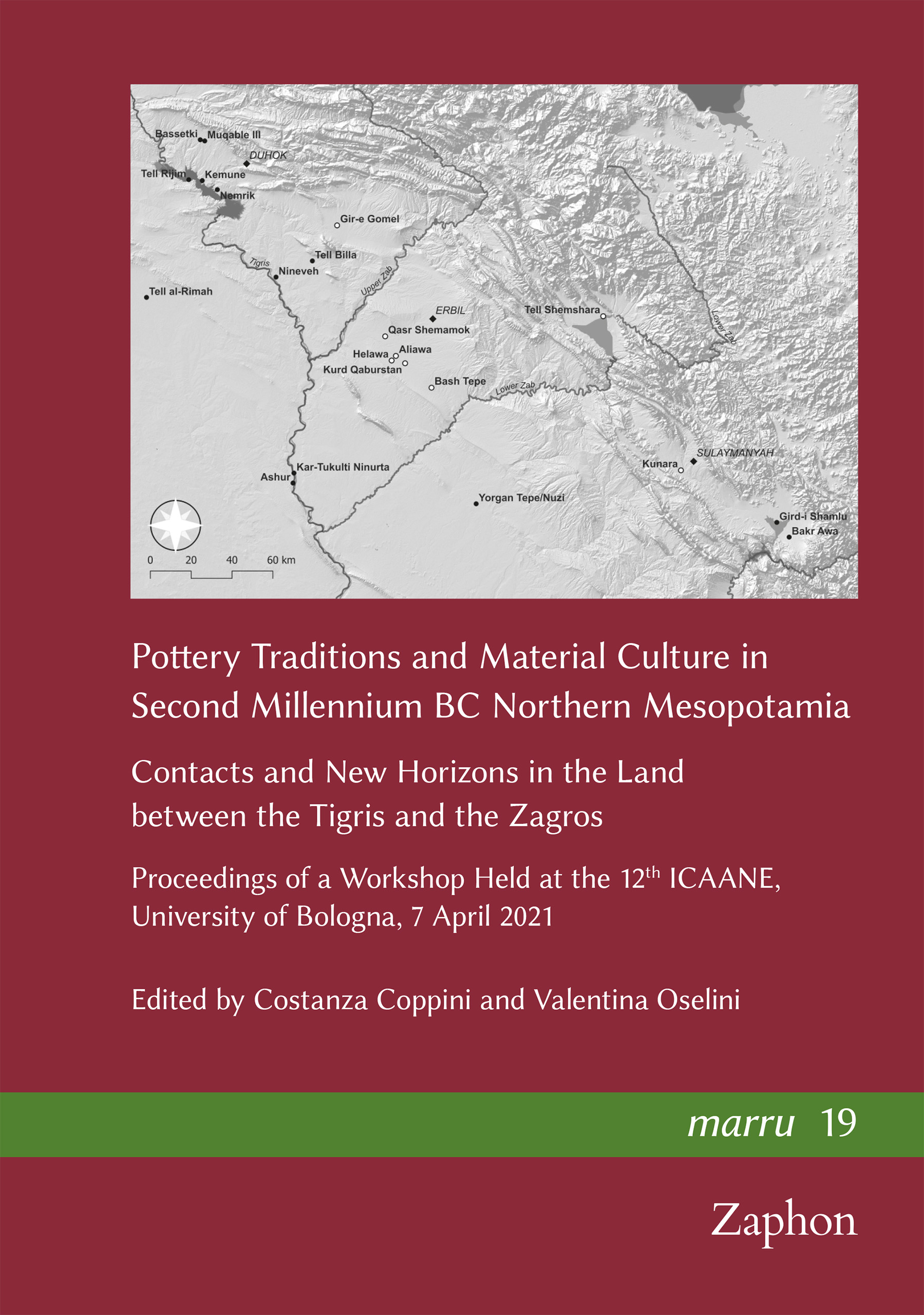 Pottery Traditions and Material Culture in Second Millennium BC Northern Mesopotamia
Contacts and New Horizons in the Land between the Tigris and the Zagros. Proceedings of a Workshop Held at the 12th ICAANE, University of Bologna, 7 April 2021
Volume 19
 Punning in Odd or Elegant Constructions in Jeremiah
The Convergence of Linguistics, Rhetoric, and Textuality in the Hebrew Text of Jeremiah

 Shame in the Worlds of the Hebrew Bible and Akkadian Texts
A Linguistic Study and Its Implications
Volume 33
 Small Worlds and Relational Agencies: Local Societies in Early Medieval Iberia
Pequeños mundos y Agencias relacionales: Sociedades locales altomedievales en la Península Ibérica
 Telling Contexts
Archaeological and Textual Studies in Honor of Elizabeth Bloch-Smith and Mark S. Smith
 The Body
Lived, Cultured, Adorned: Essays on Dress and the Body in the Bible and Ancient Near East in Honor of Nili S. Fox
 The Discourse of Rites
Shaping and Reshaping the (Counter-)Priestly Rituals Conducted Outside the Tabernacle
