
Ptolemais
City of the Libyan Pentapolis
by Carl H. Kraeling

Presents detailed excavation reports on a villa of the early Roman period, a public building on the Street of the Monuments and the City Bath of the Byzantine period and also attempts a survey of Ptolemais of the Libyan Pentapolisas a whole.
Ptolemais of the Libyan Pentapolis was founded in the second half of the third century B.C., probably early in the reign of Ptolemy III, on a site that had already been occupied for almost three centuries by the anonymous ‘harbor at Barca.’ Extensive remains of Ptolemais have always been visible and a careful plan of them was made by the Beechey brothers in 1822. Between 1935 and 1942 a number of sites including the Street of the Monuments, the Square of the Cisterns, the Palazzo delle Colonne, the Fortress Church, and the Tower Tomb were cleared and studied by the Italians under Professor Giacomo Caputo; and three more buildings, a villa of the early Roman period, a public building on the Street of the Monuments and the City Bath of the Byzantine period, were examined in detail by the Oriental Institute of Chicago under Professor Carl Kraeling between 1956 and 1958. The purpose of the present volume is twofold: to present detailed excavation reports on these last three buildings, and also to attempt a survey of Ptolemais as a whole on the basis of a thorough re-examination of the site carried out by the Institute. This was something well worth doing and generally speaking it has been well done. Even if some of the conclusions reached here must inevitably be regarded as provisional, we now have a broad and solid foundation on which future investigators can build, and for which they will be grateful. [From a review by D. E. L. Haynes in the Journal of Egyptian Archaeology 52 (1966) 195].
- By (author) Carl H. Kraeling
Other Titles in this Series
 Cuneiform Texts from the Ur III Period in the Oriental Institute, Volume 2
Drehem Administrative Documents from the Reign of Amar-Suena
Volume 121
 Early Megiddo on the East Slope (The ‘Megiddo Stages’)
A Report on the Early Occupation of the East Slope of Megiddo. Result of the Oriental Institute's Excavations, 1925-1933
Volume 139

 On the Margin of the Euphrates
Settlement and Land Use at Tell es-Sweyhat and in the Upper Tabqa Area, Syria
Volume 124

 Excavations at the prehistoric mound of Chogha Bonut, Khuzestan, Iran
Seasons 1976/77, 1977/78, and 1996
Volume 120
 Ancient Settlement Systems and Cultures in the Ram Hormuz Plain, Southwestern Iran
Excavations at Tall-e Geser and Regional Survey in the Ram Hormuz Area
Volume 140


 The Temple of Khonsu. Volume II
Scenes and Inscriptions in the Court and the First Hypostyle Hall
Volume 103

 Tell Hamoukar, Volume 1. Urbanism and Cultural Landscapes in Northeastern Syria
The Tell Hamoukar Survey, 1999-2001
Volume 137

 The Amuq Valley Regional Projects, Volume 1
Surveys in the Plain of Antioch and Orontes Delta, Turkey, 1995-2002
Volume 131
 The Archive of Thotsutmis, Son of Panouphis
Early Ptolemaic Ostraca from Deir el Bahari (O. Edgerton)
Volume 146

 Temple of Khonsu, Volume 3
The Graffiti on the Khonsu Temple Roof at Karnak: A Manifestat
Volume 123
 The Egyptian Book of the Dead
Documents in the Oriental Institute Museum at the University of Chicago
Volume 82

 Archaeology of the Bronze Age, Hellenistic, and Roman Remains at an Ancient Town on the Euphrates River
Excavations at Tell Es-Sweyhat, Syria Volume 2
Volume 125

 Reliefs and Inscriptions at Luxor Temple, Volume 1
The Festival Procession of Opet in the Colonnade Hall
Volume 112

 Excavations in the Plain of Antioch III
Stratigraphy, Pottery, and Small Finds from Chatal Hoyuk in the Amuq Plain
Volume 143

 Town and Country in Southeastern Anatolia, Volume II
The Stratigraphic Sequence at Kurban Hoyuk
Volume 110


 The Origins of State Organisations in Prehistoric Highland Fars, Southern Iran
Excavations at Tall-e Bakun
Volume 128
Similar Books
 Archaeological Discoveries at the Temple of Ramesses II in Abydos
Vol. 2: Old Kingdom Wall, Papyri, Ostraca, and Leather Remains



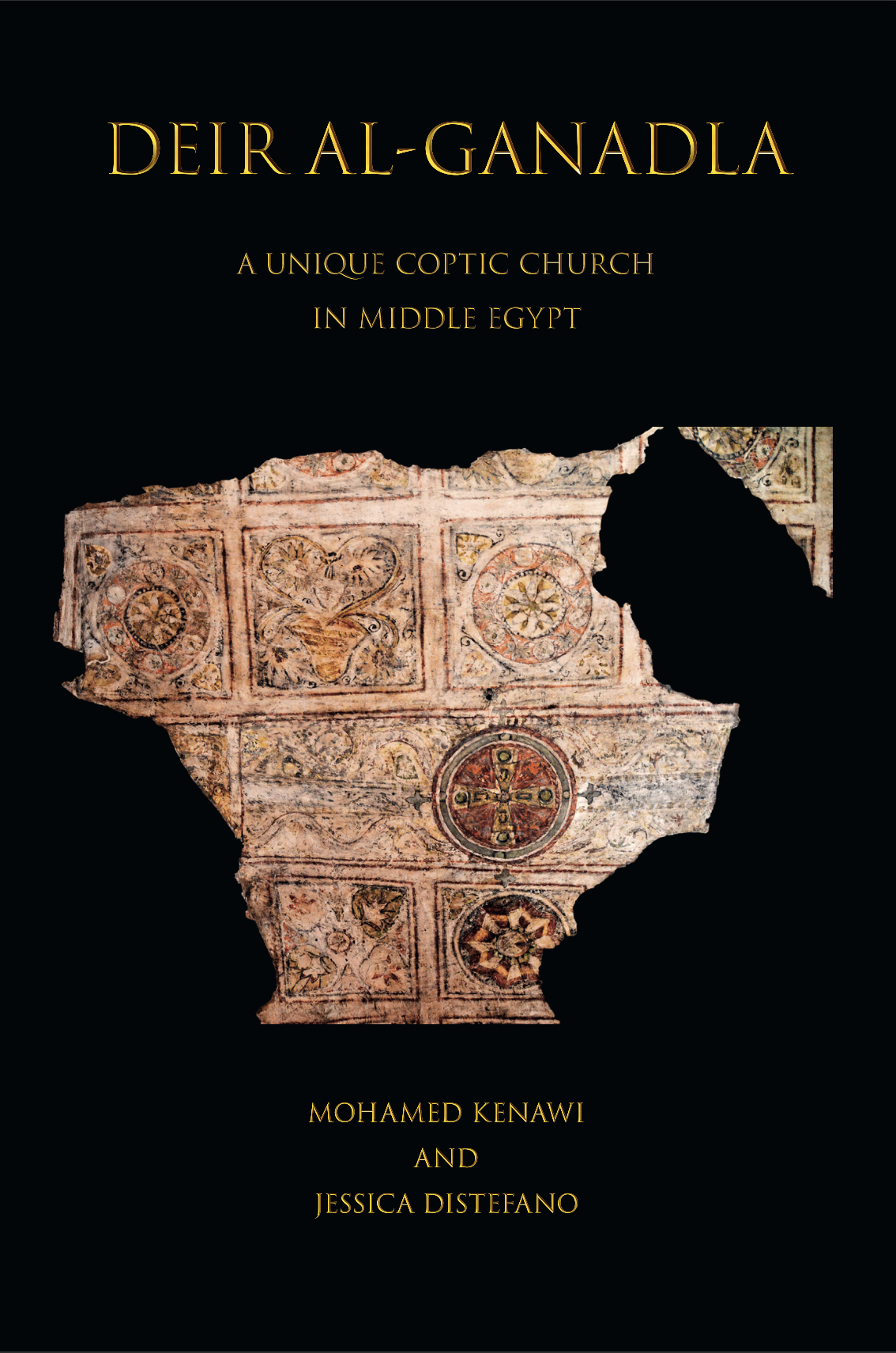
 Drunk the Potion, No Whit Charmed
The Doctrine of Pure and Perfect Souls from Iamblichus to Damascius

 Epiphanies of the Divine in the Septuagint and the New Testament
Fifth International Symposium of the Corpus Judaeo-Hellenisticum Novi Testamenti (CJHNT), 14-17 May 2015, Nottingham


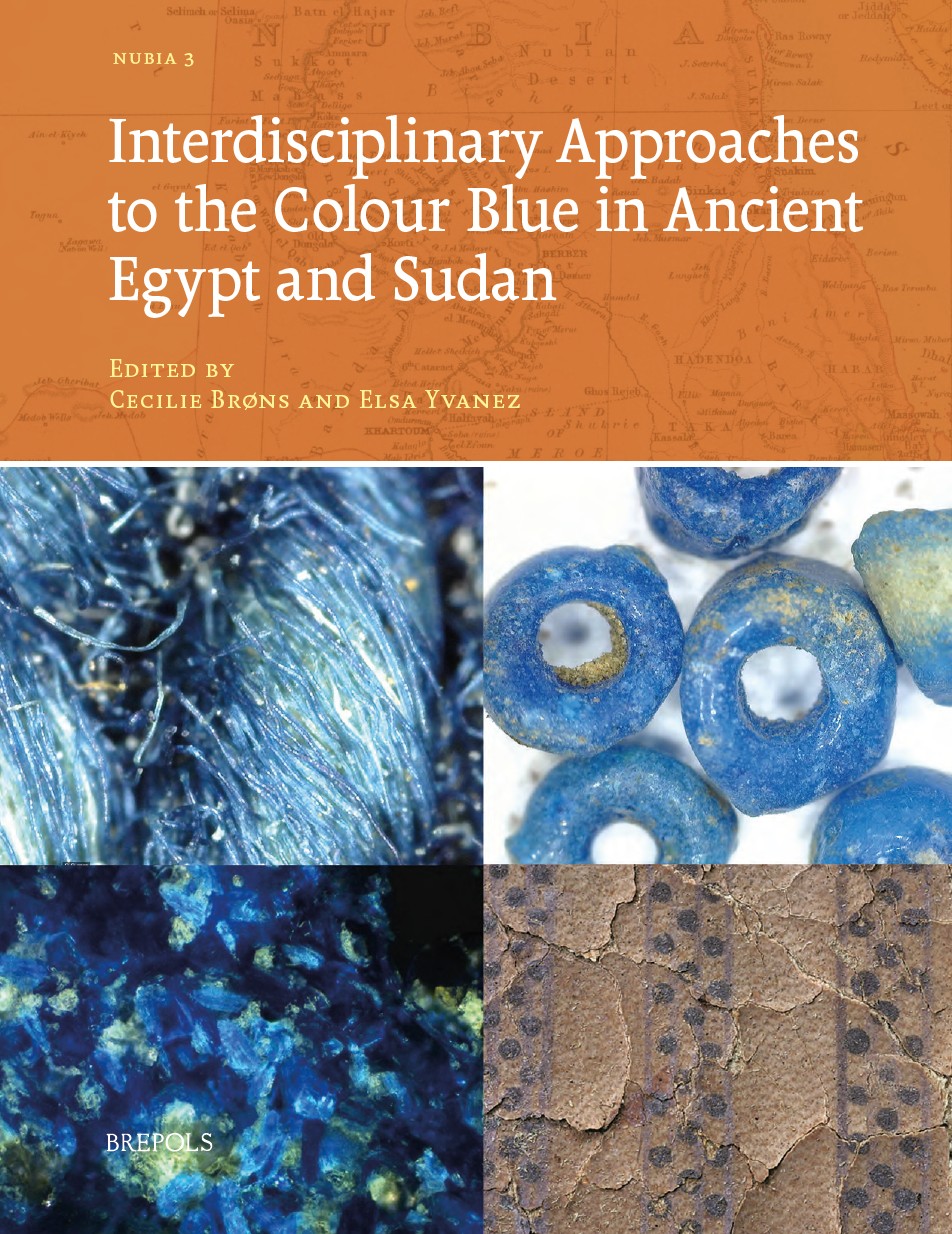

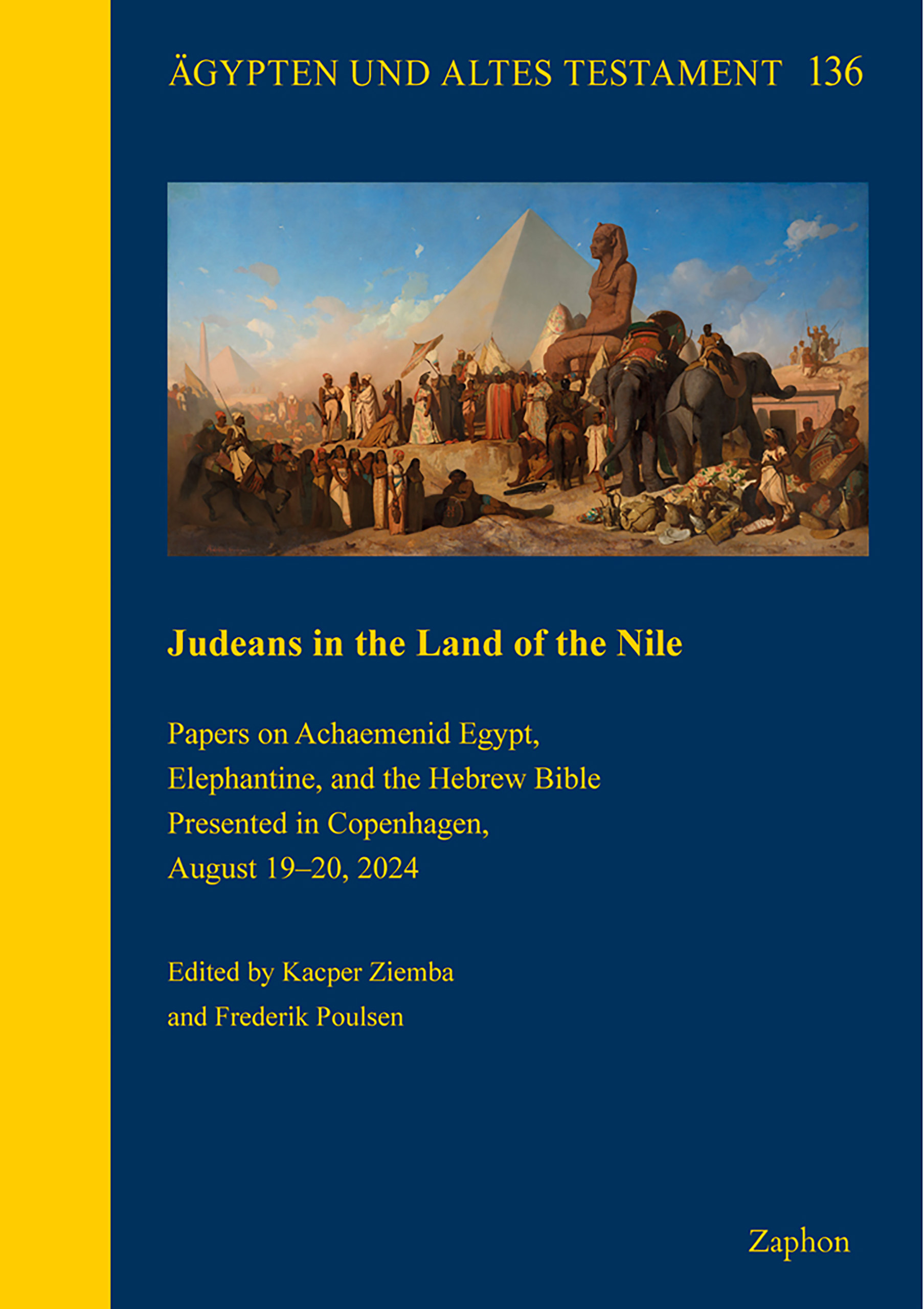
 Language and Power in the Roman Empire and Early India
Hierarchy, Ambiguity, and the Art of Reading the Signs in Cosmopolitan Cultures
 Late Antique villae in the Balkans (3rd–7th c. AD): Current Research Questions and Perspectives
HAEMUS Companion to the Late Antique Balkans 1
Volume 4


 Nurturing the Elite
Representations of Drinking, Eating, and Religious Vessels in Palmyrene Funerary Iconography
Volume 13


 The Compositional History of the Book of Kings
An Analysis of the Evaluative Frameworks in 1 Kings 14–2 Kings 25

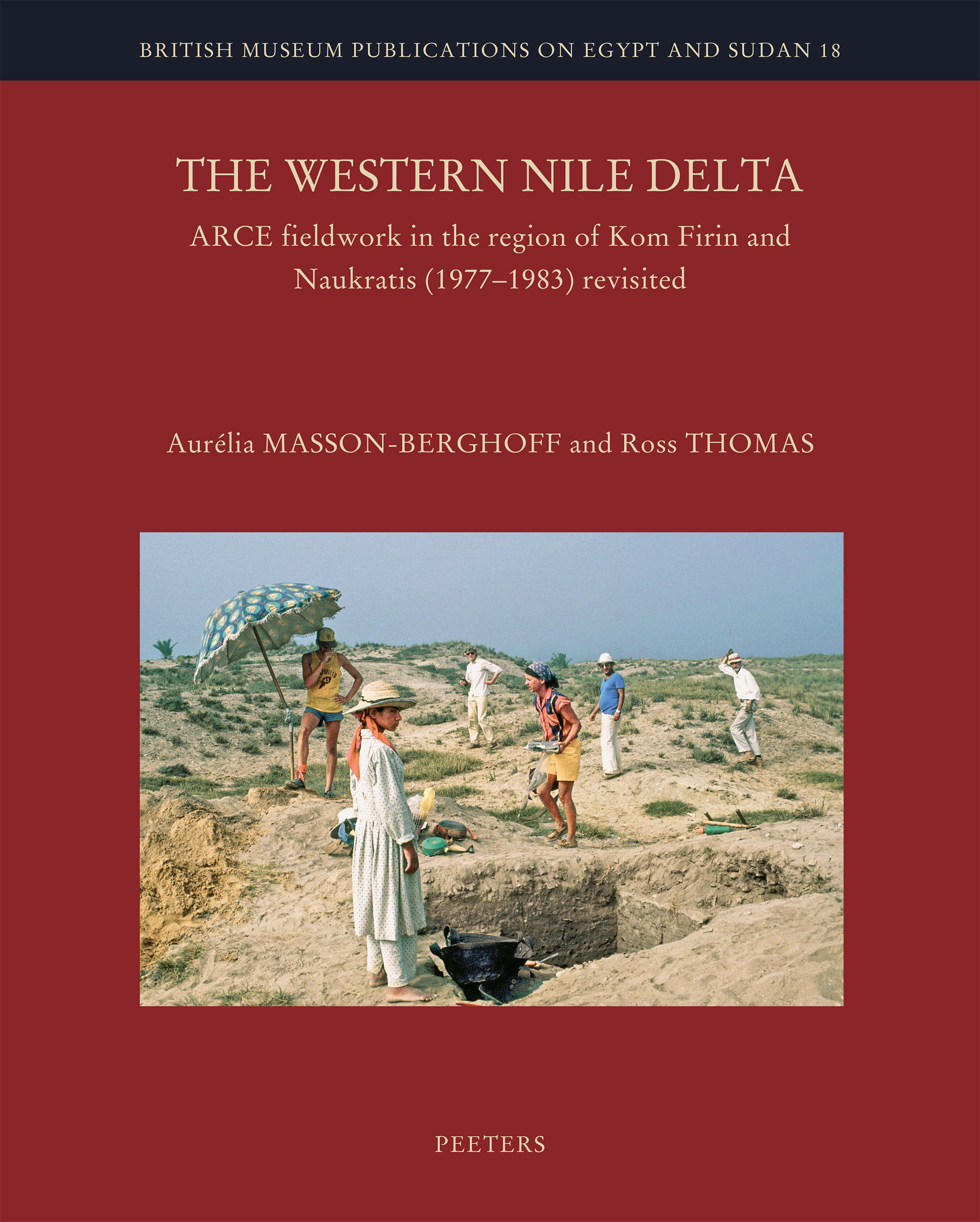 The Western Nile Delta
ARCE Fieldwork in the Region of Kom Firin and Naukratis (1977-1983) Revisited

 Contesting Labeled Identities
The Sociology of Gentilics in Biblical and Northwest Semitic Literature


 After Life in Roman Paganism. L’Égypte des astrologues. Les Mages hellénisés
Introductions historiographiques
Volume 7


 Die Ägyptenworte im Ezechielbuch
Eine literarhistorische und religionsgeschichtliche Analyse von Ez 29–32
 Diodor über den ersten Sklavenaufstand auf Sizilien
Ein philologischer und historischer Kommentar
Volume 67