
Kerkenes Special Studies 1
Sculpture and Inscriptions from the Monumental Entrance to the Palatial complex at Kerkenes, Turkey
by Catherine M. Draycott and G. D. Summers

Remains of sculpture and fragments of an important inscription in the Old Phrygian language were found during excavations at the sixth century BC walled city on Kerkenes Mountain in Central Turkey. Illustrated with line drawings and photographs A Turkish summary is provided.
Between 2003 and 2005, various remains of sculpture and fragments of an important inscription in the Old Phrygian language were unexpectedly found during excavations at the sixth century BC walled city on Kerkenes Mountain in the highlands of Central Turkey. These unusual finds have a significant role to play in the interpretation of the site and the interpretation of Phrygian history and culture. Large-scale sculpture in the round and small reliefs have distinctive characteristics so far unattested within territory inhabited by Phrygian speakers, while the extensive inscription names individuals so far unknown. Together, they attest to an ambitious and distinctive identity of power at this relatively remote mountaintop city, which may be equated with the strongly fortified place of Pteria mentioned in Herodotus, and which may have flourished for a brief period between the death of King Midas of Gordion and the conquering of Anatolia by the Persian King, Cyrus the Great. This volume presents these striking new finds, all of which come from the Monumental Entrance to a sector of the city known as the Palatial Complex. An introduction to the archaeological context is followed by a detailed catalog of the sculpted fragments, associated architectural fragments, and the inscribed fragments. Within the catalog there is erudite discussion of comparanda aimed at placing the unique material in its wider cultural and historical context, as well as a tentative reconstruction of the major pieces into a single monument. Rounding off the work is a commentary on the Phrygian inscription by Prof. Claude Brixhe. The volume is profusely illustrated with line drawings and photographs of every fragment together with a set of color plates that highlight the violence done to the monuments when the city was looted and burnt in the mid-sixth century BC. A Turkish summary is provided.
- By (author) Catherine M. Draycott
- By (author) G. D. Summers
Other Titles in this Series


 On the Margin of the Euphrates
Settlement and Land Use at Tell es-Sweyhat and in the Upper Tabqa Area, Syria
Volume 124

 Excavations at the prehistoric mound of Chogha Bonut, Khuzestan, Iran
Seasons 1976/77, 1977/78, and 1996
Volume 120
 Early Megiddo on the East Slope (The ‘Megiddo Stages’)
A Report on the Early Occupation of the East Slope of Megiddo. Result of the Oriental Institute's Excavations, 1925-1933
Volume 139


 Ancient Settlement Systems and Cultures in the Ram Hormuz Plain, Southwestern Iran
Excavations at Tall-e Geser and Regional Survey in the Ram Hormuz Area
Volume 140

 The Amuq Valley Regional Projects, Volume 1
Surveys in the Plain of Antioch and Orontes Delta, Turkey, 1995-2002
Volume 131
 The Temple of Khonsu. Volume II
Scenes and Inscriptions in the Court and the First Hypostyle Hall
Volume 103
 Temple of Khonsu, Volume 3
The Graffiti on the Khonsu Temple Roof at Karnak: A Manifestat
Volume 123
 Tell Hamoukar, Volume 1. Urbanism and Cultural Landscapes in Northeastern Syria
The Tell Hamoukar Survey, 1999-2001
Volume 137

 Archaeology of the Bronze Age, Hellenistic, and Roman Remains at an Ancient Town on the Euphrates River
Excavations at Tell Es-Sweyhat, Syria Volume 2
Volume 125
 The Archive of Thotsutmis, Son of Panouphis
Early Ptolemaic Ostraca from Deir el Bahari (O. Edgerton)
Volume 146

 Reliefs and Inscriptions at Luxor Temple, Volume 1
The Festival Procession of Opet in the Colonnade Hall
Volume 112
 The Egyptian Book of the Dead
Documents in the Oriental Institute Museum at the University of Chicago
Volume 82
 Excavations in the Plain of Antioch III
Stratigraphy, Pottery, and Small Finds from Chatal Hoyuk in the Amuq Plain
Volume 143


 The Origins of State Organisations in Prehistoric Highland Fars, Southern Iran
Excavations at Tall-e Bakun
Volume 128
 Town and Country in Southeastern Anatolia, Volume II
The Stratigraphic Sequence at Kurban Hoyuk
Volume 110
Similar Books
 A Collaborative Tapestry in Honour of Shirley Ann Brown / Une fresque brodée en l’honneur de Shirley Ann Brown
The Bayeux Tapestry Seen by her Colleagues and Friends / La Tapisserie de Bayeux vue par ses collègues et amis




 Balthasar Caymox of Nuremberg
Early Modern German Print Publishers: Popular Prints of the Seventeenth Century
 Caesar’s Visions and Impact on the Roman Empire
Revisiting the Archaeological and Historical Record of the 40s BC
Volume 2

 Connecting the Dots: Counting, Writing, and the Beginnings of Civilization
The Secret Lives of Clay Tokens: A Memoir



 Etruscan and Roman Hellenistic Anatomical ex votos
Reassessing Popular Religious Expressions in Central Italy
Volume 8

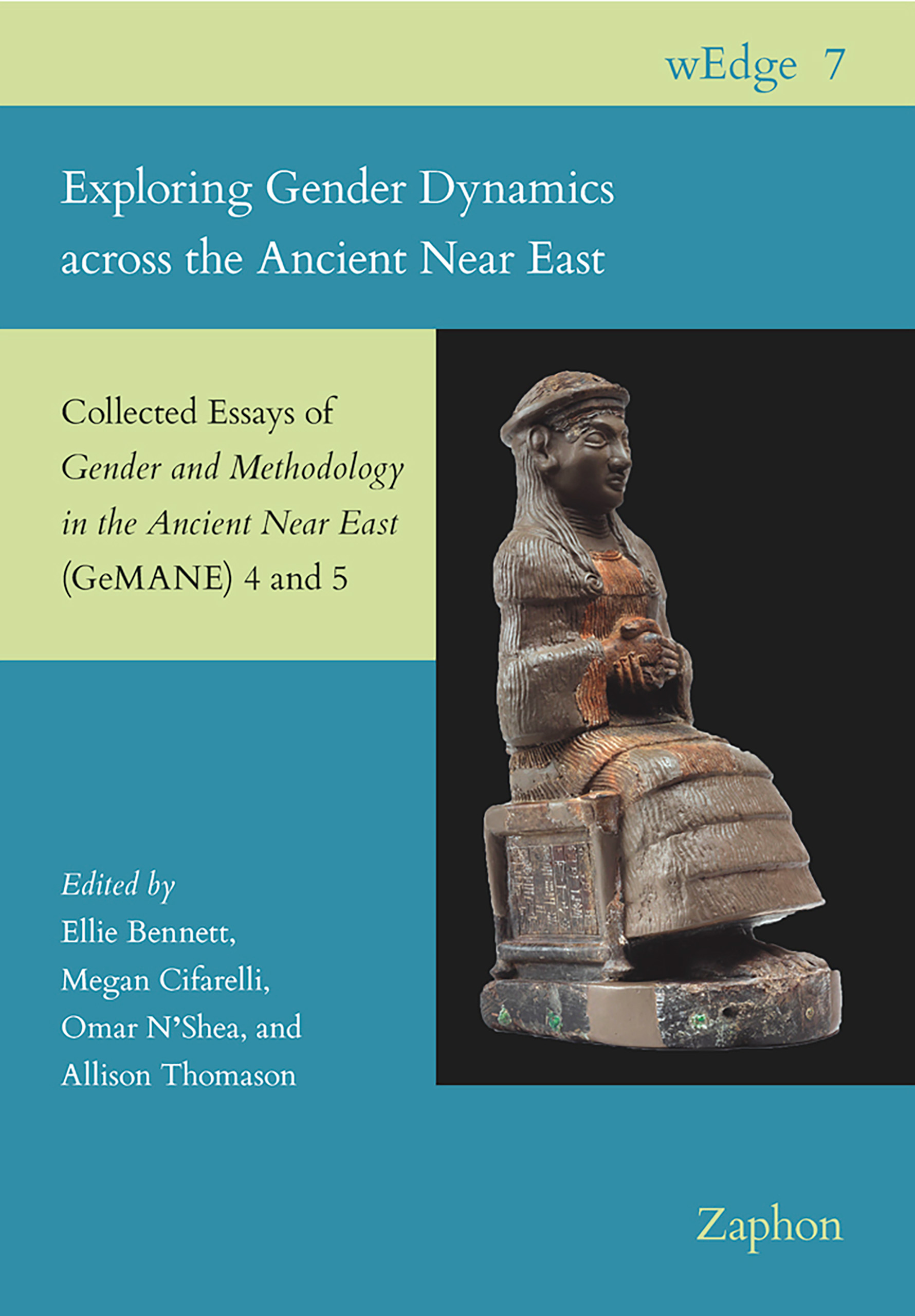 Exploring Gender Dynamics across the Ancient Near East
Collected Essays of Gender and Methodology in the Ancient Near East (GeMANE) 4 and 5
Volume 7


 Ḫattušaš utnē išḫameški
Hittite and Other Ancient Near Eastern Studies Presented to Piotr Taracha on the Occasion of His 65th Birthday



 Invisible Labour in Antiquity
Visualizing Obscure Work in the Ancient Mediterannean and West Asia
Volume 1
 Late Antique villae in the Balkans (3rd–7th c. AD): Current Research Questions and Perspectives
HAEMUS Companion to the Late Antique Balkans 1
Volume 4
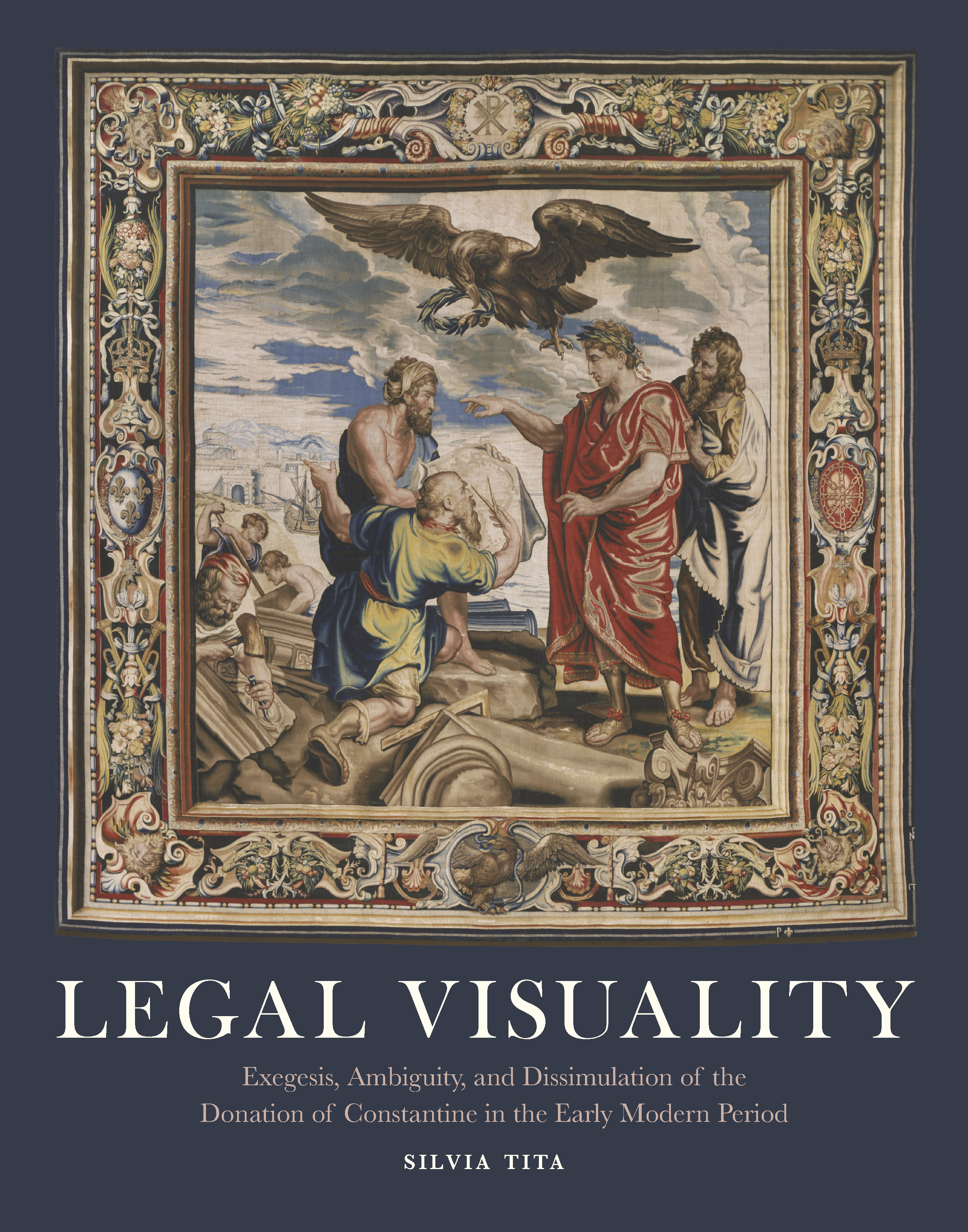 Legal Visuality
Exegesis, Ambiguity, and Dissimulation of the Donation of Constantine in the Early Modern Period

 Monastic Manuscripts from the Eastern Mediterranean (Sinai, Jerusalem, Antioch)
Production, Use, and Contexts
 Naples as Laboratory / Laboratorium Neapel
Style Options, Artistic Rivalry and Self Fashioning in Neapolitan Baroque Painting / Plurale Stilbildung, Kunstlerkonkurrenz und Self Fashioning in der neapolitanischen Barockmalerei
 New Research on Old Collections in Southwest Asian Archaeology
Proceedings of the Workshop Held at the British Museum, London, 31 July – 2 August, 2023

 Nurturing the Elite
Representations of Drinking, Eating, and Religious Vessels in Palmyrene Funerary Iconography
Volume 13
 Old Aramaic Inscriptions and their Contexts
An Epigraphic, Archaeological, and Historical Synthesis
Volume 63
