
Museum of Hamburg History
by Britta Nagel

Entering the Hamburg park Planten un Blomen from the Millerntor side, we discover an imposing palace-like building reflected in the water of the pond, half-hidden behind the old trees. Its monumental form in dark red brick, with great sloping rooves crowned by a turret, make the Museum of Hamburg History seem more like a castle from a bygone age. Inside the building a striking spatial experience awaits, almost religious in its quality. At the end of an enormous hall, round-arched windows stretch – ing up to the ceiling allow unadulterated daylight to stream into the room as if through church windows. This phenomenon draws us towards it, leading us almost automatically into the high, open staircase at the end of the hall. Here, under a barrel-vaulted coffered ceiling in white and green, Hamburg’s most prominent families from the era before the First World War are commem orated. The rows of family coats of arms arranged symmetrically on the walls and the names carved into the sandstone give the space a solemn, dignified feel to this day. A thoughtfully planned and executed lighting scheme points the way to some of the museum’s oldest treasures in the hall on the first floor. On the right-hand side you can take the captain’s place on the bridge of the 1930s freighter Werner, listen to the ship’s horn and watch an early colour documentary film showing the Port of Hamburg in 1938. The museum’s most prominent and popular exhibit is also to be found in a glass case on the first floor here: a simple skull with a nail driven through the bone. It dates from the late Middle Ages and is said to be the skull of the most famous German pirate, Klaus Stortebeker (1360 to 1401).
- By (author) Britta Nagel
Other Titles in this Series


Similar Books


 Balthasar Caymox of Nuremberg
Early Modern German Print Publishers: Popular Prints of the Seventeenth Century

 Circulation, Use, Impact
The Consumption of Architectural Books in the Early Modern Eastern Adriatic
Volume 1


 Constitutional Conflict as Judicial Civil Disobedience and Conscientious Objection
Reconceptualising National Constitutional Court Rulings in the European Union Legal Space


 Formulary apportionment in international tax law
An allocation method for the age of globalization and digitalization
Volume 210


 Hofmann oder Vorkämpfer der „philosophes“?
Deutsche Voltaire-Bildnisse und -Imaginationen im Zeitalter der Aufklärung

 Legal Unification through Case Law?
Supreme Courts and the Emergence of Uniform Law in the Modern Era
Volume 242

 Monastic Manuscripts from the Eastern Mediterranean (Sinai, Jerusalem, Antioch)
Production, Use, and Contexts


 Students, Scholars and Their Books at the University of Louvain (1425-1797)
Studium Lovaniense: Learning across Borders, 1
Volume 17
 The Antiquarian Book-trade in Switzerland
Sir Thomas Phillipps's Acquisitions in the 1820s and their Later Dispersal
Volume 69
 The Documentation of Historical Facts in Trial Judgments of the International Criminal Court
A Constitutional Theory of International Criminal Proceedings
Volume 66


 Linguistic and Cultural Dynamics in a Frontier Society
New Perspectives on Northeastern Bavaria and Western Bohemia in the Early Middle Ages
Volume 9
 The Law of the International Civil Service
Institutional Law and Practice in International Organisations
 “Aktenzeichen XY … ungelöst”, Facebook und Co.
Chancen und Risiken der Einbeziehung der Öffentlichkeit in das strafprozessuale Ermittlungsverfahren
Volume 476
 “Das Grundgesetz ist unsere Leitkultur”
Eine verfassungsrechtliche und -theoretische Annäherung an die Gleichsetzung von Grundgesetz und Leitkultur
Volume 1595
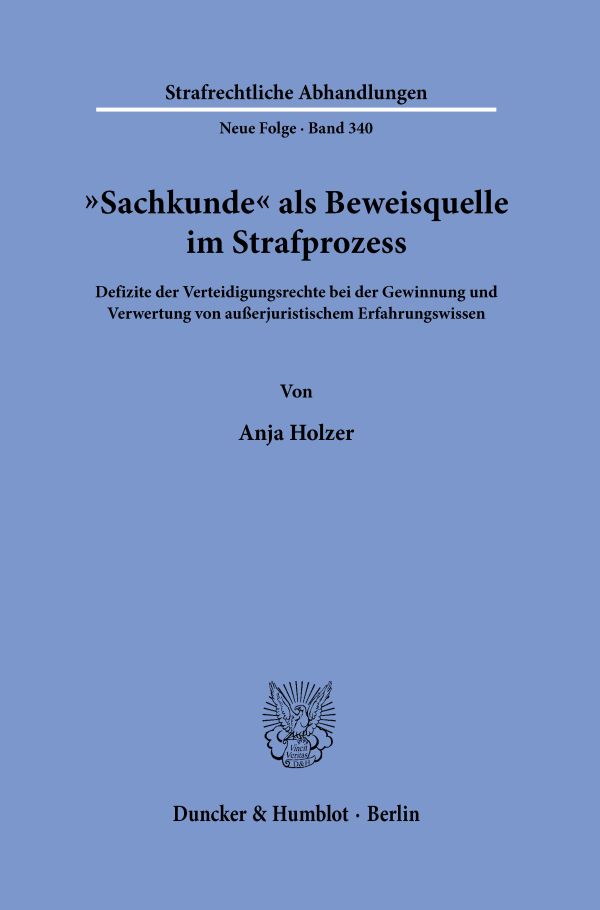 “Sachkunde” als Beweisquelle im Strafprozess
Defizite der Verteidigungsrechte bei der Gewinnung und Verwertung von außerjuristischem Erfahrungswissen
Volume 340

 (Bloß) symbolische Rechtsetzung
Eine interdisziplinäre Untersuchung der deutschen Glücksspielregulierung auf ihre funktionelle und symbolische Wirkung
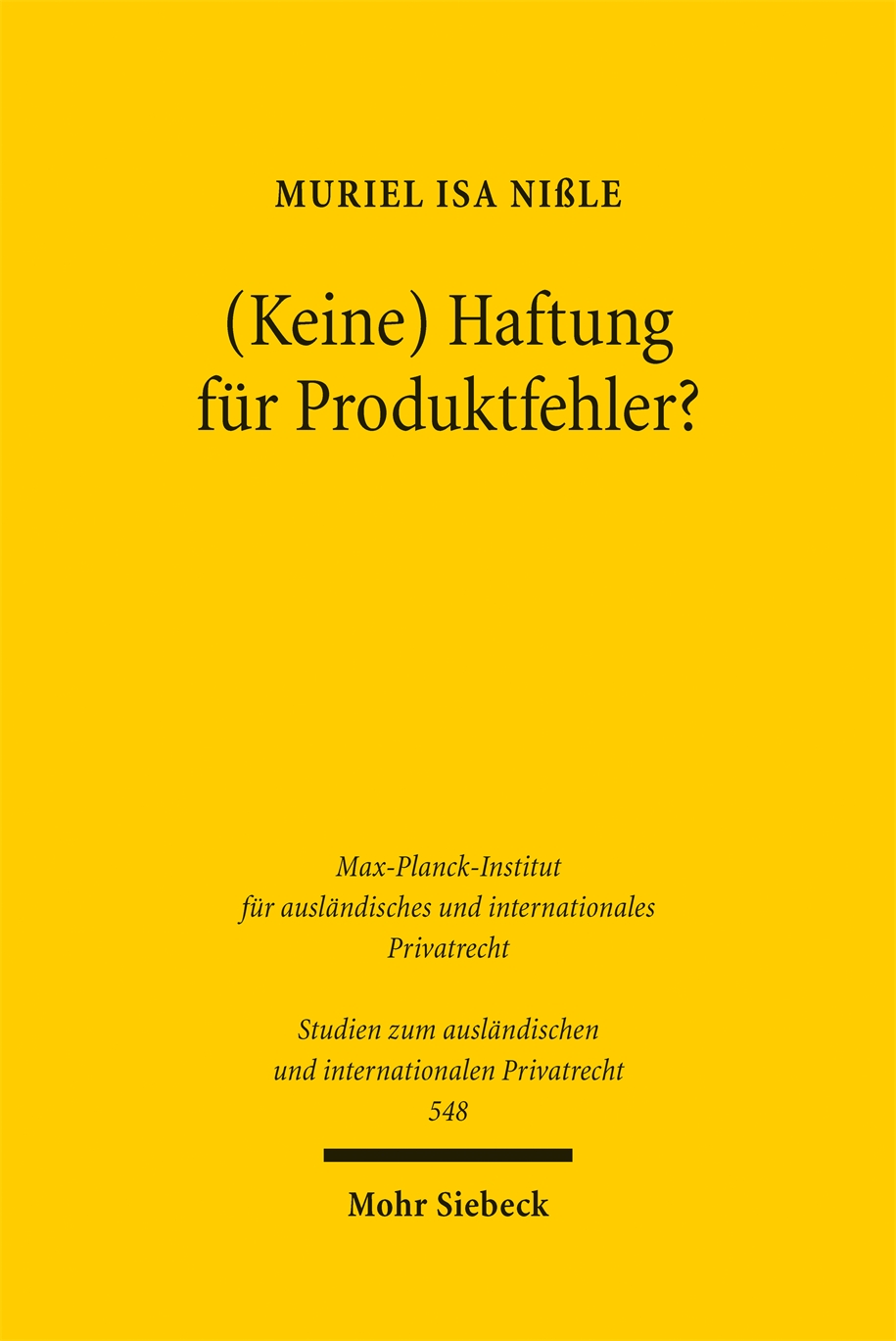 (Keine) Haftung für Produktfehler?
Eine Untersuchung des deutschen und neuseeländischen Rechts zum Ausgleich von Personenschäden durch fehlerhafte Produkte
 (Personen-)Gesellschaften im Erbschaftsteuerrecht
Vorgaben des Leistungsfähigkeitsprinzips für die Besteuerung. Zugleich eine kritische Auseinandersetzung mit § 2a ErbStG

 Aktionärsklagen in Deutschland und Hongkong
Rechtsdogmatik. Rechtsökonomik. Rechtsvergleich.
Volume 37