
Why Read the Bible in the Original Languages?
By (author) T. Muraoka
A comparison of multiple translations of the Bible in any language shows that they differ at hundreds of places, pointing to the continuing disagreement among Bible scholars and translators in their analysis and understanding of those places. To learn Hebrew, Aramaic, and Greek, the original languages of the Bible, is admittedly not everybody’s cup of tea. Knowledge of them does not necessarily provide a solution to these difficulties. However, there are not a few things in the biblical text which can be missed out if it is read only in translation. A range of linguistic issues touching on the three original languages are discussed in the light of actual examples. Matters of culture and rhetoric are also taken up. A special chapter is devoted to the Septuagint as a bridge between the two Testaments. The book is written in a non-technical style, hence easily readable by non-specialists, but specialists may also find things of interest. No Hebrew or Greek alphabet is used.
- By (author) T. Muraoka
"What an utterly exceptional little book, with a message that every single student in Seminary or graduate school considering ministry or teaching in a college or grad program must, simply must, hear and heed. . . . Go read this book. Share it with your friends. And then go learn Hebrew, Greek, and Aramaic if you dont already know them. Your life will be enriched, incredibly, and so will your teaching and your preaching." --Zwinglius Redivivus, 11.12.2020
—
Similar Books


 Apocrypha, Magic, Liturgy
The Multiple Identities of Coptic Prayers in Late Antique and Early Islamic Egypt
 Athanasius of Alexandria, Epistula ad episcopos Aegypti et Libyae
Old Slavonic Version and English Translation
Volume 261



 Contesting Labeled Identities
The Sociology of Gentilics in Biblical and Northwest Semitic Literature

 Cyril of Alexandria’s Christological Exegesis
Explorations of Partitive Exegesis in the Dialogues on the Trinity
Volume 70


 Epiphanies of the Divine in the Septuagint and the New Testament
Fifth International Symposium of the Corpus Judaeo-Hellenisticum Novi Testamenti (CJHNT), 14-17 May 2015, Nottingham


 Extracanonical Traditions and the Holy Land
Texts, Rituals, and Material Culture in Late Antique Palestine
 From Joseph to Jesus
The Joseph Narrative as a Compositional Template from Old Greek Esther to the Gospel of Luke
Volume 125





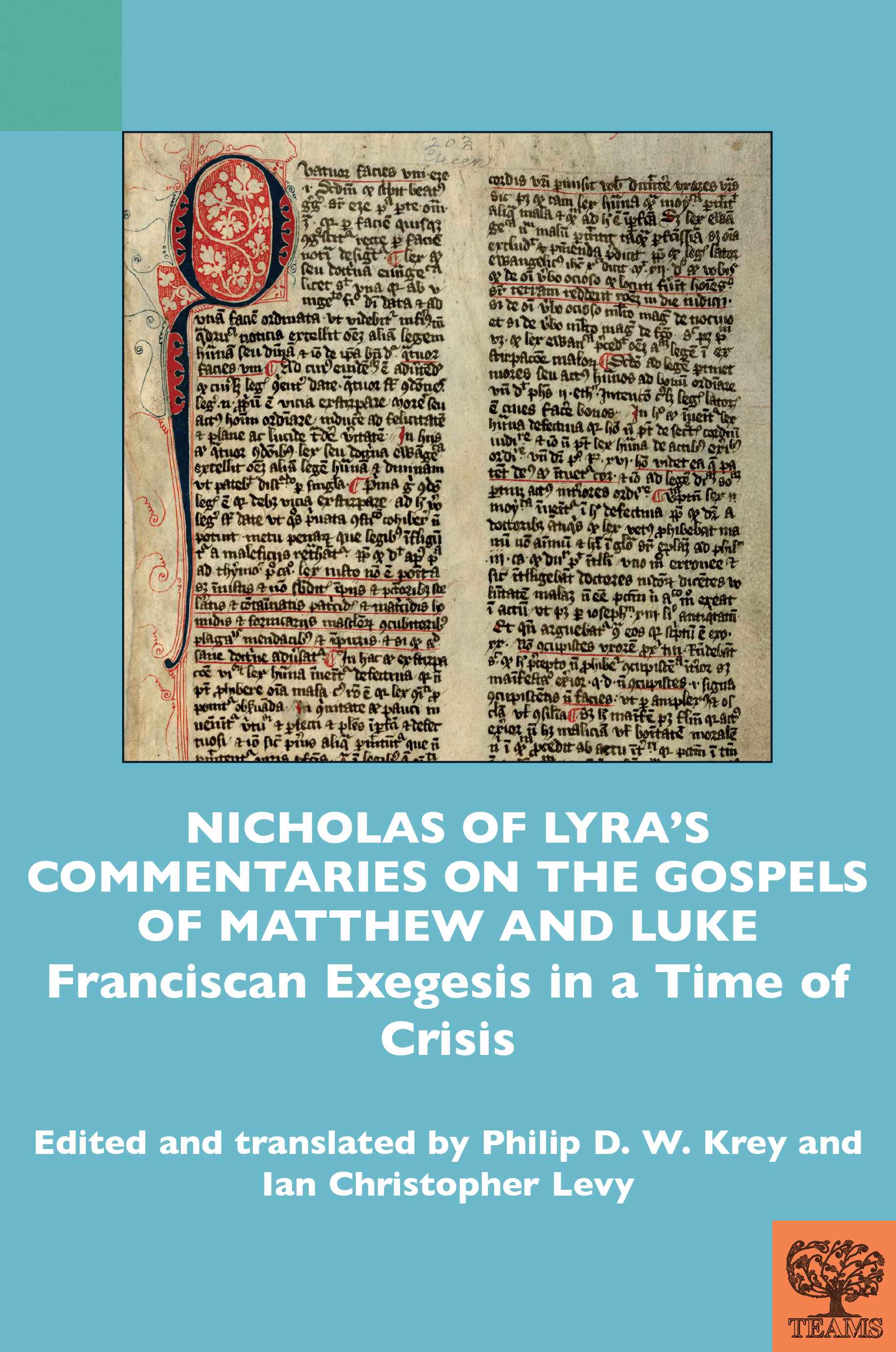 Nicholas of Lyra’s Commentaries on the Gospels of Matthew and Luke
Franciscan Exegesis in a Time of Crisis
 Paradise Lost in Transmission
The Return to Eden in the Apocalypse of Peter within Its Ethiopic and Early Christian Contexts




 Punning in Odd or Elegant Constructions in Jeremiah
The Convergence of Linguistics, Rhetoric, and Textuality in the Hebrew Text of Jeremiah
