
The Petitioning System in Iran
State, Society and Power Relations in the Late 19th Century
by Irene Schneider

Hardback (Published)
(January 2007)
ISBN: 9783447054690
6.65 x 9.49 inches
Price: $70.00
On back order
Filing petitions to the ruler was a common practice in the history of the Middle East. But despite its social and political importance, the institution of mazalim, the so called “Investigation of Complaints,” has still not been subjected to adequate investigation, neither its normative regulations and regional settings, nor the petitions themselves, as a source for political, economic, social and administrative history, the petitioning system in pre-modern and modern Iran being no exception. In contrast to royal decrees or official historiography, these petitions reflect complaints of people from all social strata, men and women, farmers, religious people and state officials, urban and rural population, including nomads. The petitions thus express the perspective of common people, their desires and grievances about tax collectors and governors, about the malfunctioning of the legal system and the royal administration. This book is based on a sample of petitions which were submitted to Nasir al-Din Shah between 1301/1883 and 1303/1886 and contains the texts of a selection of these petitions pertaining to the year 1301/1883-1884 as well as their classification and an analysis of the role and functioning of this institution.
Filing petitions to the ruler was a common practice in the history of the Middle East. But despite its social and political importance, the institution of mazalim, the so called “Investigation of Complaints,” has still not been subjected to adequate investigation, neither its normative regulations and regional settings, nor the petitions themselves, as a source for political, economic, social and administrative history, the petitioning system in pre-modern and modern Iran being no exception. In contrast to royal decrees or official historiography, these petitions reflect complaints of people from all social strata, men and women, farmers, religious people and state officials, urban and rural population, including nomads. The petitions thus express the perspective of common people, their desires and grievances about tax collectors and governors, about the malfunctioning of the legal system and the royal administration. This book is based on a sample of petitions which were submitted to Nasir al-Din Shah between 1301/1883 and 1303/1886 and contains the texts of a selection of these petitions pertaining to the year 1301/1883-1884 as well as their classification and an analysis of the role and functioning of this institution.
- By (author) Irene Schneider
Other Titles in this Series

 The Zoroastrian Law to Expel the Demons
Widewdad 10-15: Critical Edition, Translation and Glossary of the Avestan and Pahlavi Texts
Volume 23


 Holy Wealth
Accounting for This World and The Next in Religious Belief and Practice: Festschrift for John R. Hinnells
Volume 24
 Zur lichten Heimat
Studien zu Manichaismus, Iranistik und Zentralasienkunde im Gedenken an Werner Sundermann. Herausgegeben von einem Team 'Turfanforschung'
Volume 25
 Zoroastrian Hermeneutics in Late Antiquity
Commentary on the 'Sudgar Nask' of 'Denkard' Book 9
Volume 32


 Die Entwicklung der Ergativkonstruktion im Alt- und Mitteliranischen
Eine korpusbasierte Untersuchung zu Kasus, Kongruenz und Satzbau
Volume 21

 Penitential Sections of the Xorde Avesta (patits)
Critical Edition with Commentary and Glossary
Volume 22

 Ancient and Middle Iranian Studies
Proceedings of the 6th European Conference of Iranian Studies, held in Vienna, 18-22 September 2007
Volume 19


 Die Sprache der Bilder
Eine Studie zur ikonographischen Exegese der anthropomorphen Gotterbilder im Zoroastrismus
Volume 27
Similar Books

 As Messianism Turns to Heresy
The Regenstein Chair Lectures On Lurianic Kabbalah and Shabbatai Tzevi at Hebrew Union College - Cincinnati

 Beyond Sovereign Courts
Agents and Practices in Early Modern Spanish and Habsburg Diplomacy
Volume 3


 Cities through Time
Glimpses into Urbanity and Community in Mediaeval to Modern West Asia and Egypt
Volume 1

 Cuneiform Artefacts from Archaeological Contexts: New Research on Ancient Iraq
Proceedings of a Conference Held at the Bavarian Academy of Sciences and Humanities, July 4–5, 2024
Volume 2




 Food Security under Armed Conflict
Global Knowledge Landscape and Public Attention to Social, Economic, and Humanitarian Dimensions


 From the Frontiers of the Empire to the Borders of the Nations
Borderland Security and Safety in the (post-)Ottoman Spaces (1700–1939)
 Global Gulf
Geo-Economic, Geo-Political, and Geo-Technological Transformation in Saudi Arabia, the United Arab Emirates, and Qatar
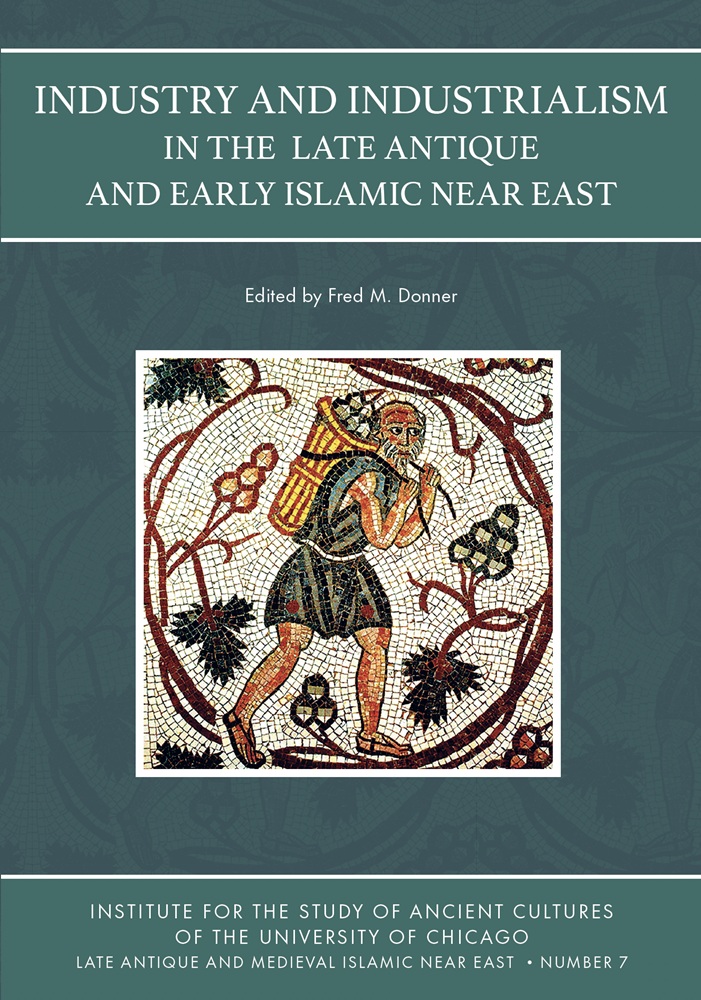
 Innovationes Lovanienses: Arts, Law and Theology at the University of Louvain (1425–1797)
Studium Lovaniense: Learning across Borders, 2
Volume 18

 Islamic Rituals Beyond the Mosque
Historical Evolution of Prayer and Devotion in Physical Space and Cyberspace
 Ismail Hakki Bursevi’s translation of and commentary on Fusus al-Hikam By Muhyiddin Ibn ‘Arabi
Volumes 1-4


 Monastic Manuscripts from the Eastern Mediterranean (Sinai, Jerusalem, Antioch)
Production, Use, and Contexts

 Myths and Tales of the Inughuit
Erik Holtved's Polar Eskimo Texts Revised and Re-translated into Danish and English
Volume 475, 12


 Qatar’s Societal Security
Towards the Inclusive National Concept of ‘Baladna’ Identity, Migration and External Threats Since 2017


 Students, Scholars and Their Books at the University of Louvain (1425-1797)
Studium Lovaniense: Learning across Borders, 1
Volume 17