
Die Sprache der Bilder
Eine Studie zur ikonographischen Exegese der anthropomorphen Gotterbilder im Zoroastrismus
by Shervin Farridnejad

English Summary: According to widely held opinion in scholarly circles, Zoroastrian art did not exist in ancient Iran. In the Language of Images, Shervin Farridnejad examines representations of ancient Iranian anthropomorphic deities and their appearance in the Zoroastrian pantheon, using a methodological approach based on exegetical iconography. Farridnejad traces the representation and development of Zoroastrian idols and analyzes the origin of their iconography within Iranian religious imagery, in particular through interplay with religious ideas handed down in written tradition. In his comprehensive and richly illustrated study, the author devotes himself to these in part complex idols, who as multi layered transmitters of meaning played a major role in the religious life of the ancient Zoroastrians. He also investigates general formal structures, examines their genesis, and explores the “seat of life” in divine images, paying particular attention to to the literary tradition of the Zoroastrian corpus in Avestan and Middle Persian. Farridnejad offers the first comprehensive and methodologically sound overview of the Zoroastrian imagery in the context of religion and the culture of pre-Islamic Iran. German Description: Einer in der Forschung weit verbreiteten Meinung zufolge existierte im Alten Iran keine zoroastrische Kunst. In Sprache der Bilder nun untersucht Shervin Farridnejad Darstellungen altiranischer anthropomorpher Gottheiten und deren Erscheinung im zoroastrischen Pantheon mit der methodischen Herangehensweise einer exegetischen Ikonographie. Farridnejad zeichnet die Darstellungsweise und Entwicklung der zoroastrischen Gotterbilder nach und analysiert den Ursprung ihrer Ikonographie innerhalb der iranischen religiosen Bildsprache, insbesondere im Wechselspiel mit den in der schriftlich uberlieferten Tradition bewahrten religiosen Ideen. Der Autor widmet sich in seiner umfassenden und reich bebilderten Studie den teilweise komplex aufgebauten Gotterbildern, die als vielschichtige Bedeutungstrager im religiosen Leben der alten Zoroastrier eine grosse Rolle spielten. Daruber hinaus ermittelt er allgemeine formale Strukturen, beleuchtet ihre Genese und erforscht den “Sitz im Leben” der Gotterbilder, indem er vor allem die literarische Uberlieferung des zoroastrischen Corpus im Avestischen und Mittelpersischen berucksichtigt. Farridnejad bietet so erstmals einen umfassenden, methodisch fundierten Uberblick uber die zoroastrische Bildersprache im Kontext von Religion und Kultur des vorislamischen Iran.
English Summary: According to widely held opinion in scholarly circles, Zoroastrian art did not exist in ancient Iran. In the Language of Images, Shervin Farridnejad examines representations of ancient Iranian anthropomorphic deities and their appearance in the Zoroastrian pantheon, using a methodological approach based on exegetical iconography. Farridnejad traces the representation and development of Zoroastrian idols and analyzes the origin of their iconography within Iranian religious imagery, in particular through interplay with religious ideas handed down in written tradition. In his comprehensive and richly illustrated study, the author devotes himself to these in part complex idols, who as multi layered transmitters of meaning played a major role in the religious life of the ancient Zoroastrians. He also investigates general formal structures, examines their genesis, and explores the “seat of life” in divine images, paying particular attention to to the literary tradition of the Zoroastrian corpus in Avestan and Middle Persian. Farridnejad offers the first comprehensive and methodologically sound overview of the Zoroastrian imagery in the context of religion and the culture of pre-Islamic Iran. German Description: Einer in der Forschung weit verbreiteten Meinung zufolge existierte im Alten Iran keine zoroastrische Kunst. In Sprache der Bilder nun untersucht Shervin Farridnejad Darstellungen altiranischer anthropomorpher Gottheiten und deren Erscheinung im zoroastrischen Pantheon mit der methodischen Herangehensweise einer exegetischen Ikonographie. Farridnejad zeichnet die Darstellungsweise und Entwicklung der zoroastrischen Gotterbilder nach und analysiert den Ursprung ihrer Ikonographie innerhalb der iranischen religiosen Bildsprache, insbesondere im Wechselspiel mit den in der schriftlich uberlieferten Tradition bewahrten religiosen Ideen. Der Autor widmet sich in seiner umfassenden und reich bebilderten Studie den teilweise komplex aufgebauten Gotterbildern, die als vielschichtige Bedeutungstrager im religiosen Leben der alten Zoroastrier eine grosse Rolle spielten. Daruber hinaus ermittelt er allgemeine formale Strukturen, beleuchtet ihre Genese und erforscht den “Sitz im Leben” der Gotterbilder, indem er vor allem die literarische Uberlieferung des zoroastrischen Corpus im Avestischen und Mittelpersischen berucksichtigt. Farridnejad bietet so erstmals einen umfassenden, methodisch fundierten Uberblick uber die zoroastrische Bildersprache im Kontext von Religion und Kultur des vorislamischen Iran.
- By (author) Shervin Farridnejad
Other Titles in this Series
 Penitential Sections of the Xorde Avesta (patits)
Critical Edition with Commentary and Glossary
Volume 22

 Ancient and Middle Iranian Studies
Proceedings of the 6th European Conference of Iranian Studies, held in Vienna, 18-22 September 2007
Volume 19


 The Zoroastrian Law to Expel the Demons
Widewdad 10-15: Critical Edition, Translation and Glossary of the Avestan and Pahlavi Texts
Volume 23


 Holy Wealth
Accounting for This World and The Next in Religious Belief and Practice: Festschrift for John R. Hinnells
Volume 24

 Zur lichten Heimat
Studien zu Manichaismus, Iranistik und Zentralasienkunde im Gedenken an Werner Sundermann. Herausgegeben von einem Team 'Turfanforschung'
Volume 25

 Zoroastrian Hermeneutics in Late Antiquity
Commentary on the 'Sudgar Nask' of 'Denkard' Book 9
Volume 32

 Die Entwicklung der Ergativkonstruktion im Alt- und Mitteliranischen
Eine korpusbasierte Untersuchung zu Kasus, Kongruenz und Satzbau
Volume 21

Similar Books

 A Collaborative Tapestry in Honour of Shirley Ann Brown / Une fresque brodée en l’honneur de Shirley Ann Brown
The Bayeux Tapestry Seen by her Colleagues and Friends / La Tapisserie de Bayeux vue par ses collègues et amis
 A Companion to Christianity and Sport in Europe and North America (19th-21st centuries)
Volume 1: Western and Eastern Europe
 A Connecting Polemic in the Medieval Mediterranean
The Correspondence of Leo III and ʿUmar II
Volume 6








 Ars Prophetica
Theology in the Poetry of Twentieth-Century Hebrew Poets Avraham Halfi, Shin Shalom, Amir Gilboa, and T. Carmi

 As Messianism Turns to Heresy
The Regenstein Chair Lectures On Lurianic Kabbalah and Shabbatai Tzevi at Hebrew Union College - Cincinnati


 Balthasar Caymox of Nuremberg
Early Modern German Print Publishers: Popular Prints of the Seventeenth Century


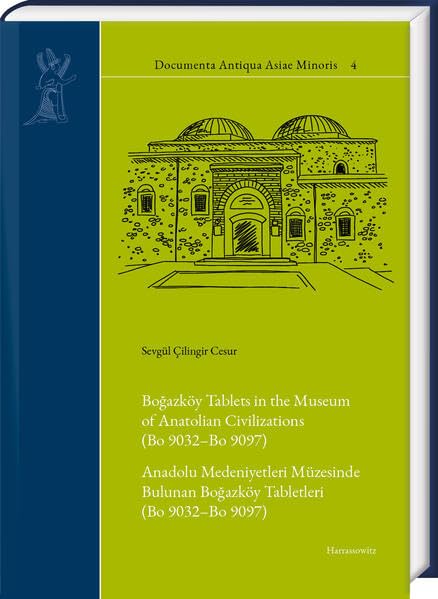 Boğazköy Tablets in the Museum of Anatolian Civilizations (Bo 9032–Bo 9097)
Anadolu Medeniyetleri Müzesinde Bulunan Boğazköy Tabletleri (Bo 9032–Bo 9097)
Volume 4


 Connecting the Dots: Counting, Writing, and the Beginnings of Civilization
The Secret Lives of Clay Tokens: A Memoir