
The Munich Kunstkammer
Art, Nature, and the Representation of Knowledge in Courtly Contexts
by Katharina Pilaski Kiliardos

Hardback (Published)
(July 2013)
ISBN: 9783161521881
6.57 x 9.13 inches
Price: $143.00
In stock
For the first time, this study anchors the Kunstkammer in the immediate context of the intellectual milieu of the Bavarian court, reconstructing the interests of courtiers related to the collection’s epistemology. In her focus on the Kunstkammer’s Counter Reformation context, the author analyzes the confessional arguments made by material objects representing natural prodigies, and situates reproductions of natural objects in the context of contemporary votive practice and in the natural-philosophical discourse about the powers of art to reproduce nature.
The Kunstkammer that Albrecht V, Duke of Bavaria, founded in Munich in the 1560s was among the first princely collections conceived as a site for the storage and production of universal knowledge. In her study, Katharina Pilaski Kaliardos focuses on the collection’s functions in the context of the larger program of the centralization of princely power and the territory’s confessionalization in the wake of the Council of Trent. For the first time, this study anchors the Kunstkammer in the immediate context of the intellectual milieu of the Bavarian court, reconstructing the interests of courtiers related to the collection’s epistemology. In her focus on the Kunstkammer’s Counter Reformation context, the author analyzes the confessional arguments made by material objects representing natural prodigies, and situates reproductions of natural objects in the context of contemporary votive practice and in the natural-philosophical discourse about the powers of art to reproduce nature.
- By (author) Katharina Pilaski Kaliardos
Other Titles in this Series

 Paradiesgarten oder Gefangnis?
Das Nurnberger Katharinenkloster zwischen Klosterreform und Reformation
Volume 30


 Ordnungen fur die Kirche – Wirkungen auf die Welt
Evangelische Kirchenordnungen des 16. Jahrhunderts
Volume 84


 Diplomatie und Pergament
Karriere und Selbstbild des gelehrten Juristen Giovan Francesco Capodilista
Volume 110
 Wege des Humanismus
Studien zu Praxis und Diffusion der Antikeleidenschaft im 15. Jahrhundert. Ausgewahlte Aufsatze Band 1
Volume 72
 Catalogus und Centurien
Interdisziplinare Studien zu Matthias Flacius und den Magdeburger Centurien
Volume 45
 Ehen mit Hindernissen
Verwandtschaft, Recht und genealogisches Erinnern im Florenz der Renaissance
Volume 133
 Martin Luthers Reformation der Ehe
Sein theologisches Eheverstandnis vor dessen augustinisch-mittelalterlichem Hintergrund
Volume 95

 Spathumanismus und reformierte Konfession
Theologie, Jurisprudenz und Philosophie in Heidelberg an der Wende zum 17. Jahrhundert
Volume 31
 Reformation als Transformation?
Interdisziplinare Zugange zum Transformationsparadigma als historiographischer Beschreibungskategorie
Volume 126
 Der Anfang der Reformation
Studien zur Kontextualitat der Theologie, Publizistik und Inszenierung Luthers und der reformatorischen Bewegung
Volume 67
 Reformatorische Theologie und Autoritaten
Studien zur Genese des Schriftprinzips beim jungen Luther
Volume 85

 Confessional Identity in the Swiss Reformation
Studies on Basel and the Lord's Supper in the Sixteenth Century
 Die Rezeption der ‘Theologia Deutsch’ bis 1523
Stationen der Wirkungsgeschichte im Spatmittelalter und in der fruhen Reformationszeit
Volume 112


 Logik der Freiheit
Die Pradestinationslehre Wilhelms von Ockham im Rahmen seiner Theologie
Volume 99

 Die Erfindung des Theologen
Wittenberger Anweisungen zum Theologiestudium im Zeitalter von Reformation und Konfessionalisierung
Volume 28
 Uber Religion entscheiden/Choosing my Religion
Religiose Optionen und Alternativen im mittelalterlichen und fruhneuzeitlichen Christentum/Religious Options and Alternatives in Medieval and Early Modern Christianity
Volume 125
 Theologiestudium um 1600
Konfessionsübergreifende Perspektiven auf Studienorganisation, Studierpraxis und studentische Kultur


Similar Books


 Balthasar Caymox of Nuremberg
Early Modern German Print Publishers: Popular Prints of the Seventeenth Century
 Beyond Sovereign Courts
Agents and Practices in Early Modern Spanish and Habsburg Diplomacy
Volume 3

 Circulation, Use, Impact
The Consumption of Architectural Books in the Early Modern Eastern Adriatic
Volume 1

 Councils, Conflicts, Correspondence
Urban Diplomacy in Reval (Tallinn) and Lübeck (c. 1470–1570)
Volume 67


 Innovationes Lovanienses: Arts, Law and Theology at the University of Louvain (1425–1797)
Studium Lovaniense: Learning across Borders, 2
Volume 18
 Legal Visuality
Exegesis, Ambiguity, and Dissimulation of the Donation of Constantine in the Early Modern Period

 Naples as Laboratory / Laboratorium Neapel
Style Options, Artistic Rivalry and Self Fashioning in Neapolitan Baroque Painting / Plurale Stilbildung, Kunstlerkonkurrenz und Self Fashioning in der neapolitanischen Barockmalerei
 Power and Women in Southeast and Central Europe in Late Medieval and Early Modern Period (1300-1600)
Volume 10


 Staging the Spectacle of Majesty
Ceremonial, Courtly Space, and Collecting under the Spanish Habsburgs
Volume 9
 Students, Scholars and Their Books at the University of Louvain (1425-1797)
Studium Lovaniense: Learning across Borders, 1
Volume 17


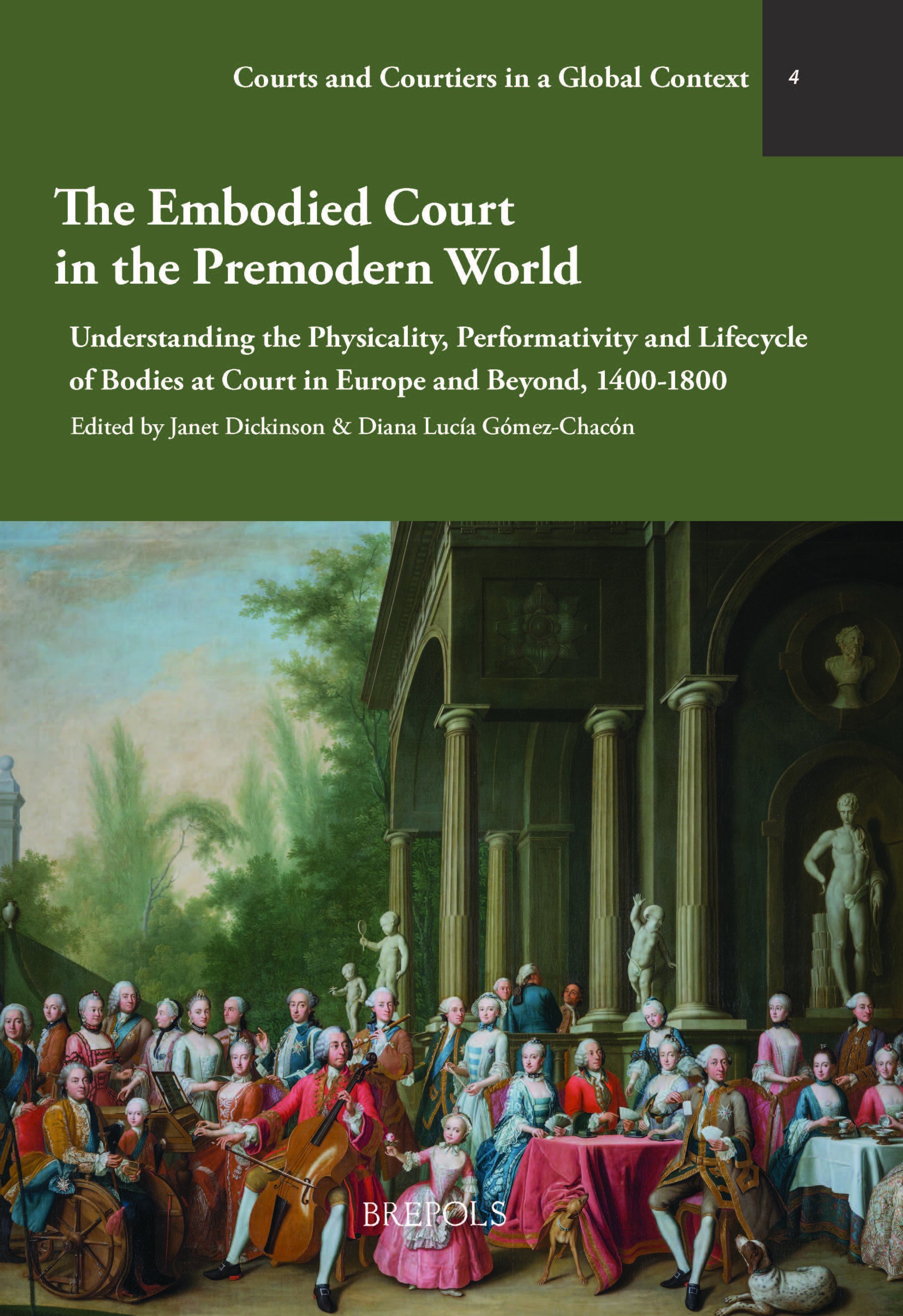 The Embodied Court in the Premodern World
Understanding the Physicality, Performativity and Lifecycle of Bodies at Court in Europe and Beyond, 1400-1800
Volume 4

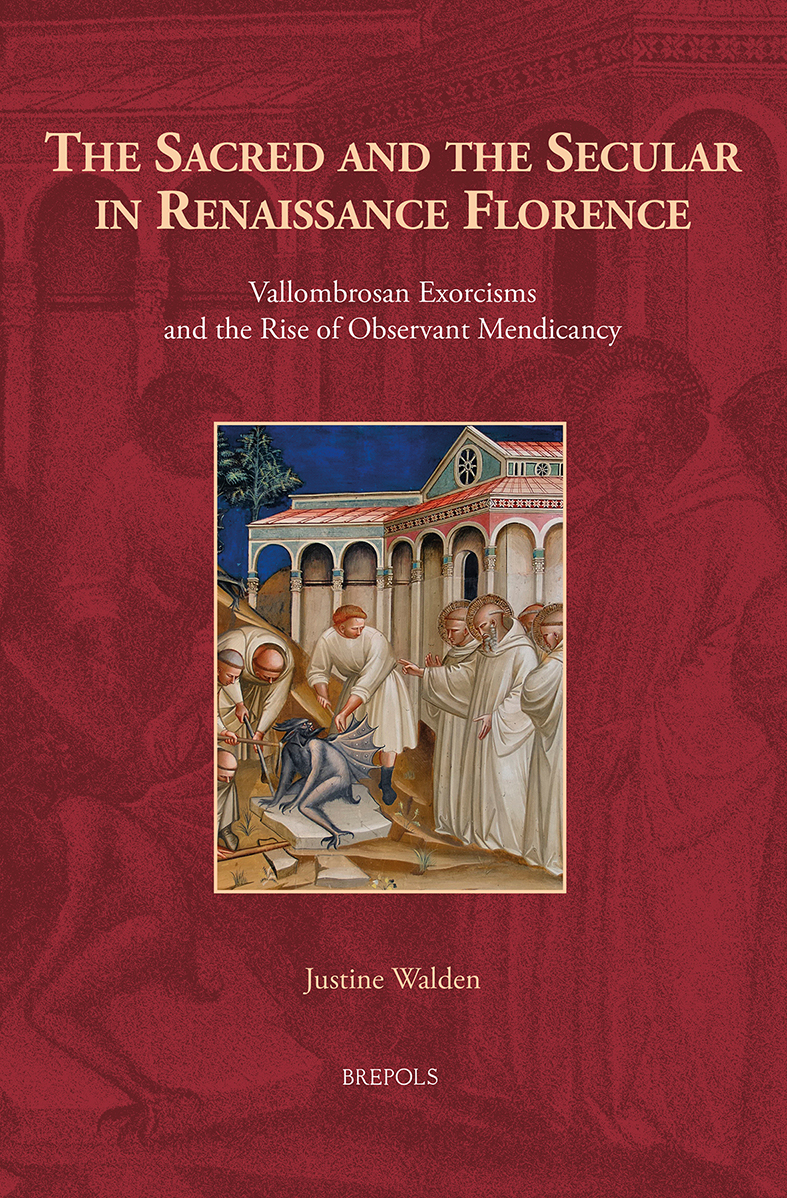 The Sacred and the Secular in Renaissance Florence
Vallombrosan Exorcisms and the Rise of Observant Mendicancy
Volume 31
 Tradition, Interpretation, and Change
Developments in the Liturgy of Medieval and Early Modern Ashkenaz


 À la recherche des normes de traduction
Textes spécialisés dans le monde hispanophone et francophone (1450–1850)

 Briefe einer Fürstin aus dem Dreißigjährigen Krieg
Die Korrespondenz der Kaiserin Maria aus den Jahren 1629 bis 1645
 Die Lutherbibel (1541) des Seidenstickers Hans Plock
Eine buchbiographische und kulturhistorische Untersuchung
Volume 89


