
The Creative Independence of Late Bronze Age Cyprus
An Account of the Archaeological Importance of White Slip Ware
by Kathryn O. Eriksson

This volume attempts to present a comprehensive account of the historical developments in Cyprus during the period of the production of White Slip Wares (ca 1580-1180 BC). Using the Kitchen chronology for the Egyptian New Kingdom, which commenced in 1540 BC, the study emphasizes the importance of archaeological records and how context analysis allows more precision in a relative chronology. This period witnessed the emergence of Cyprus into the political and economic interaction of the East Mediterranean. With special focus on White Slip pottery, the historical events outlined herein demonstrate the growth of Cyprus into a vibrant, independent society from the early 16th century BC into the 12th century BC. Throughout this period, Cyprus developed trade, cultural as well as “diplomatic” relations with the most powerful kingdoms of the surrounding area. A focal point of the study is the role of Cypriot wares – especially White Slip, Base-ring and Red Lustrous Wheel-made – on the island itself as well as in other places. A major role is given to White Slip as it is considered a chronological beacon in the analysis of events during the Late Bronze Age, a time when there are few historical references to the island and its people. Comprising eight chapters, this comprehensive analysis of Cyprus’s material culture is accompanied by a historical account in which the period in Cyprus from 1580-1180 BC is divided into seven chronological periods based on Astrom’s original chronology. The comprehensive historical discussion in Chapter VII seeks to depict the interactions between Cyprus and the surrounding cultures during this period. The interpretation of the evidence shows that the island’s leaders were skilful in achieving a balance between the interests of these various civilizations, which included the Minoan and Mycenaean from the Aegean, the Canaanite groups, the Hittite Empire, and of course the Egyptians. The evidence shows that independent Late Bronze Age Cyprus established extensive trade and diplomatic links with these societies – notwithstanding the various conflicts among them. The Cypriots managed this within the complex and changing interrelationships between the empires during these very turbulent times. In so doing, Late Bronze Age Cyprus managed to develop the creative skills of its people – this especially reflected in the wide range of its ceramic wares (such as White Slip) as well as their extensive production and distribution to many lands.
- By (author) Kathryn O Eriksson
Other Titles in this Series


 Sea Peoples’ Up-to-Date
New Research on Transformation in the Eastern Mediterranean in 13th-11th Centuries BCE
Volume 81
Similar Books

 Caesar’s Visions and Impact on the Roman Empire
Revisiting the Archaeological and Historical Record of the 40s BC
Volume 2


 Etruscan and Roman Hellenistic Anatomical ex votos
Reassessing Popular Religious Expressions in Central Italy
Volume 8


 Invisible Labour in Antiquity
Visualizing Obscure Work in the Ancient Mediterannean and West Asia
Volume 1
 Late Antique villae in the Balkans (3rd–7th c. AD): Current Research Questions and Perspectives
HAEMUS Companion to the Late Antique Balkans 1
Volume 4


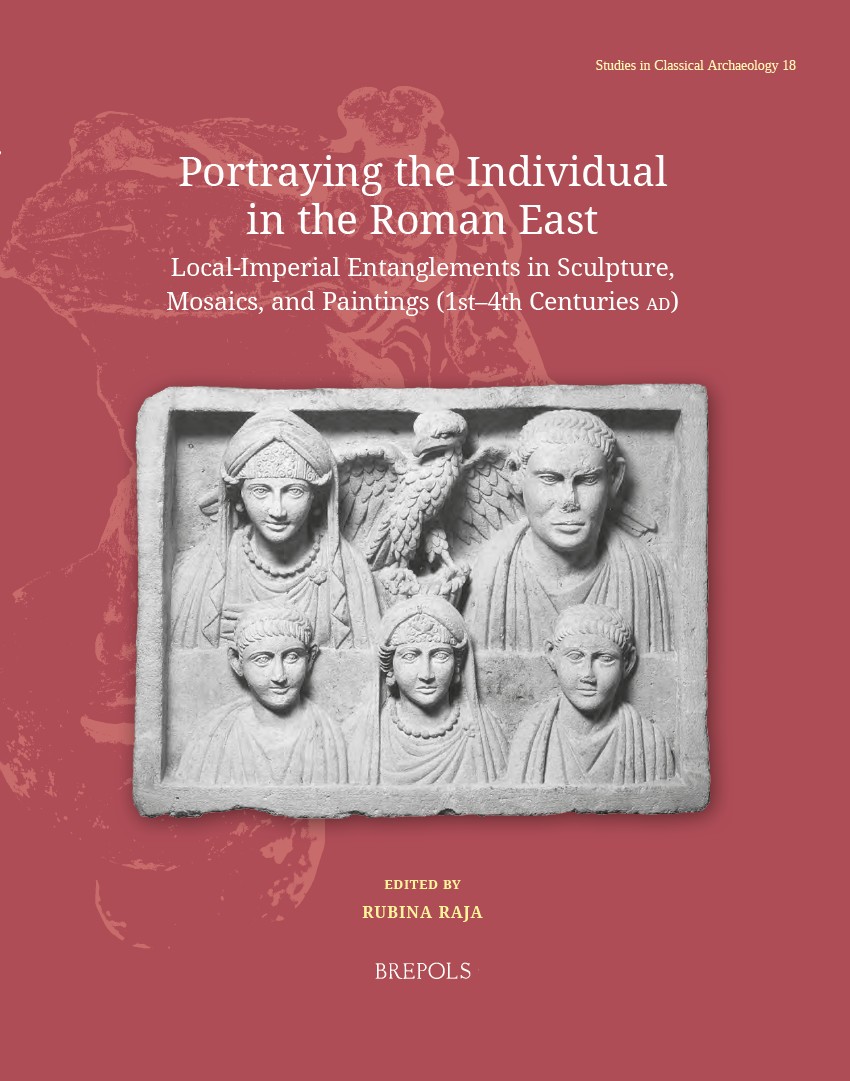 Portraying the Individual in the Roman East
Local–Imperial Entanglements in Sculpture, Mosaics, and Paintings (First–Fourth Centuries AD)
Volume 18

 Small Worlds and Relational Agencies: Local Societies in Early Medieval Iberia
Pequeños mundos y Agencias relacionales: Sociedades locales altomedievales en la Península Ibérica

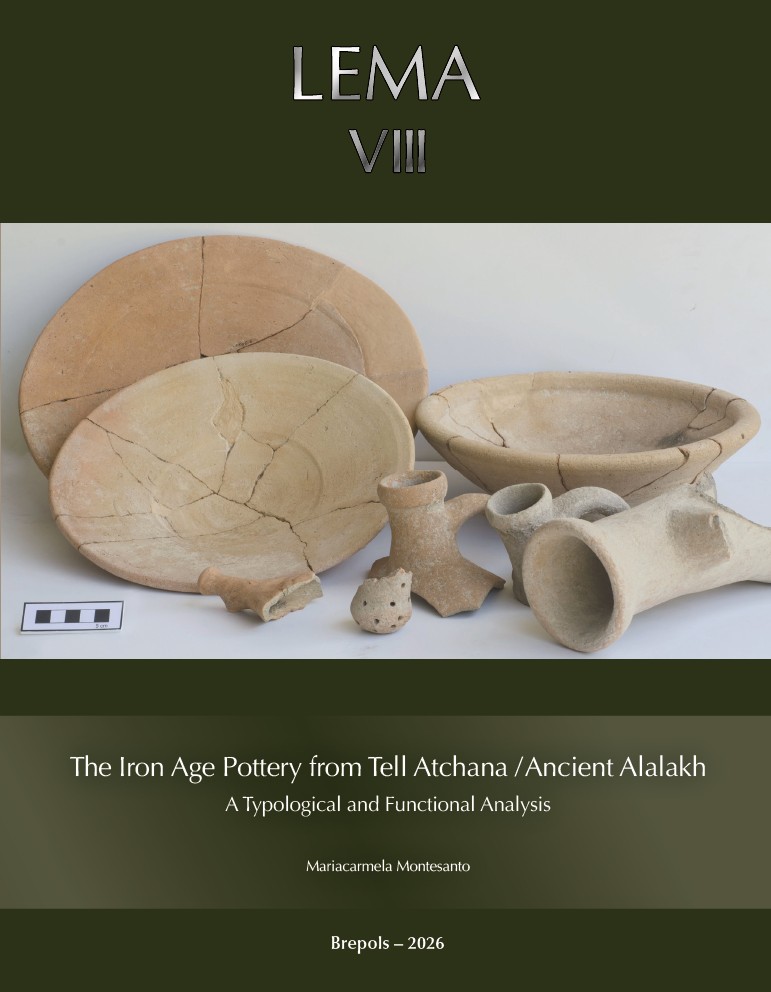 The Iron Age Pottery from Tell Atchana / Ancient Alalakh
A Typological and Functional Analysis
Volume 8

 Writing in the Church of the Nativity in Bethlehem
Inscription and Graffiti in a Multilingual and Multigraphic Perspective
Volume 45


 Atlante tematico di topografia antica 36-2026
Urbanistica e monumenti, porti, Roma. Ricerche sui monti Aurunci
Volume 36
 Cerámica común romana y ciclo haliéutico
Análisis de los contextos de las cetariae de Iulia Traducta

 Nuove scoperte e progressi nelle metodologie di rilievo e analisi dell’arte rupestre post-paleolitica in Italia
New discoveries and progress in the tracing and analysis methodologies of the post-Paleolithic rock art in Italy


 A Dramatic Event in Late Roman Florence
The Anomalous Burial Site Discovered beneath the Uffizi Gallery

 Alexander the Great and the Campaign of Gaugamela
New Research on Topography and Chronology. IAMNI 1 (Italian Archaeological Mission to Northern Iraq)
Volume 53


 Ceramic Finds in Context (Roman to Early Islamic Times)
Final Publications from the Danish-German Jerash Northwest Quarter Project VII
Volume 13