
Stoische Ethik und platonische Bildung
Simplikios' Kommentar zu Epiktets 'Handbuchlein der Moral'
by Christian Vogel

Hardback (Out of print)
(January 2014)
ISBN: 9783825362669
6.06 x 9.21 inches
Price: $53.00
On back order
English summary: In its fundamental assumptions about epistemology, ontology, and psychology, Stoic philosophy is diametrically opposed to Platonism. If Simplicius of Cilicia, a philosopher of the Neoplatonic School, esteemed the work of a Stoic with an extensive commentary and gave a place to the same Stoic in his curriculum of the philosophical education, then it appears the conventional judgment about Neoplatonism as a thoroughly integrative and harmonizing philosophy is indeed accurate. A view of the educational commitments of Neoplatonism and the extensively treated epistemological foundation of Stoicism found in the currently selected texts affords an occasion both for skepticism concerning these claims as well as a nuanced investigation of the relationship between Platonic and Stoic ethics in Late Antiquity. Using the example of Simplicius commentary on the Handbook of Epictetus the present book presents the possibilities of the use of Stoic texts as a preparation for the introduction to the Neoplatonic education program and it argues that that the use of this text did not lead to a blending of Stoic theories with those of Plato and Aristotle. Thus Simplicius offers with his commentary a scholarly ethics of Neoplantonism, with which the presentation and description of the instructions of Epictetus for the uneducated serves both as a first step in the philosophical life and also discloses in the later commentaries the rational justification of this call to action. German description: Die stoische Philosophie steht in ihren grundsatzlichen Annahmen zur Erkenntnistheorie, zur Ontologie und zur Psychologie dem Platonismus diametral entgegen. Wenn mit Simplikios ein Philosoph der neuplatonischen Schule das Werk eines Stoikers durch eine ausfuhrliche Kommentierung wurdigt und diesem im Curriculum des Philosophieunterrichts einen Platz einraumt, scheinen sich die gangigen Vorurteile gegen den Neuplatonismus als eine alles vereinnahmende und harmonisierende Philosophie zu bestatigen. Ein Blick auf das Bildungsverstandnis des Neuplatonismus und den in den Texten ausfuhrlich reflektierten erkenntnistheoretischen Grundlagen bietet jedoch Anlass sowohl zur Skepsis gegenuber diesen Vorwurfen als auch zu einer differenzierten Untersuchung des Verhaltnisses von platonischer und stoischer Ethik in der Spatantike. Am Beispiel von Simplikios’ Kommentar zum ‘Handbuchlein der Moral’ des Epiket soll im vorliegenden Buch die Moglichkeit der Verwendung stoischer Texte als Vorbereitung fur den Einstieg in das neuplatonische Bildungsprogramm dargelegt und begrundet werden, ohne dass der Einsatz dieser Texte zu einer Vermischung der stoischen mit den platonisch-aristotelischen Theorien fuhrt. So liefert Simplikios mit seinem Kommentar eine wissenschaftliche Ethik des Neuplatonismus, die mit der Darlegung und Beschreibung der Anweisungen Epiktets dem Unkundigen sowohl einen ersten Zugang in das philosophische Leben bietet als auch mit seinen weiterfuhrenden Kommentierungen die rationalen Begrundungen dieser Handlungsaufforderungen offenlegt.
- By (author) Christian Vogel
Other Titles in this Series
 Die Moderne und die Antike
Grunde und Folgen des grossten Kulturbruchs in der Geschichte Europas
Volume 16

 Olympiodors Kommentar zu Platons ‘Gorgias’
Eine Gegenuberstellung seiner modernen und seiner antiken Interpretation
Volume 11
 Dichtung als Wissenschaft und Unterrichtsgegenstand
Zur Poetik im fruhen italienischen Humanismus (von Petrarca bis Battista Guarino)
Volume 25

 A Systematic Research of the Platonic Perception-Theory
Plato's Analysis of Human Beings' Perception Ability Derived from the Conditions of the World's Perceptibility
Volume 20


 Orte des Schreibens, Landschaften des Denkens
Die romische Villa als 'secessus litterarius' und ihre Rezeption im deutschen 18. Jahrhundert
Volume 24


 Das Allgemeine bei Alexander von Aphrodisias
Ein Nachweis seiner dreifachen Differenzierung
Volume 28


 Visionen neuer Wissenschaft
Zur dialogischen Dichtung von Dante Alighieri und Johannes Kepler
Volume 19


Similar Books


 Drunk the Potion, No Whit Charmed
The Doctrine of Pure and Perfect Souls from Iamblichus to Damascius

 Libertinage et philosophie à l’époque classique (XVIe-XVIIIe siècle)
Athéisme, Modernité et Sécularisation / Atheism, Modernity and Secularization
Volume 23

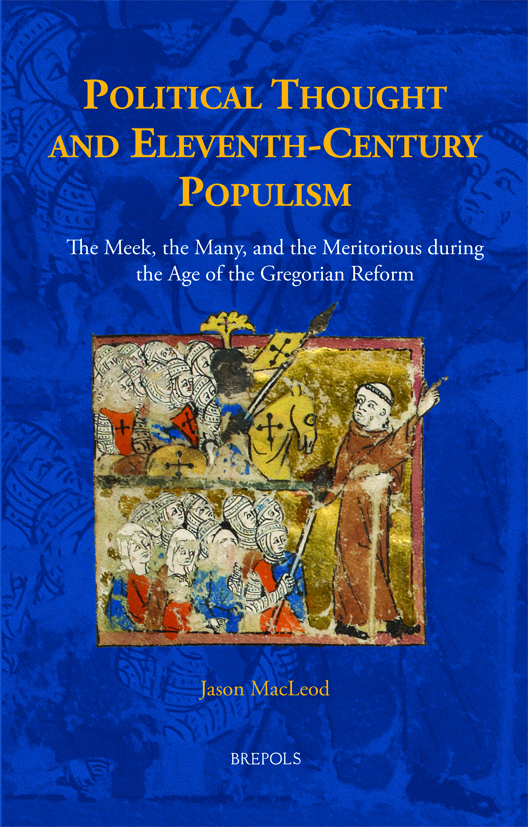 Political Thought and Eleventh-Century Populism
The Meek, the Many, and the Meritorious during the Age of the Gregorian Reform
Volume 38


 The Latin Hermes in Translation
Asclepius, Glosses on Trismegistus, Book of Six Principles of Things, Book of 24 Philosophers
Volume 50

![Book cover: Transitive Media [Philosophy]](https://isd.stisonbooks.com/images/books/native/9781804132333.jpg?asset_id=66970)


 Éthique, politique, religions
Superstition (XVIIe - XXIe siècles). Sémantique, histoires et cultures


 Lehrreiche Literatur
Die didaktische Gestaltung von Plutarchs Quaestiones Graecae und Romanae und Gellius' Noctes Atticae


 Sitten zwischen Moralphilosophie und Politischer Okonomie am Ende des 18. Jahrhunderts
Mit einer zweisprachigen Edition von Ludwig Heinrich Jakobs Preisschrift Quelles sont les institutions les plus propres a fonder la morale d'un peuple

 Theologische Anthropologie in G. E. Lessings Frühwerk
Literarische Bilder von Gemeinschaft und Nonkonformität, Glück und Sünde

