Sklaverei und sklavereiahnliche Lebensformen nach altassyrischen KeilschriftquellenN
by Sarah Schluter
Hardback (Published)
(June 2024)
ISBN: 9783963271724
6.65 x 9.45 inches
Price: $125.00
In stock
The study offers a comprehensive overview of slavery and its manifestations in the 19th and 18th centuries BC based on texts from the Old Assyrian site Kane/Kultepe. The term “slave” was deliberately defined broadly and openly because the terminology makes it impossible to determine whether a person described as a “wardum” was a permanent slave or a debt slave. Within Old Assyrian society, neither slaves nor other groups of people were necessarily differentiated from one another.
The study offers a comprehensive overview of slavery and its manifestations in the 19th and 18th centuries BC based on texts from the Old Assyrian site Kane/Kultepe. The term “slave” was deliberately defined broadly and openly because the terminology makes it impossible to determine whether a person described as a “wardum” was a permanent slave or a debt slave. Within Old Assyrian society, neither slaves nor other groups of people were necessarily differentiated from one another. They could be in various dependent relationships, could work purely as “unskilled workers” (slaves in the household), but also as self-employed employees in trade. This meant that they were able to occupy different positions in society despite the uniform designation “slave”. Many of them were not considered “objects”; although they were highly dependent on another person, both legally and in terms of work, they could not be considered the property of that person. Only people who have been explicitly described as “wardum” “slave” can be identified as slaves. Among the people who were referred to as “amtum”, in addition to female slaves, there were also so-called “second wives” or “traveling wives” who can only be identified based on an archival context and based on their tasks. In many cases, separation is not possible or can only be assumed based on the context. The “boys” (“suharum”) are made up of different groups: (1) sons of the traders, (2) hirelings/employees of the traders and (3) slaves. In contrast, it has become apparent that the people described as “suhartum” “girl, young woman” were not slaves. In addition to the terminology for slaves (Chapter 3), the study is also dedicated to legal aspects of slavery (Chapter 4 – slaves as a legal object; slaves as a legal subject; termination of slave status), the daily life of slaves (Chapter 5 – work in companies and families, names of slaves) and the geographical dimension of slavery (Chapter 6 – origin and ethnicity of slaves). Extensive indices conclude the volume.
- By (author) Sarah Schluter
Other Titles in this Series
 ‘I Passed over Difficult Mountains’
Studies on the Ancient Near East in Honor of Mario Liverani
Volume 28
 Grenzuberschreitungen. Studien zur Kulturgeschichte des Alten Orients
Festschrift fur Hans Neumann zum 65. Geburtstag am 9. Mai 2018
Volume 5
 Institutionelle Sklaverei in Tempel und Palast in Sudmesopotamien wahrend der altbabylonischen Zeit
Volume 23
 Beitrage zur Kenntnis und Deutung altorientalischer Archivalien
Festschrift fur Helmut Freydank zum 80. Geburtstag
Volume 6
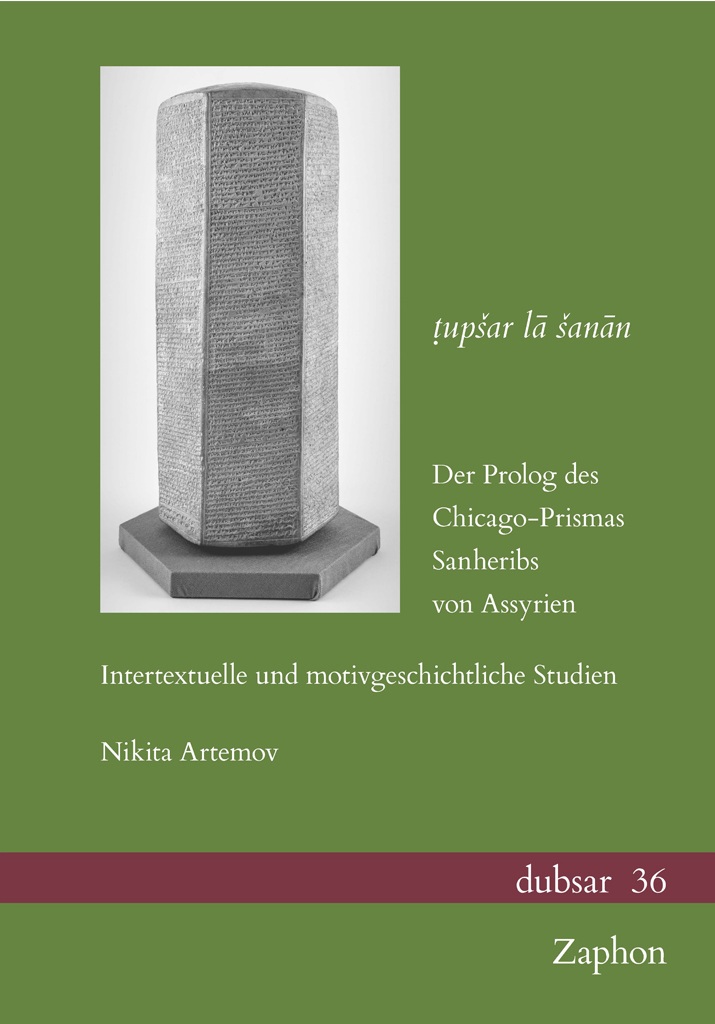 ṭupšar lā šanān
Der Prolog des Chicago-Prismas Sanheribs von Assyrien. Intertextuelle und motivgeschichtliche Studien
Volume 36
 The Sumerian Zame Hymns from Tell Abū Ṣalābīḫ
With an Appendix on the Early Dynastic Colophons
Volume 12
 Explaining Disaster
Tradition and Transformation of the 'Catastrophe of Ibbi-Sin' in Babylonian Literature
Volume 13
 The Ilia A Archive
The Babylonian Socio-economic Landscape as Mirrored in the Archive of a Priestly Family in the First Millennium BCE
Volume 34

 mu-zu an-za3-se3 kur-ur2-se3 he2-gal2
Altorientalistische Studien zu Ehren von Konrad Volk
Volume 17

 Kultur – Kontakt – Kultur
Beiträge anlässlich der 66. Rencontre Assyriologique Internationale in Frankfurt/Main und Mainz, 25.–29. Juli 2022
Volume 35
Similar Books





 Boğazköy Tablets in the Museum of Anatolian Civilizations (Bo 9032–Bo 9097)
Anadolu Medeniyetleri Müzesinde Bulunan Boğazköy Tabletleri (Bo 9032–Bo 9097)
Volume 4
 Connecting the Dots: Counting, Writing, and the Beginnings of Civilization
The Secret Lives of Clay Tokens: A Memoir

 Curating the Prehistoric Past
Studies on West Asian Archaeology and Beyond in Honour of Yoshihiro Nishiaki

 Exploring Gender Dynamics across the Ancient Near East
Collected Essays of Gender and Methodology in the Ancient Near East (GeMANE) 4 and 5
Volume 7


 Ḫattušaš utnē išḫameški
Hittite and Other Ancient Near Eastern Studies Presented to Piotr Taracha on the Occasion of His 65th Birthday



 Kultur – Kontakt – Kultur
Beiträge anlässlich der 66. Rencontre Assyriologique Internationale in Frankfurt/Main und Mainz, 25.–29. Juli 2022
Volume 35
 Money of Mercenaries in the Cimmerian Bosporus
From the Mithridatic Wars to the Roman-Bosporan War of AD 45-49
Volume 45

 New Research on Old Collections in Southwest Asian Archaeology
Proceedings of the Workshop Held at the British Museum, London, 31 July – 2 August, 2023
 Old Aramaic Inscriptions and their Contexts
An Epigraphic, Archaeological, and Historical Synthesis
Volume 63

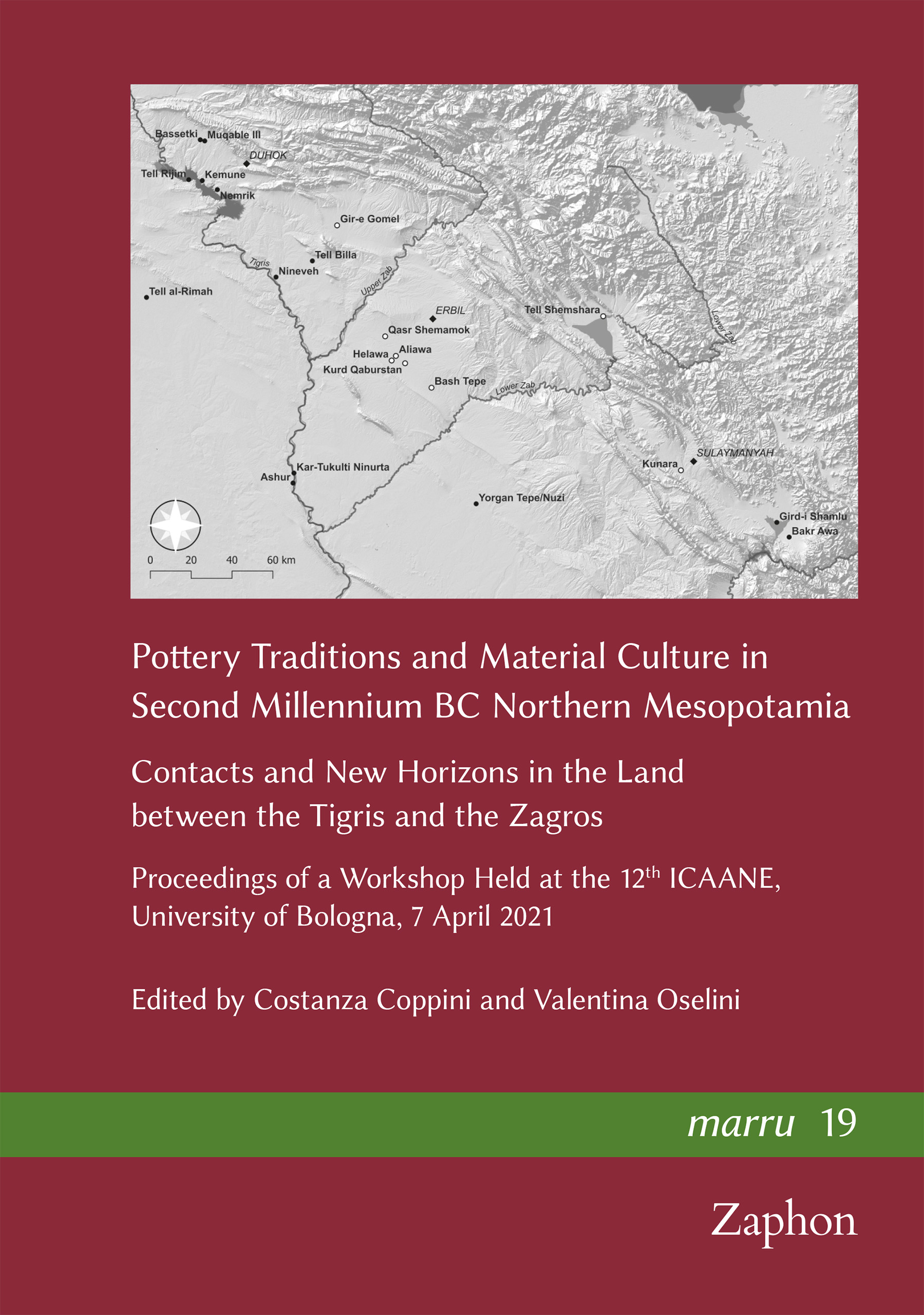 Pottery Traditions and Material Culture in Second Millennium BC Northern Mesopotamia
Contacts and New Horizons in the Land between the Tigris and the Zagros. Proceedings of a Workshop Held at the 12th ICAANE, University of Bologna, 7 April 2021
Volume 19
 Punning in Odd or Elegant Constructions in Jeremiah
The Convergence of Linguistics, Rhetoric, and Textuality in the Hebrew Text of Jeremiah

 Sertorius, the Exiles of the Sullan Regime and the Provinces of the Empire
Legitimacy, Morality and Imperial Discourse in the 70s BCE
 Shame in the Worlds of the Hebrew Bible and Akkadian Texts
A Linguistic Study and Its Implications
Volume 33

 Telling Contexts
Archaeological and Textual Studies in Honor of Elizabeth Bloch-Smith and Mark S. Smith
 The Body
Lived, Cultured, Adorned: Essays on Dress and the Body in the Bible and Ancient Near East in Honor of Nili S. Fox
 The Discourse of Rites
Shaping and Reshaping the (Counter-)Priestly Rituals Conducted Outside the Tabernacle
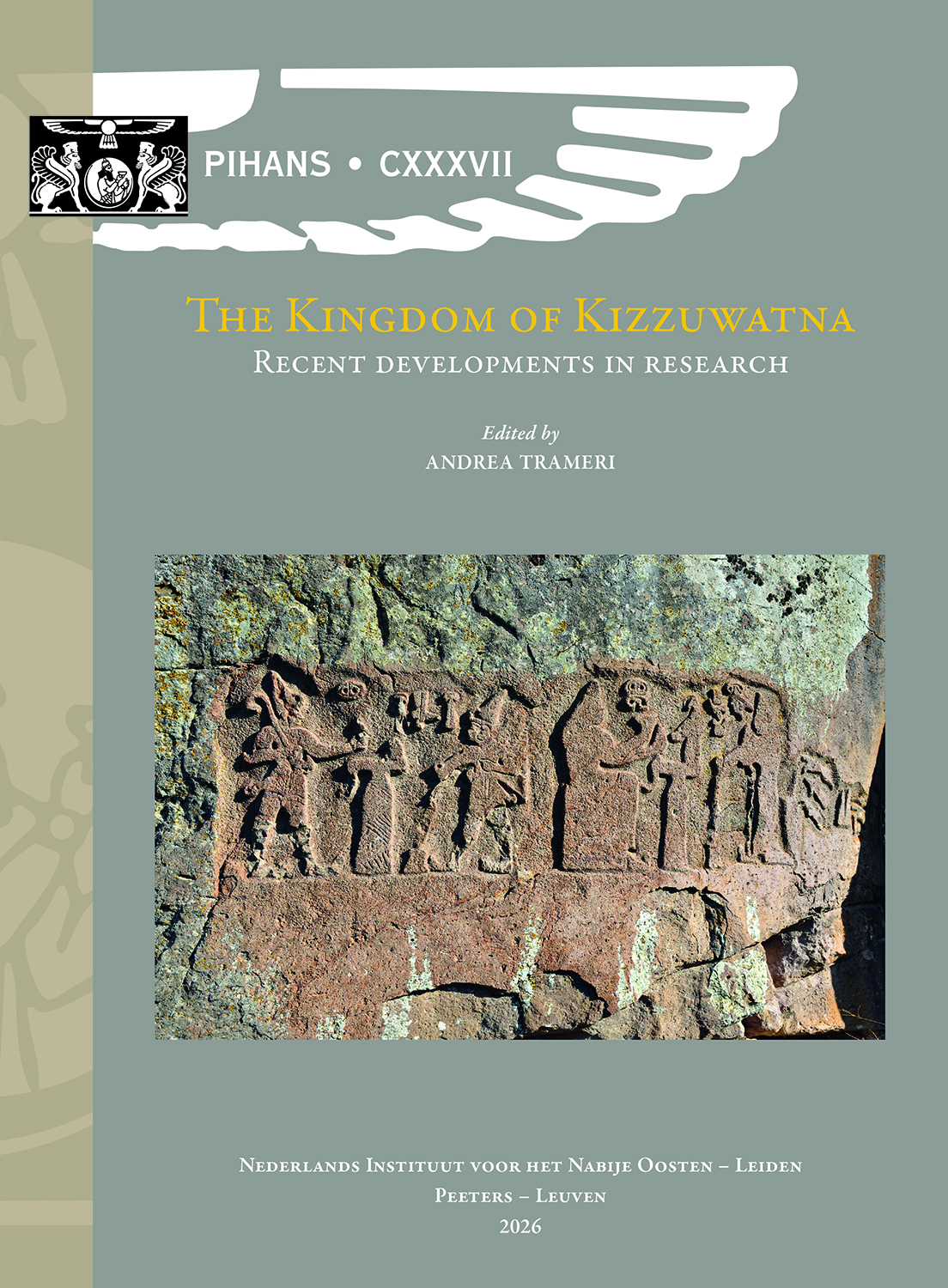 The Kingdom of Kizzuwatna: Recent Developments in Research
Proceedings of the Third NINO Postdoctoral Research Fellow Annual Conference, Leiden, 23rd-25th March 2023
Volume 137