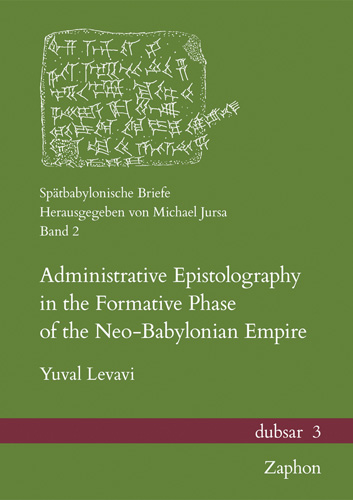
Administrative Epistolography in the Formative Phase of the Neo-Babylonian Empire
by Yuval Levavi
Hardback (Published)
(June 2018)
ISBN: 9783963270062
6.65 x 9.45 inches
Price: $163.00
In stock
The 215 “early Neo-Babylonian” administrative letters discussed and edited in this study stem from the two major Neo-Babylonian temple archives known to researchers today, Eanna and Ebabbar. The term “formative phase” of the Neo-Babylonian Empire refers to the ca. 40 years between Nabopolassar’s accession to the Babylonian throne in 626 BCE and the mid-reign of his son and successor, Nebuchadnezzar, ca. 585 BCE. In many ways, these letters are the closest we get to the erratic drama which was day-to-day life in Babylonia at the mid first millennium BCE. The letters were a vital administrative tool, necessary for the ongoing functioning of these institutions. As such, they provide first-hand testimony for the tasks and obstacles that the Neo-Babylonian bureaucrats faced.
The 215 “early Neo-Babylonian” administrative letters discussed and edited in this study stem from the two major Neo-Babylonian temple archives known to researchers today, Eanna and Ebabbar. The term “formative phase” of the Neo-Babylonian Empire refers to the ca. 40 years between Nabopolassar’s accession to the Babylonian throne in 626 BCE and the mid-reign of his son and successor, Nebuchadnezzar, ca. 585 BCE. In many ways, these letters are the closest we get to the erratic drama which was day-to-day life in Babylonia at the mid first millennium BCE. The letters were a vital administrative tool, necessary for the ongoing functioning of these institutions. As such, they provide first-hand testimony for the tasks and obstacles that the Neo-Babylonian bureaucrats faced. This, to some extent, is also true for the legal texts from the archives, and to a lesser extent for the administrative notes. Both groups in fact far surpass the letters in terms of numbers of texts. However, the ad hoc and ephemeral nature of letters, as well as their not strongly standardised phrasing, let us tap into their authors’ sense of identity and state of mind. Moreover the patterns of communication between these officials are an important source of information on administrative hierarchies, networks of dependencies and patronage, and bureaucratic procedures. The Neo-Babylonian letters are still one of the most underrepresented and underexploited source material in Neo-Babylonian studies. This is due to the lack of up-to-date editions, the “elusive nature” of epistolography (namely the difficulty in accurately dating and contextualising the letters), as well as the unique philological difficulties of the texts. These factors are in fact feeding each other. No systematic attempt has been made to date and contextualise the Neo-Babylonian administrative letters and they have never been studied as a group. Three interdependent goals stand at the base of this study: 1. Establishing new, up-to-date editions of the early Neo-Babylonian letters from Eanna and Ebabbar; 2. studying these letters as a distinct text group; 3. contextualising the letters. – The study is supplemented by extensive indices.
1. INTRODUCTION 1.1. Periodisation 1.2. Goals and methods 1.3. The sources and the archives 1.4. State of the problem 1.5. On the translation 2. METHODOLOGICAL ASPECTS 2.1. Definition and function of a 2.2. The structure of a letter 2.3. Letters as administrative reports 2.4. Rhetoric and methods of persuasion 2.5. Methods of dating 3. THE BASICS OF EPISTOLOGRAPHIC COMMUNICATION 3.1. Language 3.2. The tablets 3.3. Sending a letter 3.4. The messengers (m?r ipri) 4 . ADMINISTRATIVE PROCEDURES 4.1. Temples' high officials 4.2. Rules of administrative practice referred to in the letters 5. TOPICS OF CORRESPONDENCE 5.1. Building and infrastructure projects 5.2. Military service 5.3. Agriculture 5.4. Cult 5.5. Management of personnel
legal problems and court procedure 6. COMPARISON WITH EARLIER AND LATER LETTER CORPORA 6.1. The Babylonian letters from the "State Archives of Assyria" (SAA) 6.2. Achaemenid (and late Neo-Babylonian) letters from Eanna and Ebabbar 7. TEXT EDITIONS 7.1. Letters from Eanna (Uruk) 7.2. Letters from Ebabbar (Sippar) 7.3. Appendix A 7.4. Appendix B 8. GLOSSARY 9. BIBLIOGRAPHY INDICES
- By (author) Yuval Levavi
Other Titles in this Series
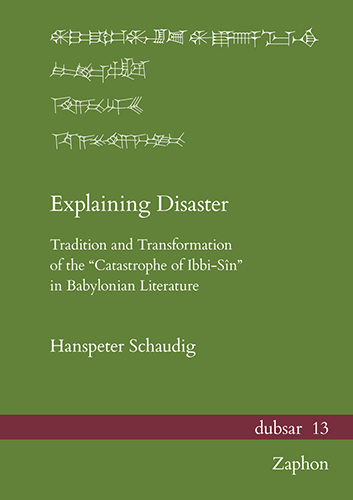 Explaining Disaster
Tradition and Transformation of the 'Catastrophe of Ibbi-Sin' in Babylonian Literature
Volume 13



 mu-zu an-za3-se3 kur-ur2-se3 he2-gal2
Altorientalistische Studien zu Ehren von Konrad Volk
Volume 17
 Kultur – Kontakt – Kultur
Beiträge anlässlich der 66. Rencontre Assyriologique Internationale in Frankfurt/Main und Mainz, 25.–29. Juli 2022
Volume 35
 ‘I Passed over Difficult Mountains’
Studies on the Ancient Near East in Honor of Mario Liverani
Volume 28
 Current Research in Early Mesopotamian Studies
Workshop Organized at the 65th Rencontre Assyriologique Internationale, Paris 2019
Volume 21
 Grenzuberschreitungen. Studien zur Kulturgeschichte des Alten Orients
Festschrift fur Hans Neumann zum 65. Geburtstag am 9. Mai 2018
Volume 5
 Institutionelle Sklaverei in Tempel und Palast in Sudmesopotamien wahrend der altbabylonischen Zeit
Volume 23
 ṭupšar lā šanān
Der Prolog des Chicago-Prismas Sanheribs von Assyrien. Intertextuelle und motivgeschichtliche Studien
Volume 36
 Beitrage zur Kenntnis und Deutung altorientalischer Archivalien
Festschrift fur Helmut Freydank zum 80. Geburtstag
Volume 6
 The Sumerian Zame Hymns from Tell Abū Ṣalābīḫ
With an Appendix on the Early Dynastic Colophons
Volume 12
Similar Books





 Boğazköy Tablets in the Museum of Anatolian Civilizations (Bo 9032–Bo 9097)
Anadolu Medeniyetleri Müzesinde Bulunan Boğazköy Tabletleri (Bo 9032–Bo 9097)
Volume 4
 Connecting the Dots: Counting, Writing, and the Beginnings of Civilization
The Secret Lives of Clay Tokens: A Memoir

 Curating the Prehistoric Past
Studies on West Asian Archaeology and Beyond in Honour of Yoshihiro Nishiaki

 Exploring Gender Dynamics across the Ancient Near East
Collected Essays of Gender and Methodology in the Ancient Near East (GeMANE) 4 and 5
Volume 7


 Ḫattušaš utnē išḫameški
Hittite and Other Ancient Near Eastern Studies Presented to Piotr Taracha on the Occasion of His 65th Birthday



 Kultur – Kontakt – Kultur
Beiträge anlässlich der 66. Rencontre Assyriologique Internationale in Frankfurt/Main und Mainz, 25.–29. Juli 2022
Volume 35
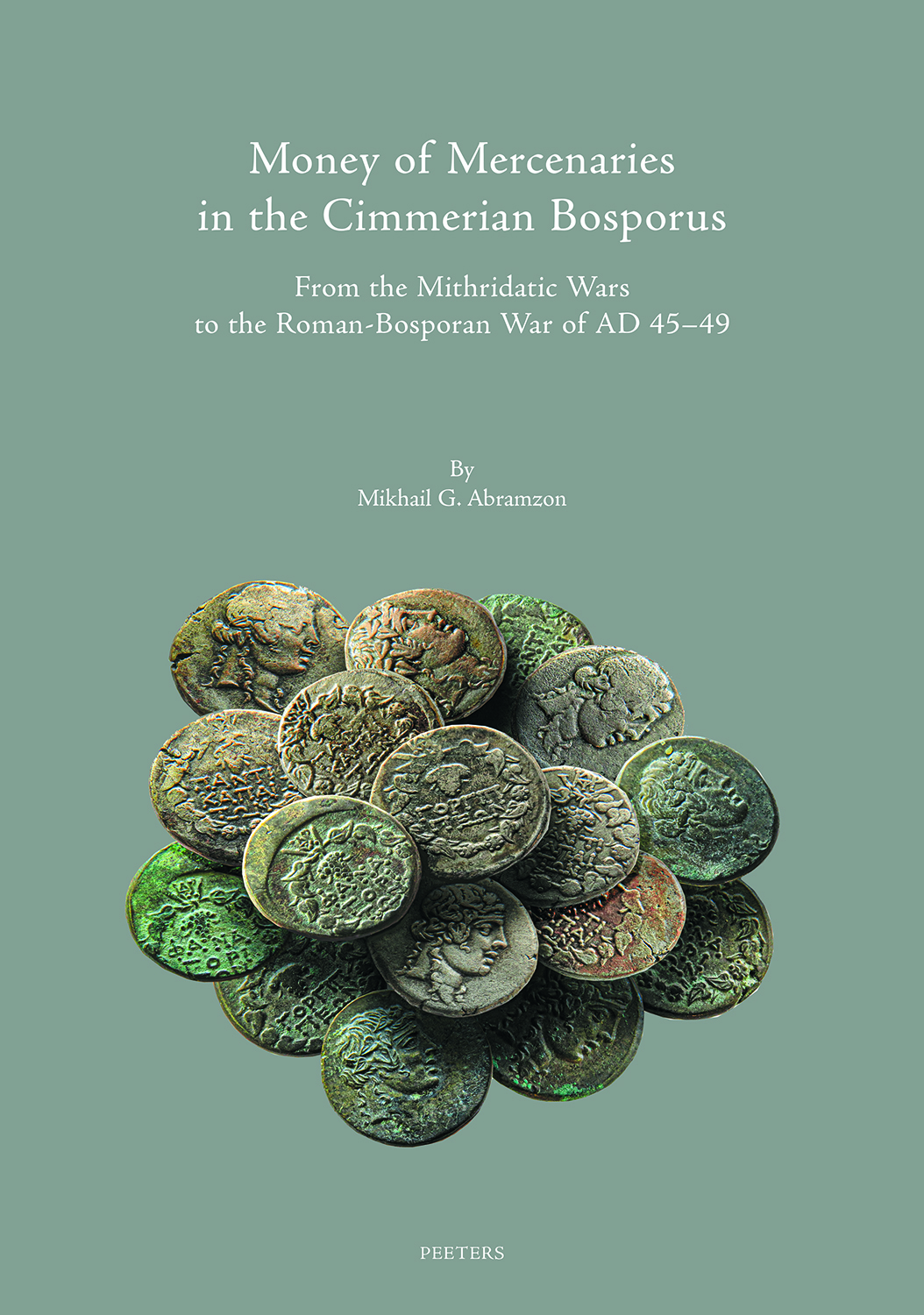 Money of Mercenaries in the Cimmerian Bosporus
From the Mithridatic Wars to the Roman-Bosporan War of AD 45-49
Volume 45

 New Research on Old Collections in Southwest Asian Archaeology
Proceedings of the Workshop Held at the British Museum, London, 31 July – 2 August, 2023
 Old Aramaic Inscriptions and their Contexts
An Epigraphic, Archaeological, and Historical Synthesis
Volume 63

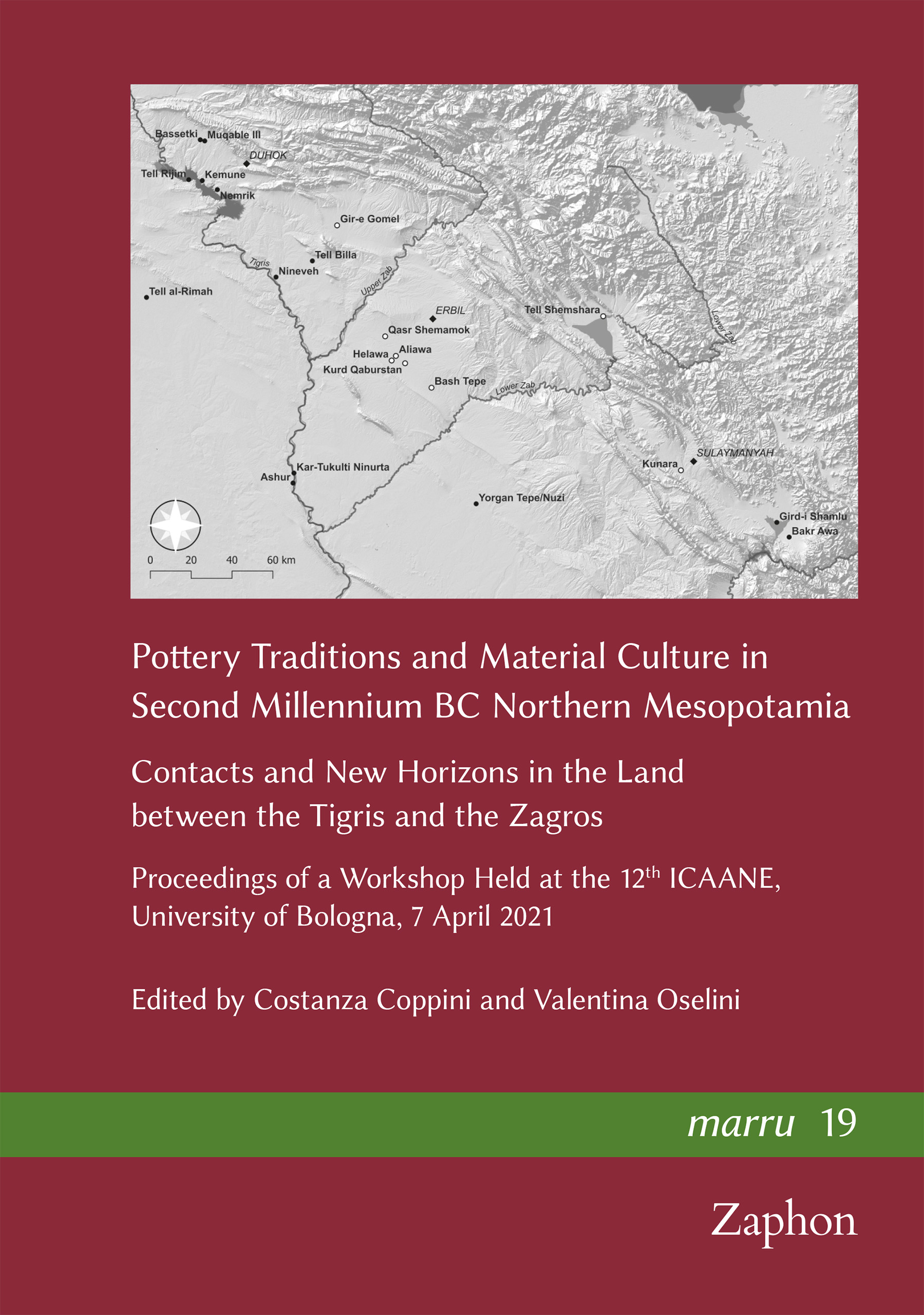 Pottery Traditions and Material Culture in Second Millennium BC Northern Mesopotamia
Contacts and New Horizons in the Land between the Tigris and the Zagros. Proceedings of a Workshop Held at the 12th ICAANE, University of Bologna, 7 April 2021
Volume 19
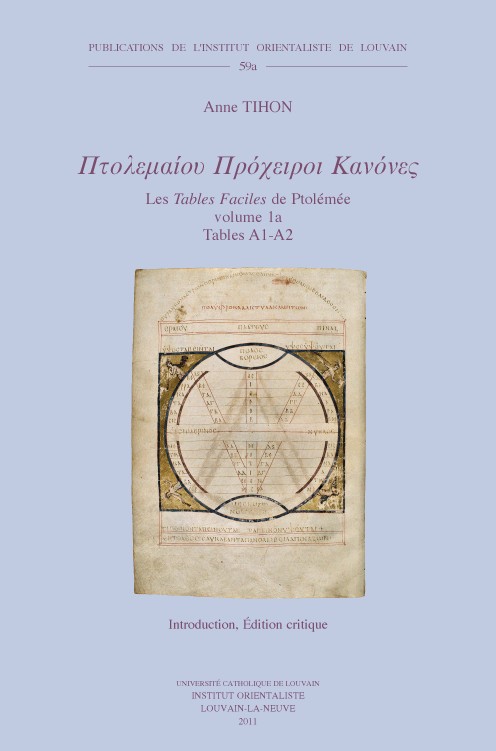
 Punning in Odd or Elegant Constructions in Jeremiah
The Convergence of Linguistics, Rhetoric, and Textuality in the Hebrew Text of Jeremiah

 Sertorius, the Exiles of the Sullan Regime and the Provinces of the Empire
Legitimacy, Morality and Imperial Discourse in the 70s BCE
 Shame in the Worlds of the Hebrew Bible and Akkadian Texts
A Linguistic Study and Its Implications
Volume 33

 Telling Contexts
Archaeological and Textual Studies in Honor of Elizabeth Bloch-Smith and Mark S. Smith
 The Body
Lived, Cultured, Adorned: Essays on Dress and the Body in the Bible and Ancient Near East in Honor of Nili S. Fox
 The Discourse of Rites
Shaping and Reshaping the (Counter-)Priestly Rituals Conducted Outside the Tabernacle
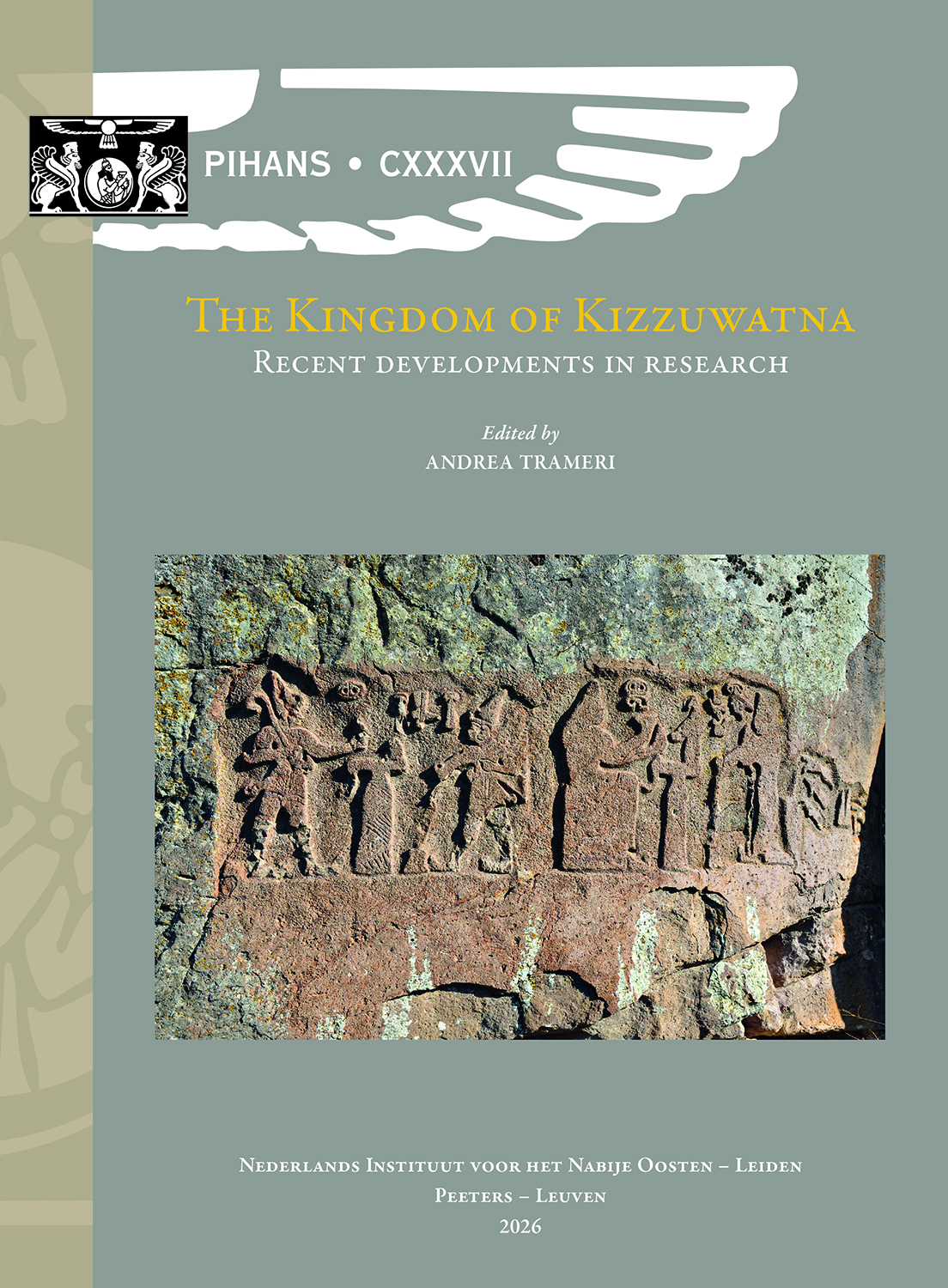 The Kingdom of Kizzuwatna: Recent Developments in Research
Proceedings of the Third NINO Postdoctoral Research Fellow Annual Conference, Leiden, 23rd-25th March 2023
Volume 137