
Ringen um Israel
Intertextuelle Perspektiven auf das 5. Buch Esra
By (author) V. Hirschberger
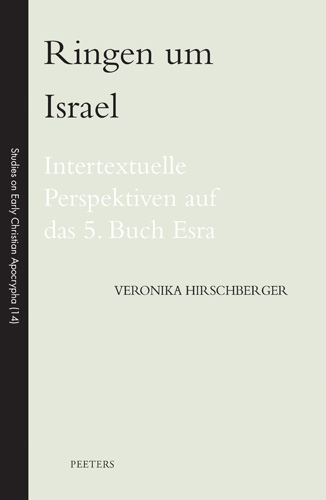
English summary: 5 Ezra is the designation given to the first two chapters of 4 Ezra, an apocryphal “Jewish/Christen” text, and likely counts as one of the least edited of the apocryphal texts, written in the first two centuries of the Christian era. This text has been handed on with 4 Ezra in the context of Vulgate Bible and exhibits various connection to other texts belonging to the canon. This work takes into consideration those connections and analyzes the intertextual connections between 5 Ezra, the Book of Baruch, the seventh chapter of Jeremiah, the Gospel of Matthew, the Book of Revelation, and 4 Ezra. This study poses important and fundamental questions about this text such as: how do these texts communicate with each other over common themes? How do “prophetic” texts stand in relationship to “apocalyptic” texts? How is the relationship between “Christianity” and “Judaism” in the second century to be understood? How are concepts, especially connected concepts, like Israel and “church,” represented in the texts of this period? The goal of this book is to make this exciting and little research text more comprehensible to modern audiences. German description: Das 5. Buch Esra gehort wohl zu den am wenigsten bearbeiteten ‘judisch/christlichen’ Apokryphen des (wahrscheinlich) 2. Jahrhunderts unserer Zeitrechnung. Dabei wird der Text gemeinsam mit 4 Esra im Anhang der Vulgata uberliefert und zeigt vielfaltige Beziehungen zu kanonisch gewordenen Texten auf. Auf eben solche Bezugnahmen blickt diese Arbeit und untersucht intertextuelle Bezuge zwischen 5 Esra und dem Buch Baruch, Jeremia 7, dem Matthaus-Evangelium, der Offenbarung des Johannes und 4 Esra. Dabei stehen groaere und grundsatzliche Fragen im Hintergrund: Wie lasst sich die ‘Kommunikation’ verschiedener Texte miteinander erfassen? In welchem Verhaltnis stehen ‘prophetische’ und ‘apokalyptische’ Texte zueinander? Wie ist das Verhaltnis von ‘Christentum’ und ‘Judentum’ im zweiten Jahrhundert zu denken? Und wie spiegelt sich die Beziehung und vielleicht auch die Spannung zwischen Israel und der ‘Kirche’ in den Texten dieser Zeit wider? Spuren fur mogliche Antworten sind in 5 Esra, dieser spannenden, kurzen und oft unterschatzten Schrift erkennbar.
- By (author) V. Hirschberger
Other Titles in this Series




Similar Books


 Apocrypha, Magic, Liturgy
The Multiple Identities of Coptic Prayers in Late Antique and Early Islamic Egypt
 Athanasius of Alexandria, Epistula ad episcopos Aegypti et Libyae
Old Slavonic Version and English Translation
Volume 261



 Contesting Labeled Identities
The Sociology of Gentilics in Biblical and Northwest Semitic Literature

 Cyril of Alexandria’s Christological Exegesis
Explorations of Partitive Exegesis in the Dialogues on the Trinity
Volume 70


 Epiphanies of the Divine in the Septuagint and the New Testament
Fifth International Symposium of the Corpus Judaeo-Hellenisticum Novi Testamenti (CJHNT), 14-17 May 2015, Nottingham


 Extracanonical Traditions and the Holy Land
Texts, Rituals, and Material Culture in Late Antique Palestine
 From Joseph to Jesus
The Joseph Narrative as a Compositional Template from Old Greek Esther to the Gospel of Luke
Volume 125





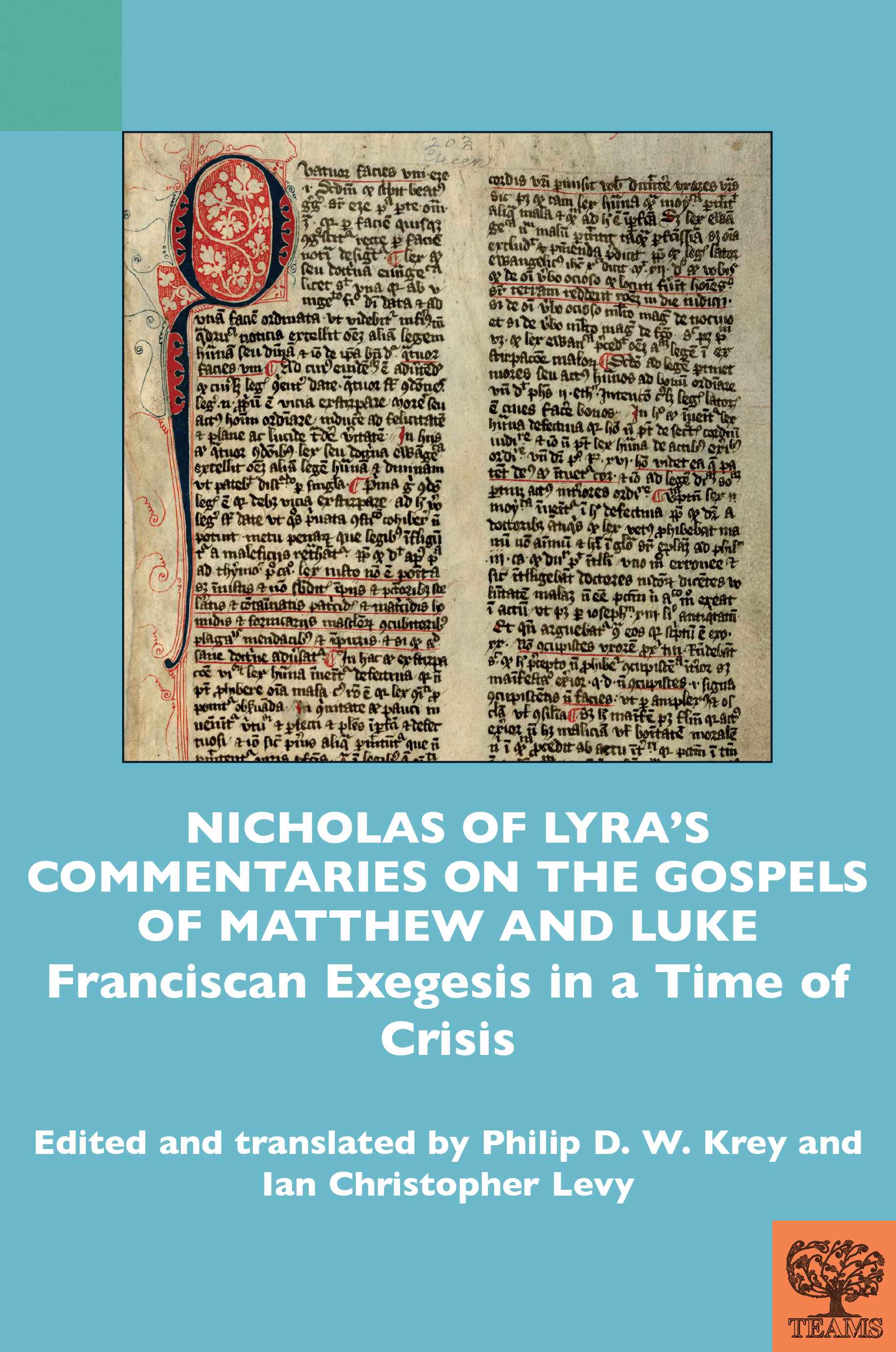 Nicholas of Lyra’s Commentaries on the Gospels of Matthew and Luke
Franciscan Exegesis in a Time of Crisis
 Paradise Lost in Transmission
The Return to Eden in the Apocalypse of Peter within Its Ethiopic and Early Christian Contexts




 Punning in Odd or Elegant Constructions in Jeremiah
The Convergence of Linguistics, Rhetoric, and Textuality in the Hebrew Text of Jeremiah
