
Pottery Production and Supply at Bronze Age Kolonna, Aegina
An Integrated Archaeological and Scietific Study of a Ceramic Landscape
by Walter Gauss, Evangelina Kiriatzi, edited by Florens Felten

Aegina has long been recognised as a major production centre of a variety of widely exported ceramic containers not only in the relatively recent past but also in Classical antiquity and especially during the Middle and Late Bronze Age. Moreover, the prehistoric ceramic industry based on Aegina has become an increasingly important phenomenon in recent scholarship dealing with the rise of complex societies in the Aegean world during 2nd millennium BC. Such persistence on pottery production on Aegina through time renders obvious that a combination of factors, such as socio-economic, historical and geographical ones, as well as the locally available raw materials and the attraction of Aeginetan ceramics at other sites, must be taken into consideration in addressing the development of a specialized potting centre on the island. This study is the first to undertake a comprehensive look at the Aeginetan ceramic industry during much of the Bronze Age (ca. 2500-1200 BC), aiming at shedding light upon the factors influencing transformations in potting traditions, and the growth and decline of a specialised pottery production centre on Aegina. Advocating a landscape approach, it concentrates not only on pottery production but also on supply and consumption of ceramic vessels on the island. The systematic stylistic study of the formal attributes of local products and imports at the site of Kolonna is combined with the investigation of their manufacturing technology and the compositional characterisation of their fabrics through petrographic and chemical analysis. This integrated archaeological and scientific examination of the pottery, together with research on the island’s resources, replication experiments and ethnoarchaeology, provides the ground for the reconstruction of the local potting traditions and the understanding variability observed within and across certain periods of the Bronze Age.
- By (author) Walter Gauss
- By (author) Evangelina Kiriatzi
- Edited by Florens Felten
Other Titles in this Series


 Sea Peoples’ Up-to-Date
New Research on Transformation in the Eastern Mediterranean in 13th-11th Centuries BCE
Volume 81
Similar Books

 Caesar’s Visions and Impact on the Roman Empire
Revisiting the Archaeological and Historical Record of the 40s BC
Volume 2


 Etruscan and Roman Hellenistic Anatomical ex votos
Reassessing Popular Religious Expressions in Central Italy
Volume 8

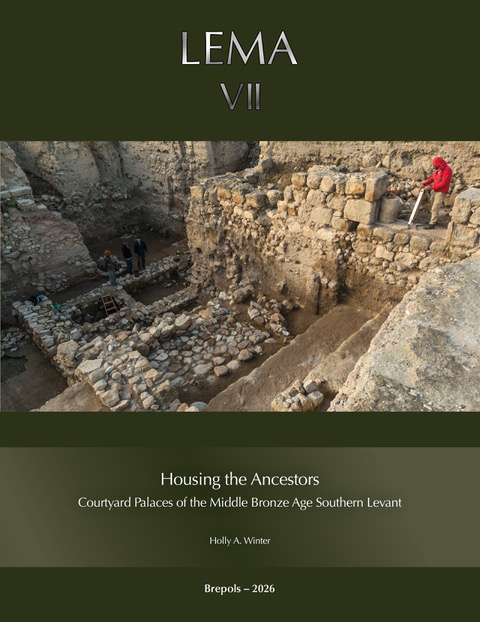

 Invisible Labour in Antiquity
Visualizing Obscure Work in the Ancient Mediterannean and West Asia
Volume 1
 Late Antique villae in the Balkans (3rd–7th c. AD): Current Research Questions and Perspectives
HAEMUS Companion to the Late Antique Balkans 1
Volume 4


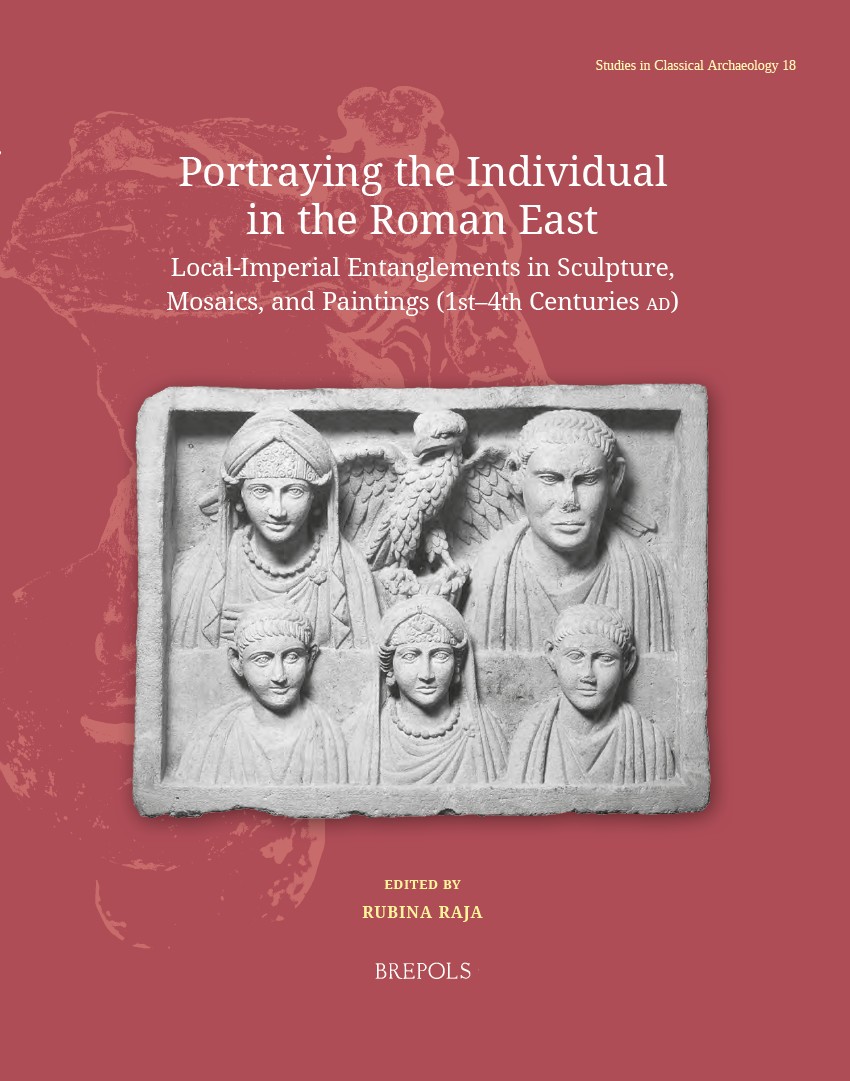 Portraying the Individual in the Roman East
Local–Imperial Entanglements in Sculpture, Mosaics, and Paintings (First–Fourth Centuries AD)
Volume 18

 Small Worlds and Relational Agencies: Local Societies in Early Medieval Iberia
Pequeños mundos y Agencias relacionales: Sociedades locales altomedievales en la Península Ibérica

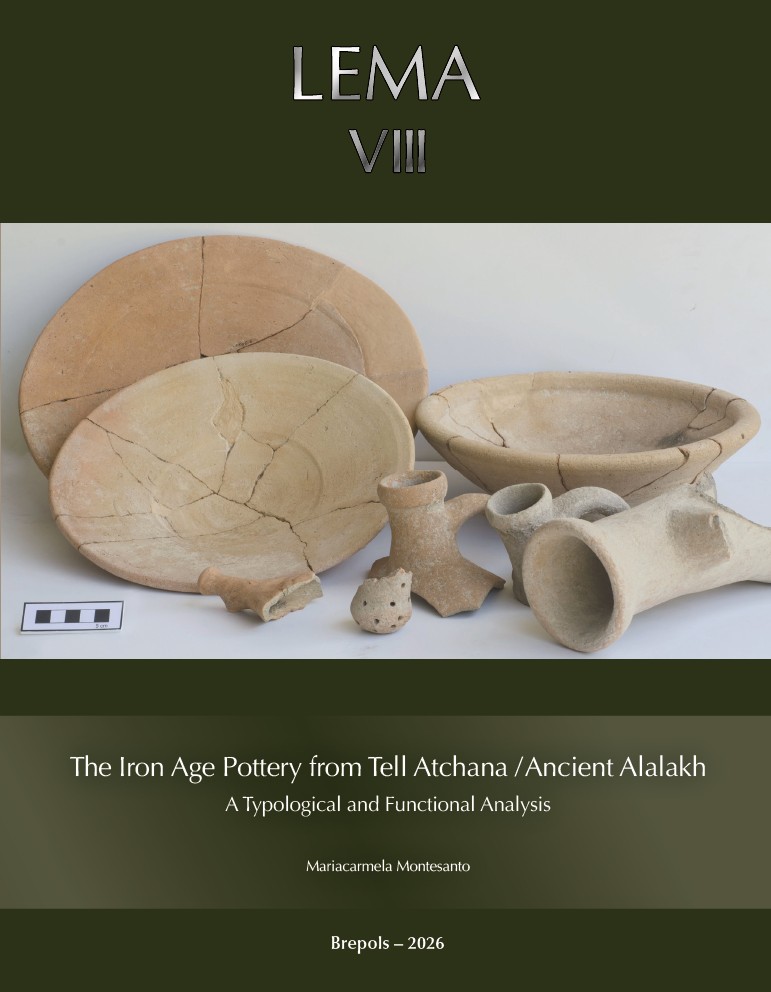 The Iron Age Pottery from Tell Atchana / Ancient Alalakh
A Typological and Functional Analysis
Volume 8

 Writing in the Church of the Nativity in Bethlehem
Inscription and Graffiti in a Multilingual and Multigraphic Perspective
Volume 45


 Atlante tematico di topografia antica 36-2026
Urbanistica e monumenti, porti, Roma. Ricerche sui monti Aurunci
Volume 36
 Cerámica común romana y ciclo haliéutico
Análisis de los contextos de las cetariae de Iulia Traducta

 Nuove scoperte e progressi nelle metodologie di rilievo e analisi dell’arte rupestre post-paleolitica in Italia
New discoveries and progress in the tracing and analysis methodologies of the post-Paleolithic rock art in Italy


 A Dramatic Event in Late Roman Florence
The Anomalous Burial Site Discovered beneath the Uffizi Gallery

 Alexander the Great and the Campaign of Gaugamela
New Research on Topography and Chronology. IAMNI 1 (Italian Archaeological Mission to Northern Iraq)
Volume 53


 Ceramic Finds in Context (Roman to Early Islamic Times)
Final Publications from the Danish-German Jerash Northwest Quarter Project VII
Volume 13