
Paul as a Leader in his Letters and Acts
By (author) Erich Benjamin Pracht
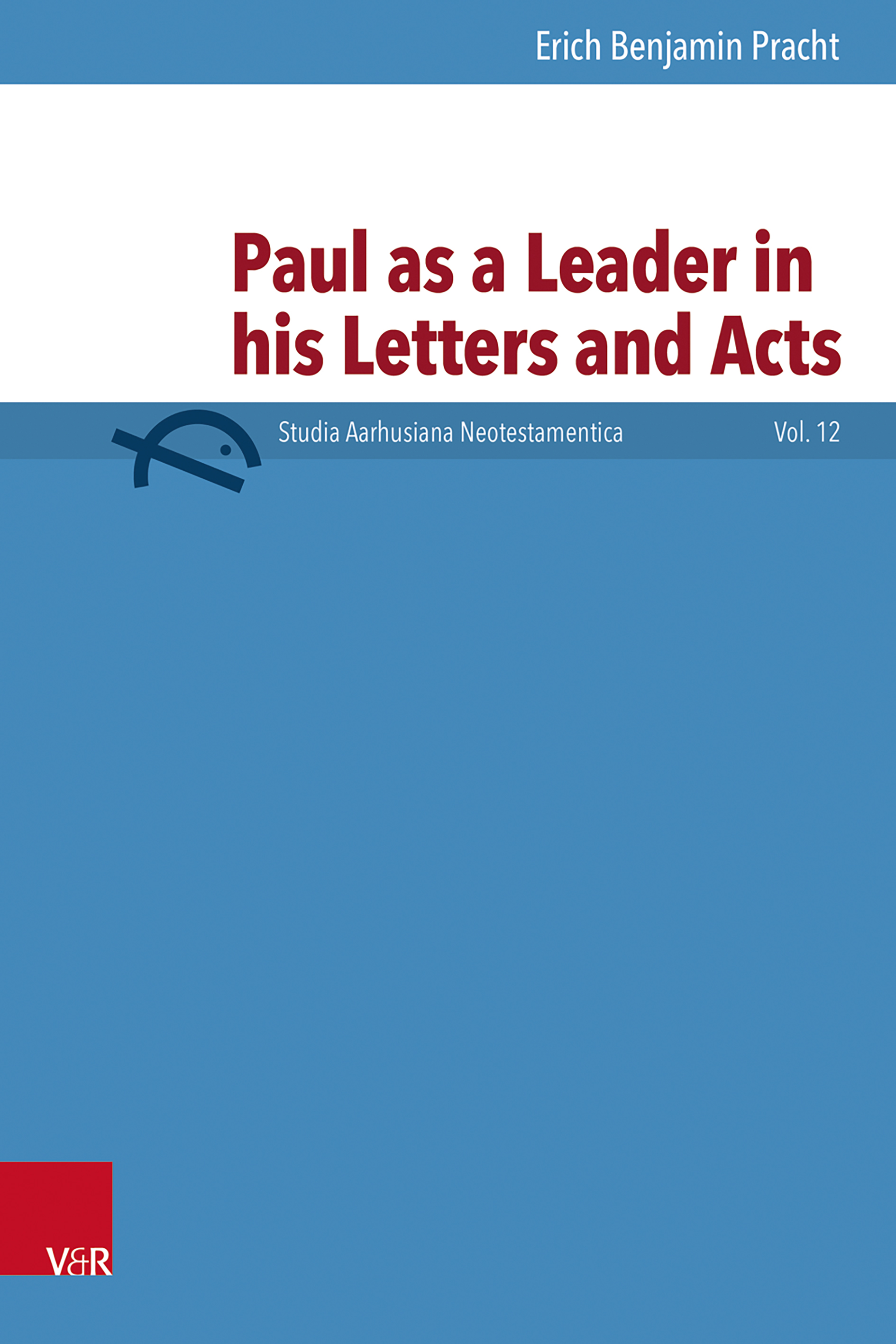
Erich B. Pracht advances scholarship on the Paul of the letters and the Paul of Acts in two ways. First, the author introduces a modern concept of leadership, namely transformational leadership theory, as the lens through which he interprets modeling and remodeling images of Paul. In this way, Pracht takes a major step forward from previous perspectives in the Paul-and-Acts debate. Second, this study shows that Cicero and Sallust can also be read in terms of modeling and remodeling images of leadership. Accordingly, Pracht undertakes a detailed investigation of this pair of authors to generate perspectives that inform the Paul-and-Acts debate.
Erich Benjamin Pracht advances scholarship on the Paul of the letters and the Paul of Acts in two ways. First, the author introduces a modern concept of leadership, namely transformational leadership theory, as the lens through which he interprets modeling and remodeling images of Paul. In this way, Pracht takes a major step forward from previous perspectives in the Paul-and-Acts debate, which typically approach the issue by probing the historicity of the Lukan Paul, or by comparing how well the Lukan Paul resembles the Paul of the letters in terms of theological themes, style and language use, or major biographical claims. Second, this study shows that Cicero and Sallust can also be read in terms of modeling and remodeling images of leadership. Accordingly, Pracht undertakes a detailed investigation of this pair of authors to generate perspectives that inform the Paul-and-Acts debate.
- By (author) Erich Benjamin Pracht
Other Titles in this Series
 Collected Studies on Philo and Josephus
Edited by Eve-Marie Becker, Morten Hørning Jensen and Jacob Mortensen

Similar Books


 Athanasius of Alexandria, Epistula ad episcopos Aegypti et Libyae
Old Slavonic Version and English Translation
Volume 261



 Contesting Labeled Identities
The Sociology of Gentilics in Biblical and Northwest Semitic Literature
 Cyril of Alexandria’s Christological Exegesis
Explorations of Partitive Exegesis in the Dialogues on the Trinity
Volume 70
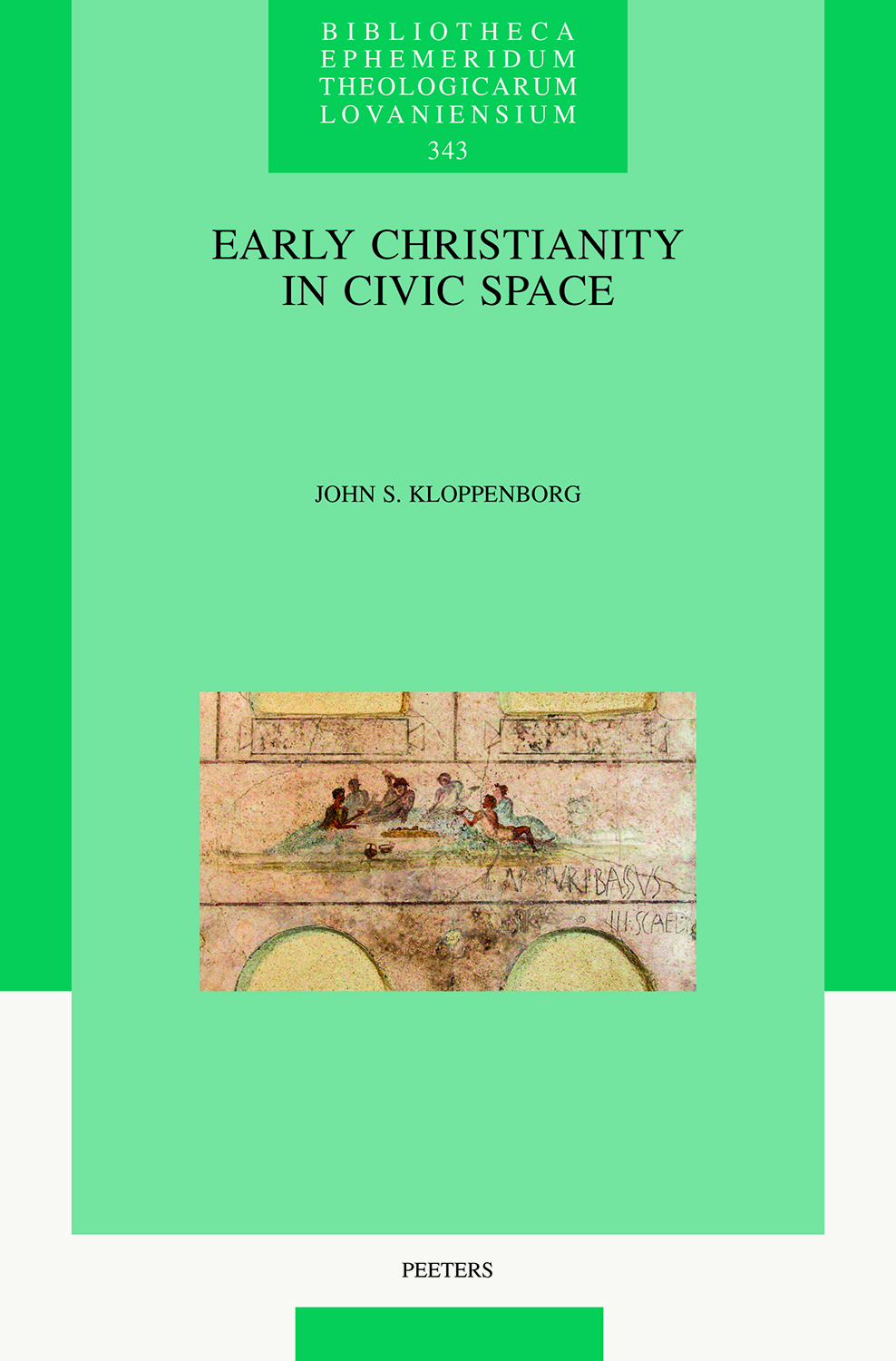

 Epiphanies of the Divine in the Septuagint and the New Testament
Fifth International Symposium of the Corpus Judaeo-Hellenisticum Novi Testamenti (CJHNT), 14-17 May 2015, Nottingham

 Extracanonical Traditions and the Holy Land
Texts, Rituals, and Material Culture in Late Antique Palestine
 From Joseph to Jesus
The Joseph Narrative as a Compositional Template from Old Greek Esther to the Gospel of Luke
Volume 125


 Paradise Lost in Transmission
The Return to Eden in the Apocalypse of Peter within Its Ethiopic and Early Christian Contexts




 Punning in Odd or Elegant Constructions in Jeremiah
The Convergence of Linguistics, Rhetoric, and Textuality in the Hebrew Text of Jeremiah

 Shame in the Worlds of the Hebrew Bible and Akkadian Texts
A Linguistic Study and Its Implications
Volume 33

 Tabernacle, Table, Ark, and Text
Richard of Saint Victor on the Interpretation of Scripture
Volume 67
 The Anglo-Norman Bible’s Books of Kings, a Critical Edition
(BL Royal 1 C III, fols 234r-274v)
Volume 37
 The Biblical Tale of Judah and Tamar in Fourteenth-Century Iran
A Judeo-Persian Versified Account by Shāhīn with Scholarly Edition, Annotated Translation and Persian Transliteration
Volume 94, 951
 The Body
Lived, Cultured, Adorned: Essays on Dress and the Body in the Bible and Ancient Near East in Honor of Nili S. Fox

 The Compositional History of the Book of Kings
An Analysis of the Evaluative Frameworks in 1 Kings 14–2 Kings 25
 The Discourse of Rites
Shaping and Reshaping the (Counter-)Priestly Rituals Conducted Outside the Tabernacle

