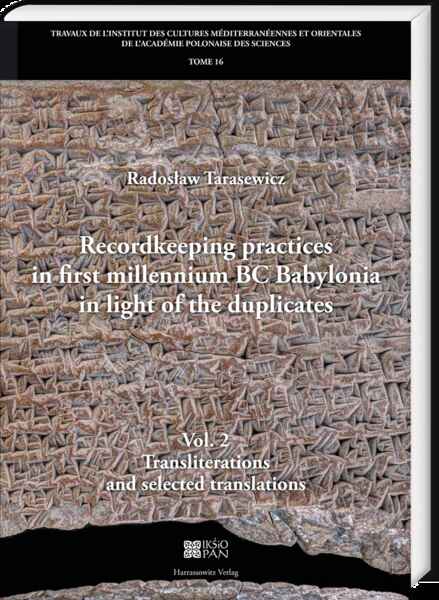
Muslim Qur’anic Interpretation Today
Media, Genealogies and Interpretive Communities
by Johanna Pink
This book takes a comprehensive look at the ways in which Muslims interpret the Qur’ān today and at the themes and structural conditions that shape their engagement with their sacred scripture. Muslim Qur’ānic interpretation Today includes boldly innovative approaches as well as staunchly traditional ones. They are represented and performed in all types of media and target a wide variety of audiences. The book aims at making sense of these diverse phenomena by combining an analytical overview of the field with detailed case studies of exegetical texts and media from the 2000s and 2010s. The first part offers a comprehensive introductory survey of the field of contemporary Muslim Qur??nic interpretation. It provides a fresh perspective on present-day discourses by emphasising the historical, social, and political dimensions in which they take place. The second part presents samples from recent exegetical works that exemplify larger themes such as media, interpretive methods, and the diversity of the global Muslim community. Commentaries on the texts and their authors help to contextualise the samples and highlight core themes and features of contemporary exegetical debates. Taken together, the two parts of the book can be read as a spotlight on Muslim Qur’ānic interpretation in a specific period of time, a time of great challenges and tremendous social transformations, some of them obvious and some of them rarely noted.
Introduction Part one: Qur'anic Interpretation Today: A History of the Present 1. The New Centrality of the Qur'anic Message 2. Reconstituting the Exegetical Tradition 3. Frames of Reference 4. Methods and Interpretive Strategies 5. The Global Qur'an in a Diverse World Part Two: Contemporary Readings of the Qur'an: An Anthology 6. Media 7. Aims 8. Traditions of Exegesis 9. Hermeneutics and Methods 10. Beyond the Mainstream Epilogue: The Contested Qur'an: Textual Interpretation and Authority
- By (author) Johanna Pink
"Johanna Pink has published an important monograph, one that will serve as our new guide to the study of contemporary commentary as a globalized endeavor." Religious Studies Review, September 2019 "Pink has produced a fine new study in the field of contemporary Quranic exegesis. It is an irreplaceable resource for scholars and students on Quranic studies." Laviano, Mariangela, Islamochristiana, 45 (2019) ". . . you will delight in every page, because this is the book that you have been waiting for. . . She deftly explains the fundamental structural conditions that influence Qur.an interpretation today: the increased prominence of the Qur.an in Muslim piety; the important and multi-valent role of nation-states; the tension between classically trained religious scholars and pious interpreters with professional backgrounds (physicians, engineers, literature professors, among others); the various kinds of constraining and enabling markets (readers, publishers, and more); and the shifting possibilities afforded by new media forms and new ways to reach, persuade, and discuss interpretative views with audiences and fellow interpreters. . . . broad in scope, bold in its arguments, comprehensive in its evidence, and a pleasure to read." Stanton, Andrea, Review of Quranic Research, vol. 6, no. 3 (2020)
—
Other Titles in this Series


Similar Books
 Cities through Time
Glimpses into Urbanity and Community in Mediaeval to Modern West Asia and Egypt
Volume 1
 Cuneiform Artefacts from Archaeological Contexts: New Research on Ancient Iraq
Proceedings of a Conference Held at the Bavarian Academy of Sciences and Humanities, July 4–5, 2024
Volume 2
 Global Gulf
Geo-Economic, Geo-Political, and Geo-Technological Transformation in Saudi Arabia, the United Arab Emirates, and Qatar
 Ismail Hakki Bursevi’s translation of and commentary on Fusus al-Hikam By Muhyiddin Ibn ‘Arabi
Volumes 1-4
 Monastic Manuscripts from the Eastern Mediterranean (Sinai, Jerusalem, Antioch)
Production, Use, and Contexts

 Qatar’s Societal Security
Towards the Inclusive National Concept of ‘Baladna’ Identity, Migration and External Threats Since 2017
 The Biblical Tale of Judah and Tamar in Fourteenth-Century Iran
A Judeo-Persian Versified Account by Shāhīn with Scholarly Edition, Annotated Translation and Persian Transliteration
Volume 94, 951
 The Discourse of Rites
Shaping and Reshaping the (Counter-)Priestly Rituals Conducted Outside the Tabernacle



 »Ein elend-schönes Land«
Gattung und Gedächtnis in Lea Goldbergs hebräischer Literatur. Aus dem Hebräischen von Rainer Wenzel
 Meine arabischen Freunde
Geschichten aus dem Maghreb für Aufklärung - gegen Islamismus und Unfreiheit

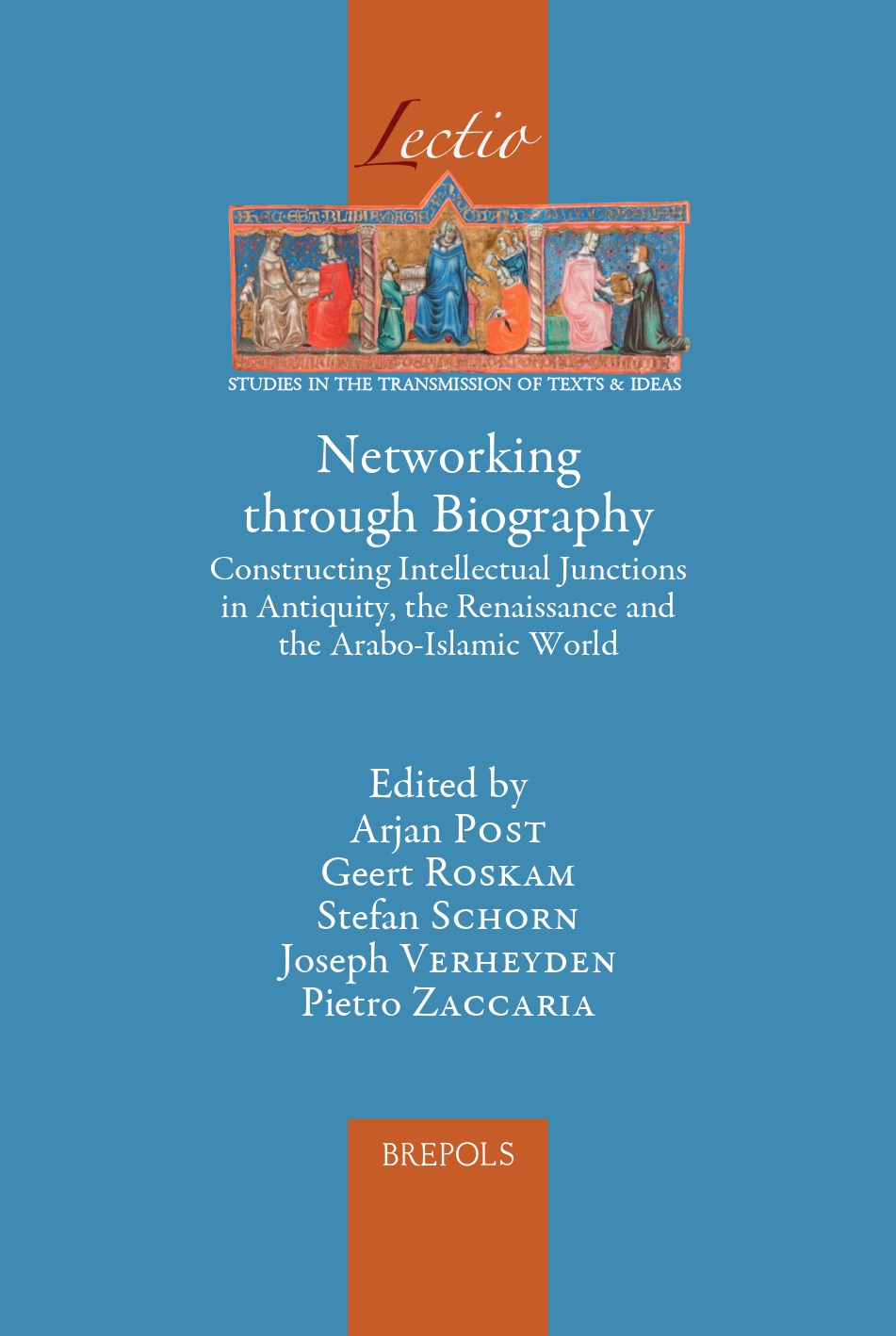 Networking through Biography
Constructing Intellectual Junctions in Antiquity, the Renaissance and the Arabo-Islamic World
Volume 19


 Beiträge zur Islamischen Kunst und Archäologie
The Arts and Archaeology of Funerary Cultures in Islam
Volume 10.0
 Boğazköy Tablets in the Museum of Anatolian Civilisations (Bo 95–Bo 3993)
Anadolu Medeniyetleri Müzesinde Bulunan Boğazköy Tabletleri (Bo 95–Bo 3993)
Volume 3


 Discerning Religious Truth
A Didactic Exposition of the Logic and Epistemology of the Islamic Sciences
Volume 1


 Explorations in Islamic Archaeology
Material Culture, Settlements, and Landscapes from the Mediterranean to Western Asia
Volume 7


 Life on the Farm in Late Medieval Jerusalem
The Village of Beit Mazmil, its Occupants and their Industry over Five Centuries

 Occasionalism Revisited
New Essays from the Islamic and Western Philosophical Traditions (2nd ed.)
Volume 2
 Oil Lamps in the Holy Land during the Early and Later Islamic Periods (7th–16th/17th CE)
The Collection of the Israel Antiquities Authority

 Proceedings of the Seminar for Arabian Studies Volume 54 2025
Papers from the fifty-seventh meeting of the Seminar for Arabian Studies held at the Institut national d’histoire de l’art, Paris, 27–29 June 2024

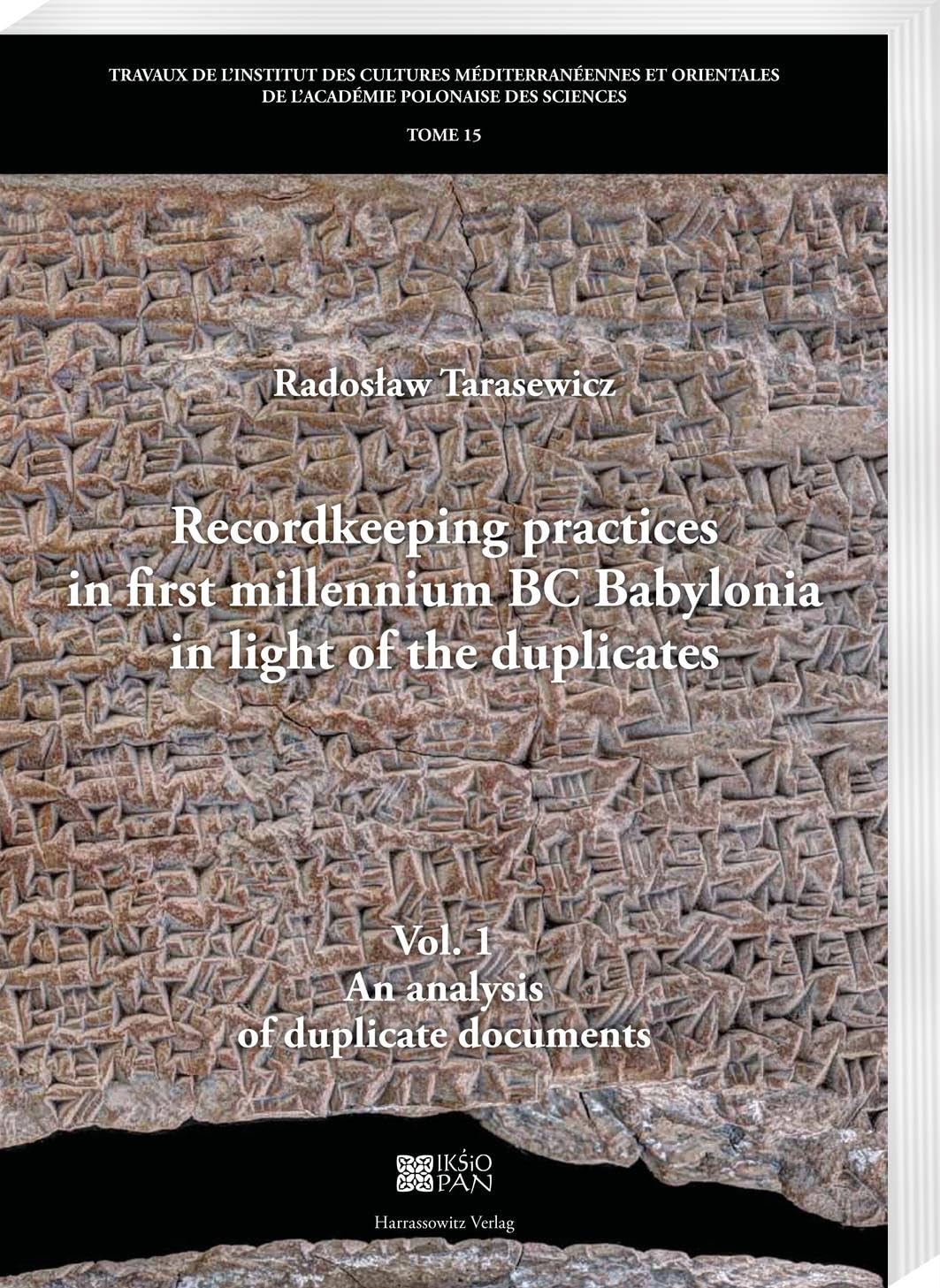 Recordkeeping practices in first millennium BC Babylonia in light of the duplicates.
Vol. 1. An analysis of duplicate documents
Volume 15