
Munyat ar-Rummaniya
Die Gartenanlagen
By (author) Felix Arnold By (author) Alberto Canto Garcia By (author) Antonio Vallejo Triano

Hardback (Published)
(September 2019)
ISBN: 9783954904075
8.27 x 11.69 inches
Price: $104.00
In stock
In the country estate of ar-Rummānīya near Córdoba (Spain) the remains of an Islamic garden of the 10th century are preserved on three terraces. This book presents the results of a comprehensive archaeological study of the garden, in particular the results of archaeobotanical studies. For the first time, insights into the design of a garden from the heyday of Islamic culture could be gained.<br/>
English summary: Islamic garden culture played a decisive role in the genesis of the garden of the European Renaissance. All the more surprising is how little research has so far been done on Islamic gardens of the Middle Ages. Our knowledge of the Islamic horticultural tradition is based almost exclusively on literary sources and historical illustrations. Only recently have archaeological projects been devoted to the study of Islamic gardens. The country estate ar-Rummaniya outside the city of Cordoba (Spain) offers the opportunity to explore a garden from the heyday of Islamic culture. Through the repeated deposition of debris from adjacent buildings, the original garden surface has remained undisturbed at the site over a considerably large area. From 2013 to 2014, the garden was the subject of a research project sponsored by the Gerda Henkel Foundation and carried out jointly by the German Archaeological Institute, the Conjunto Arqueologico de Madinat al-Zahra and the Universidad Autonoma de Madrid. For the first time, insights into the design of a garden of the 10th century could be gained. The system of garden irrigation was clarified, from a large basin, which served as a water reservoir, to irrigation canals and drainages for the terrace walls. Botanical analyses were central to the investigation of the garden, including pollen analyses. Sediments in the irrigation channel in particular provide information about the richness of species that originally existed in the garden and its surroundings. The hypothesis of a monoculture – such as an olive plantation – can thus be clearly refuted. The combination of different analytical methods makes it possible to identify a number of plant species that had been cultivated in the garden, including olive, almond and pomegranate trees, vines, myrtle, lavender, as well as flowers and herbs such as thyme, lilies and marigolds. In addition, the earliest evidence to date of white mulberry trees on the Iberian Peninsula was found, a prerequisite for the development of an indigenous silk production. The small finds made during the excavation, including a decorated thimble for leather work and a yellow glazed bowl from Egyptian production, convey an impression of the luxury of life on the estate. The repairs on another bowl indicate both the appreciation for high-quality ceramics and the slow decline at the turn of the 11th century, which made it difficult to replace such goods. In this volume, the results of the project are comprehensively presented and placed within a cultural-historical framework. German description: Bei der Genese des Gartens der europaischen Renaissance spielte die islamische Gartenkultur eine entscheidende Rolle. Umso mehr muss uberraschen, wie wenig bislang uber islamische Garten des Mittelalters geforscht worden ist. Unsere Kenntnisse der islamischen Gartenbautradition beruht beinahe ausschliesslich auf literarischen Quellen und historischen Abbildungen. Erst in jungster Zeit haben sich auch archaologische Projekte der Erforschung islamischer Garten gewidmet. Der Landsitz ar-Rummaniya ausserhalb der Stadt Cordoba (Spanien) bietet die Chance, einen Garten aus der Blutezeit der islamischen Kultur zu erforschen. Durch die wiederholte Ablagerung von Zerstorungsschutt angrenzender Bauten ist die ursprungliche Gartenoberflache noch auf einer beachtlich grossen Flache ungestort erhalten geblieben. Von 2013 bis 2014 war der Garten Gegenstand eines von der Gerda Henkel Stiftung geforderten Forschungsprojektes, welches gemeinschaftlich von dem Deutschen Archaologischen Institut, dem Conjunto Arqueologico de Madinat al-Zahra und der Universidad Autonoma de Madrid durchgefuhrt wurde. Erstmals konnten dabei Einblicke in die Gestaltung eines Gartens des 10. Jahrhunderts gewonnen werden. So wurde das System der Gartenbewasserung geklart, von einem grossen Becken, das als Wasserreservoir diente bis zu Bewasserungskanalen und Drainagen fur die Hangmauern. Zentral fur die Untersuchung des Gartens waren botanischen Analysen, wobei neben der Bestimmung von Grossresten auch Pollenanalysen durchgefuhrt wurden. Insbesondere Sedimente im Bewasserungskanal geben Aufschluss uber den Artenreichtum, der ursprunglich im Garten und seiner Umgebung existierte. Die These einer Monokultur – etwa einer Olivenplantage – kann damit eindeutig widerlegt werden. Die Kombination unterschiedlicher Analyseverfahren erlaubt es, eine Reihe von Pflanzenarten dem Garten zuzuweisen, neben Olivenbaumen Mandel- und Granatapfelbaume sowie Weinreben, aber auch Myrte und Lavendel. Hinzu kommen Blumen und Krauter wie Thymian, Lilien und Ringelblumen. Zudem wurde der bislang fruheste Nachweis fur weisse Maulbeerbaume auf der Iberischen Halbinsel erbracht, eine Voraussetzung fur die Entwicklung einer eigenstandigen Produktion von Seide. Einen Eindruck vom Luxus des Lebens auf dem Landgut vermitteln die bei der Grabung gemachten Kleinfunde, darunter ein dekorierter Fingerhut fur Lederarbeiten und eine gelb glasierte Schale aus agyptischer Produktion. Die Reparaturen an einer anderen Schale weisen einerseits auf die Wertschatzung qualitatvoller Keramik hin, andererseits den langsamen Verfall an der Wende zum 11. Jahrhundert, der einen Ersatz solcher Waren erschwerte. In dem vorliegenden Band werden die Ergebnisse des Projektes umfassend dargestellt und in einen kulturhistorischen Rahmen gestellt.
- By (author) Felix Arnold
- By (author) Alberto Canto Garcia
- By (author) Antonio Vallejo Triano
Other Titles in this Series


 Fuente Alamo
Arqueozoologia, arqueobotanica y artefactos macroliticos.Ignacio Bize Font, Cristina Cabrera Taravillo, Marina Eguiluz Valentini, Andreas G. Heiss, Corina Liesau von Lettow-Vorbeck, Arturo Morales Muniz, Roberto Risch, Hermanfrid Schubart, Hans-Peter
Volume 42

 Ländliche Römische Heiligtümer im Westen der Iberischen Halbinsel
Monte do Facho. I. Die epigraphische Hinterlassenschaft des römisch-keltischen Heiligtums auf dem Monte do Facho (O Hío/Cangas – Galicien). I. El legado epigráfico del santuario céltico-romano en el Monte do Facho (O Hío/Cangas, Galicia)


 Die Gräber von Fuente Álamo
Fuente Álamo Teil 4: Ein Beitrag zu den Grabriten und zur Chronologie der El Argar-Kultur
 Die phonizische Nekropole von Ayamonte
Die Ausgrabung im Jahre 2013 und ihre Vor- und Begleituntersuchungen
Volume 37

Similar Books
 A Collaborative Tapestry in Honour of Shirley Ann Brown / Une fresque brodée en l’honneur de Shirley Ann Brown
The Bayeux Tapestry Seen by her Colleagues and Friends / La Tapisserie de Bayeux vue par ses collègues et amis

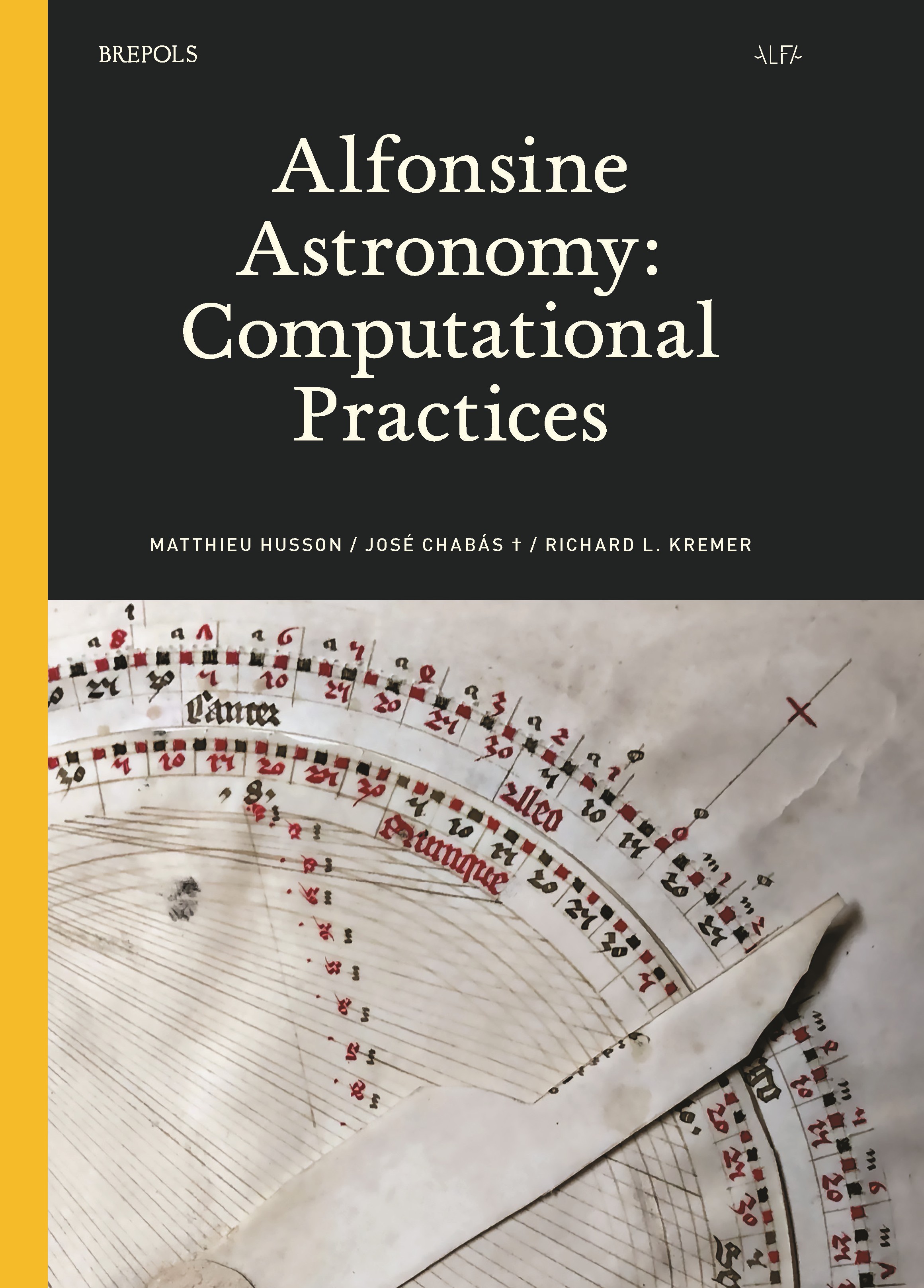
 Behind the Scenes of Medieval Roofs
An Overview of the Roofing Systems of Italian Churches
Volume 90


 Circulation, Use, Impact
The Consumption of Architectural Books in the Early Modern Eastern Adriatic
Volume 1
 Cities through Time
Glimpses into Urbanity and Community in Mediaeval to Modern West Asia and Egypt
Volume 1

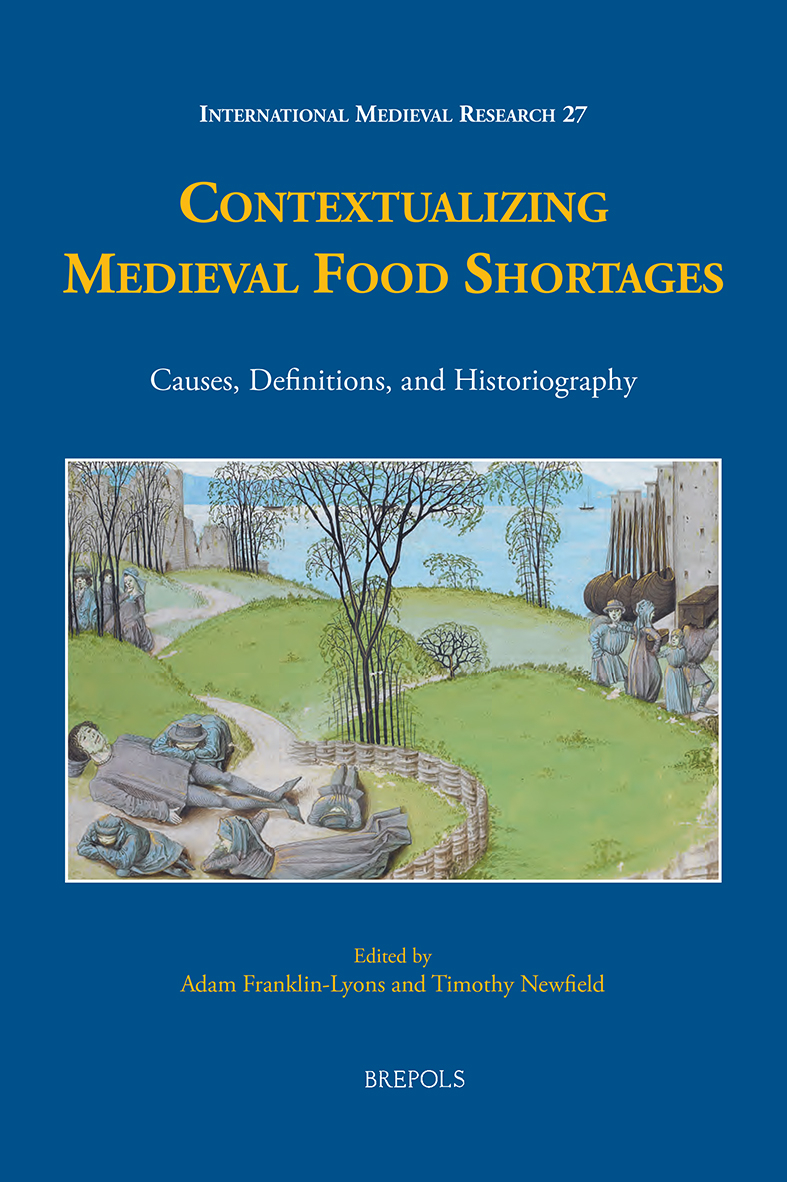

 Cuneiform Artefacts from Archaeological Contexts: New Research on Ancient Iraq
Proceedings of a Conference Held at the Bavarian Academy of Sciences and Humanities, July 4–5, 2024
Volume 2


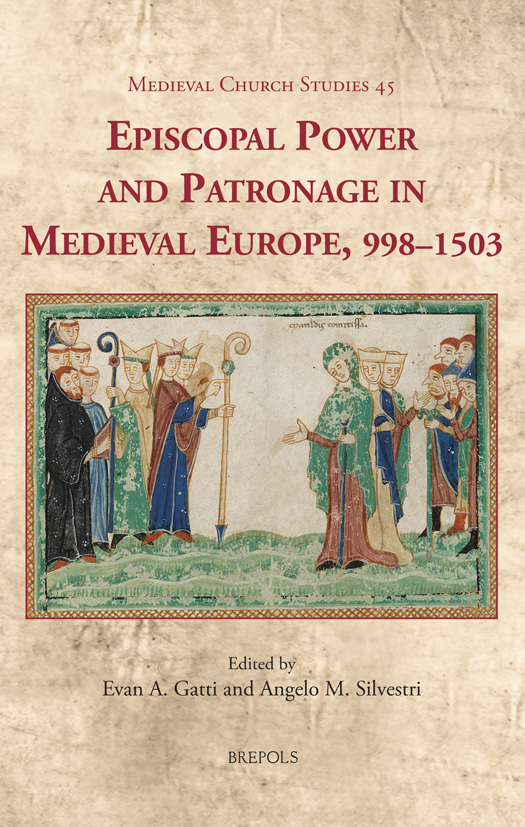


 Global Gulf
Geo-Economic, Geo-Political, and Geo-Technological Transformation in Saudi Arabia, the United Arab Emirates, and Qatar


 Innovation and Medieval Communities
The Circulation of Ideas and Practices in and out of the Town (1200-1500)
Volume 63
 Ismail Hakki Bursevi’s translation of and commentary on Fusus al-Hikam By Muhyiddin Ibn ‘Arabi
Volumes 1-4
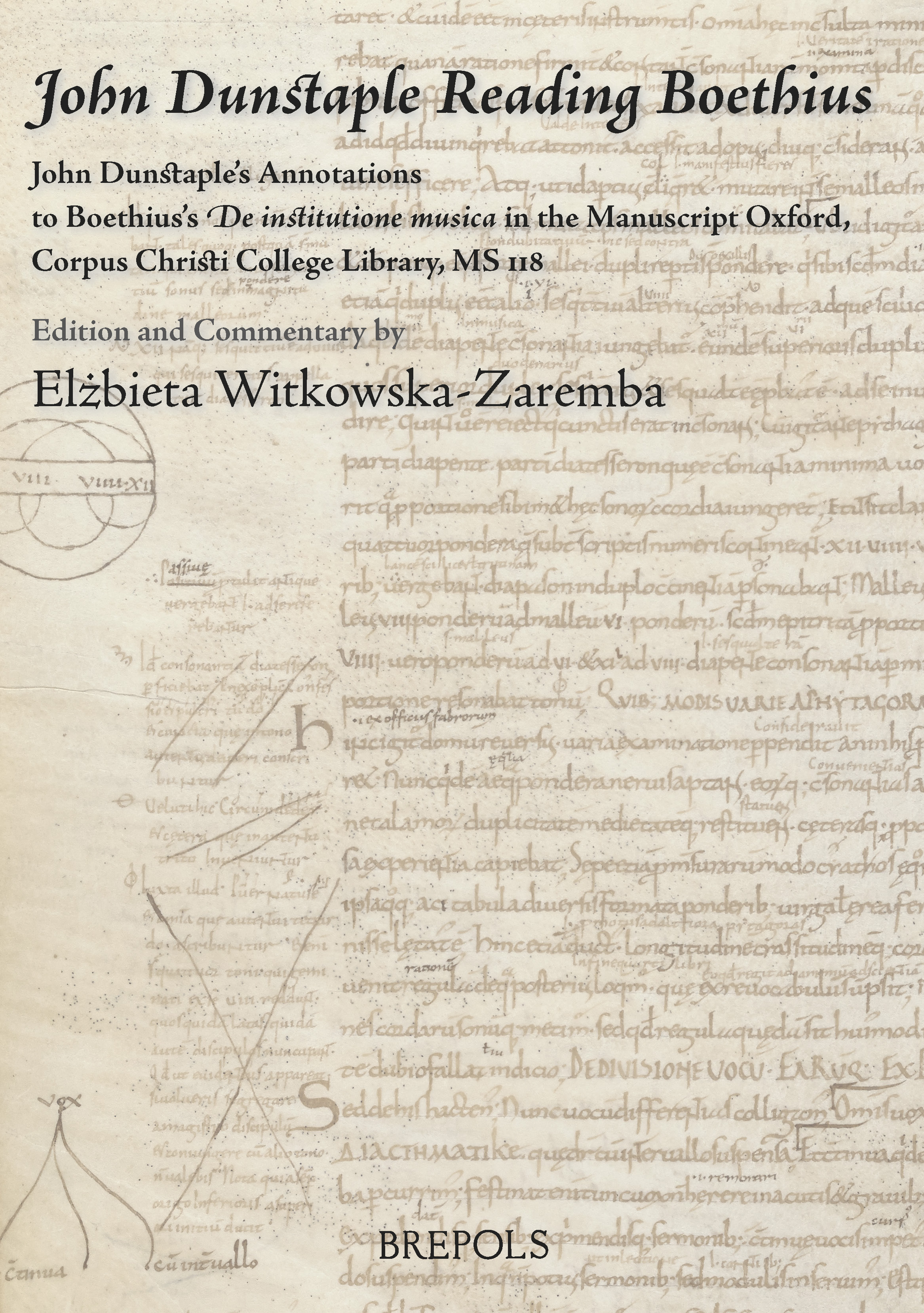 John Dunstaple Reading Boethius
John Dunstaple’s Annotations to Boethius’s “De institutione musica” in the Manuscript Oxford, Corpus Christi College Library, MS 118
 Late Antique villae in the Balkans (3rd–7th c. AD): Current Research Questions and Perspectives
HAEMUS Companion to the Late Antique Balkans 1
Volume 4
 Linguistic and Cultural Dynamics in a Frontier Society
New Perspectives on Northeastern Bavaria and Western Bohemia in the Early Middle Ages
Volume 9

 Medieval Debates on Foreknowledge: Future Contingents, Prophecy, and Divination
Acts of the XXVII Annual Colloquium of the SIEPM, Trento 12-15 September 2023
Volume 31
 Medieval Yeghegis, Armenia
History, Archaeology, Society. Local Multiplicities and Global Connections of a Rural Centre on the Silk Road(s)
 Monastic Manuscripts from the Eastern Mediterranean (Sinai, Jerusalem, Antioch)
Production, Use, and Contexts


 Power and Women in Southeast and Central Europe in Late Medieval and Early Modern Period (1300-1600)
Volume 10
 Qatar’s Societal Security
Towards the Inclusive National Concept of ‘Baladna’ Identity, Migration and External Threats Since 2017