
L’Archeologie dans l’Antiquite
Tourisme, lucre et decouvertes
by Robert Turcan

Paperback (Published)
(September 2014)
ISBN: 9782251445021
6.34 x 9.49 inches
Price: $35.00
In stock
English summary: The transition from one period to another, especially in times of crisis, has often led people to wonder about the past. The same was true for the Greeks during the Hellenistic period, after the decline of the city-states, as they turned to archaeology and the material remains of their past. Concomitantly motivated by profit and the need to understand, these ancient archaeologists maintained a relationship with the past as ambiguous as our own. French description: Dans l’evolution de l’humanite, le sentiment d’avoir change d’epoque en periode de crise et la notion d’un passe revolu ont toujours suscite le souci singulier de mieux apprehender les mondes disparus. Chez les Grecs, c’est aux temps hellenistiques, c’est-a-dire au declin de la cite antique, qu’une archeologie a pu se degager de l’historiographie. Les Anciens se sont donc interesses aux vestiges materiels de leur antiquite. Certains lieux de memoire encourageaient deja un tourisme prospere. On revait sur les ruines de Troie ou d’ailleurs. Mais telles trouvailles inattendues suscitaient des interrogations pertinentes, quoiqu’on crut frequemment devoir tirer parti de la mythologie. Car les dieux inspiraient parfois des decouvertes. Le lucre motivait aussi trop souvent les prospections, et nos modernes detecteurs de tresors (beaucoup mieux outilles que les anciens pillards) n’ont pas d’autres mobiles. Cependant les textes nous demontrent egalement qu’on savait au besoin raisonner sur la vie que les hommes avaient connue jadis. Il semble finalement que, dans l’Antiquite comme de nos jours, le gout de l’archeologie implique une relation ambigue au passe, tour a tour deplore ou idealise, mais dont l’evocation apparait surtout comme l’occasion de revivre un autre temps, dans un autre monde.
English summary: The transition from one period to another, especially in times of crisis, has often led people to wonder about the past. The same was true for the Greeks during the Hellenistic period, after the decline of the city-states, as they turned to archaeology and the material remains of their past. Concomitantly motivated by profit and the need to understand, these ancient archaeologists maintained a relationship with the past as ambiguous as our own. French description: Dans l’evolution de l’humanite, le sentiment d’avoir change d’epoque en periode de crise et la notion d’un passe revolu ont toujours suscite le souci singulier de mieux apprehender les mondes disparus. Chez les Grecs, c’est aux temps hellenistiques, c’est-a-dire au declin de la cite antique, qu’une archeologie a pu se degager de l’historiographie. Les Anciens se sont donc interesses aux vestiges materiels de leur antiquite. Certains lieux de memoire encourageaient deja un tourisme prospere. On revait sur les ruines de Troie ou d’ailleurs. Mais telles trouvailles inattendues suscitaient des interrogations pertinentes, quoiqu’on crut frequemment devoir tirer parti de la mythologie. Car les dieux inspiraient parfois des decouvertes. Le lucre motivait aussi trop souvent les prospections, et nos modernes detecteurs de tresors (beaucoup mieux outilles que les anciens pillards) n’ont pas d’autres mobiles. Cependant les textes nous demontrent egalement qu’on savait au besoin raisonner sur la vie que les hommes avaient connue jadis. Il semble finalement que, dans l’Antiquite comme de nos jours, le gout de l’archeologie implique une relation ambigue au passe, tour a tour deplore ou idealise, mais dont l’evocation apparait surtout comme l’occasion de revivre un autre temps, dans un autre monde.
Introduction 1. Archeologie touristique et litteraire L'emotion archeologique Art et Histoire Archeologie funeraire Lieux de culte Guides archeologiques Les historiens et l'archeologie Evocations poetiques Retrospectives, contrastes et contradictions L'incuriosite archeologique Archeologie et mythologie 2. Archeologie des decouvertes Hasard, oracles, reves et revenants Revelations des sinistres naturels Travail de l'homme Une archeologie d'inspiration surnaturelle Les animaux detectives Fantomes et revenants Avertissements divins ou demoniaques ? Quete et culte des reliques 3. L'archeologie des fouilles Les detrousseurs des dieux et des morts Un tresor introuvable Recuperateurs clandestins Prestige de la decouverte Archeologie et politique 4. Collections, collectionneurs, depots sacres Temples-musees Musees-promenades Thermes Bibliotheques Sculptures isolees Un musee egyptien Collections privees Numismatique Fauissae 5. Legislations Patrimoine Le cas des arbres Fouilles Tresors Conclusion Abreviations Revues et collections Textes grecs et latins Bibliographie Table des figures Index nominum
- By (author) Robert Turcan
...Robert Turcan semble avoir interroge toutes les sources possibles, tant son livre fourmille de references. Un vrai regal a lire, une erudition tres bien partagee...
—
Other Titles in this Series


Similar Books


 Archaeological Excavations at Irmis Rka: An Investigation of a Multi-Layered Settlement in Southwest Georgia
Results from the 2020 Season: Early Bronze Age to Medieval Occupations


 Catuvellaunia and Rome: Economic and Political Relations during the Final Decades Pre-conquest
The Role of Grain from Southeastern Britain and Its Potential for Maintenance of the Roman Military along the Frontier on the Rhine

 Colour Concept “Secoli bui” a colori
Codici cromatici e architetture dipinte nell’età tardoantica e medievale
 Contesting Labeled Identities
The Sociology of Gentilics in Biblical and Northwest Semitic Literature


 Crossing Disciplines in the Study of Archaeology and Prehistoric Art: Insights from the Sahara and Mediterranean Africa
Proceedings of the XX UISPP World Congress (5–9 September 2023, Timișoara, Romania) Volume / Session 18
 Crossing Sacred Landscapes
Contacts and Continuities in the Desert Cults and Beliefs of Ancient Northern Arabia and the Arid Southern Levant
 Cuneiform Artefacts from Archaeological Contexts: New Research on Ancient Iraq
Proceedings of a Conference Held at the Bavarian Academy of Sciences and Humanities, July 4–5, 2024
Volume 2

 Drunk the Potion, No Whit Charmed
The Doctrine of Pure and Perfect Souls from Iamblichus to Damascius

 ENTANGLED AFRICA
Intra-African Relations Between Rain Forest and Mediterranean from Around 4,000 BCE to 1,500 CE
 Epigraphic “Shades” from Hellenistic Thrace
Contextualizing Inscriptions in Greek from Thracian Tombs

 Epiphanies of the Divine in the Septuagint and the New Testament
Fifth International Symposium of the Corpus Judaeo-Hellenisticum Novi Testamenti (CJHNT), 14-17 May 2015, Nottingham



 Exploring Prehistoric Pottery in Japan
A Study of Organic Inclusions, Adhering Materials, and Impressions of Woven Items


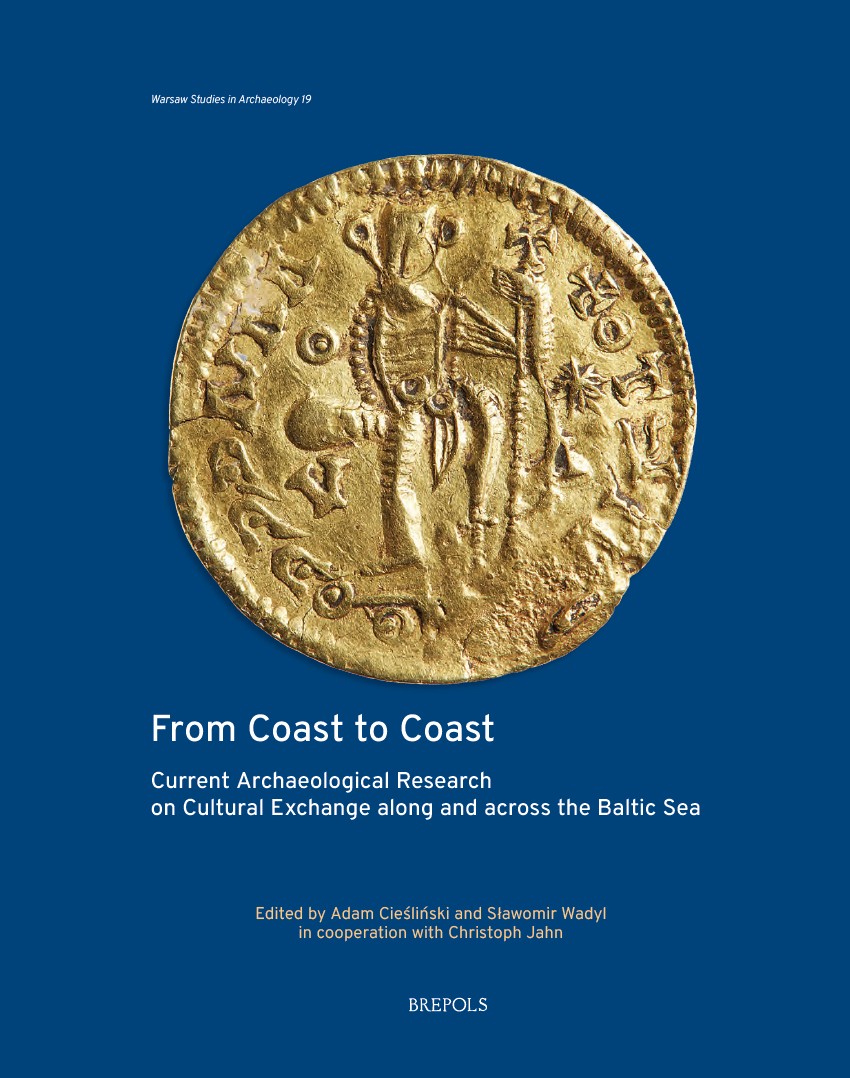 From Coast to Coast
Current Archaeological Research on Cultural Exchange along and across the Baltic Sea
Volume 19
 Frontiers of the Roman Empire: The Frontier of the Roman Province of Raetia
Grenzen des Römischen Reiches: Die Grenze der Römischen Provinz Raetien
 Gold, Silver and Glass: Power Networks, Cultural Identities, Technology Transfers and Agency across the Old World (7th Century BC – 1st Century AD)
Proceedings of a Conference Held at the British Museum, 16–18 June 2023
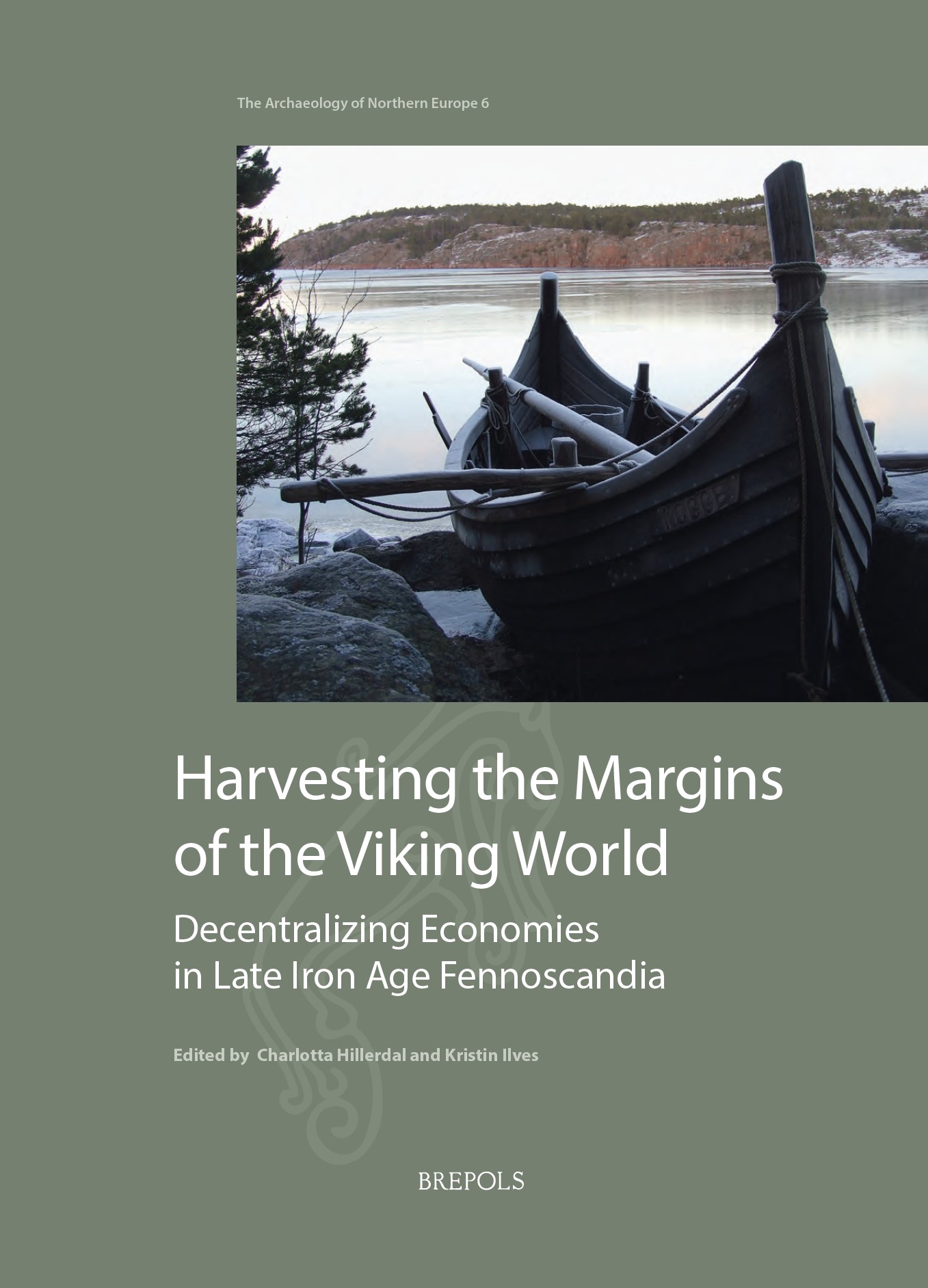 Harvesting the Margins of the Viking World
Decentralizing Economies in Late Iron Age Fennoscandia
Volume 6