
La Bataille du grec a la Renaissance
by Jean-Christophe Saladin

Paperback (Published)
(January 2000)
ISBN: 9782251380476
5.94 x 8.43 inches
Price: $58.00
On back order
En l’espace d’un siecle (du milieu du XVe au milieu XVIe), la langue grecque, quasiment en voie de disparition, se retrouve au centre de polemiques parmi les plus violentes de la Renaissance. Elle est accusee par une Europe catholique et latine d’etre…
English summary: Within the span of a single century (from the mid-15th to the mid-16th centuries), the Greek language, which was well on its way to oblivion, became the focus of one of the most heated debates of the Renaissance period. Greek was accused by what was then a Catholic and Latin Europe of being a vehicle for ancient paganism, Byzantine schism, and even Lutheran heresy. The Council of Trent, which deemed that Roman authority was being undermined by the Vulgate’s philological criticism, went so far as to confirm the obvious collusion that existed between Greek and heresy. In fact, behind such accusations can be discerned the power struggles that were taking place between ecclesiastical, academic and political factions. Analysis of such confrontations and of the difficulties that Humanists had in circumventing them, infers that, despite its ultimate success, Greek literature remained suspect in Europe throughout the Counter-Reformation. In this very meticulous study, based on previously unpublished texts, of what was at stake in this anti-Greek movement (a resistance actually based on free, progressive and critical thought), the author combines the thoroughness of an historian with a mine of true anecdotes about the moral standards of that era : the censure practices, legal disputes, self-serving denouncements, etc. That, indeed, were the most evident driving forces behind the intellectual and power struggles. French description: Le grec, disparu d’Europe depuis les Grandes Invasions, fit un retour spectaculaire au XVe siecle. Mais l’enthousiasme des humanistes pour la langue d’Homere a fait oublier la violence des resistances que lui opposerent les maitres scolastiques. Lorsque Erasme osa contester la Vulgate latine au nom de la verite grecque (1516), le scandale eclata publiquement et Luther en prit argument pour contester l’autorite de Rome, si bien que les hellenistes furent accuses de faire le jeu de la Reforme. Le statut du grec se vit etroitement lie a celui de l’hebreu, l’autre langue sacree rivale du latin (l’Affaire Reuchlin). Pour extirper le mal a sa racine, le concile de Trente decida finalement d’imposer la legitimite du latin biblique (1545) et d’interdire l’acces aux sources grecques et hebraiques, puis de mettre a l’index les principaux hellenistes et leurs imprimeurs. Les etudes grecques allaient en rester durablement affaiblies dans l’Europe de la Contre-Reforme. En faisant revivre les oeuvres et les hommes qui en furent les acteurs, et en devoilant ses veritables enjeux, ce livre retrace les deux siecles de cette bataille du grec, restee un point aveugle dans l’histoire de la culture occidentale. Jean-Christophe Saladin est docteur en Histoire.
Introduction
LE RETOUR DU GREC
I. Une amnesie millenaire II. Le retour du grec (1360 - 1521) III. Bessarion: le retour de Platon IV. Platon italien: Marsile Ficin a Florence V. Alde Manuce, imprimer le grec, parler le grec VI. Le college du Quirinal, enseigner le grec aux GrecsLA CRISE DES LANGUES SACREES
VII. Le grec, langue de la Bible VIII. Qui sont les ennemis des Bonnes Lettres ? IX. L'affaire Reuchlin X. Le triomphe des linguistes (1516 - 1518) XI. Querelles de theologiens (1519) XII. La bataille de Louvain (mars 1519 - mars 1520)UNE RESTUARATION CONTRARIEE
XIII. La victoire du grec XIV. Nouveaux combatsConclusion
Notes Bibliographie Index Ta- By (author) Jean-Christophe Saladin
Other Titles in this Series


 Points aveugles de la nature
La rationalite scientifique medievale face a l'occulte, l'attraction magnetique et l'horreur du vide (XIIIe-milieu du XVe siecle)
Volume 120


Similar Books


 Balthasar Caymox of Nuremberg
Early Modern German Print Publishers: Popular Prints of the Seventeenth Century


 Beyond Sovereign Courts
Agents and Practices in Early Modern Spanish and Habsburg Diplomacy
Volume 3

 Circulation, Use, Impact
The Consumption of Architectural Books in the Early Modern Eastern Adriatic
Volume 1

 Councils, Conflicts, Correspondence
Urban Diplomacy in Reval (Tallinn) and Lübeck (c. 1470–1570)
Volume 67


 Homo-Politicus in the Balkans
Early Modern Southeast European History in Imperial and Regional Context

 Innovationes Lovanienses: Arts, Law and Theology at the University of Louvain (1425–1797)
Studium Lovaniense: Learning across Borders, 2
Volume 18
 Legal Visuality
Exegesis, Ambiguity, and Dissimulation of the Donation of Constantine in the Early Modern Period

 Naples as Laboratory / Laboratorium Neapel
Style Options, Artistic Rivalry and Self Fashioning in Neapolitan Baroque Painting / Plurale Stilbildung, Kunstlerkonkurrenz und Self Fashioning in der neapolitanischen Barockmalerei

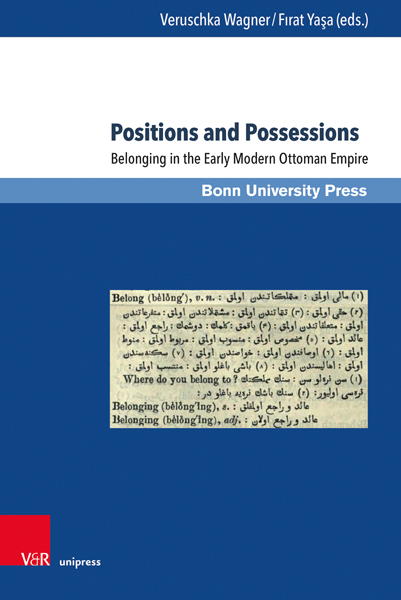
 Power and Women in Southeast and Central Europe in Late Medieval and Early Modern Period (1300-1600)
Volume 10



 Staging the Spectacle of Majesty
Ceremonial, Courtly Space, and Collecting under the Spanish Habsburgs
Volume 9
 Students, Scholars and Their Books at the University of Louvain (1425-1797)
Studium Lovaniense: Learning across Borders, 1
Volume 17


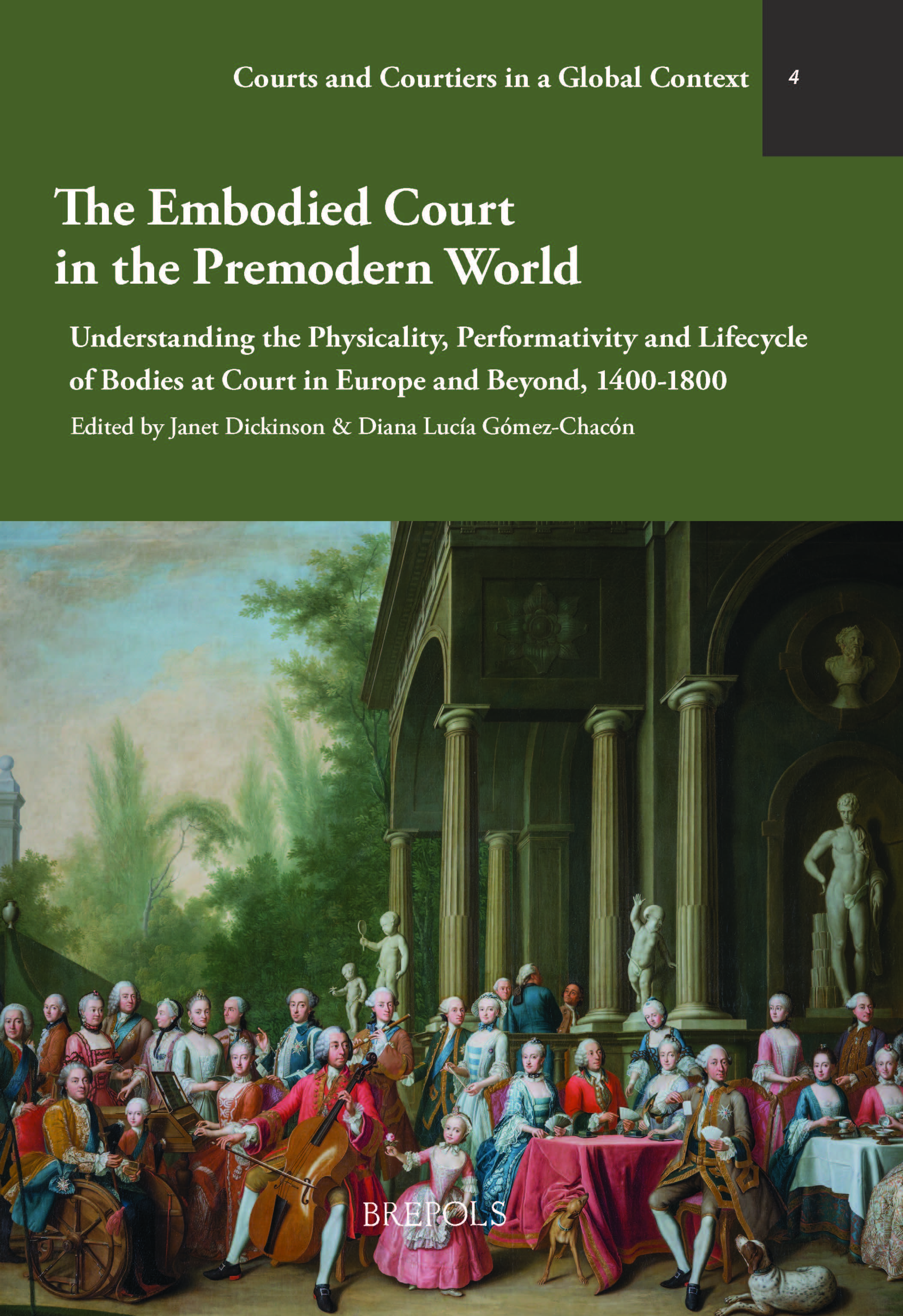 The Embodied Court in the Premodern World
Understanding the Physicality, Performativity and Lifecycle of Bodies at Court in Europe and Beyond, 1400-1800
Volume 4

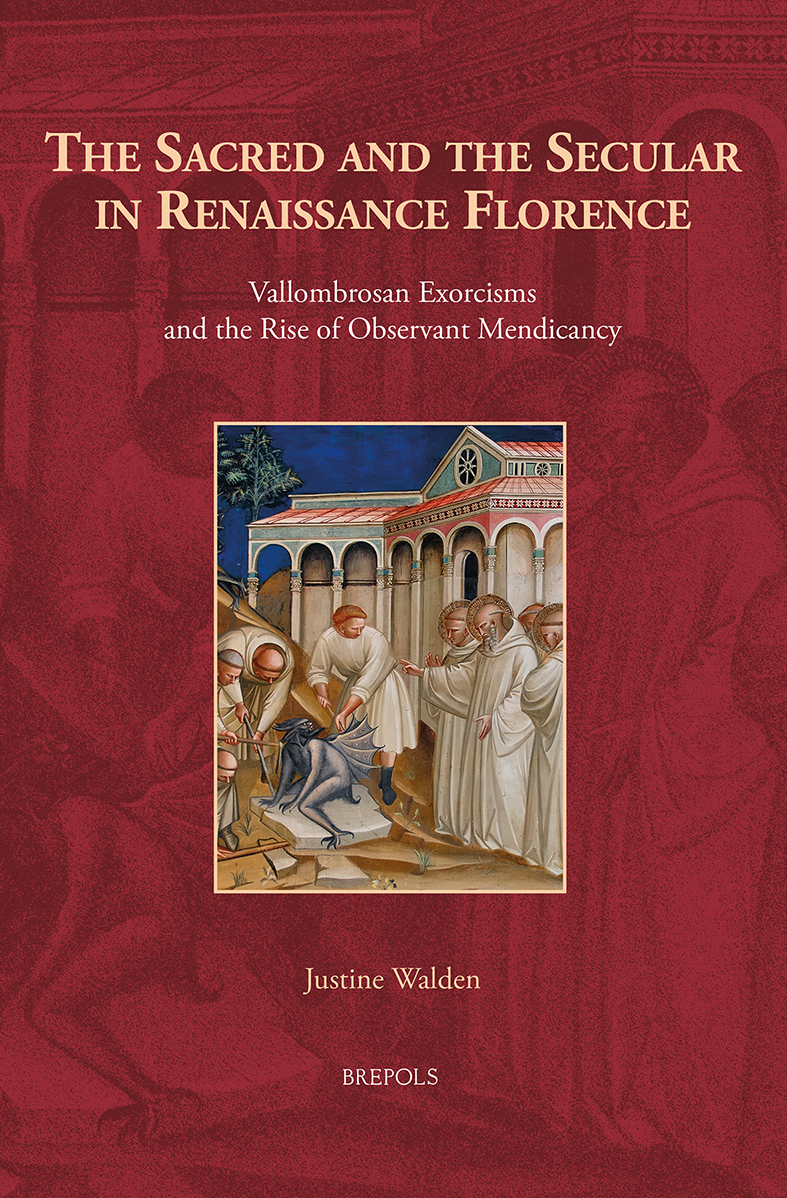 The Sacred and the Secular in Renaissance Florence
Vallombrosan Exorcisms and the Rise of Observant Mendicancy
Volume 31

 Tradition, Interpretation, and Change
Developments in the Liturgy of Medieval and Early Modern Ashkenaz


 wunder in Serie
 À la recherche des normes de traduction
Textes spécialisés dans le monde hispanophone et francophone (1450–1850)