
James Durham (1622-1658)
And the Gospel Offer in its Seventeenth Century Context
by Donald MacLean

The free offer of the gospel has been a matter of significant debate within Reformed theology. However, despite this controversy, Reformed theologians such as James Durham preached a gospel offer which was a sincere and free invitation from God to all, to embrace Jesus Christ as Saviour. This gospel offer expressed God’s grace and goodness to all. Donald MacLean argues that Durham’s doctrinal position is representative of the Westminster Standards and embraced by his contemporaries and evidenced by the later disputes concerning the meaning of the teaching of the Westminster Confession of Faith.
- By (author) Donald MacLean
"...Students of the period as well as ministers of the gospel will find MacLean's study a useful addition to the continued exploration of early modern Reformed orthodoxy. His work sheds considerable light on how it was that Reformed theologians dealt with the paradoxical nature of the gospel offer and divine election." --Michael J. Lynch, Calvin Theological Journal, November 2017
—
Other Titles in this Series
 Orthodox, Puritan, Baptist
Hercules Collins (1647-1702) and Particular Baptist Identity in Early Modern England
Volume 32
 Omnes in Adam ex pacto Dei
Ambrogio Catarino's Doctrine of Covenantal Solidarity and Its Influence on Post-Reformation Reformed Theologians
Volume 8


 Heavenly Providence
A Historical Exploration of the Development of Calvin's Biblical Doctrine of Divine Providence
Volume 75


 Driven by God
Active Justification and Definitive Sanctification in the Soteriology of Bavinck, Comrie, Witsius, and Kuyper
Volume 46


 A Heavenly Directory
Trinitarian Piety, Public Worship and a Reassessment of John Owen's Theology
Volume 29
 As Often As You Eat This Bread
Communion Frequency in English, Scottish, and Early American Churches
Volume 74
 The Beginning of a Spirit-filled Church
A Study of the Implications of the Pneumatology for the Ecclesiology in John Calvin's Commentary on the Acts of the Apostles
Volume 45
 Franciscus Junius d.A. (1545-1602)
Ein reformierter Theologe im Spannungsfeld zwischen spathumanistischer Irenik und reformierter Konfessionalisierung
Volume 3
 A New Divinity
Transatlantic Reformed Evangelical Debates during the Long Eighteenth Century
Volume 49

 Calvin, Exile, and Religious Refugees
Papers of the Thirteenth International Congress on Calvin Research
Volume 78

 Why Heaven Kissed Earth
The Christology of the Puritan Reformed Orthodox Theologian, Thomas Goodwin (1600-1680)
Volume 13


 Accepted and Renewed in Christ
The Twofold Grace of God and the Interpretation of Calvin's Theology
Volume 2


 The Promise of the Trinity
The Covenant of Redemption in the Theologies of Witsius, Owen, Dickson, Goodwin, and Cocceius
Volume 48
Similar Books
 ‘For You I Study, For You I Work, For You I Live, For You I Am Ready To Even Give My Life’
Essays in Honour of Francis (Frank) J Moloney, SDB




 Ars Prophetica
Theology in the Poetry of Twentieth-Century Hebrew Poets Avraham Halfi, Shin Shalom, Amir Gilboa, and T. Carmi
 As Messianism Turns to Heresy
The Regenstein Chair Lectures On Lurianic Kabbalah and Shabbatai Tzevi at Hebrew Union College - Cincinnati


 Drunk the Potion, No Whit Charmed
The Doctrine of Pure and Perfect Souls from Iamblichus to Damascius



 Extracanonical Traditions and the Holy Land
Texts, Rituals, and Material Culture in Late Antique Palestine
 Fear, Fear of God, God-Fearers
Philological and Historical Perspectives on the World of Ancient Judaism and Christianity




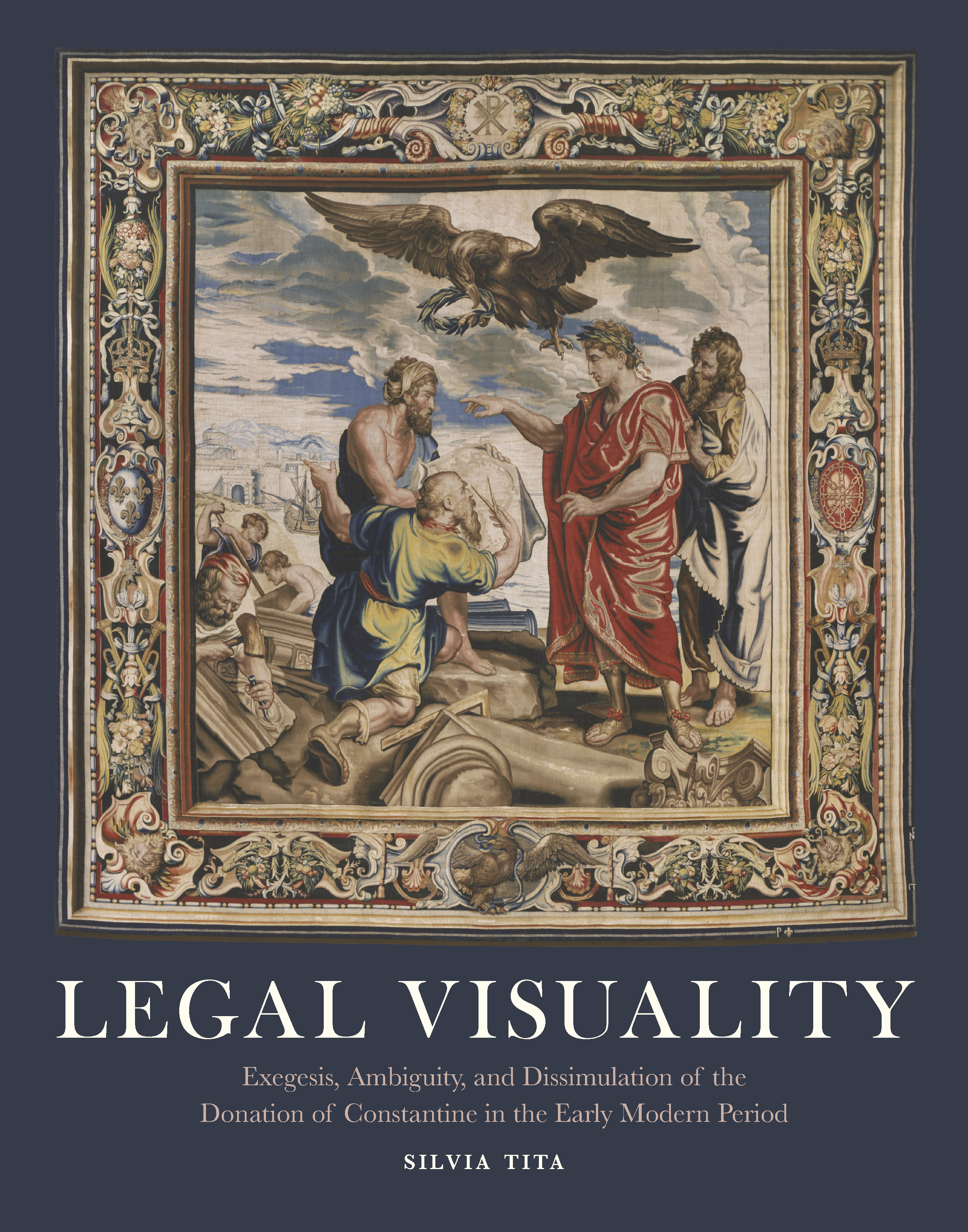 Legal Visuality
Exegesis, Ambiguity, and Dissimulation of the Donation of Constantine in the Early Modern Period
 Liturgia semper reformanda
Adaptations and accommodations in the liturgy in light of canon 838 of the Code of Canon Law


