
Jacques Cujas e la lettera scomparsa
Una vicenda tra apocrifia e storia
By (author) Orazio Licandro By (author) Francesca Prado

Paperback (Published)
(April 2026)
ISBN: 9788891336880
5.906 x 8.268 inches
Price: $125.00
In stock
In 1570, Jacques Cujas published Books IX–XI of the Observationes et emendationes, which included a previously unpublished letter from Emperor Justinian addressed to General Narses, the patrician tasked with reorganizing the territory in Italy following the definitive defeat of Totila. Through this measure, a beneficium in the strict sense, the emperor ordered Narses to restore the Titiones brothers, in reward for their heroic military service in the Gothic War, to their former estates in northern Italy, which had been unlawfully occupied following the settlement of Germanic peoples, expressly waiving any and all legal norms, including the longissimi temporis praescriptio.
However, the document has to date been omitted from modern editions of the Corpus Iuris Civilis, because it is considered, due to certain anomalies, a mere scholarly exercise from the humanist era—and thus a forgery—aimed at ennobling the Vercelli-based Tizzoni family by invoking ancient origins.
From this small book, however, the soundness of Cujas’s insights and the veracity of the substantive core of the decree emerge, as an example of pragmatica sanctio. The Justinian beneficium, despite some possible interpolations and its certain subsequent reuse, in fact exhibits an intrinsic legal and historical coherence fully compatible with the practices of the Constantinopolitan chancellery of the 6th century AD and with the imperial will for an administrative reorganization of Italy and its landholdings following the dramatic and devastating Greek-Gothic wars.
- By (author) Orazio Licandro
- By (author) Francesca Prado
Other Titles in this Series
 Ius controversum e processo fra tarda repubblica ed eta dei Severi
Atti del Convegno, Firenze, 21-23 ottobre 2010


 Il Diritto Romano nella legislazione degli Imperatori Cristiani
Scritti di Giorgio Barone Adesi
Volume 7

 Cicerone alla corte di Giustiniano
Dialogo sulla scienza politica (Cod. Vat. gr. 1298). Concezioni e dibattito sulle formae rei publicae nelleta dellassolutismo imperiale
Volume 5
 Legge eguaglianza diritto. I casi di fronti alle regole nell’esperienza antica
Atti del Convegno Bologna-Ravenna (9-11 maggio 2013)
Volume 6
 I Germani e l’Impero Romano. Storia e diritti
Saggi delle edizioni degli incontri 2024-2025
Volume 14
Similar Books
 ‘For You I Study, For You I Work, For You I Live, For You I Am Ready To Even Give My Life’
Essays in Honour of Francis (Frank) J Moloney, SDB





 Ars Prophetica
Theology in the Poetry of Twentieth-Century Hebrew Poets Avraham Halfi, Shin Shalom, Amir Gilboa, and T. Carmi
 As Messianism Turns to Heresy
The Regenstein Chair Lectures On Lurianic Kabbalah and Shabbatai Tzevi at Hebrew Union College - Cincinnati


 Drunk the Potion, No Whit Charmed
The Doctrine of Pure and Perfect Souls from Iamblichus to Damascius



 Extracanonical Traditions and the Holy Land
Texts, Rituals, and Material Culture in Late Antique Palestine
 Fear, Fear of God, God-Fearers
Philological and Historical Perspectives on the World of Ancient Judaism and Christianity




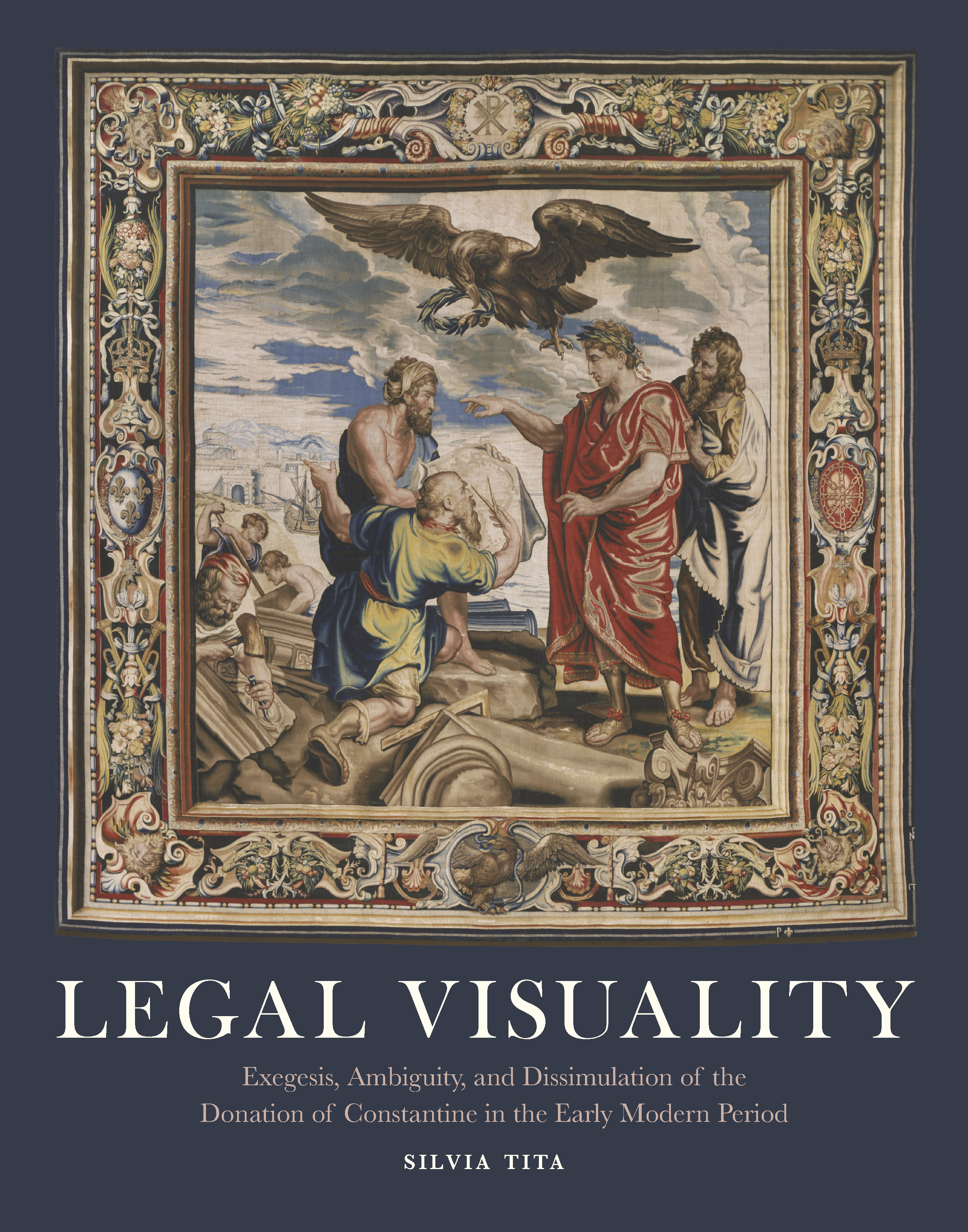 Legal Visuality
Exegesis, Ambiguity, and Dissimulation of the Donation of Constantine in the Early Modern Period
 Liturgia semper reformanda
Adaptations and accommodations in the liturgy in light of canon 838 of the Code of Canon Law


