Moche Tombs at Dos Cabezas
by Christopher B. Donnan

Paperback (Published)
(December 2007)
ISBN: 9781931745512
8.46 x 10.94 inches
Price: $45.00
On back order
Hardback (Out of print)
(December 2007)
ISBN: 9781931745529
8.46 x 10.94 inches
Price: $15.00
On back order
Moche civilization flourished on the north coast of Peru between approximately AD 100 and 800. Although the Moche had no writing system, they left a vivid artistic record of their beliefs and activities in beautifully modeled and painted ceramic vessels, remarkable objects of gold, silver, and copper, sumptuous textiles, and carved and inlaid bone, wood, and stone. Tens of thousands of these objects can be seen today in museums and private collections throughout the world. Unfortunately, nearly all of them have been looted from Moche tombs by grave robbers, and thus there is no record of the grave, or the archaeological site, or even the valley from which they came. This lack of information severely limits what could have been learned about the Moche if the graves had been excavated archaeologically and their contents systematically recorded. This study focuses on five extraordinary Moche tombs that were archaeologically excavated at the site of Dos Cabezas. The tombs are remarkable not only for the wealth of objects they contained but also because we know how the tombs were constructed, how they relate to one another both spatially and temporally, and what individuals they contained. The tombs provide an unusual opportunity to understand aspects of Moche funerary practice that are lost when tombs are looted, and to appreciate the extraordinary artistic and technological sophistication of this ancient Peruvian civilization.
- By (author) Christopher B. Donnan
Other Titles in this Series

 Ceramic Production and Circulation in the Greater Southwest
Source Determination by INAA and Complementary Mineralogical Investigations
Volume 44

 Settlement and Subsistence in Early Formative Soconusco
El Varal and the Problem of Inter-Site Assemblage Variation
Volume 65


 Archaeological Research on the Islands of the Sun and Moon, Lake Titicaca, Bolivia
Final Results from the Proyecto Tiksi Kjarka
Volume 52


Similar Books


 Colour Concept “Secoli bui” a colori
Codici cromatici e architetture dipinte nell’età tardoantica e medievale
 Crossing Disciplines in the Study of Archaeology and Prehistoric Art: Insights from the Sahara and Mediterranean Africa
Proceedings of the XX UISPP World Congress (5–9 September 2023, Timișoara, Romania) Volume / Session 18
 Crossing Sacred Landscapes
Contacts and Continuities in the Desert Cults and Beliefs of Ancient Northern Arabia and the Arid Southern Levant
 Cuneiform Artefacts from Archaeological Contexts: New Research on Ancient Iraq
Proceedings of a Conference Held at the Bavarian Academy of Sciences and Humanities, July 4–5, 2024
Volume 2



 Exploring Prehistoric Pottery in Japan
A Study of Organic Inclusions, Adhering Materials, and Impressions of Woven Items
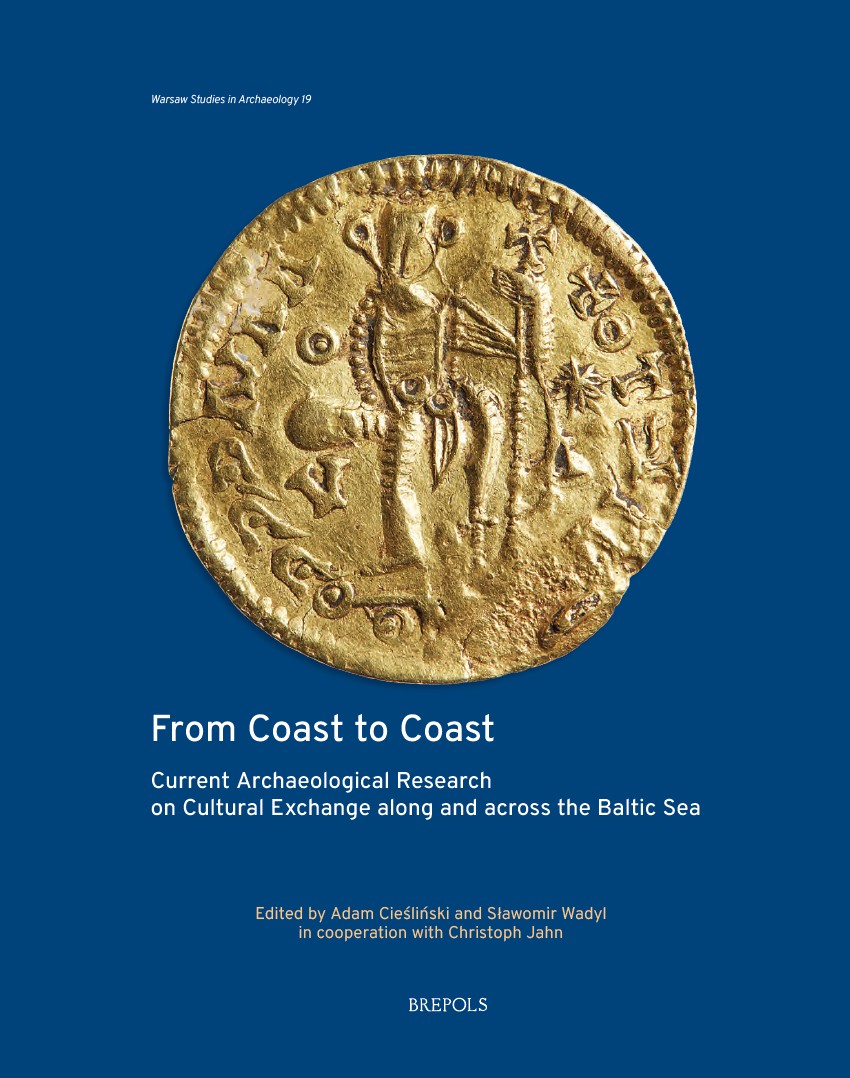 From Coast to Coast
Current Archaeological Research on Cultural Exchange along and across the Baltic Sea
Volume 19
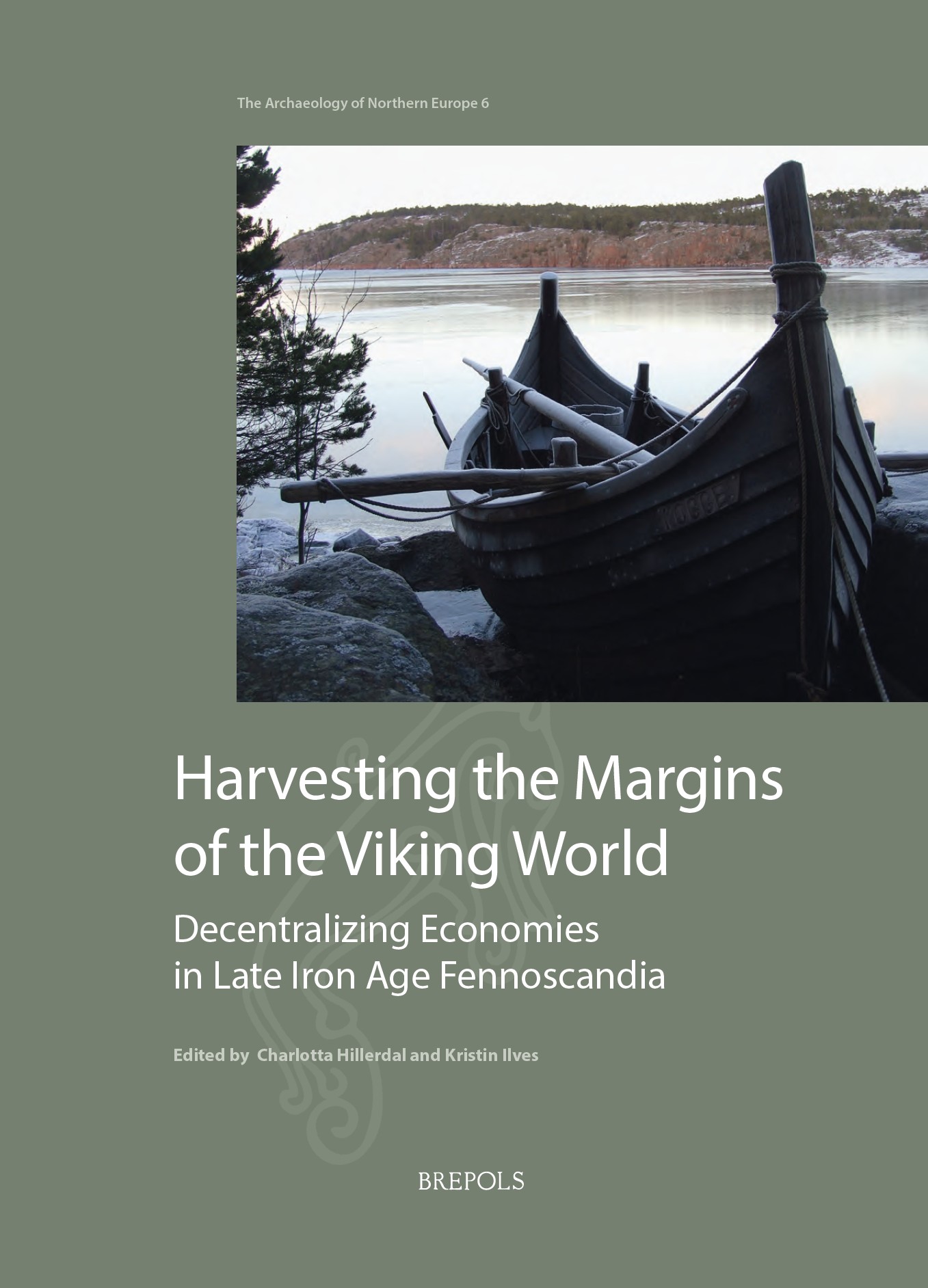 Harvesting the Margins of the Viking World
Decentralizing Economies in Late Iron Age Fennoscandia
Volume 6


 Linguistic and Cultural Dynamics in a Frontier Society
New Perspectives on Northeastern Bavaria and Western Bohemia in the Early Middle Ages
Volume 9

 Making and Meaning in the Bronze and Iron Ages
Chronology, Landscapes and Societies across Europe. Proceedings from the METALAGES2024 Colloquium (Florence, 23 October 2024)
 Medieval Yeghegis, Armenia
History, Archaeology, Society. Local Multiplicities and Global Connections of a Rural Centre on the Silk Road(s)


 Promoting the Profession
Papers in Honour of Peter Hinton Director of the Chartered Institute for Archaeologists 1997-2025

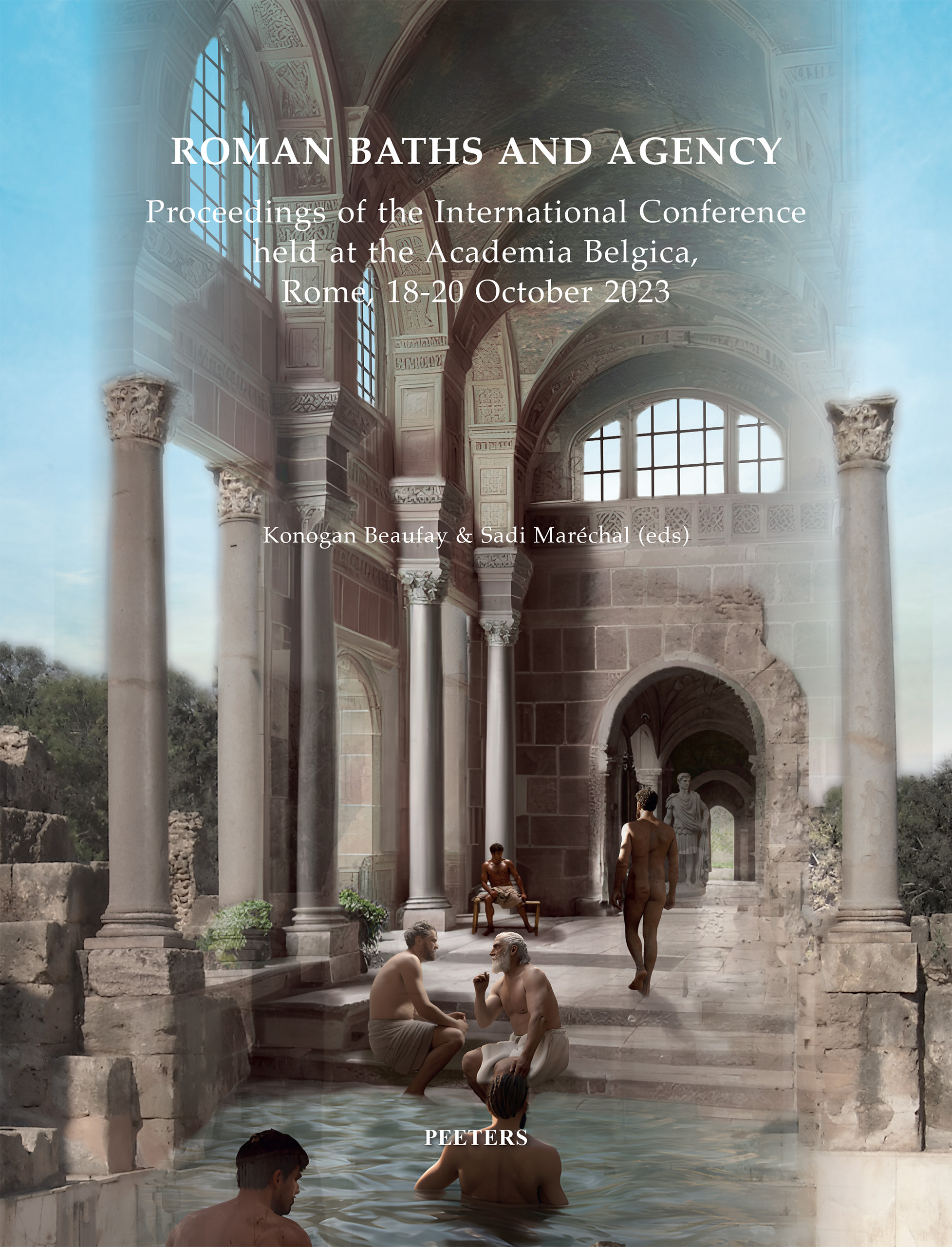 Roman Baths and Agency
Proceedings of the International Conference held at the Academia Belgica, Rome, 18-20 October 2023
Volume 51


 The Kingdom of Makuria and its Civilization
A Renewed Insight through New Archaeological Discoveries


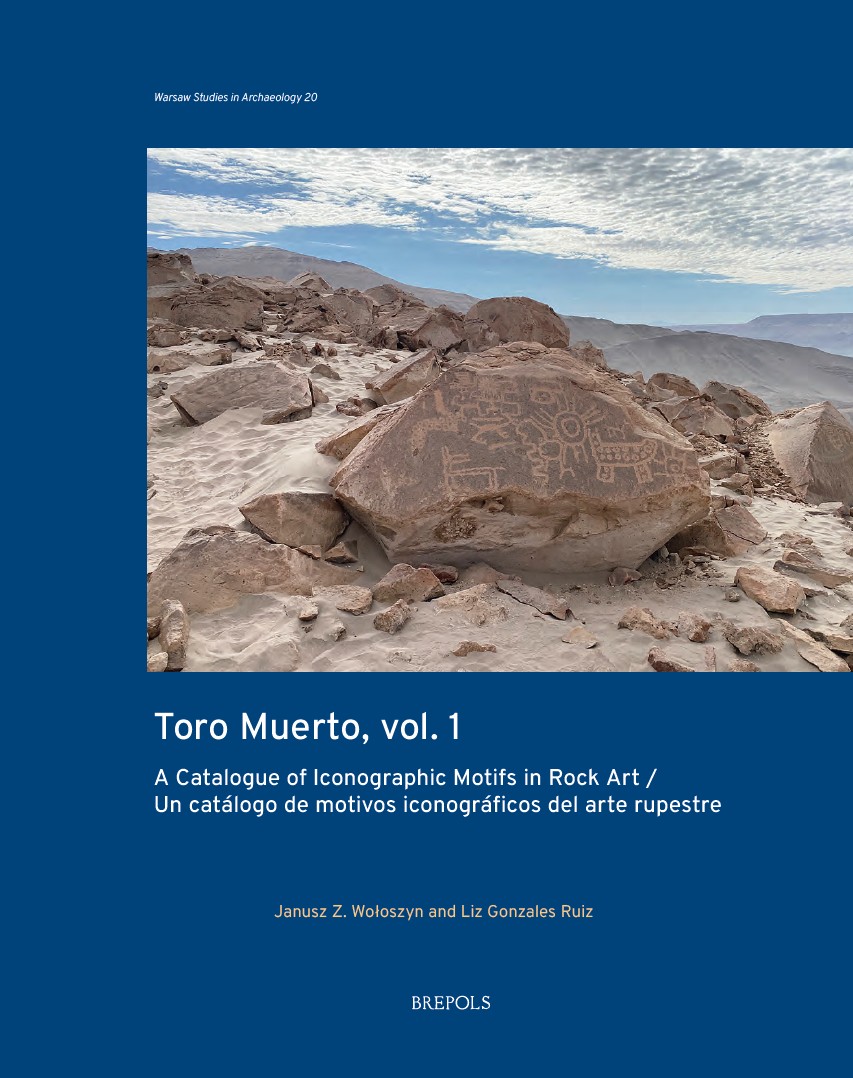 Toro Muerto, vol. I
A Catalogue of Iconographic Motifs in Rock Art / Un catálogo de motivos iconográficos del arte rupestre
Volume 20