
Herders christlicher Monismus
Eine Studie zur Grundlegung von Johann Gottfried Herders Christologie und Humanitätsideal
By (author) Claas Cordemann

Hardback (Published)
(October 2010)
ISBN: 9783161504082
6.46 x 9.49 inches
Price: $164.00
On back order
In an interdisciplinary discourse with Herder research in the fields of German studies and philosophy, Claas Cordemann focuses on Herder as a theologian and shows he was a distinguished philosopher who picked up on the theological debate of his era and was productive in pursuing it with his concept of a “Christian monism”.
English summary: In an interdisciplinary discourse with Herder research in the fields of German studies and philosophy, Claas Cordemann focuses on Herder as a theologian and shows he was a distinguished philosopher who picked up on the theological debate of his era and was productive in pursuing it. He incorporates Herder’s thinking into the philosophical discourse of the 18th century, which is linked to the names of Descartes, Spinoza and Leibniz. Cordemann shows that with his concept of a Christian monism Herder was trying to connect the basic insights of a metaphysics inspired by Spinoza to the basic concerns of Christian theology. He makes it clear that Herder’s theory of nature, history and culture and his definition of human beings and the history of humanity focus on Christology and are to be understood on the basis of the concept of God. German description: Claas Cordemann stellt im interdisziplinaren Diskurs mit der germanistischen und philosophischen Herderforschung den Theologen Herder ins Zentrum und zeigt ihn als einen Denker von Rang, der die philosophische und theologische Debattenlage seiner Zeit aufgreift und produktiv weiterfuhrt. Herders Denken wird in den philosophischen Diskurs des 18. Jahrhunderts eingebettet, der mit den Namen Descartes, Spinoza und Leibniz verbunden ist. Cordemann zeigt, dass Herder mit seinem Konzept eines achristlichen Monismus die Grundeinsichten einer spinozanisch inspirierten Metaphysik mit den Grundanliegen christlicher Theologie zu verbinden sucht. Herders Natur-, Geschichts- und Kulturtheorie sowie seine Bestimmung des Menschen und der Menschheitsgeschichte, so die These der Arbeit, haben ihren Fokus in der Christologie und sind vom Gottesgedanken her zu verstehen.
- By (author) Claas Cordemann
Other Titles in this Series

 Die Symboltheorie bei Novalis
Eine ideengeschichtliche Studie in ästhetischer und theologischer Absicht

 Der terministische Streit
Vorgeschichte, Verlauf und Bedeutung eines theologischen Konflikts an der Wende vom 17. zum 18. Jahrhundert
Volume 159
 Glaube und Lehre im modernen Protestantismus
Studien zum Verhältnis von religiösem Vollzug und theologischer Bestimmtheit bei Barth und Bultmann sowie Hegel und Schleiermacher
 Ubersetzungen von Erbauungsliteratur und die Rolle von Netzwerken am Ende des 17. Jahrhunderts
Volume 195


 Ernst Wilhelm Hengstenberg
Ein Beitrag zur Erforschung des kirchlichen Konservatismus im Preussen des 19. Jahrhunderts
Volume 169
 Theologie und neuzeitliches Christentum
Studien zu Genese und Profil der Christentumstheorie Trutz Rendtorffs
Volume 139

 Krypsis und Kenosis
Studien zu Thema und Genese der Tubinger Christologie im 17. Jahrhundert
Volume 162

 Adolf von Harnack und die deutsche Politik 1890-1930
Eine biographische Studie zum Verhaltnis von Protestantismus, Wissenschaft und Politik
Volume 124
 Patriotismus und Protestantismus
Konfessionelle Semantik im nationalen Diskurs zwischen 1749 und 1813
Volume 172

 Die Oxford-Bewegung und ihre Historiographie
Eine Analyse der geschichtlichen Konstruktion konfessioneller Identitat im Traktarianismus
Volume 206


 Praktische Bildung zum Pfarrberuf
Das Predigerseminar Wittenberg und die Entstehung einer zweiten Ausbildungsphase evangelischer Pfarrer in Preussen
Volume 134
 Islam und Identitatspolitik
Die Funktionalisierung der 'Turkenfrage' bei Melanchthon, Zwingli und Jonas
Volume 186

 Die kritische Identitat des neuzeitlichen Christentums
Schleiermachers Wesensbestimmung der christlichen Religion
Volume 96
 Wittenberger Universitatstheologie im fruhen 17. Jahrhundert
Eine Fallstudie zu Friedrich Balduin (1575-1627)
Volume 183


 Modernes Fruhchristentum
Christian C. J. Bunsens Hippolytuswerk als Programmschrift des 19. Jahrhunderts
Volume 208
 Der langsame Abschied vom landesherrlichen Kirchenregiment
Die Debatten um das Verhältnis von Kirche und Staat im 19. Jahrhundert in protestantischen Kirchenzeitungen
Similar Books
 ‘For You I Study, For You I Work, For You I Live, For You I Am Ready To Even Give My Life’
Essays in Honour of Francis (Frank) J Moloney, SDB




 Ars Prophetica
Theology in the Poetry of Twentieth-Century Hebrew Poets Avraham Halfi, Shin Shalom, Amir Gilboa, and T. Carmi
 As Messianism Turns to Heresy
The Regenstein Chair Lectures On Lurianic Kabbalah and Shabbatai Tzevi at Hebrew Union College - Cincinnati


 Drunk the Potion, No Whit Charmed
The Doctrine of Pure and Perfect Souls from Iamblichus to Damascius



 Extracanonical Traditions and the Holy Land
Texts, Rituals, and Material Culture in Late Antique Palestine
 Fear, Fear of God, God-Fearers
Philological and Historical Perspectives on the World of Ancient Judaism and Christianity




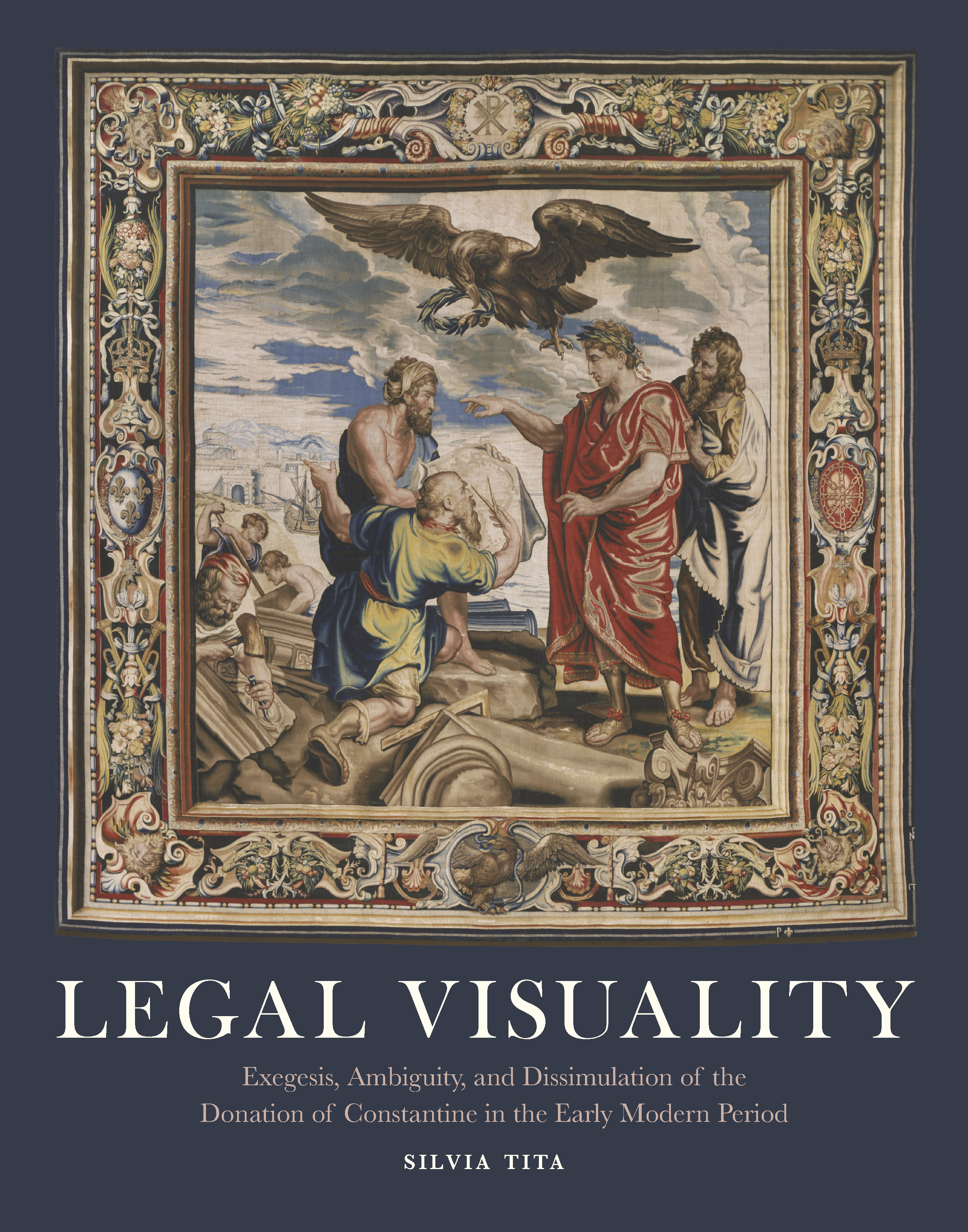 Legal Visuality
Exegesis, Ambiguity, and Dissimulation of the Donation of Constantine in the Early Modern Period
 Liturgia semper reformanda
Adaptations and accommodations in the liturgy in light of canon 838 of the Code of Canon Law


