
Egyptology in the Present
Experiential and Experimental Methods in Archaeology
edited by Carolyn Graves-Brown

Hardback (Published)
(June 2015)
ISBN: 9781910589021
6.1 x 9.17 inches
Price: $80.00
In stock
This volume builds bridges between usually-separate social groups, between different methodologies and even between disciplines. It is the result of an innovative conference held at Swansea University in 2010, which brought together leading craftspeople and academics to explore the all-too-often opposed practices of experimental and experiential archaeology. The focus is upon Egyptology, but the volume has a wider importance. The experimental method is privileged in academic institutions and thus perhaps is subject to clear definitions. It tends to be associated with the scientific and technological. In opposition, the experiential is more rarely defined and is usually associated with schoolchildren, museums and heritage centres; it is often criticised for being unscientific. The introductory chapter of this volume examines the development of these traditionally-assumed differences, giving for the first time a critical and careful definition of the experiential in relation to the experimental. The two are seen as points on a continuum with much common ground. This claim is borne out by succeeding chapters, which cover such topics as textiles, woodworking and stoneworking. And Salima Ikram, Professor of Egyptology at the American University in Cairo, here demonstrates remarkably that our understanding of the classic Egyptian funerary practice of mummification benefits from both ‘scientific’ experimental and sensual experiential approaches. The volume, however, is important not only for Egyptology but for archaeological method more generally. The papers illuminate the pioneering of individuals who founded modern archaeological practice. Several papers are truly groundbreaking and deserve to circulate far beyond Egyptology. Thus the archaeologist Marquardt Lund tackles the problem of understanding the earliest known depictions of flint knife manufacture, those from an Egyptian tomb dated around 1900 BC. He shows the importance of thinking outside ‘traditional’, i.e. modern, knapping practice. Lund’s knapping method, guided by the tomb depictions, is surprising but effective, and very different from that presented in manuals of lithic technology or taught in academic institutions.
Carolyn Graves-Brown (Egypt Centre, Swansea University) Introduction: Building Bridges. Experiential and Experimental Ashley Cooke (National Museums Liverpool) Flaxman Spurrell's Experimenting with Painting Materials Pearce Paul Creasman (Laboratory of Tree-Ring Research, University of Arizona) Exposing Ancient Shipbuilders' Secrets Carolyn Graves-Brown Beyond the Technological: A Novice Knapper's Experience Salima Ikram (American University in Cairo) Experimental Archaeology: From Meadow to Em-baa-lming Table Janet M. Johnstone (Egyptian Cultural Heritage Organisation) Practical Dressmaking for Ancient Egyptians - Making and Pleating Replica Ancient Egyptian Clothing Geoffrey Killen (Egyptologist, specialist in ancient woodworking technology) Woodworking Marquardt Lund (archaeologist) Some Observations and Practical Attempts according to Egyptian Depictions of Flintknapping Acts from the Old and Middle Kingdom Ann Richards (Textile designer and analyst) Did Ancient Egyptian Textiles Pleat Themselves? Alice Stevenson (Petrie Museum of Egyptian Archaeology, University College London) Early Experiments: A View from the Pitt Rivers Museum Denys A. Stocks (experimental archaeologist) Some Experiments in Ancient Egyptian Stone Technology
- Edited by Carolyn Graves-Brown
Other Titles in this Series



Similar Books


 Archaeological Discoveries at the Temple of Ramesses II in Abydos
Vol. 2: Old Kingdom Wall, Papyri, Ostraca, and Leather Remains


 Colour Concept “Secoli bui” a colori
Codici cromatici e architetture dipinte nell’età tardoantica e medievale
 Crossing Disciplines in the Study of Archaeology and Prehistoric Art: Insights from the Sahara and Mediterranean Africa
Proceedings of the XX UISPP World Congress (5–9 September 2023, Timișoara, Romania) Volume / Session 18
 Crossing Sacred Landscapes
Contacts and Continuities in the Desert Cults and Beliefs of Ancient Northern Arabia and the Arid Southern Levant
 Cuneiform Artefacts from Archaeological Contexts: New Research on Ancient Iraq
Proceedings of a Conference Held at the Bavarian Academy of Sciences and Humanities, July 4–5, 2024
Volume 2


 Exploring Prehistoric Pottery in Japan
A Study of Organic Inclusions, Adhering Materials, and Impressions of Woven Items
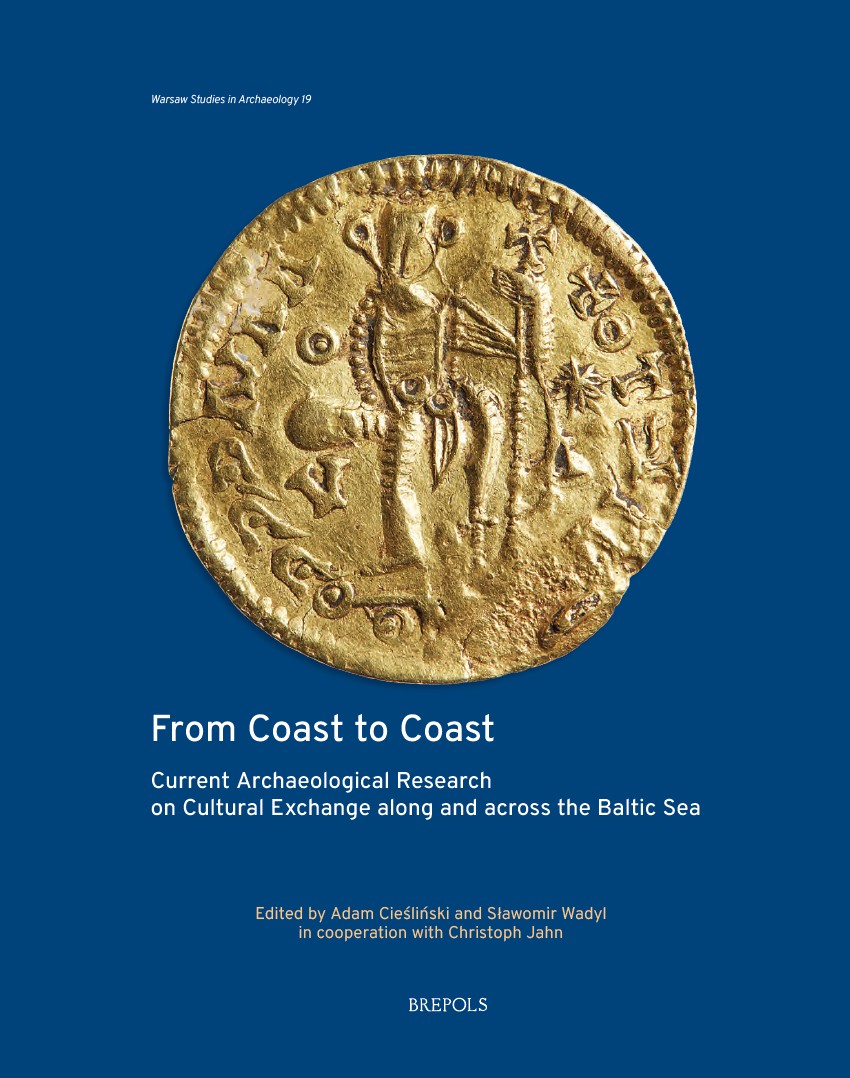 From Coast to Coast
Current Archaeological Research on Cultural Exchange along and across the Baltic Sea
Volume 19
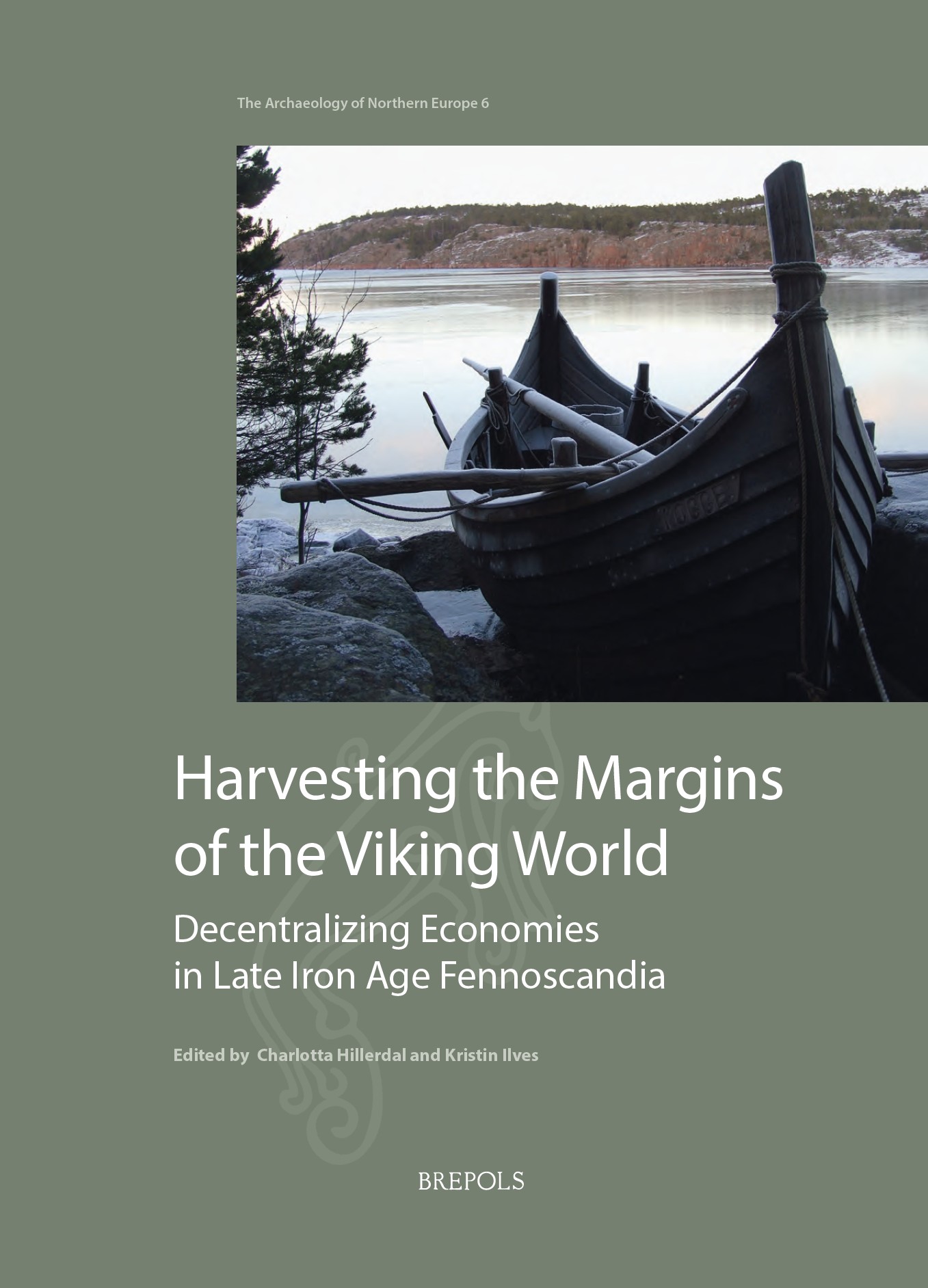 Harvesting the Margins of the Viking World
Decentralizing Economies in Late Iron Age Fennoscandia
Volume 6



 Linguistic and Cultural Dynamics in a Frontier Society
New Perspectives on Northeastern Bavaria and Western Bohemia in the Early Middle Ages
Volume 9


 Making and Meaning in the Bronze and Iron Ages
Chronology, Landscapes and Societies across Europe. Proceedings from the METALAGES2024 Colloquium (Florence, 23 October 2024)
 Medieval Yeghegis, Armenia
History, Archaeology, Society. Local Multiplicities and Global Connections of a Rural Centre on the Silk Road(s)


 Promoting the Profession
Papers in Honour of Peter Hinton Director of the Chartered Institute for Archaeologists 1997-2025


 The Kingdom of Makuria and its Civilization
A Renewed Insight through New Archaeological Discoveries