
Die römische Nekropole und die Villenanlage von Duppach-Weiermühle, Vulkaneifel
By (author) Peter Henrich

Mit der Nekropole von Duppach-Weiermühle wurde erstmals ein monumental ausgestaltetes Gräberfeld einer römischen Villenanlage in einer Mittelgebirgsregion der Nordwestprovinzen des Römischen Reiches vollständig erforscht. Die
Villenanlage war vom 1. bis an den Beginn des 5. Jahrhunderts n. Chr. kontinuierlich besiedelt. Das Fundspektrum der Grabungen sowie das Fehlen von Brandschichten schließen eine gewaltsame Zerstörung aus. Dennoch wurden die im 2.
und 3. Jahrhundert errichteten Grabmonumente in der Spätantike abgetragen und für die Errichtung von Bauwerken zweckentfremdet. Regional fügt sich die Villa von Duppach-Weiermühle mit ihrer monumentalen Nekropole in die Reihe der großen Villenanlagen mit Grabpfeilern wie Gerolstein und Gillenfeld ein. Dies ist der eindrucksvolle Beleg dafür, dass die Region der westlichen Vulkaneifel, auch wenn sie fernab der großen römischen Metropolen Köln und Trier lag, durchaus als Siedlungsgebiet dort tätiger Repräsentanten des römischen Staates zu betrachten ist. Mit dieser Publikation wird eine einzigartige, monumental ausgestattete und sehr repräsentative Nekropole unmittelbar nach Abschluss der – mit modernsten
Ausgrabungs- und Forschungsmethoden durchgeführten – Untersuchungen vorgelegt. Die Ergebnisse zeigen neue Perspektiven für die Provinzialrömische Archäologie im Nordwesten des Römischen Reiches auf.
- By (author) Peter Henrich
Other Titles in this Series


 Der römische Gutshof und das Gräberfeld bei Lösnich
Kreis Bernkastel-Wittlich. Ein Beitrag zur Rekonstruktion ländlicher Besiedlung im Trevererland


 Stadt – Land – Fluss. Grabdenkmäler der Treverer in lokaler und überregionaler Perspektive
Akten der Internationalen Konferenz 25.–27. Oktober 2018 in Neumagen und Trier
 Ein Hortfund spätantiker Bronzemünzen aus Meckel, Eifelkreis Bitburg-Prüm
7486 Prägungen vom 3. Jahrhundert bis zur tetrarchisch-konstantinischen Zeit, verborgen 312/13 n. Chr.


Similar Books


 Archaeological Excavations at Irmis Rka: An Investigation of a Multi-Layered Settlement in Southwest Georgia
Results from the 2020 Season: Early Bronze Age to Medieval Occupations


 Catuvellaunia and Rome: Economic and Political Relations during the Final Decades Pre-conquest
The Role of Grain from Southeastern Britain and Its Potential for Maintenance of the Roman Military along the Frontier on the Rhine
 Colour Concept “Secoli bui” a colori
Codici cromatici e architetture dipinte nell’età tardoantica e medievale

 Crossing Disciplines in the Study of Archaeology and Prehistoric Art: Insights from the Sahara and Mediterranean Africa
Proceedings of the XX UISPP World Congress (5–9 September 2023, Timișoara, Romania) Volume / Session 18
 Crossing Sacred Landscapes
Contacts and Continuities in the Desert Cults and Beliefs of Ancient Northern Arabia and the Arid Southern Levant
 Cuneiform Artefacts from Archaeological Contexts: New Research on Ancient Iraq
Proceedings of a Conference Held at the Bavarian Academy of Sciences and Humanities, July 4–5, 2024
Volume 2

 ENTANGLED AFRICA
Intra-African Relations Between Rain Forest and Mediterranean from Around 4,000 BCE to 1,500 CE


 Exploring Prehistoric Pottery in Japan
A Study of Organic Inclusions, Adhering Materials, and Impressions of Woven Items

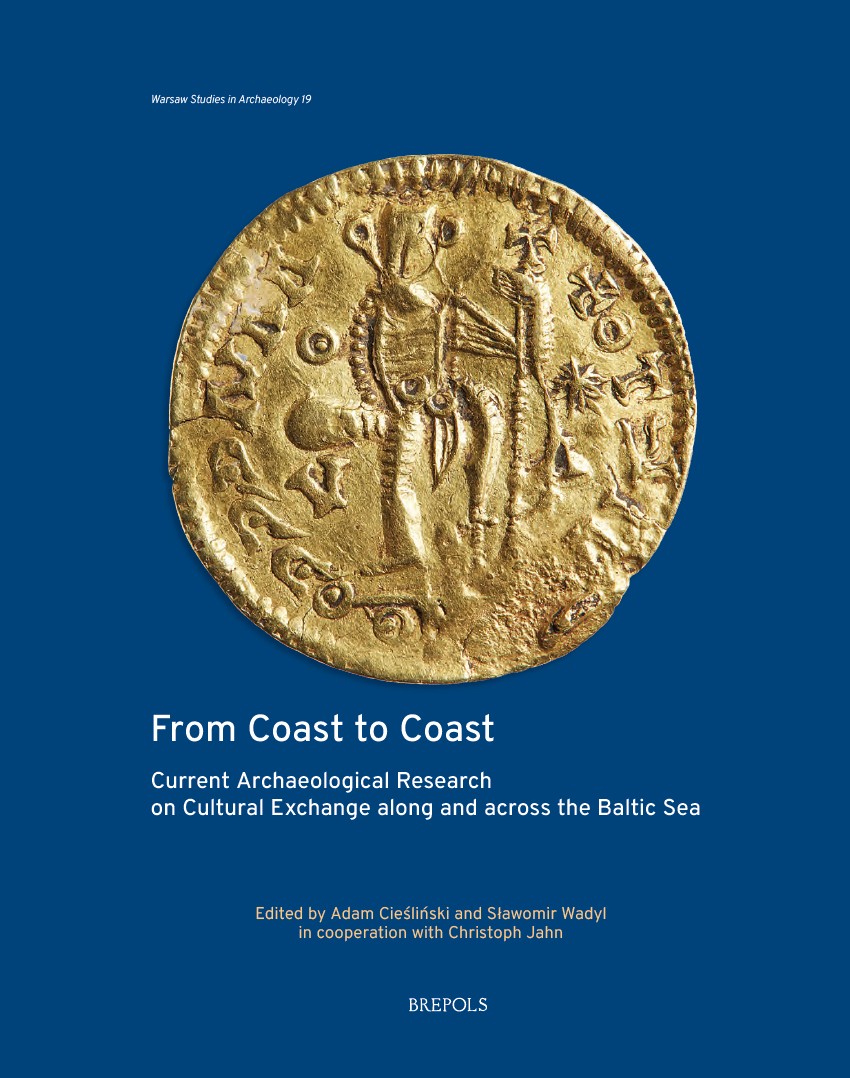 From Coast to Coast
Current Archaeological Research on Cultural Exchange along and across the Baltic Sea
Volume 19
 Frontiers of the Roman Empire: The Frontier of the Roman Province of Raetia
Grenzen des Römischen Reiches: Die Grenze der Römischen Provinz Raetien
 Gold, Silver and Glass: Power Networks, Cultural Identities, Technology Transfers and Agency across the Old World (7th Century BC – 1st Century AD)
Proceedings of a Conference Held at the British Museum, 16–18 June 2023
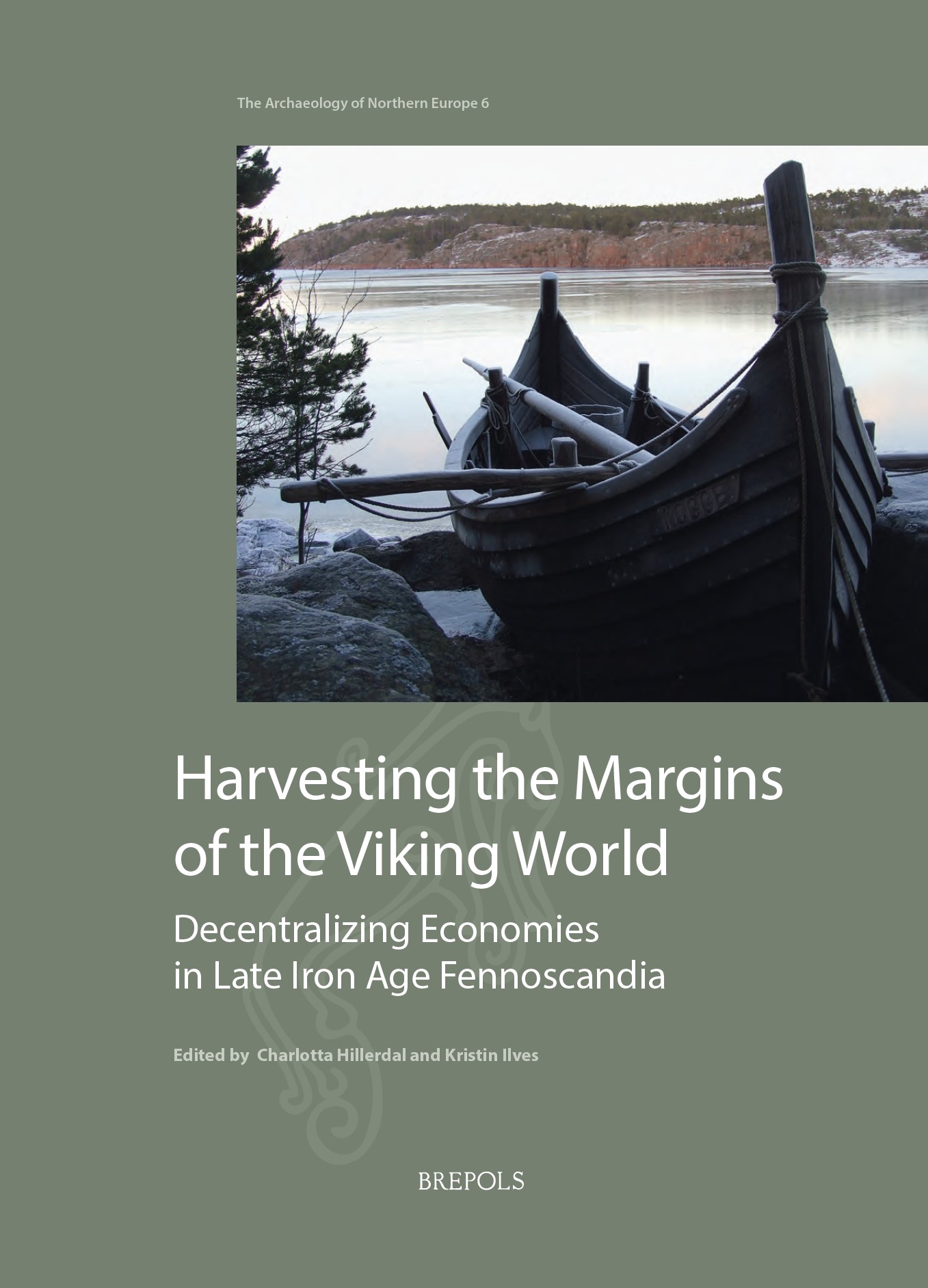 Harvesting the Margins of the Viking World
Decentralizing Economies in Late Iron Age Fennoscandia
Volume 6
 Images of Anonymous Women
A Semiotic Approach to Image-Text Relations in Interpretation of Ancient Near Eastern Art and the Hebrew Bible
Volume 310

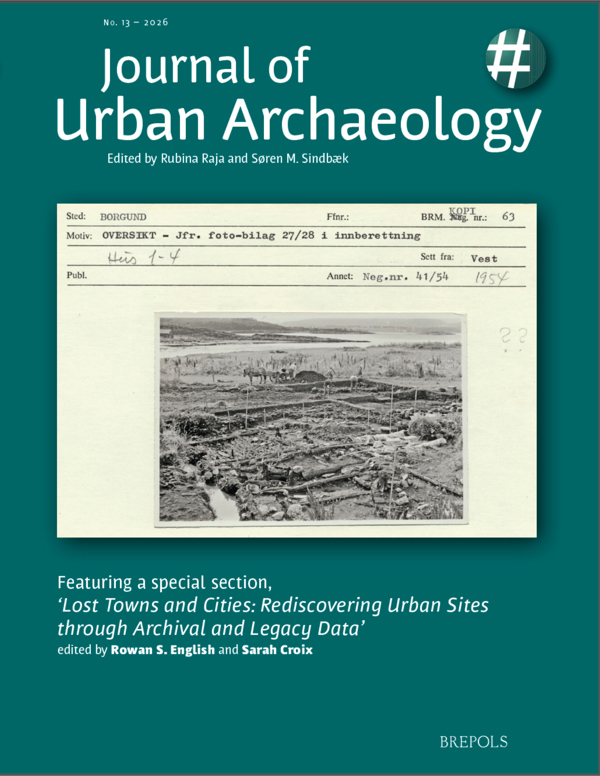 Journal of Urban Archaeology 13 (2026)
Featuring a special section, ‘Lost Towns and Cities: Rediscovering Urban Sites through Archival and Legacy Data’


 Making and Meaning in the Bronze and Iron Ages
Chronology, Landscapes and Societies across Europe. Proceedings from the METALAGES2024 Colloquium (Florence, 23 October 2024)

 Medieval Yeghegis, Armenia
History, Archaeology, Society. Local Multiplicities and Global Connections of a Rural Centre on the Silk Road(s)
 Mobility and Archaeogenetics in Central Asia
People – Goods – Ideas. 3rd International Conference on Central Asian Archaeology in Bern, 11th–13th January 2024
Volume 24


 Offa’s Dyke Journal: Volume 7 for 2025
A Journal for Linear Monuments, Frontiers and Borderlands Research


