
Die Kleinfunde von Habuba-Kabira-Tall
edited by Eva Strommenger-Nagel and Kay Kohlmeyer

Hardback (Published)
(April 2017)
ISBN: 9783447106993
Price: $191.00
On back order
English summary: The early Sumerian city “Habuba South” is located in the region of Habuba Kabira-South, around whose perimeters archeological traces of earlier settlements can be found. The grounds further north of the old city were sporadically inhabited. During the course of the third millennium B.C.E., there later developed the settlement mound of Habuba Kabira-Tall, which up to the early second millennium B.C.E. mostly contained a few simple houses and a defensive wall. With the construction of the Tabqa Dam Project, the excavation of the site was predominantly reduced to the south-eastern side of the settlement mound. At that location, however, the earliest settlements of the city of Habuba South were finally discovered. This volume presents the complete publication of the mobile inventory from the long-lived settlement of Habuba Kabira-Tall. Especially because of the longevity of the settlement, the materials presented here should prove helpful in the interpretation of some sporadic findings from other archeological locations within the reservoir area. Naturally, the collection of ceramics, whose forms and decorations reveal a number of shifts and changes in the course of the settlement period, is particularly rich. There is an extensive inventory of decorated pots and bowls as well as numerous small religious figurines made out of baked clay as well as animal figures, chariots, furniture, and house models related to religious practices. Stone finds such as flour mills, casting molds for the production of equipment, needles, and workbenches for processing pearls provide evidence concerning material production in the ancient city. A pottery kiln and a number of discovered relicts also indicate occasional vessel production. The site contained no written documents and only a few seal-glyphs were discovered. German description: Im Gelande von Habuba Kabira-Sud fanden sich an der Oberflache auaerhalb der fruhsumerischen Stadt Habuba-Sud vereinzelte, etwa gleichzeitige Siedlungsspuren. Auch das Gelande weiter nordlich der alten Stadt war stellenweise bewohnt. Im Verlauf des 3. Jahrtausends v.Chr. entstand dort spater der Siedlungshugel Habuba Kabira-Tall, dessen Bebauung mit meist einfachen Hausern und einer Befestigungsmauer bis in das fruhe 2. Jahrtausend v.Chr. zu verfolgen ist. Durch den Bau des Assad-Staudamms mussten sich die Grabungen vorwiegend auf den Sudosten des Siedlungshugels beschranken. Dort wurde schliealich die alteste Nutzung zur Zeit der Stadt Habuba-Sud und unter ihr der gewachsene Boden erreicht. In diesem Band wird das bewegliche Inventar der langlebigen Siedlung von Habuba Kabira-Tall vollstandig publiziert. Besonders wegen der langen Besiedlungsdauer durfte sich das hier vorgelegte Material bei der Interpretation mancher vereinzelter Befunde aus anderen Orten des Stauseegebietes als hilfreich erweisen. Sehr reich belegt ist naturlich die allgegenwartige Keramik, deren Formen und Dekore im Laufe der Zeit mehrere Zasuren erkennen lassen. Vertreten ist auch ein umfangreiches Inventar an Gefaamarken. Zahlreiche kleine Gotterfiguren aus gebranntem Ton sind ebenso wie Tierfiguren, Wagen-, Mobel- und Hausmodelle dem religiosen Bereich zuzuordnen. Steinerne Funde wie Getreidemuhlen, Gussformen zur Herstellung von Geraten und Nadeln sowie Arbeitsplatten zur Perlenfabrikation deuten auf Produktionsprozesse hin. Ein Topferofen und wiederholt beobachtete Fehlbrande verweisen auf eine gelegentliche Gefaaproduktion. Schriftzeugnisse fehlen und die Siegelglyptik ist nur sehr sparlich vertreten.
- By (author) Eva Strommenger
Other Titles in this Series
 Mittelassyrische Verwaltungsurkunden aus Assur / Texte aus den ‘grossen Speichern’ und dem Ubru-Archiv
Mit einem Beitrag zu den Siegelabrollungen von Barbara Feller
Volume 124

 Lexikalische Texte III. Zeichenlisten
Teil 1: Einleitung, Katalog, Textbearbeitungen, Verzeichnisse Teil 2: Glossare und Keilschriftautographien
Volume 161


 Schreiberubungen aus neuassyrischer Zeit
Mit Beitragen von Anmar A. Fadhil sowie einer internationalen Forschergruppe. Keilschrifttexte aus Assur literarischen Inhalts 15
Volume 162
 Mittelassyrische Rechtsurkunden und Verwaltungstexte X
Mit einem Beitrag zu den Siegelabrollungen von Barbara Feller
Volume 134


 Ausgrabungen der Deutschen Orient-Gesellschaft in Fara und Abu Hatab. Die Inschriften von Fara, Band 4. Wirtschaftstexte aus Fara II
Texte der Viehverwaltung von suruppak
Volume 143


 Regional History and the Coin Finds from Assur
From the Achaemenids to the Nineteenth Century
Volume 148
 Graber und Grufte aus Assur von der zweiten Halfte des 3. bis zur Mitte des 2. Jahrtausends. v. Chr.
Volume 129

 Staatsrituale, Festbeschreibungen und weitere Texte zum assyrischen Kult
Keilschrifttexte aus Assur literarischen Inhalts 12
Volume 158

 Lexikalische Texte aus Assur I
ur5-ra = hubullu, mur-gud = imru = ballu, Lu-Listen. Keilschrifttexte aus Assur literarischen Inhalts 8
Volume 153
 Aramaic and figural stamp impressions on bricks of the sixth century B.C. from Babylon
With Drawings of the Aramaic and Figural Impressions by Noga Z'evi
Volume 127


 Die Jungeren Ischtar-Tempel und der Nabu-Tempel in Assur
Architektur, Stratigraphie und Funde Mit interaktiven Architekturplanen und Fotos auf CD-ROM
Volume 137
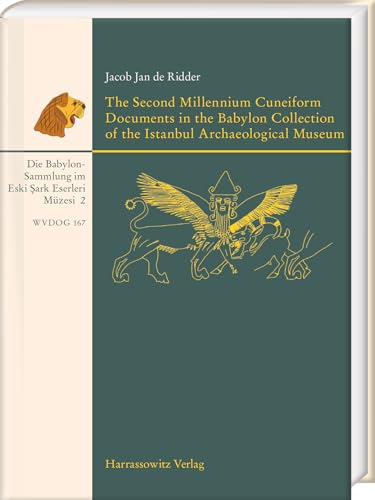 The Second Millennium Cuneiform Documents in the Babylon Collection of the Istanbul Archaeological Museum
With a Contribution by Agnete W. Lassen
Volume 167


 Divinatorische Texte III
Astrologische Omina. Keilschrifttexte aus Assur literarischen Inhalts 13
Volume 160


Similar Books






 Boğazköy Tablets in the Museum of Anatolian Civilizations (Bo 9032–Bo 9097)
Anadolu Medeniyetleri Müzesinde Bulunan Boğazköy Tabletleri (Bo 9032–Bo 9097)
Volume 4
 Connecting the Dots: Counting, Writing, and the Beginnings of Civilization
The Secret Lives of Clay Tokens: A Memoir

 Curating the Prehistoric Past
Studies on West Asian Archaeology and Beyond in Honour of Yoshihiro Nishiaki

 Exploring Gender Dynamics across the Ancient Near East
Collected Essays of Gender and Methodology in the Ancient Near East (GeMANE) 4 and 5
Volume 7


 Ḫattušaš utnē išḫameški
Hittite and Other Ancient Near Eastern Studies Presented to Piotr Taracha on the Occasion of His 65th Birthday




 Kultur – Kontakt – Kultur
Beiträge anlässlich der 66. Rencontre Assyriologique Internationale in Frankfurt/Main und Mainz, 25.–29. Juli 2022
Volume 35
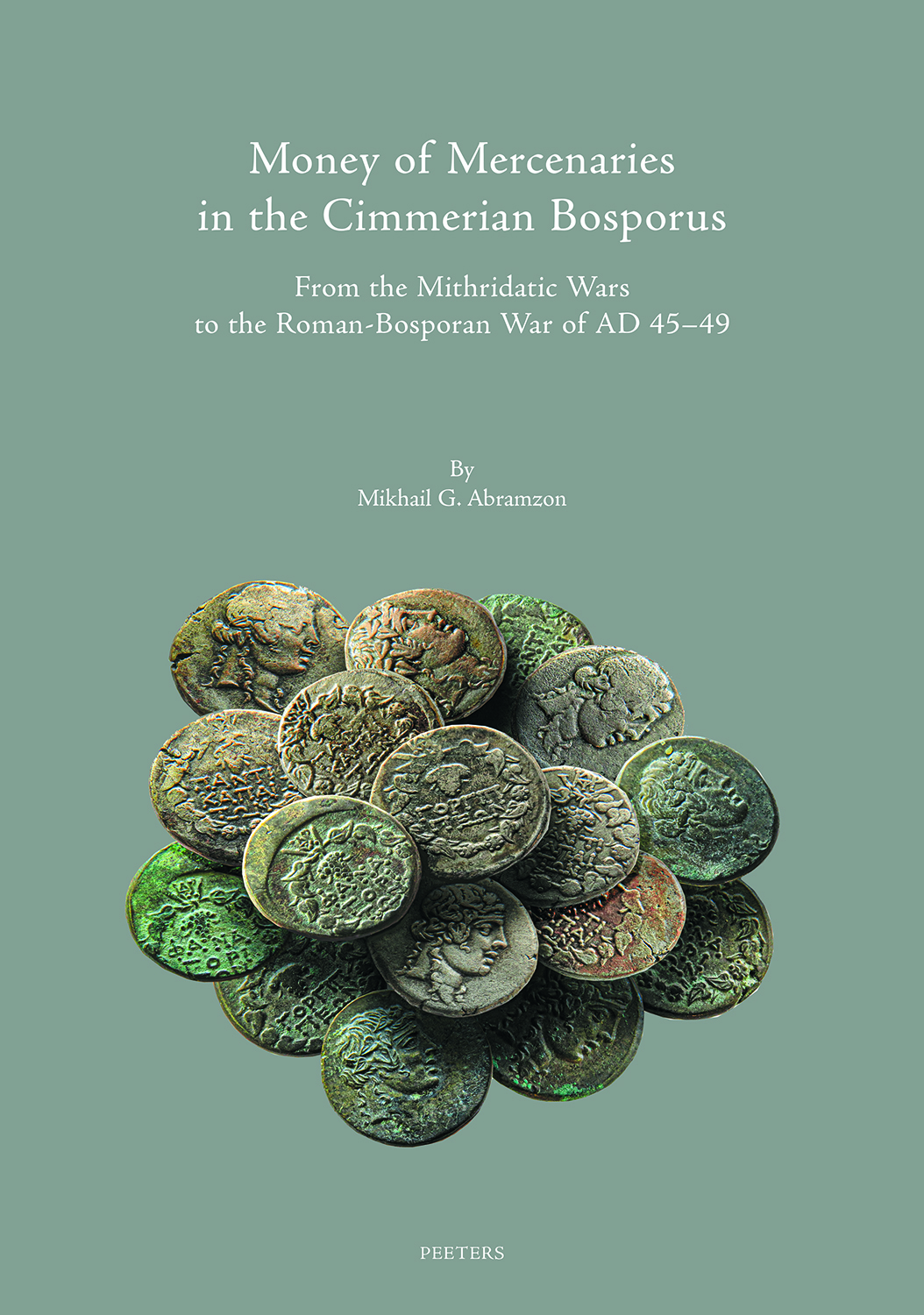 Money of Mercenaries in the Cimmerian Bosporus
From the Mithridatic Wars to the Roman-Bosporan War of AD 45-49
Volume 45

 New Research on Old Collections in Southwest Asian Archaeology
Proceedings of the Workshop Held at the British Museum, London, 31 July – 2 August, 2023
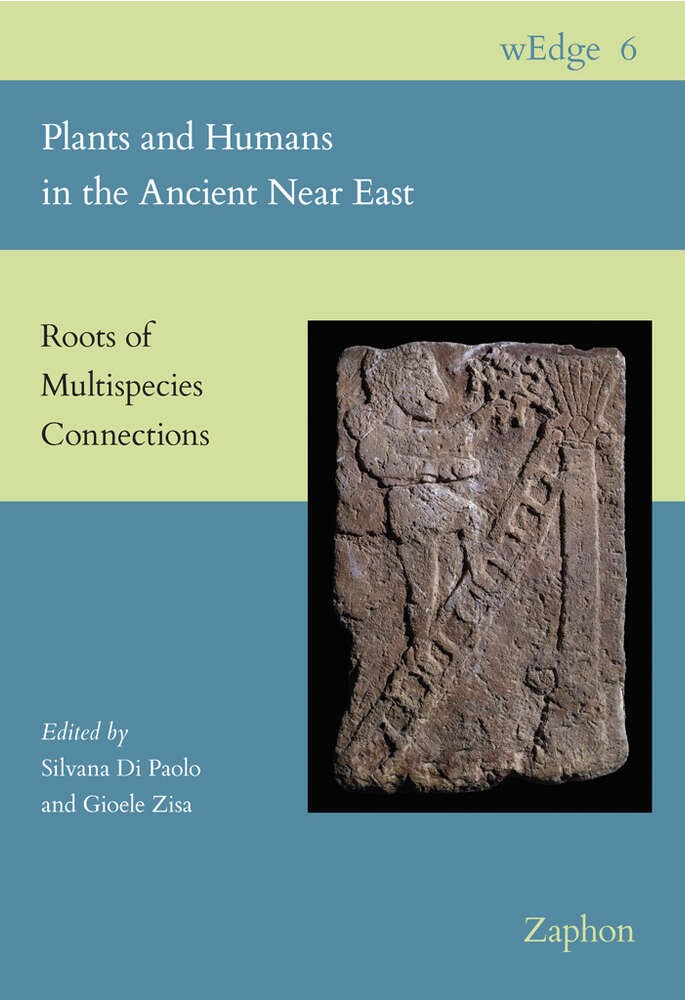
 Old Aramaic Inscriptions and their Contexts
An Epigraphic, Archaeological, and Historical Synthesis
Volume 63

 Politics, Peoples, and Polities in the Ancient Near East
Proceedings of the 69th Rencontre Assyriologique Internationale, Helsinki
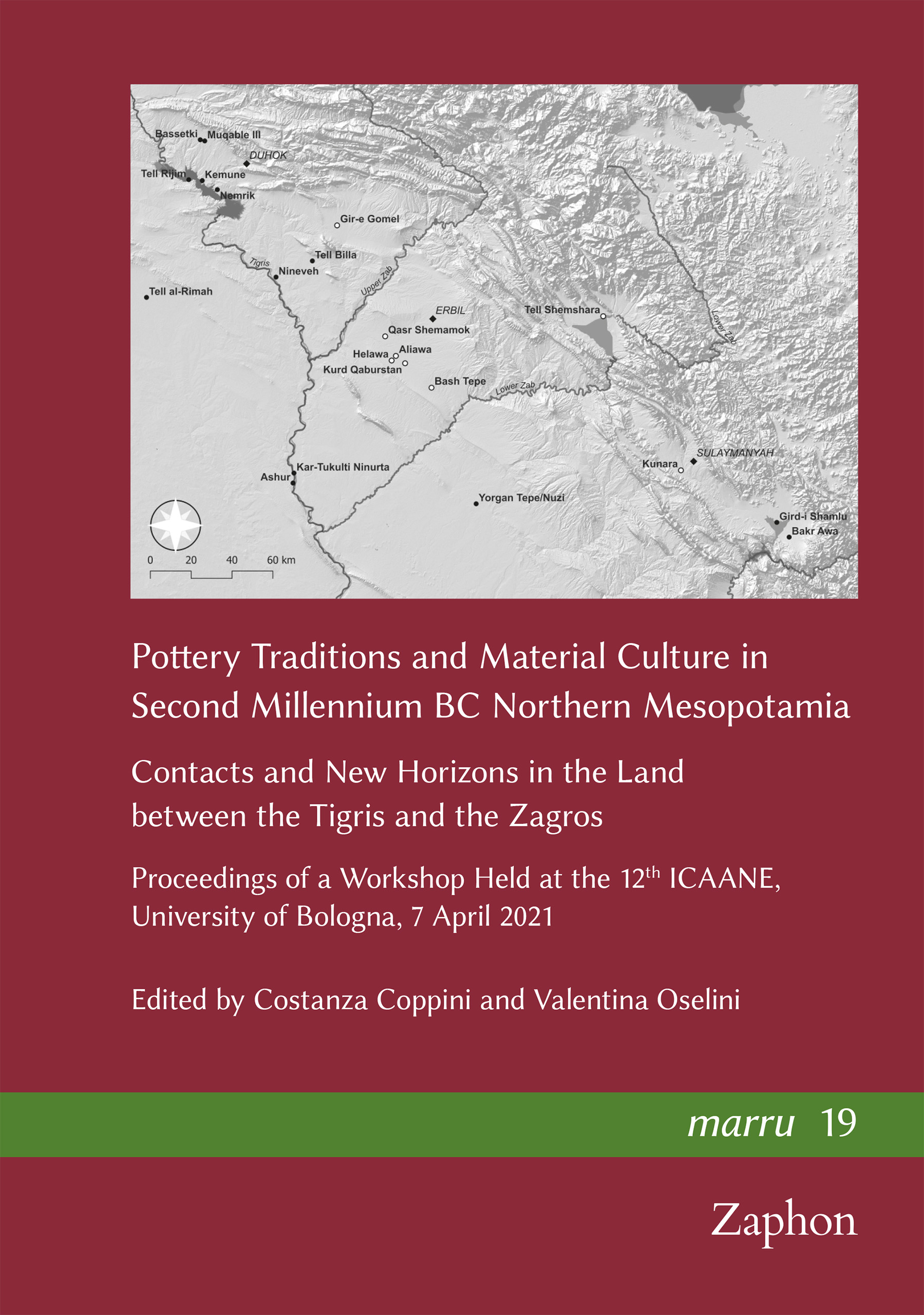 Pottery Traditions and Material Culture in Second Millennium BC Northern Mesopotamia
Contacts and New Horizons in the Land between the Tigris and the Zagros. Proceedings of a Workshop Held at the 12th ICAANE, University of Bologna, 7 April 2021
Volume 19
 Punning in Odd or Elegant Constructions in Jeremiah
The Convergence of Linguistics, Rhetoric, and Textuality in the Hebrew Text of Jeremiah

 Sertorius, the Exiles of the Sullan Regime and the Provinces of the Empire
Legitimacy, Morality and Imperial Discourse in the 70s BCE
 Shame in the Worlds of the Hebrew Bible and Akkadian Texts
A Linguistic Study and Its Implications
Volume 33

 Telling Contexts
Archaeological and Textual Studies in Honor of Elizabeth Bloch-Smith and Mark S. Smith
 The Body
Lived, Cultured, Adorned: Essays on Dress and the Body in the Bible and Ancient Near East in Honor of Nili S. Fox
 The Discourse of Rites
Shaping and Reshaping the (Counter-)Priestly Rituals Conducted Outside the Tabernacle
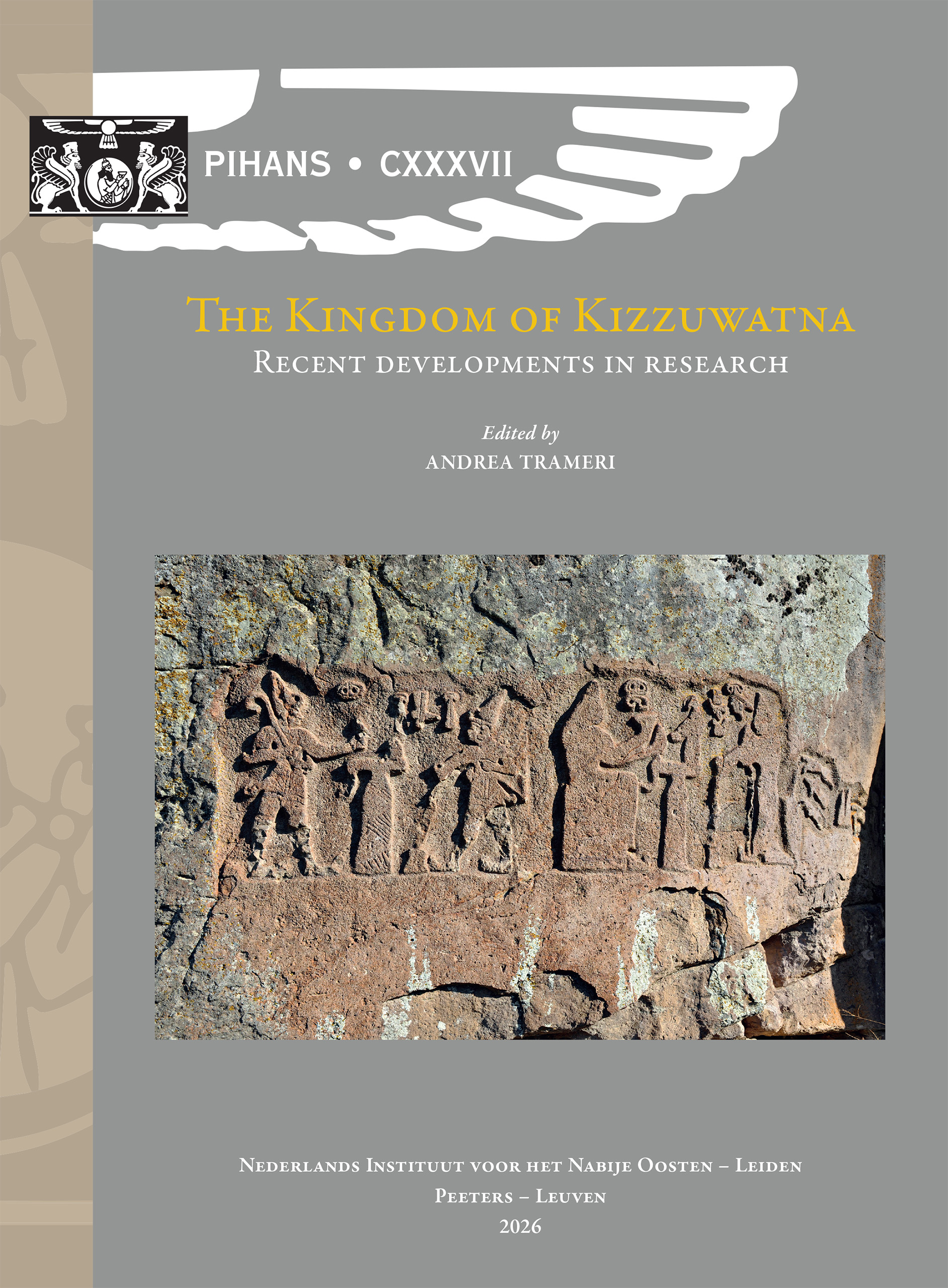 The Kingdom of Kizzuwatna: Recent Developments in Research
Proceedings of the Third NINO Postdoctoral Research Fellow Annual Conference, Leiden, 23rd-25th March 2023
Volume 137