
Der Brief an Philemon
by Martin Ebner
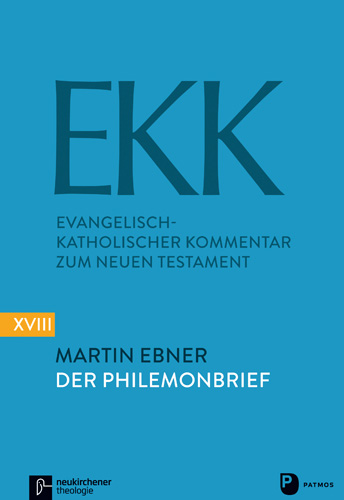
Paperback (Published)
(October 2017)
ISBN: 9783788731076
6.54 x 9.49 inches
Price: $52.00
On back order
Der Kommentar analysiert, wie Paulus als theologischer Diplomat erster Garnitur um die praktische Umsetzung der Konsequenzen seines Evangeliums im Haushalt eines reichen Christen sein ganzes Konnen einsetzt.
English summary: In “The Epistle to Philemon,” the author comes to the point of what Christianity (though not called by that name) really means: about how social relationships are changed when inhabited by believers and the way in which the Christian faith changes and shapes social relations within social and political spaces shaped by other forces. The text, which was originally an accompanying letter to another epistle, shows Paul’s concern with a runaway slave that had been returned to his master, with Paul’s admonition that the master treat the slave from then on as a fellow brother for the simple reason that the slave had been brought to the faith, had been baptized (following Gal. 3.27ff) , and thus had to be counted as a son of God, which means that the typical ancient division of society into slave and free no longer applied to Christian society. The “Epistle to Philemon” is exemplary for showing Paul as the theological emissary of the first order, whose goal is to establish the practical implementation of the consequences of his Gospel within the household of a rich Christian and his whole way of life. This commentary analyses the letter in terms of its motifs as well as its philological themes (the original sound of the Greek in its time), its epistemological concepts (in light of contemporary view of letter writing), and its social and historical context and, typical for a Protestant scholar, the historical effect of the letter, focusing on important ideas within the letter and their reception. German description: Der Philemonbrief bringt wie kaum ein anderer Brief des Paulus auf den Punkt, worum es im Christentum (das in der Zeit des Paulus noch nicht so genannt wurde) eigentlich geht: um eine im Glauben begrundete und durch den Glauben provozierte Veranderung sozialer Beziehungsnetze innerhalb eines gesellschaftspolitisch ganz anders gepragten Raumes. Der Text, der ursprunglich das Begleitschreiben war, mit dem Paulus einen entflohenen Sklaven zu seinem Herrn zuruckgeschickt hat, versucht die Geleise dafur zu legen, dass der Sklavenherr mit dem Sklaven ab sofort wie mit einem Bruder umgeht – ganz einfach deshalb, weil der Sklave glaubig geworden ist und sich hat taufen lassen, gemass Gal 3,27f. also zu den Sohnen Gottes gehort, unter denen die fur die Antike typische Einteilung der Menschen in Sklaven und Freie nicht mehr gilt. Damit zeigt der Philemonbrief exemplarisch, wie Paulus als theologischer Diplomat erster Garnitur um die praktische Umsetzung der Konsequenzen seines Evangeliums im Haushalt eines reichen Christen sein ganzes Konnen einsetzt.Der vorliegende Kommentar analysiert das Schreiben unter diesen Leitgedanken philologisch (dem griechischen Urklang auf der Spur), epistemologisch (im Blick auf die Briefschreibgewohnheiten der Zeit), sozialgeschichtlich (im Blick auf den gesellschaftlichen Kontext) und – typisch fur den EKK – wirkungsgeschichtlich (fokussiert auf besonders wichtige Brennpunkte).
Dr. theol. Martin Ebner ist Professor fur Neues Testament an der Katholisch-Theologischen Fakultat der Universitat Bonn.
- By (author) Martin Ebner
Other Titles in this Series

Similar Books


 Apocrypha, Magic, Liturgy
The Multiple Identities of Coptic Prayers in Late Antique and Early Islamic Egypt
 Athanasius of Alexandria, Epistula ad episcopos Aegypti et Libyae
Old Slavonic Version and English Translation
Volume 261



 Contesting Labeled Identities
The Sociology of Gentilics in Biblical and Northwest Semitic Literature

 Cyril of Alexandria’s Christological Exegesis
Explorations of Partitive Exegesis in the Dialogues on the Trinity
Volume 70


 Epiphanies of the Divine in the Septuagint and the New Testament
Fifth International Symposium of the Corpus Judaeo-Hellenisticum Novi Testamenti (CJHNT), 14-17 May 2015, Nottingham


 Extracanonical Traditions and the Holy Land
Texts, Rituals, and Material Culture in Late Antique Palestine
 From Joseph to Jesus
The Joseph Narrative as a Compositional Template from Old Greek Esther to the Gospel of Luke
Volume 125





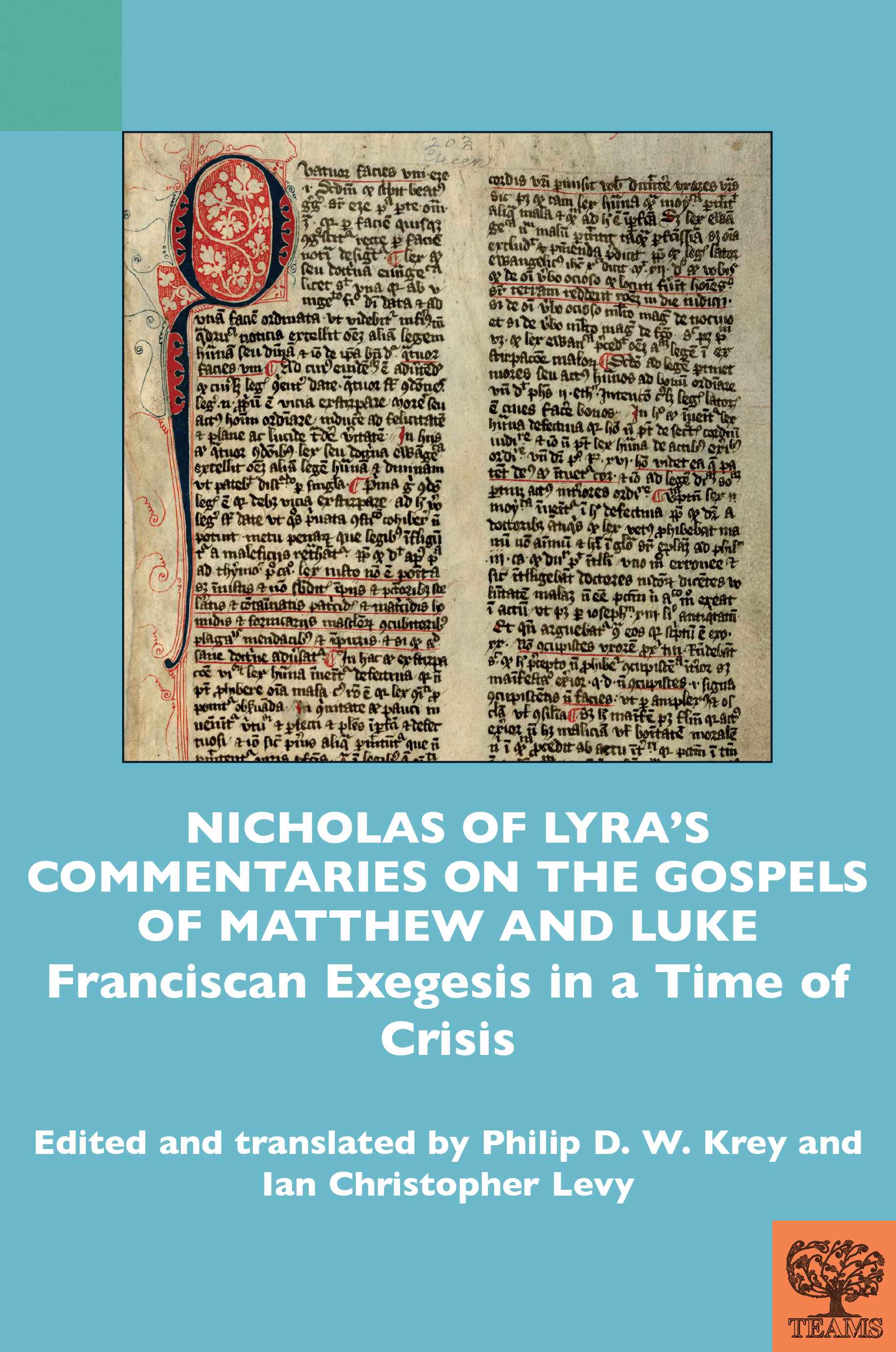 Nicholas of Lyra’s Commentaries on the Gospels of Matthew and Luke
Franciscan Exegesis in a Time of Crisis
 Paradise Lost in Transmission
The Return to Eden in the Apocalypse of Peter within Its Ethiopic and Early Christian Contexts




 Punning in Odd or Elegant Constructions in Jeremiah
The Convergence of Linguistics, Rhetoric, and Textuality in the Hebrew Text of Jeremiah
