
Deliver Us from Evil
Interpreting the Redemption from the Power of Satan in New Testament Theology
by Richard H. Bell

The New Testament idea of deliverance from the power of Satan has posed special problems and even acute embarrassment for interpreters since the Enlightenment. Often the Gospel exorcisms are rationalized or a demythologizing agenda is pursued which divorces redemption from the world in which we live.Richard H. Bell stresses that if the deliverance from Satan is understood within an appropriate understanding of myth, then it can lead not only to an enrichment of New Testament Theology but also to a deeper understanding of the world in which we find ourselves. A theory of myth is developed which does justice not only to the world of ‘narrative’ but also to the mysteries of the ‘physical world’. This is done by building on the phenomenal distinction as introduced by Kant and further developed by Schopenhauer. The resulting theory of myth is then applied to two seemingly disparate examples of redemption from Satan found in the New Testament: first, the exorcisms of Jesus; secondly, the redemption of the human being from the power of Satan through the cross and resurrection of Christ as found in the Pauline tradition and in the letter to the Hebrews. Then the author makes an attempt to relate these two forms of redemption to each other and to draw some conclusions as to how these myths of deliverance from Satan can be considered true.
- By (author) Richard H Bell
Other Titles in this Series


 The Prologue of the Gospel of John
Its Literary, Theological, and Philosophical Contexts. Papers read at the Colloquium Ioanneum 2013


 The Gospel of Matthew in its Historical and Theological Context
Papers from the International Conference in Moscow, September 24 to 28, 2018


 The Seneca–Paul Correspondence
New Research in Philology, Intertextuality, Religion and Philosophy, and the Question of Dating and Authorship

 The Tenants in the Vineyard
Ideology, Economics, and Agrarian Conflict in Jewish Palestine
Volume 195


 The History of Religions School Today
Essays on the New Testament and Related Ancient Mediterranean Texts
Volume 340
 Das Endgericht bei Paulus
Framesemantische und exegetische Studien zur paulinischen Eschatologie und Soterologie
Volume 371

 Antike und Urchristentum
Studien zur neutestamentlichen Theologie in ihren Kontexten und Rezeptionen
Volume 436

 Covenant – Concepts of Berit, Diatheke, and Testamentum
Proceedings of the Conference at the Lanier Theological Library in Houston, Texas, November 2019
Volume 506

 Jesus in apokryphen Evangelienüberlieferungen
Beiträge zu außerkanonischen Jesusüberlieferungen aus verschiedenen Sprach- und Kulturtraditionen
 Das Alte Testament als christliche Bibel in orthodoxer und westlicher Sicht
Zweite europäische orthodox-westliche Exegetenkonferenz im Rilakloster vom 8.-15. September 2001

 The Tenants in the Vineyard
Ideology, Economics, and Agrarian Conflict in Jewish Palestine
Volume 195
 Persecution, Persuasion and Power
Readiness to Withstand Hardship as a Corroboration of Legitimacy in the New Testament
Volume 270
 Rethinking the Ethics of John
"Implicit Ethics" in the Johannine Writings. Kontexte und Normen neutestamentlicher Ethik / Contexts and Norms of New Testament Ethics. Volume III
Volume 291


Similar Books
 ‘For You I Study, For You I Work, For You I Live, For You I Am Ready To Even Give My Life’
Essays in Honour of Francis (Frank) J Moloney, SDB




 Ars Prophetica
Theology in the Poetry of Twentieth-Century Hebrew Poets Avraham Halfi, Shin Shalom, Amir Gilboa, and T. Carmi
 As Messianism Turns to Heresy
The Regenstein Chair Lectures On Lurianic Kabbalah and Shabbatai Tzevi at Hebrew Union College - Cincinnati


 Drunk the Potion, No Whit Charmed
The Doctrine of Pure and Perfect Souls from Iamblichus to Damascius



 Extracanonical Traditions and the Holy Land
Texts, Rituals, and Material Culture in Late Antique Palestine
 Fear, Fear of God, God-Fearers
Philological and Historical Perspectives on the World of Ancient Judaism and Christianity




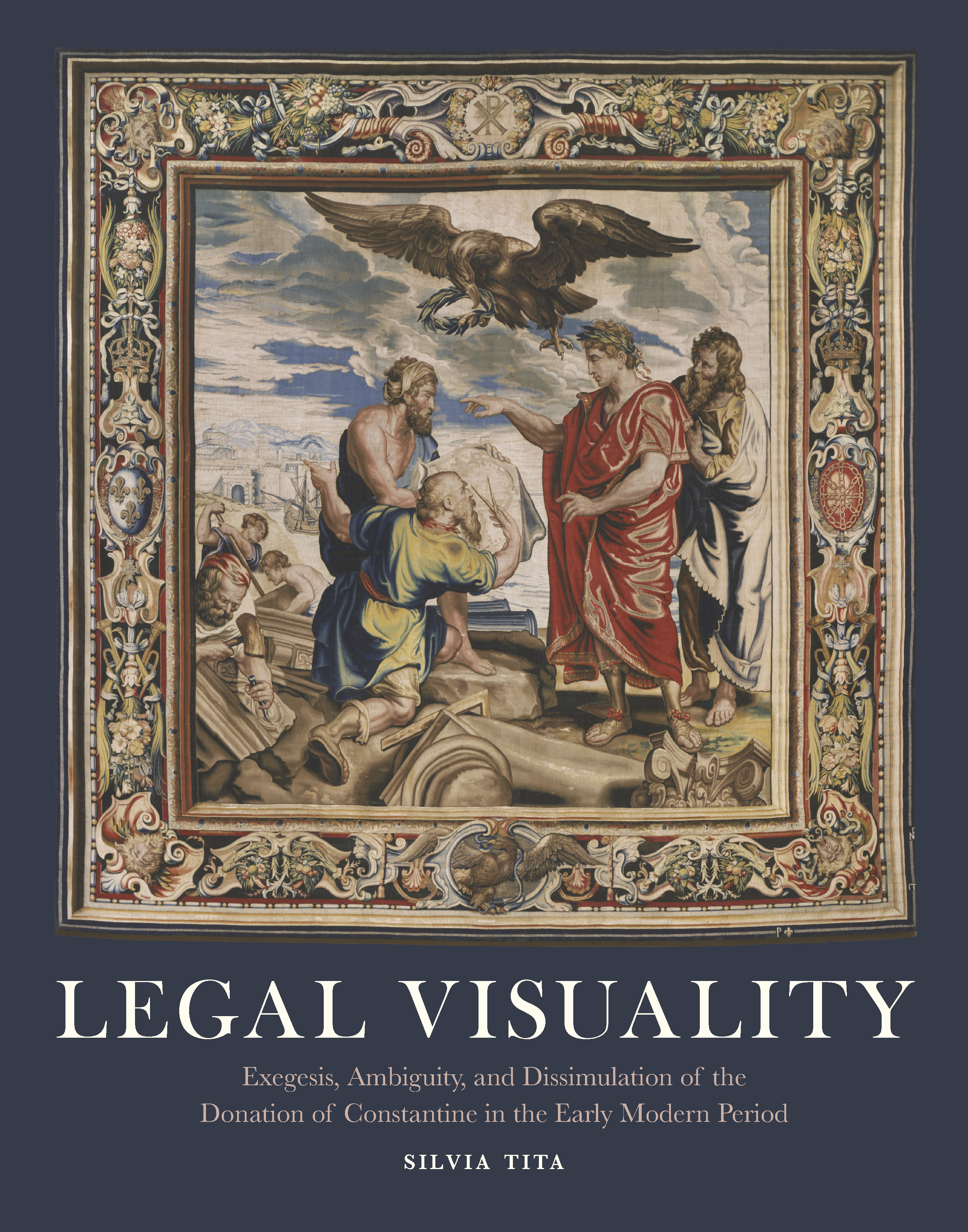 Legal Visuality
Exegesis, Ambiguity, and Dissimulation of the Donation of Constantine in the Early Modern Period
 Liturgia semper reformanda
Adaptations and accommodations in the liturgy in light of canon 838 of the Code of Canon Law


