
Conscience in Philo and Paul
A Conceptual History of the Synoida Word Group
by Philip Bosman

Paperback (Published)
(August 2003)
ISBN: 9783161480003
Price: $87.00
On back order
Philip Bosman explores the history of the concept of conscience. As a cognitive construct, the meaning of the ancient concept must be derived from the historical conceptual framework within which it features. As the modern term evolved from the Greek synoida word group, the author follows its history of development, from initial verbal phrases expressing an awareness of having done something wrong, to the later substantives referring to an inner entity monitoring the behaviour of the individual. Prominent aspects of the conceptual framework are explained from the Ancient Greek system of values, i.e. in terms of vulnerability, shame, and lack of parrhesia. Philo and Paul receive detailed attention because of the significant frequency and manner of usage in which the substantive forms of the word group appear in their writings. It is shown that ‘conscience’ in Philo and Paul closely relates to its linguistic and conceptual prehistory, but that both authors use the word group innovatively in various ways, contributing to the formation of a construct of human cognition destined to play an immense role in the theology and ethics of the modern world.
- By (author) Philip Bosman
Other Titles in this Series
 Der Heilige Geist bei Lukas
Theologisches Profil, Grund und Intention der lukanischen Pneumatologie
Volume 389
 The Ransom Logion in Mark and Matthew
Its Reception and Its Significance for the Study of the Gospels
Volume 327


 2 Corinthians – a Letter about Reconciliation
A Psychagogical, Epistolographical and Rhetorical Analysis
Volume 239
 Die Starken und die Schwachen in Korinth und in Rom
Zu Herkunft und Funktion der Antithese in 1Kor 8,1-11,1 und in Rom 14,1-15,13
Volume 200
 Cosmic Christology in Paul and the Pauline School
Colossians and Ephesians in the Context of Graeco-Roman Cosmology, with a New Synopsis of the Greek Texts
Volume 171

 L’accueil de l’autre dans sa diversite
La strategie de mediation de Paul a l'egard des faibles et des forts a Rome (Romains 14,1-15,13)
Volume 572


 Second Corinthians and Paul’s Gospel of Human Mortality
How Paul's Experience of Death Authorizes His Apostolic Authority in Corinth
Volume 430

 Figuren als Handlungsmodelle
Simon Petrus, die samaritische Frau, Judas und Thomas als Zugänge zu einer narrativen Ethik des Johannesevangeliums. Kontexte und Normen neutestamentlicher Ethik / Contexts and Norms of New Testament Ethics. Band VI
 What was Mark for Matthew?
An Examination of Matthew's Relationship and Attitude to his Primary Source
Volume 344
 Christ as the Telos of Life
Moral Philosophy, Athletic Imagery, and the Aim of Philippians
Volume 371


 Allegory Transformed
The Appropriation of Philonic Hermeneutics in the Letter to the Hebrews
Volume 269


 Peacemaking through Blood in Colossians
An Analysis of the Imagery in Its Graeco-Roman and Jewish Context
Volume 615
 Lukan Joy and the Life of Discipleship
A Narrative Analysis of the Conditions That Lead to Joy According to Luke
Volume 583


 Peter’s Halakhic Nightmare
The 'animal' vision of Acts 10:9-16 in Jewish and Graeco-Roman Perspective
Volume 432
 Narratologie und biblische Exegese
Eine integrative Methode der Erzählanalyse und ihr Ertrag am Beispiel von Matthäus 28
Volume 285
Similar Books



 Athanasius of Alexandria, Epistula ad episcopos Aegypti et Libyae
Old Slavonic Version and English Translation
Volume 261


 Connecting the Dots: Counting, Writing, and the Beginnings of Civilization
The Secret Lives of Clay Tokens: A Memoir
 Cyril of Alexandria’s Christological Exegesis
Explorations of Partitive Exegesis in the Dialogues on the Trinity
Volume 70


 Epiphanies of the Divine in the Septuagint and the New Testament
Fifth International Symposium of the Corpus Judaeo-Hellenisticum Novi Testamenti (CJHNT), 14-17 May 2015, Nottingham


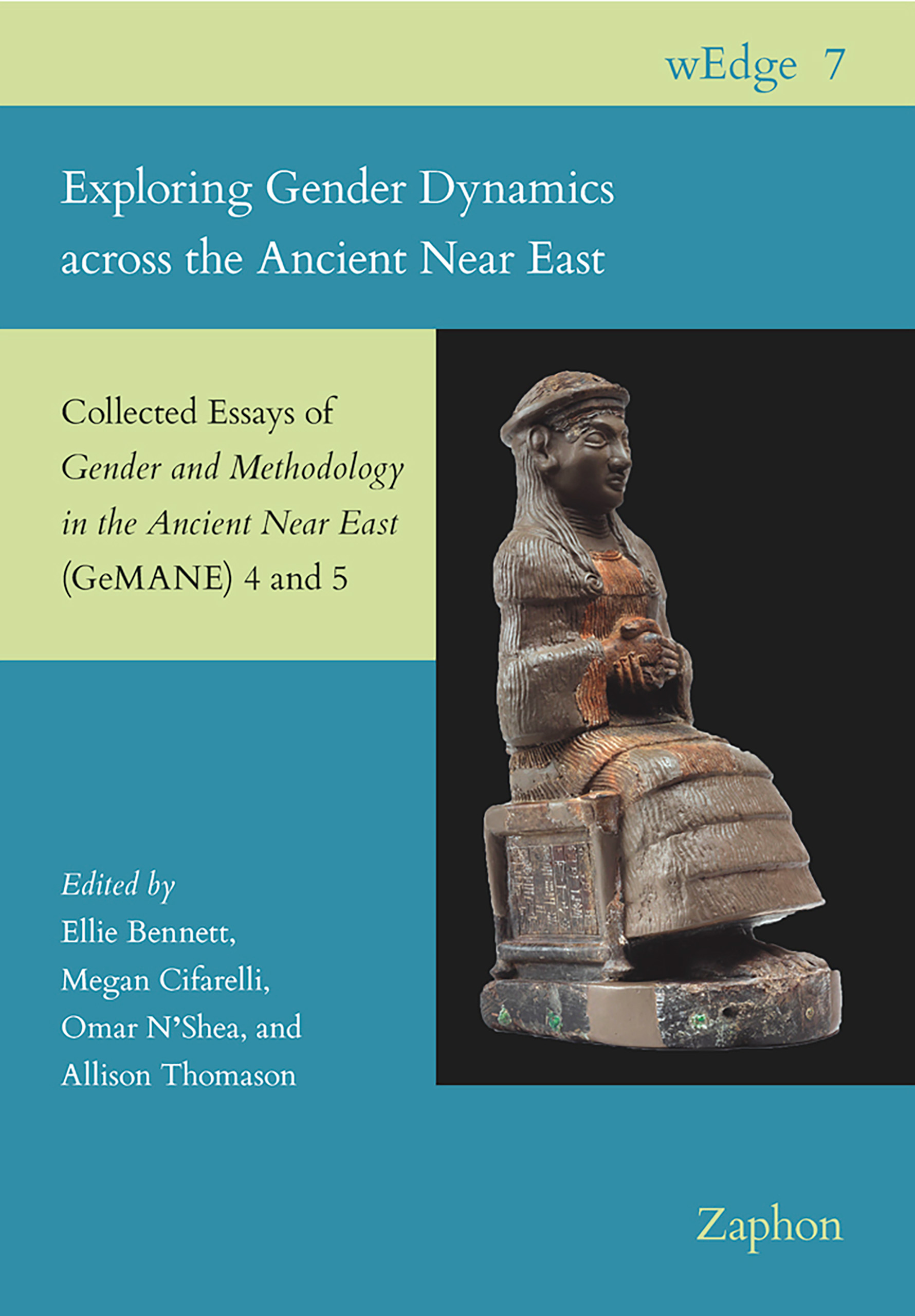 Exploring Gender Dynamics across the Ancient Near East
Collected Essays of Gender and Methodology in the Ancient Near East (GeMANE) 4 and 5
Volume 7
 Extracanonical Traditions and the Holy Land
Texts, Rituals, and Material Culture in Late Antique Palestine

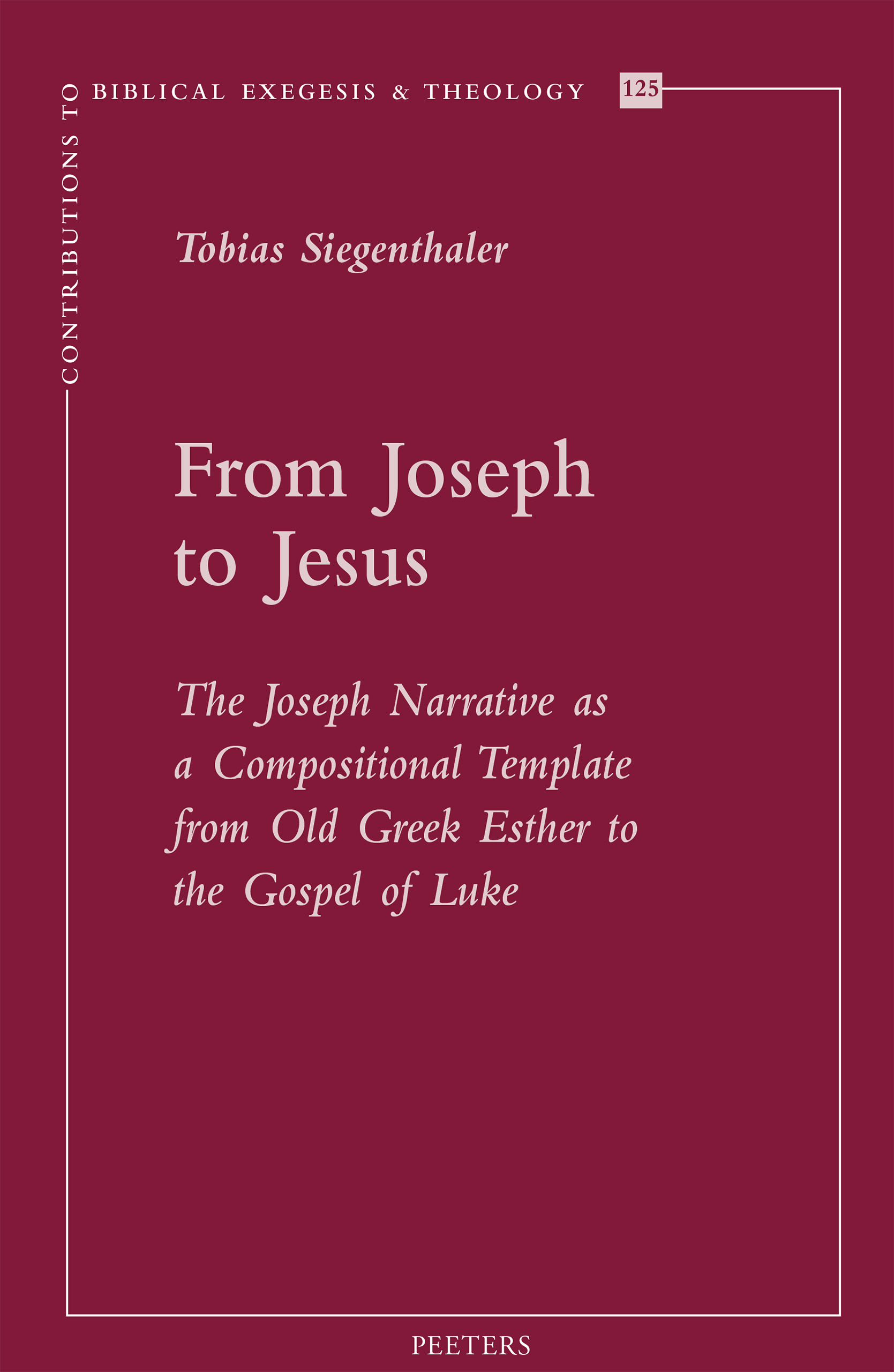 From Joseph to Jesus
The Joseph Narrative as a Compositional Template from Old Greek Esther to the Gospel of Luke
Volume 125


 Ḫattušaš utnē išḫameški
Hittite and Other Ancient Near Eastern Studies Presented to Piotr Taracha on the Occasion of His 65th Birthday


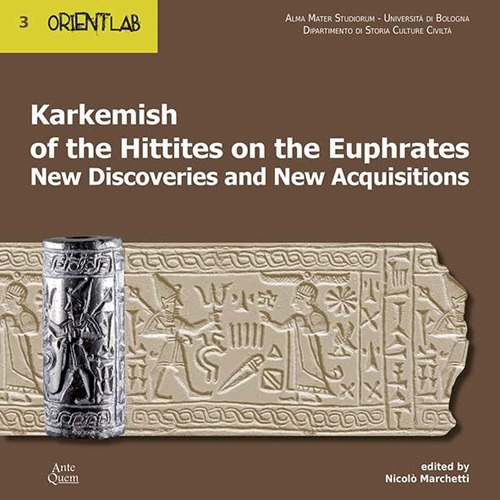


 New Research on Old Collections in Southwest Asian Archaeology
Proceedings of the Workshop Held at the British Museum, London, 31 July – 2 August, 2023
 Old Aramaic Inscriptions and their Contexts
An Epigraphic, Archaeological, and Historical Synthesis
Volume 63

 Paradise Lost in Transmission
The Return to Eden in the Apocalypse of Peter within Its Ethiopic and Early Christian Contexts


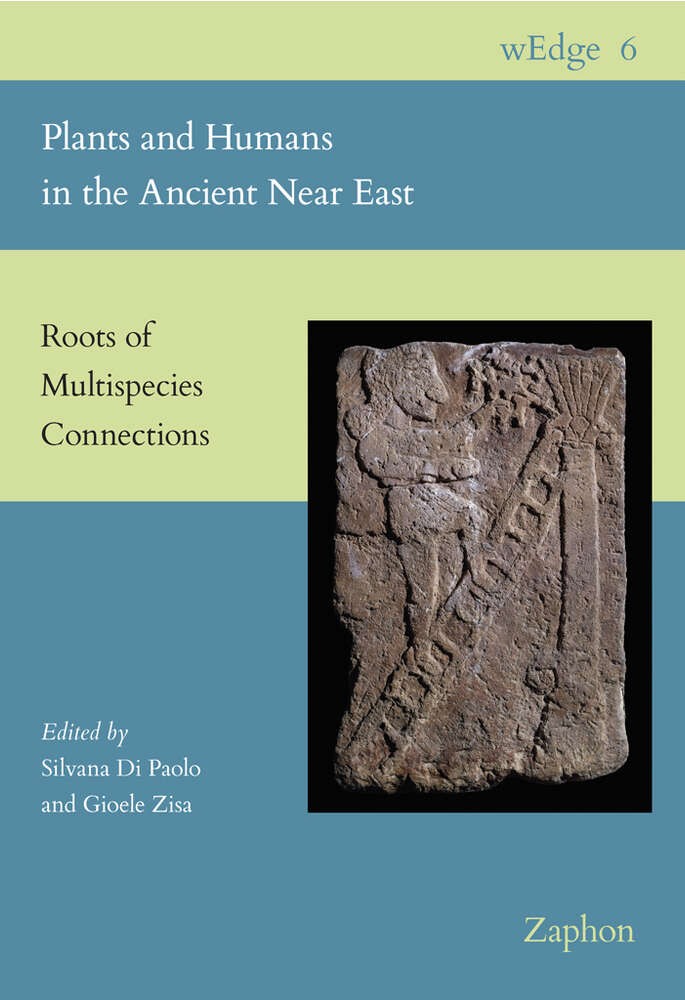
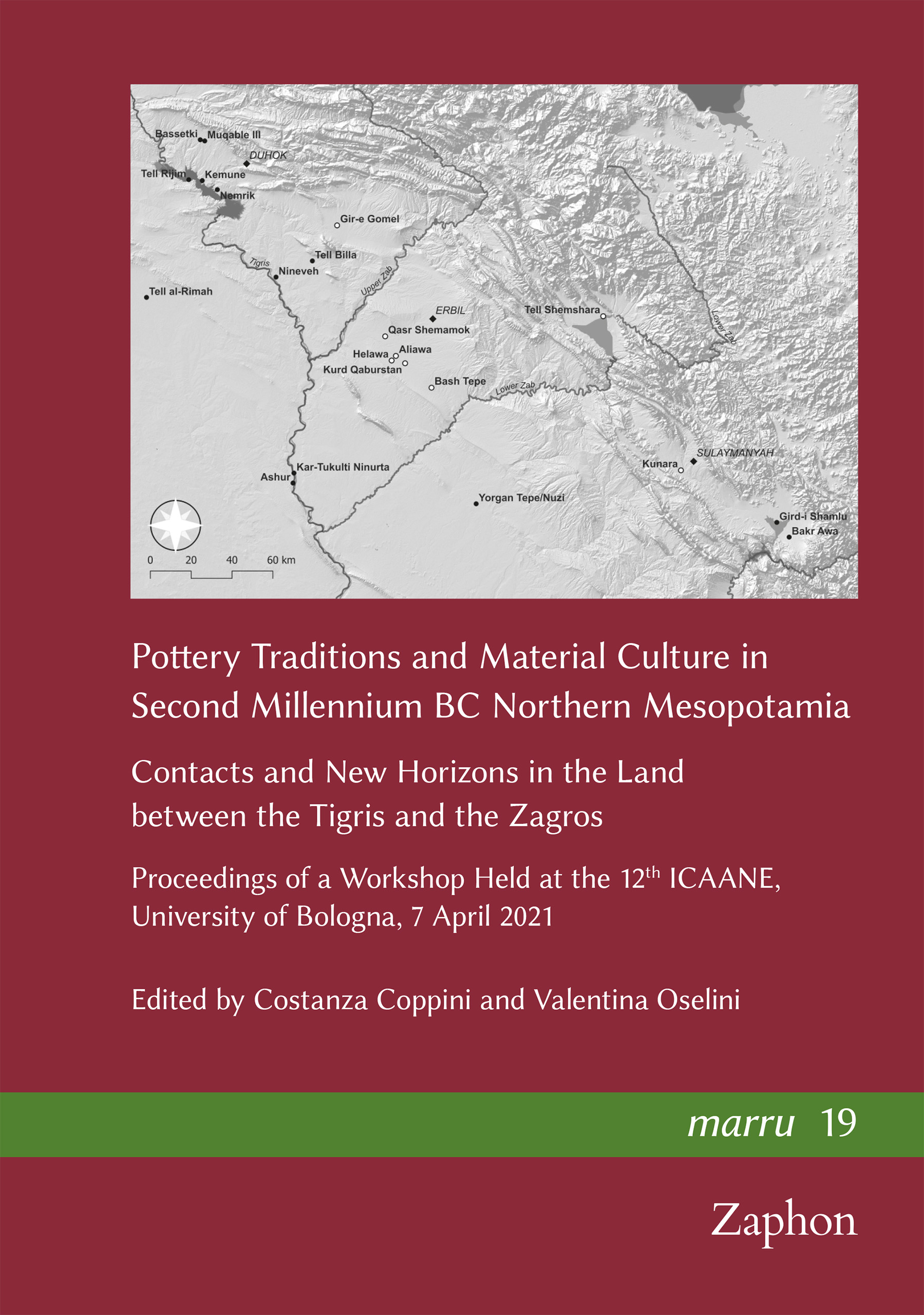 Pottery Traditions and Material Culture in Second Millennium BC Northern Mesopotamia
Contacts and New Horizons in the Land between the Tigris and the Zagros. Proceedings of a Workshop Held at the 12th ICAANE, University of Bologna, 7 April 2021
Volume 19
