
Assur 2024
Continuing the excavations in the New Town and other research across the site
edited by Karen Radner and Andres Squitieri
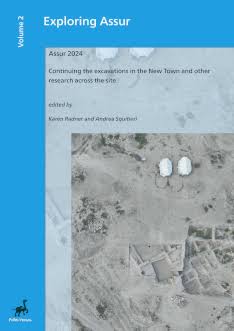
his second volume of the series Exploring Assur presents the results achieved at Assur, modern Qalat Sherqat, chiefly in its New Town, through fieldwork and analyses undertaken in 2024 by the Assur Excavation Project. Edited by Karen Radner and Andrea Squitieri, the book contains contributions by Mustafa Ahmad, Mark Altaweel, Silvia Amicone, Alessandra Cellerino, Katleen Deckers, Eileen Eckmeier, Kay Ehling, Jorg Fassbinder, Rafal A. Fetner, Enrico Foietta, Eduardo Garzanti, Helen Gries, Veronica Hinterhuber, Doga Karakaya, F. Janoscha Kreppner, Marta Lorenzon, John MacGinnis, Alessio Palmisano, Jana Richter, Jens Rohde, Claudia Sarkady, Michaela Schauer, Poppy Tushingham, Melis Uzdurum and Marco Wolf. New information, including a further 15 radiocarbon dates, is presented for the Parthian-period cemetery, the Hellenistic Building A, and the Neo-Assyrian Building B unearthed in the trench NT1. The new trench NT2 brought to light a newly discovered drainage shaft for the entire New Towns wastewater, which was built during its original construction in the mid-second millennium BC, punching through the bedrock. This shaft was used and maintained until the end of the Assyrian occupation of the city. A charcoal sample radiocarbon-dated to 770-541 calBC was identified as oak (quercus), which must have been imported to Assur. A pottery sherd bears a fragmentary Neo-Assyrian cuneiform inscription running in three lines from the vessels rim to its bottom; the text is neither a straightforward dedication nor statement of ownership although it mentions an individual and a group of associated persons. After the fall of the Assyrian Empire, the shaft gradually filled up until the end of Assurs Parthian-period occupation, especially with workshop waste from metal and ceramic production. We were therefore able to retrieve a well stratified pottery sequence for the two millennia long occupation period of the New Town. In trench NT1, some of the newly excavated burials from the Parthian-period cemetery contain unglazed clay bathtub sarcophagi of a type already well known from the Neo-Assyrian period. Some of them show clear signs of repair, and this may indicate that antique sarcophagi were reused in the Parthian period, as already Walter Andrae had suggested. The cemetery was looted in antiquity, and two large water jars were likely left behind by the looters in the Early Islamic period, as the vessels characteristic honeycomb decoration allows their dating to the 8th century AD. Important finds from the sizable Building A below that cemetery include a coin of either Antiochus VIII. (12596 BC) or his son Antiochus XII. (8783/82 BC), in any case a late Seleucid piece, and the fragment of an imported Attic echinus bowl, one of the most popular forms of the Hellenistic vessel typology, whose non-local origin was also confirmed by the chemical and petrographic ceramic analysis; both finds further secure the Hellenistic dating of Building A. Room 5 of the previous Iraqi excavations of 2002 could be shown to be Building As deep grain silo. The flotation samples yielded further material for the ongoing plant identification, including the newly identified wild plant astragalus sp. (milkvetch). Also in trench NT1, a new room of the enormous Neo-Assyrian Building B was excavated that can be identified as a reception room. It provided a good amount of flotation material that yielded more radicarbon datings and deepened our knowledge of the domesticated and wild plants in use at Assur during the late Neo-Assyrian period. Furthermore, in the temple district of Assur, we took corings from the holy-of-holies of the sanctuaries of the gods Ishtar and Ashur to shed light on their construction history. While inconclusive for the Ashur temple, drilling in the cella of the Ishtar temple exposed a 1 m thick layer of non-local sand that had been deposited directly beneath the first sanctuary of the Early Dynastic Period. The use of imported sand likely served the ritual purification of the site. In addition to the detailed presentation of the new excavation results, the book contains chapters on the ongoing erosion damage to the archaeological site, on the coring and geophysical prospecting programmes (in 2024 with a focus on earth resistivity tomography), on the typological, chemical and petrographical analyses of the pottery, on the small finds and the cuneiform texts (largely bricks from the surface), on the brick recipes from different periods based on their geochemical analysis, on the human remains, and on the ancient plant life and use (based on the analysis of charcoals, flotation light fractions and phytholiths).
his second volume of the series Exploring Assur presents the results achieved at Assur, modern Qalat Sherqat, chiefly in its New Town, through fieldwork and analyses undertaken in 2024 by the Assur Excavation Project. Edited by Karen Radner and Andrea Squitieri, the book contains contributions by Mustafa Ahmad, Mark Altaweel, Silvia Amicone, Alessandra Cellerino, Katleen Deckers, Eileen Eckmeier, Kay Ehling, Jorg Fassbinder, Rafal A. Fetner, Enrico Foietta, Eduardo Garzanti, Helen Gries, Veronica Hinterhuber, Doga Karakaya, F. Janoscha Kreppner, Marta Lorenzon, John MacGinnis, Alessio Palmisano, Jana Richter, Jens Rohde, Claudia Sarkady, Michaela Schauer, Poppy Tushingham, Melis Uzdurum and Marco Wolf. New information, including a further 15 radiocarbon dates, is presented for the Parthian-period cemetery, the Hellenistic Building A, and the Neo-Assyrian Building B unearthed in the trench NT1. The new trench NT2 brought to light a newly discovered drainage shaft for the entire New Towns wastewater, which was built during its original construction in the mid-second millennium BC, punching through the bedrock. This shaft was used and maintained until the end of the Assyrian occupation of the city. A charcoal sample radiocarbon-dated to 770-541 calBC was identified as oak (quercus), which must have been imported to Assur. A pottery sherd bears a fragmentary Neo-Assyrian cuneiform inscription running in three lines from the vessels rim to its bottom; the text is neither a straightforward dedication nor statement of ownership although it mentions an individual and a group of associated persons. After the fall of the Assyrian Empire, the shaft gradually filled up until the end of Assurs Parthian-period occupation, especially with workshop waste from metal and ceramic production. We were therefore able to retrieve a well stratified pottery sequence for the two millennia long occupation period of the New Town. In trench NT1, some of the newly excavated burials from the Parthian-period cemetery contain unglazed clay bathtub sarcophagi of a type already well known from the Neo-Assyrian period. Some of them show clear signs of repair, and this may indicate that antique sarcophagi were reused in the Parthian period, as already Walter Andrae had suggested. The cemetery was looted in antiquity, and two large water jars were likely left behind by the looters in the Early Islamic period, as the vessels characteristic honeycomb decoration allows their dating to the 8th century AD. Important finds from the sizable Building A below that cemetery include a coin of either Antiochus VIII. (12596 BC) or his son Antiochus XII. (8783/82 BC), in any case a late Seleucid piece, and the fragment of an imported Attic echinus bowl, one of the most popular forms of the Hellenistic vessel typology, whose non-local origin was also confirmed by the chemical and petrographic ceramic analysis; both finds further secure the Hellenistic dating of Building A. Room 5 of the previous Iraqi excavations of 2002 could be shown to be Building As deep grain silo. The flotation samples yielded further material for the ongoing plant identification, including the newly identified wild plant astragalus sp. (milkvetch). Also in trench NT1, a new room of the enormous Neo-Assyrian Building B was excavated that can be identified as a reception room. It provided a good amount of flotation material that yielded more radicarbon datings and deepened our knowledge of the domesticated and wild plants in use at Assur during the late Neo-Assyrian period. Furthermore, in the temple district of Assur, we took corings from the holy-of-holies of the sanctuaries of the gods Ishtar and Ashur to shed light on their construction history. While inconclusive for the Ashur temple, drilling in the cella of the Ishtar temple exposed a 1 m thick layer of non-local sand that had been deposited directly beneath the first sanctuary of the Early Dynastic Period. The use of imported sand likely served the ritual purification of the site. In addition to the detailed presentation of the new excavation results, the book contains chapters on the ongoing erosion damage to the archaeological site, on the coring and geophysical prospecting programmes (in 2024 with a focus on earth resistivity tomography), on the typological, chemical and petrographical analyses of the pottery, on the small finds and the cuneiform texts (largely bricks from the surface), on the brick recipes from different periods based on their geochemical analysis, on the human remains, and on the ancient plant life and use (based on the analysis of charcoals, flotation light fractions and phytholiths).
- Edited by Karen Radner
- Edited by Andrea Squitieri
Other Titles in this Series

Similar Books


 Connecting the Dots: Counting, Writing, and the Beginnings of Civilization
The Secret Lives of Clay Tokens: A Memoir

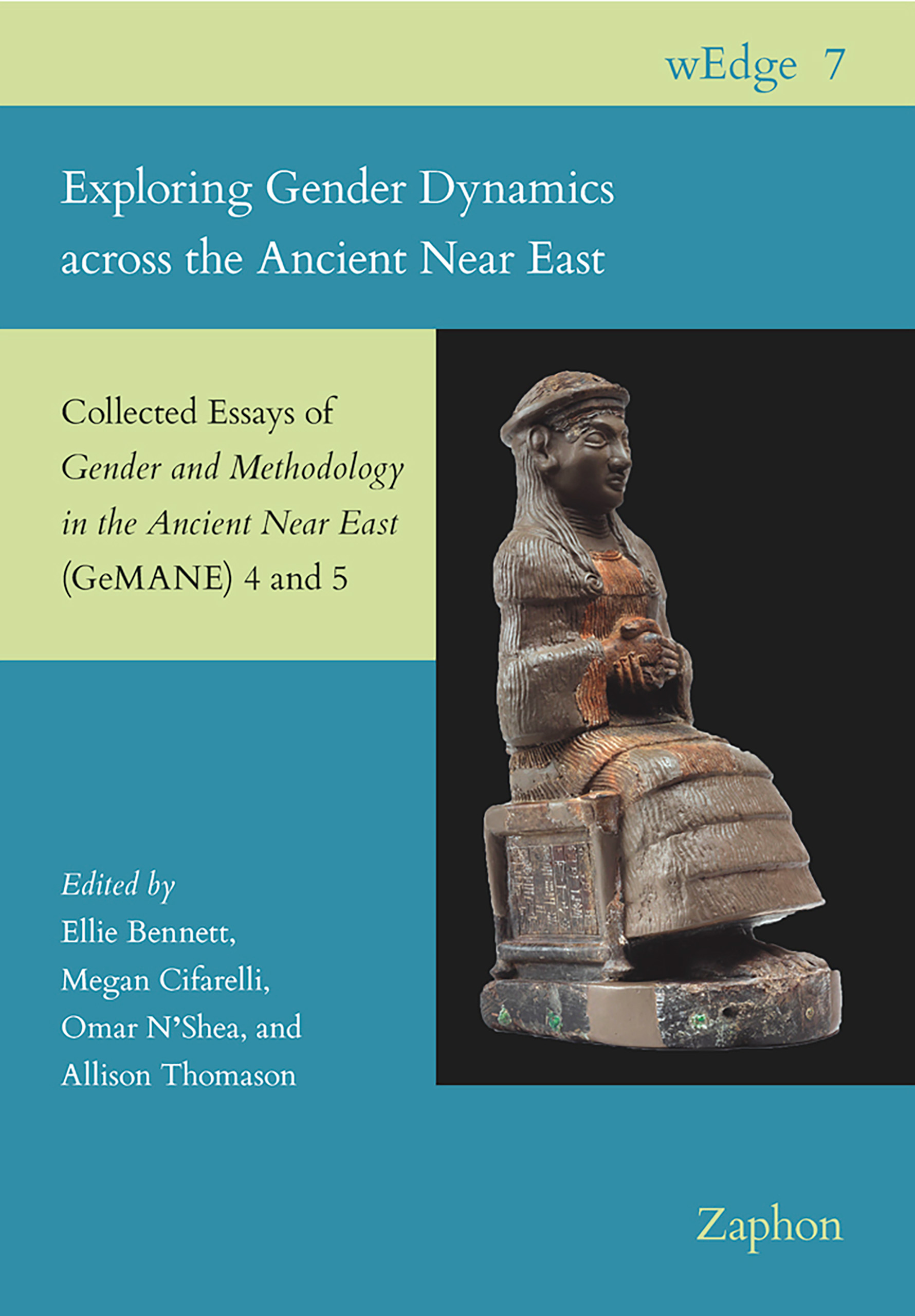 Exploring Gender Dynamics across the Ancient Near East
Collected Essays of Gender and Methodology in the Ancient Near East (GeMANE) 4 and 5
Volume 7


 Ḫattušaš utnē išḫameški
Hittite and Other Ancient Near Eastern Studies Presented to Piotr Taracha on the Occasion of His 65th Birthday

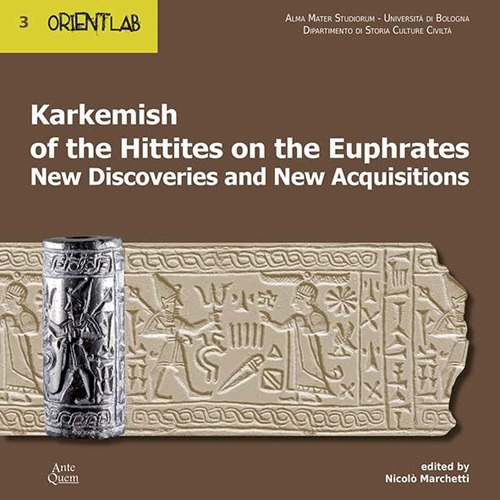
 New Research on Old Collections in Southwest Asian Archaeology
Proceedings of the Workshop Held at the British Museum, London, 31 July – 2 August, 2023
 Old Aramaic Inscriptions and their Contexts
An Epigraphic, Archaeological, and Historical Synthesis
Volume 63

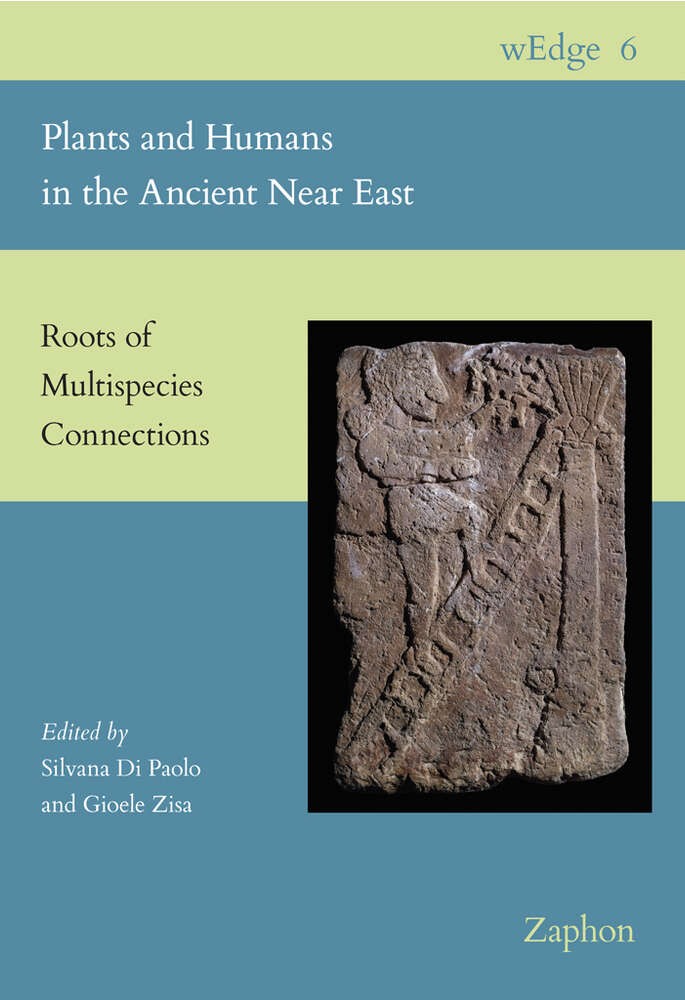
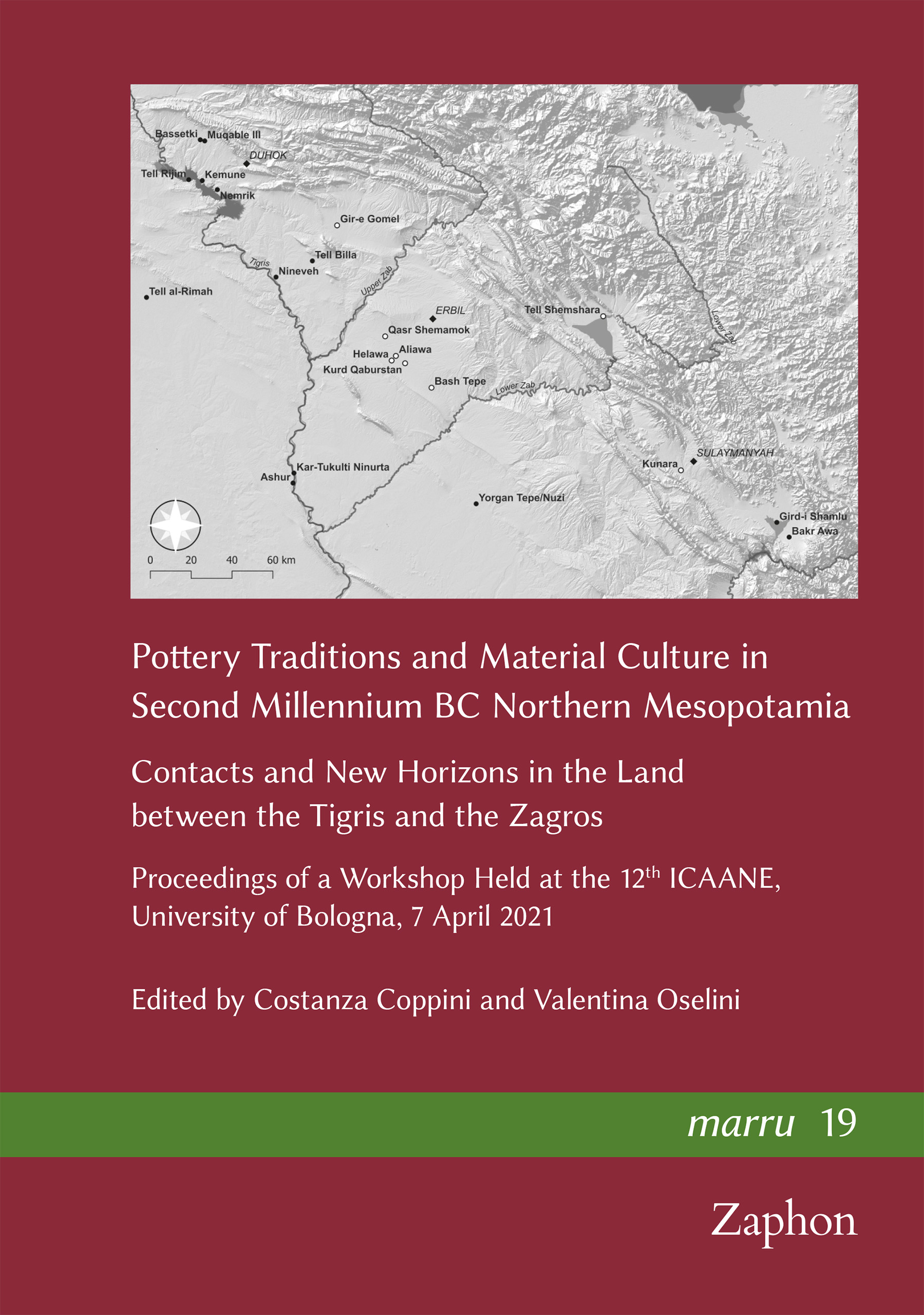 Pottery Traditions and Material Culture in Second Millennium BC Northern Mesopotamia
Contacts and New Horizons in the Land between the Tigris and the Zagros. Proceedings of a Workshop Held at the 12th ICAANE, University of Bologna, 7 April 2021
Volume 19
 Punning in Odd or Elegant Constructions in Jeremiah
The Convergence of Linguistics, Rhetoric, and Textuality in the Hebrew Text of Jeremiah
 Shame in the Worlds of the Hebrew Bible and Akkadian Texts
A Linguistic Study and Its Implications
Volume 33
 Telling Contexts
Archaeological and Textual Studies in Honor of Elizabeth Bloch-Smith and Mark S. Smith
 The Body
Lived, Cultured, Adorned: Essays on Dress and the Body in the Bible and Ancient Near East in Honor of Nili S. Fox
 The Discourse of Rites
Shaping and Reshaping the (Counter-)Priestly Rituals Conducted Outside the Tabernacle
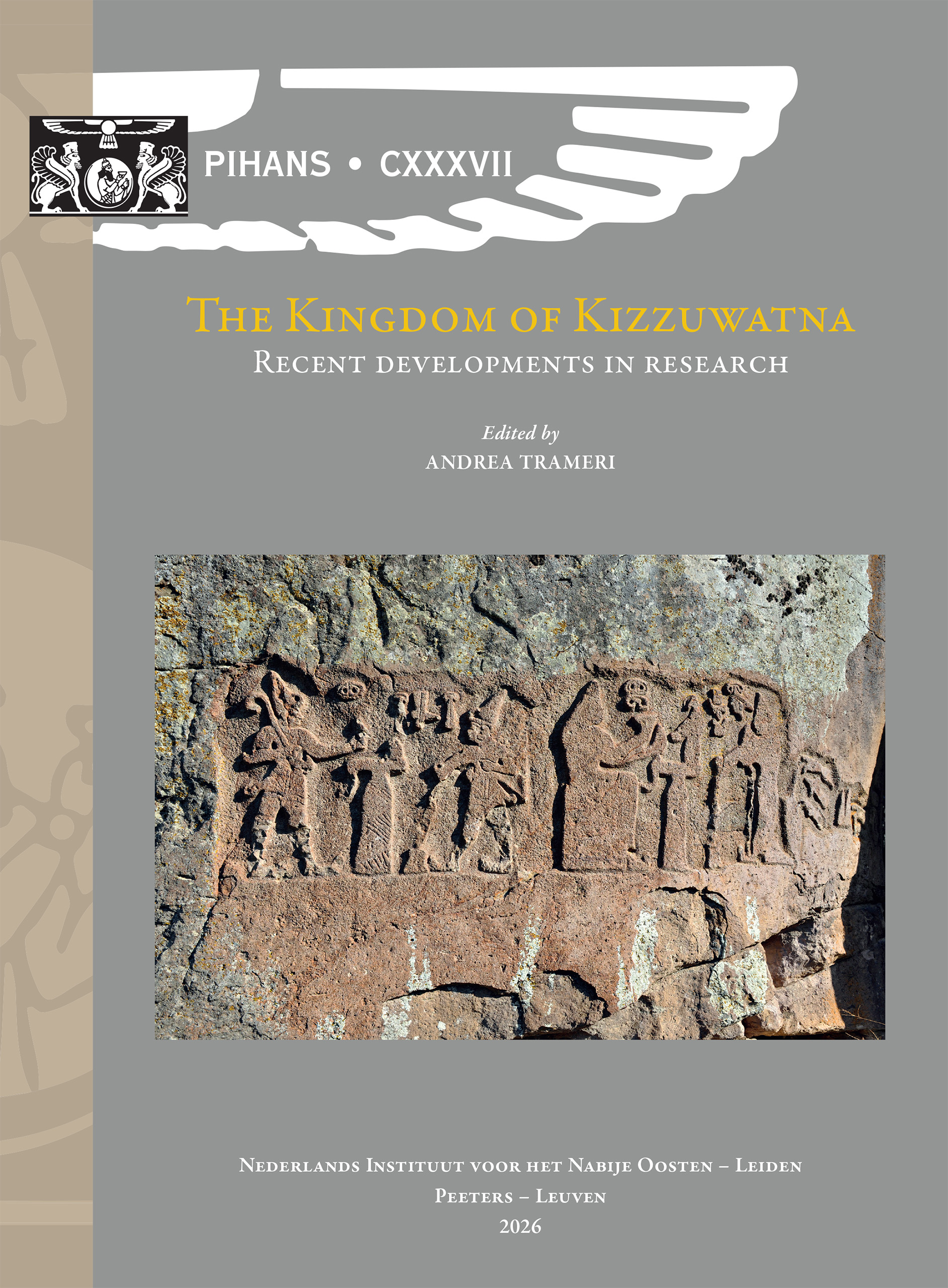 The Kingdom of Kizzuwatna: Recent Developments in Research
Proceedings of the Third NINO Postdoctoral Research Fellow Annual Conference, Leiden, 23rd-25th March 2023
Volume 137


 Die Entwicklung erdbebensicherer Bautechniken in der Frühen und Mittleren Eisenzeit in Ostanatolien
Volume 11
 Die JHWH-Religion und die Vorstellung göttlicher Gesetzgebung
Überschneidungen zwischen der Rechtsentwicklung und der Sphäre der Religion in der Geschichte des antiken Israel und Juda

 Kultur – Kontakt – Kultur
Beiträge anlässlich der 66. Rencontre Assyriologique Internationale in Frankfurt/Main und Mainz, 25.–29. Juli 2022
Volume 35
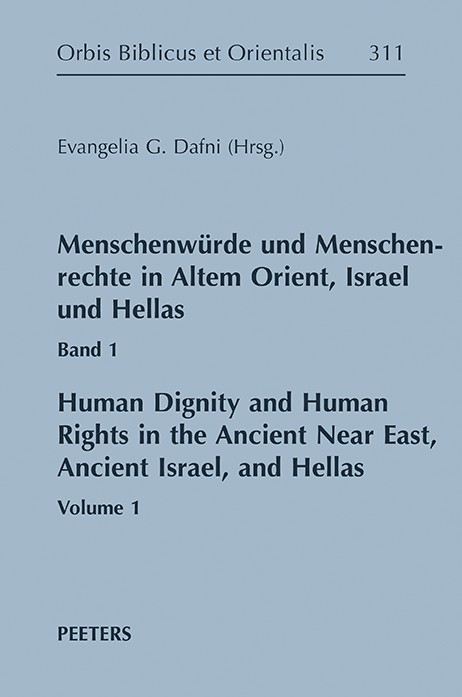 Menschenwürde und Menschenrechte im Altem Orient, Israel und Hellas. Band 1
Human Dignity and Human Rights in the Ancient Near East, Ancient Israel, and Hellas. Volume 1
Volume 311
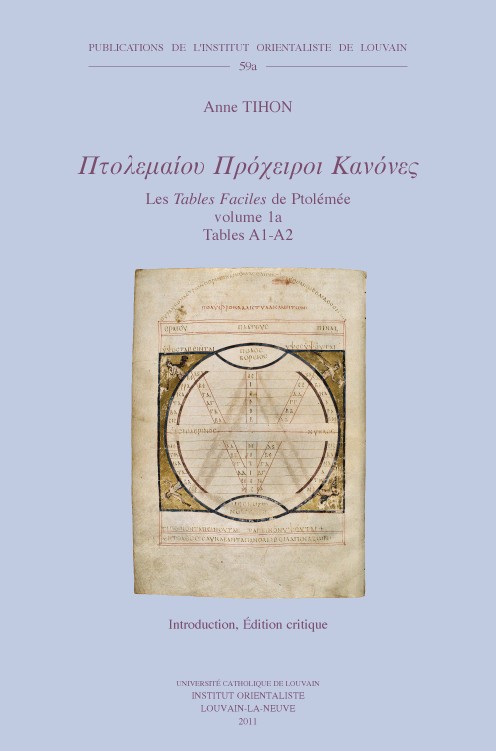
 Ptolemaiou Procheiroi Kanones. Les «Tables Faciles» de Ptolemée. Volume 2a: Tables A3-A13
Édition critique, Transcription
 Sprachwissenschaftliche und kulturhistorische Reflexionen
Festschrift zu Ehren von Jörg Klinger
Volume 31

 Vom Mädchen zur Frau
Weihgaben als Indikatoren rituellen und kommunikativen Handelns von Frauen in griechischen Kulten
Volume 188
 Von der Symmachie zur Arché und zurück
Die Entwicklungsphasen des Ersten Attischen Seebundes (478/7–404 v. Chr.)
