
Chicago on the Nile
A Century of Work by the Epigraphic Survey of the University of Chicago
by Emily Teeter

Chicago on the Nile relates the colorful story of the University of Chicago’s Epigraphic Survey expedition to Egypt, from its conception in 1924 by the first American Egyptologist, James Henry Breasted, through its development over the course of a century to become the major scientific and social presence it is today–not just in Egypt but throughout the world. Initially envisioned as a small group of scientists devoted to documenting the ancient historical inscriptions and reliefs on the walls of the temple of Medinet Habu in Luxor, the Epigraphic Survey’s work grew to encompass many of the most important sites in Egypt, including Karnak, Luxor Temple, the tomb of Kheruef, Saqqara, Abydos, and the Beit el-Wali temple in Nubia. The story places this work within the larger contexts of Egyptian and international politics, the vicissitudes of the world financial situation, and academic policies. Drawing on hundreds of letters and photos, most of them previously unpublished, the book explores why the Epigraphic Survey chose specific sites for its work, the often grand expectations for its projects and publication program, and the ultimate results. The history of Chicago House, the Survey’s headquarters and residence, is described in detail and offers many amusing anecdotes of social life there over the past century. As such, Chicago on the Nile provides a who’s who of Egyptologists and archaeologists who worked for and interacted with the Survey to save the endangered texts and reliefs on the ancient monuments of the Nile Valley.
- By (author) Emily Teeter
Other Titles in this Series


Similar Books


 Archaeological Discoveries at the Temple of Ramesses II in Abydos
Vol. 2: Old Kingdom Wall, Papyri, Ostraca, and Leather Remains


 Colour Concept “Secoli bui” a colori
Codici cromatici e architetture dipinte nell’età tardoantica e medievale
 Crossing Disciplines in the Study of Archaeology and Prehistoric Art: Insights from the Sahara and Mediterranean Africa
Proceedings of the XX UISPP World Congress (5–9 September 2023, Timișoara, Romania) Volume / Session 18
 Crossing Sacred Landscapes
Contacts and Continuities in the Desert Cults and Beliefs of Ancient Northern Arabia and the Arid Southern Levant
 Cuneiform Artefacts from Archaeological Contexts: New Research on Ancient Iraq
Proceedings of a Conference Held at the Bavarian Academy of Sciences and Humanities, July 4–5, 2024
Volume 2


 Exploring Prehistoric Pottery in Japan
A Study of Organic Inclusions, Adhering Materials, and Impressions of Woven Items
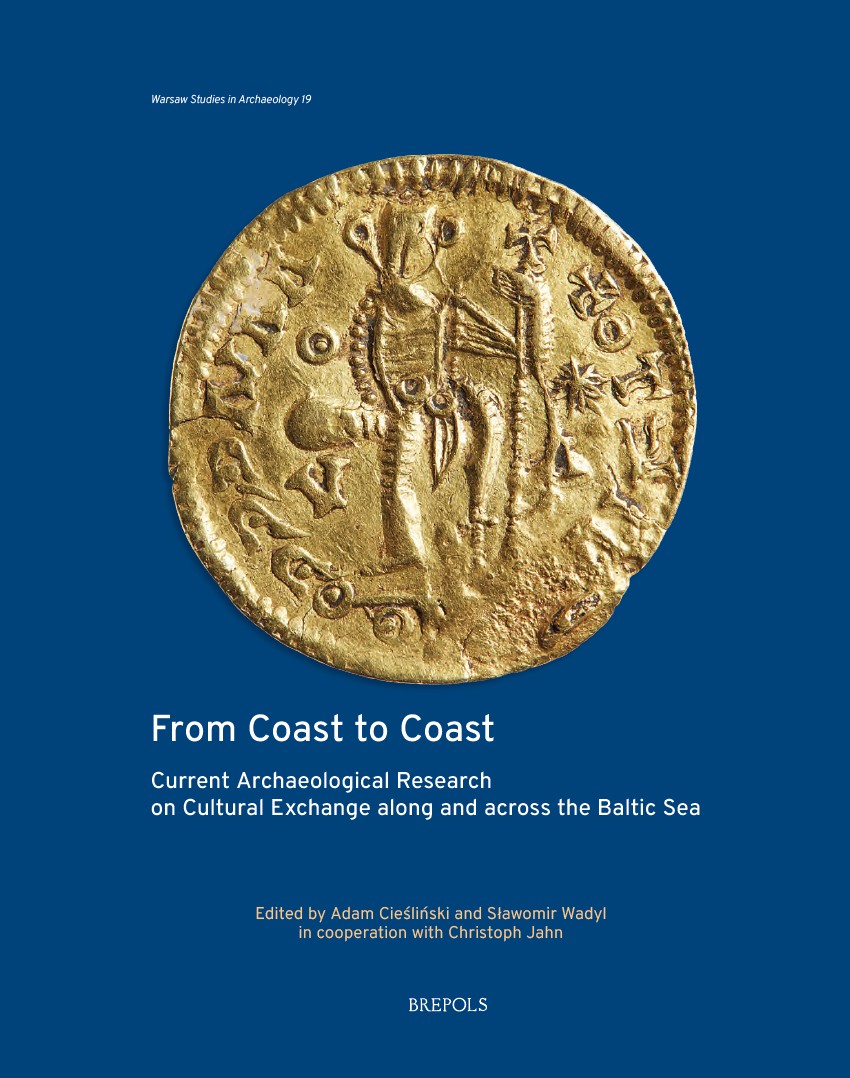 From Coast to Coast
Current Archaeological Research on Cultural Exchange along and across the Baltic Sea
Volume 19
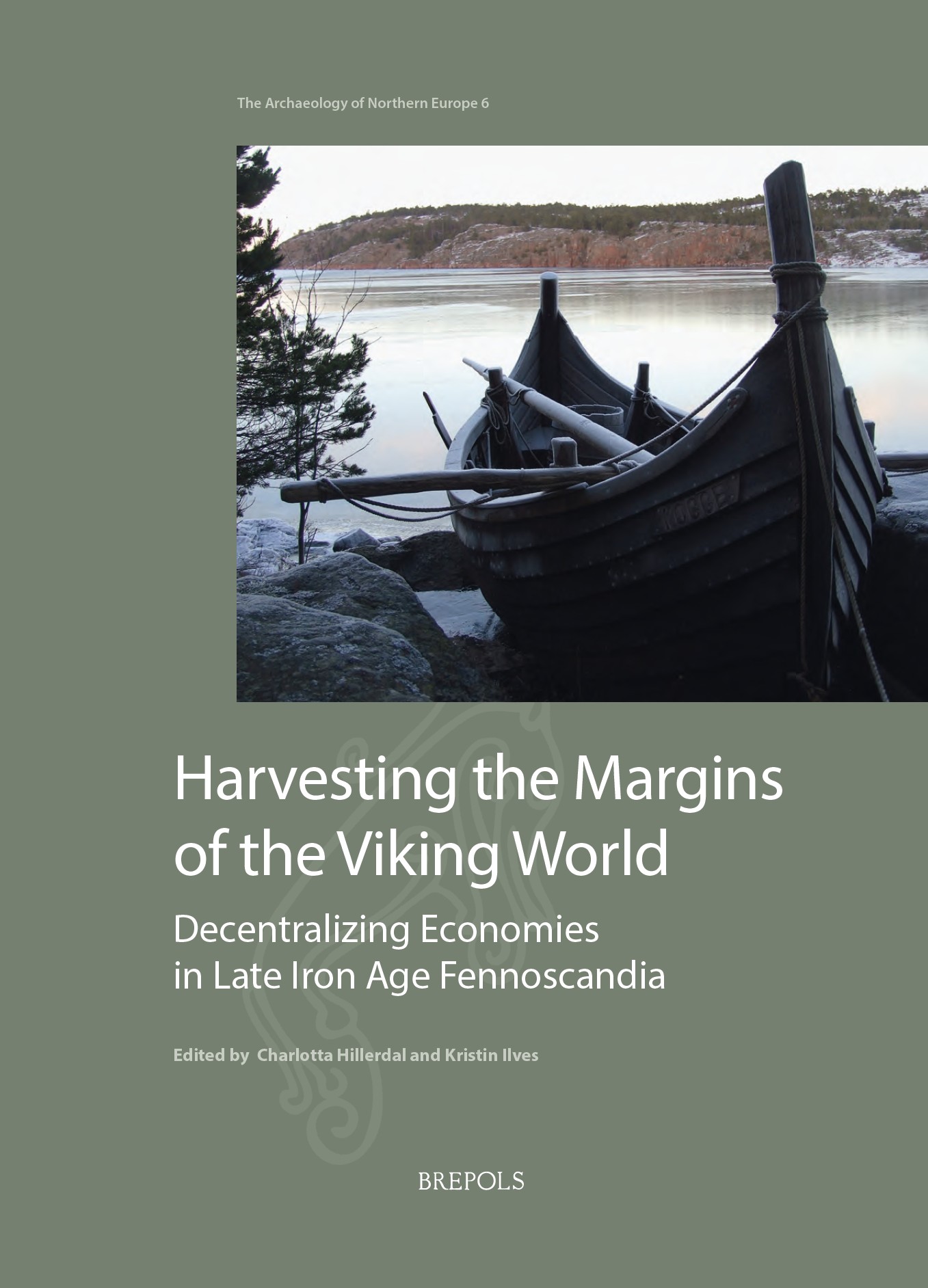 Harvesting the Margins of the Viking World
Decentralizing Economies in Late Iron Age Fennoscandia
Volume 6



 Linguistic and Cultural Dynamics in a Frontier Society
New Perspectives on Northeastern Bavaria and Western Bohemia in the Early Middle Ages
Volume 9


 Making and Meaning in the Bronze and Iron Ages
Chronology, Landscapes and Societies across Europe. Proceedings from the METALAGES2024 Colloquium (Florence, 23 October 2024)
 Medieval Yeghegis, Armenia
History, Archaeology, Society. Local Multiplicities and Global Connections of a Rural Centre on the Silk Road(s)


 Promoting the Profession
Papers in Honour of Peter Hinton Director of the Chartered Institute for Archaeologists 1997-2025


 The Kingdom of Makuria and its Civilization
A Renewed Insight through New Archaeological Discoveries