
ArcheoFOSS XIV 2020: Open Software, Hardware, Processes, Data and Formats in Archaeological Research
Proceedings of the 14th International Conference, 15-17 October 2020
Edited by Julian Bogdani Edited by Riccardo Montalbano Edited by Paolo Rosati

Paperback (Published)
(December 2021)
ISBN: 9781803271248
6.85 x 9.69 inches
Price: $54.00
In stock
Proceedings of the 14th edition of ArcheoFOSS, 18 high-level and peer reviewed papers are well distributed between two thematic sections-Application Cases and Development, and Open Data-contributed by more than forty Italian and foreign scholars, researchers and freelance archaeologists working in the field of Cultural Heritage.
This volume represents the editorial outcome of the 14th edition of ArcheoFOSS international conference, which took place online between 15-17 October 2020. The event has been held annually since 2006 and is dedicated to the theoretical framework and actual application of free and open source software solutions and the promotion and encouragement of the Open Data paradigm for archaeology and, more generally, for Cultural Heritage. This volume well represents the approach taken at the conference and the extensive participation it received, with eighteen high-level and peer reviewed papers, well distributed in two thematic sections-application cases and development, and open data-contributed by more than forty Italian and foreign scholars, researchers and freelance archaeologists working in the field of Cultural Heritage.
Foreword ArcheoFOSS 2020 Committees Use, Application and Development of Free/Libre and Open Source (FLOS) Tools in Archaeology 1. Strumenti digitali open-source per la documentazione della cultura visuale paleo-mesolitica: dati preliminari da un flusso di lavoro sulle decorazioni incise su supporto calcareo dalla Grotta di Santa Maria di Agnano (Ostuni, BR) - Michele Pellegrino, Donato Coppola 2. Valutazione integrata delle dinamiche di rischio di erosione del suolo in presenza di depositi archeologici. Il metodo proposto dal progetto RESEARCH (REmote SEnsing techniques for ARCHaeology) - Stefano De Angeli, Fabiana Battistin, Federico Valerio Moresi, Philip Fayad, Matteo Serpetti 3. Rome - NE Palatine slopes: open-source methodologies and tools for the analysis of ancient architectures - Emanuele Brienza, Giovanni Caratelli, Lorenzo Fornaciari, Cecilia Giorgi 4. Un workflow open source per l'elaborazione delle immagini termiche da drone - Gabriele Ciccone 5. Analysis of urban mobility in 18th century Rome: a research approach through GIS platform - Renata Ago, Domizia D'Erasmo 6. Towards FreeCAD experimentation and validation as a FOSS HBIM platform for building archaeology purposes - Filippo Diara, Fulvio Rinaudo 7. FLOS for Museums: open solutions to train communities and manage heritage places - Paolo Rosati 8. The virtual countryman. A GRASS-GIS tool for ancient cultivation recognition - Augusto Palombini 9. Little Minions and SPARQL Unicorns as tools for archaeology - Timo Homburg, Florian Thiery Creation, use and Promotion of Open Data and Open Formats in Archaeology 10. The ArchAIDE Archive: the open data policy and management of material covered by copyright - Francesca Anichini, Gabriele Gattiglia 11. SITAR: a new open-data infrastructure for a public archaeology of Rome - Mirella Serlorenzi, Riccardo Montalbano, Ascanio D'Andrea 12. SPARQLing Publication of Irish ????? - Ogham Stones as LOD - Florian Thiery, Sophie C. Schmidt, Timo Homburg 13. Towards an ontology of the Museum of Archaeology of the University of Catania: from the digitization of the legacy data to the semantic Web - Nicola Laneri, Rodolfo Brancato, Salvatore Cristofaro, Marianna Figuera, Marianna Nicolosi Asmundo, Daniele Francesco Santamaria, Daria Spampinato 14. Fieldnotes for the development and publication of open standards for the vectorisation of archaeologic and architectonic topographic legacy data - Julian Bogdani 15. Analysis and comparison of open and non-open spatial formats for archaeological research - Andrea D'Andrea, Francesca Forte 16. Open Data, Open Knowledge, Open Science: The new research group at the Institute of Heritage Science (CNR) - Alessandra Caravale, Alessandra Piergrossi, Irene Rossi 17. FOSS, Open Data e archeologia: qualche riflessione su passato, presente e prospettive future - Marco Ciurcina, Piergiovanna Grossi Appendix 18. An introspective, incomplete, view on the activity of the FLOS community dealing with Archaeology and Cultural Heritage - Julian Bogdani, Federico Sciacca, Foreword ;
ArcheoFOSS 2020 Committees ;
Use, Application and Development of Free/Libre and Open Source (FLOS) Tools in ArchaeologyMichele Pellegrino, Donato CoppolaStefano De Angeli, Fabiana Battistin, Federico Valerio Moresi, Philip Fayad, Matteo SerpettiEmanuele Brienza, Giovanni Caratelli, Lorenzo Fornaciari, Cecilia GiorgiGabriele CicconeRenata Ago, Domizia D’ErasmoFilippo Diara, Fulvio RinaudoPaolo RosatiAugusto PalombiniTimo Homburg, Florian Thiery Creation, use and Promotion of Open Data and Open Formats in ArchaeologyFrancesca Anichini, Gabriele GattigliaMirella Serlorenzi, Riccardo Montalbano, Ascanio D’AndreaFlorian Thiery, Sophie C. Schmidt, Timo Homburg – Nicola Laneri, Rodolfo Brancato, Salvatore Cristofaro, Marianna Figuera, Marianna Nicolosi Asmundo, Daniele Francesco Santamaria, Daria Spampinato ;
14. Fieldnotes for the development and publication of open standards for the vectorisation of archaeologic and architectonic topographic legacy data – Julian BogdaniAndrea D’Andrea, Francesca ForteAlessandra Caravale, Alessandra Piergrossi, Irene RossiMarco Ciurcina, Piergiovanna Grossi AppendixJulian Bogdani, Federico Sciacca
Julian Bogdani is an assistant professor at Sapienza University of Rome, where he teaches Digital Archaeology and Digital Humanities. The main focus of his research is the theoretical and practical issues related to the application of Computer Science to the archaeological and historical domain. He is the developer of Bradypus, a cloud-based database for archaeology. He directs the archaeological mission of Sapienza at Çuka e Ajtoit, a Hellenistic, Roman and Late Antique site in Albania. ;
Riccardo Montalbano is an archaeologist, specialist in ancient topography. He is currently GIS expert and Data Manager at Parco Archeologico di Ercolano (Naples) and Adjunct Professor at the University Uninettuno. As GIS expert, he is involved in several fi eld projects in Italy and abroad, and he is a member of the core team of the SITAR Project (Superintendency of Rome) and a research fellow of MAGOH Project (University of Pisa). ;
Paolo Rosati received his PhD in 2016 from L’Aquila University for research on the economic sustainability of software in archaeology and the development of FLOSS methods in Humanities (philology, archaeology, history, topography). Today he is a researcher at the Sapienza University of Rome as part of the ERC project PAThs (http:// paths.uniroma1.it).
- Edited by Julian Bogdani
- Edited by Riccardo Montalbano
- Edited by Paolo Rosati
Similar Books


 Archaeological Excavations at Irmis Rka: An Investigation of a Multi-Layered Settlement in Southwest Georgia
Results from the 2020 Season: Early Bronze Age to Medieval Occupations


 Caesar’s Visions and Impact on the Roman Empire
Revisiting the Archaeological and Historical Record of the 40s BC
Volume 2


 Catuvellaunia and Rome: Economic and Political Relations during the Final Decades Pre-conquest
The Role of Grain from Southeastern Britain and Its Potential for Maintenance of the Roman Military along the Frontier on the Rhine
 Colour Concept “Secoli bui” a colori
Codici cromatici e architetture dipinte nell’età tardoantica e medievale
 Construction Processes in Historical Western Societies (5th c. BC – 10th c. AD)
Case Studies on Techniques, Models, and Costs

 Crossing Disciplines in the Study of Archaeology and Prehistoric Art: Insights from the Sahara and Mediterranean Africa
Proceedings of the XX UISPP World Congress (5–9 September 2023, Timișoara, Romania) Volume / Session 18
 Crossing Sacred Landscapes
Contacts and Continuities in the Desert Cults and Beliefs of Ancient Northern Arabia and the Arid Southern Levant
 Cuneiform Artefacts from Archaeological Contexts: New Research on Ancient Iraq
Proceedings of a Conference Held at the Bavarian Academy of Sciences and Humanities, July 4–5, 2024
Volume 2


 ENTANGLED AFRICA
Intra-African Relations Between Rain Forest and Mediterranean from Around 4,000 BCE to 1,500 CE


 Etruscan and Roman Hellenistic Anatomical ex votos
Reassessing Popular Religious Expressions in Central Italy
Volume 8

 Exploring Prehistoric Pottery in Japan
A Study of Organic Inclusions, Adhering Materials, and Impressions of Woven Items


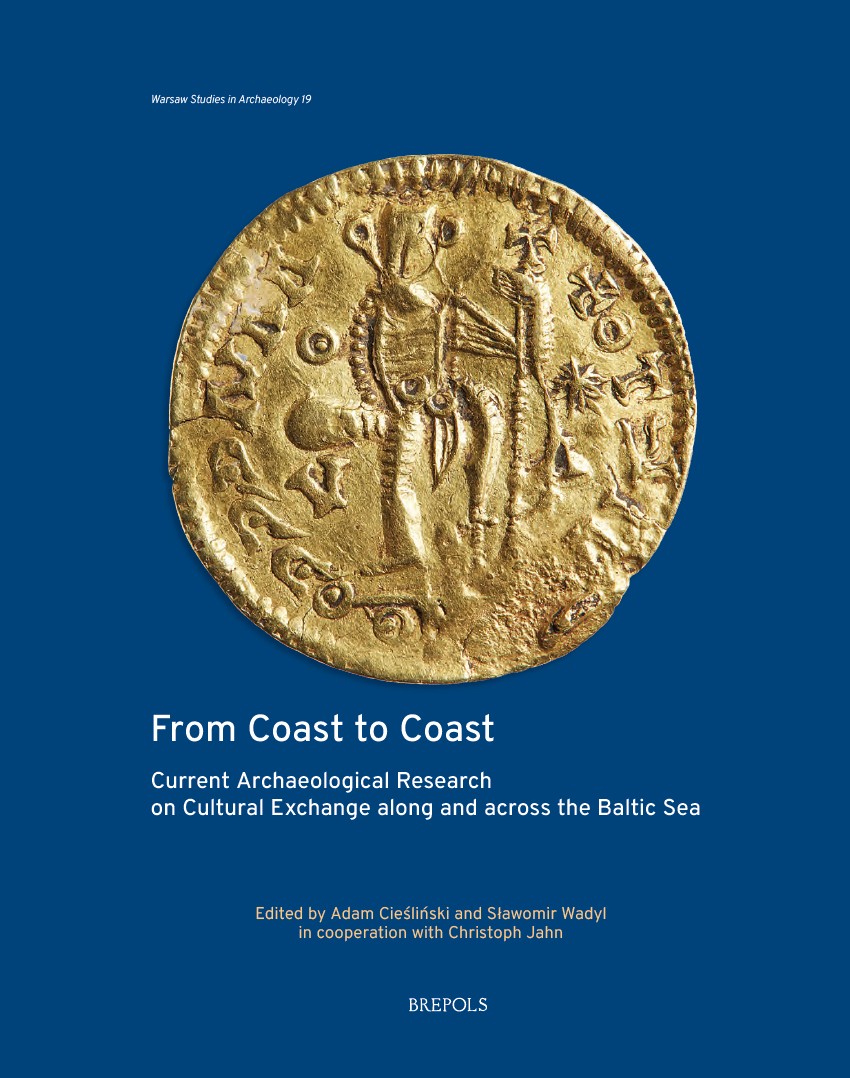 From Coast to Coast
Current Archaeological Research on Cultural Exchange along and across the Baltic Sea
Volume 19
 Frontiers of the Roman Empire: The Frontier of the Roman Province of Raetia
Grenzen des Römischen Reiches: Die Grenze der Römischen Provinz Raetien

 Gold, Silver and Glass: Power Networks, Cultural Identities, Technology Transfers and Agency across the Old World (7th Century BC – 1st Century AD)
Proceedings of a Conference Held at the British Museum, 16–18 June 2023
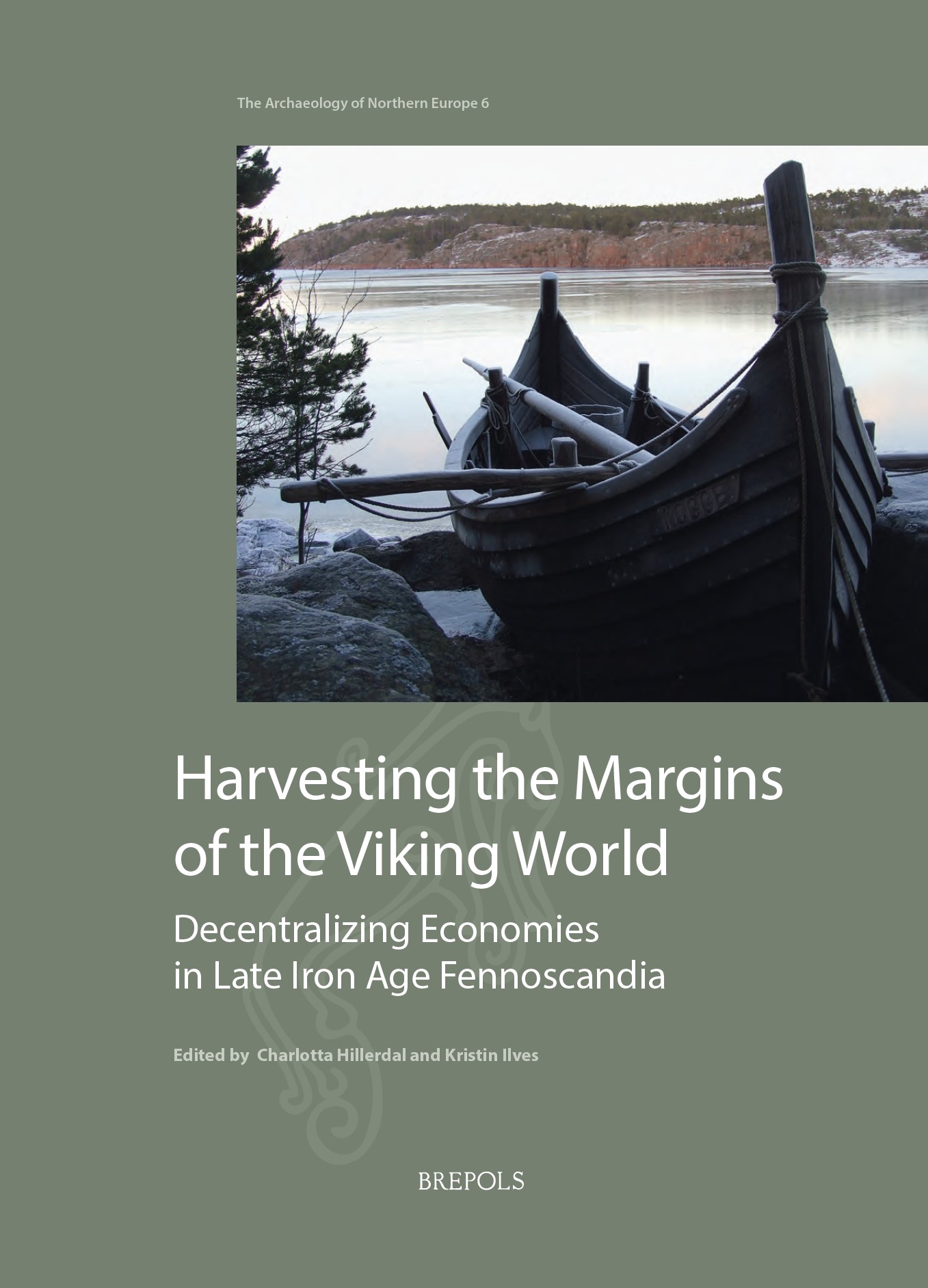 Harvesting the Margins of the Viking World
Decentralizing Economies in Late Iron Age Fennoscandia
Volume 6


 Images of Anonymous Women
A Semiotic Approach to Image-Text Relations in Interpretation of Ancient Near Eastern Art and the Hebrew Bible
Volume 310
