
Archæographies: Excavating Neolithic Dispilio
By (author) Fotis Ifantidis

Paperback (Published)
(June 2013)
ISBN: 9781905739622
8.31 x 8.31 inches
Price: $19.00
In stock
This work explores the visual interplay between archaeology and photography via excavations of the Greek Neolithic settlement of Dispilio. The book tackles archaeological practice on site, the microcosms of excavation, and the interaction between people and “things”.
The close relationship between photography and archaeology is widely acknowledged. Since its invention, photography has been an indispensable documentation tool for archaeology, while the development of digital technology has facilitated the growing needs of an archaeological excavation in recording and archiving. Still, both photography and archaeology are much more than documentation practices. On the one hand, photography is the most appropriate medium for creating visual art; on the other, the excavation is a locus where material and immaterial knowledges are constantly being produced, reproduced and represented; as such, it constitutes an ideal “topos” for experimentation in creating images. This entangled relationship between photography and archaeology, and art and documentation, has only recently attracted attention, emerging as a separate field of study. Archaeographies: Excavating Neolithic Dispilio consists one of the very first experimentations in printed format, dealing with this visual interplay between archaeology and photography. The case study is the excavation of the Greek Neolithic settlement of Dispilio. The book tackles archaeological practice on site, the microcosms of excavation, and the interaction between people and “things”. Archaeographies derives from an on-going, blog-based project, launched in 2006 (visualizingneolithic.com). The black-and-white photos of the book were selected from a large archive, and are loosely assembled as an itinerary. They are accompanied by a laconic commentary, in order to retain the sense of ambiguity and allow multiple interpretation of the images. ‘….today some archaeologists have transformed themselves into artists exploiting the visual grammar of the past decades.’ (Review, Antiquity, Vol. 88, Issue 340, June 2014, 671)
Fotis Ifantidis is an archaeologist-museologist, post-doctoral researcher at the University of the Aegean. His research is focused on personal adornment practices in prehistory, on the interplay between photography and archaeology [case-studies: Dispilio, the Athenian Acropolis, the sanctuary of Kalaureia, Koutroulou Magoula] and on the use of images in the archaeological museum landscape.
- By (author) Fotis Ifantidis
"... today some archaeologists have transformed themselves into artists exploiting the visual grammar of the past decades." Dragos Gheorghiu (2014): Antiquity "Ifantidis [presents] a collection of photographs that document the ephemeral, tangential notes from the excavations at Dispilio. In this he repositions the photographer not as a passive observer, but as an active participant in the investigation of the past." Colleen Morgan (2014): Journal of Contemporary Archaeology
—
‘….today some archaeologists have transformed themselves into artists exploiting the visual grammar of the past decades.’ - Dragos Gheorghiu (2014): Antiquity
—
'Ifantidis [presents] a collection of photographs that document the ephemeral, tangential notes from the excavations at Dispilio. In this he repositions the photographer not as a passive observer, but as an active participant in the investigation of the past.' - Colleen Morgan (2014): Journal of Contemporary Archaeology
—
Similar Books


 Archaeological Excavations at Irmis Rka: An Investigation of a Multi-Layered Settlement in Southwest Georgia
Results from the 2020 Season: Early Bronze Age to Medieval Occupations


 Caesar’s Visions and Impact on the Roman Empire
Revisiting the Archaeological and Historical Record of the 40s BC
Volume 2


 Catuvellaunia and Rome: Economic and Political Relations during the Final Decades Pre-conquest
The Role of Grain from Southeastern Britain and Its Potential for Maintenance of the Roman Military along the Frontier on the Rhine
 Colour Concept “Secoli bui” a colori
Codici cromatici e architetture dipinte nell’età tardoantica e medievale
 Construction Processes in Historical Western Societies (5th c. BC – 10th c. AD)
Case Studies on Techniques, Models, and Costs

 Crossing Disciplines in the Study of Archaeology and Prehistoric Art: Insights from the Sahara and Mediterranean Africa
Proceedings of the XX UISPP World Congress (5–9 September 2023, Timișoara, Romania) Volume / Session 18
 Crossing Sacred Landscapes
Contacts and Continuities in the Desert Cults and Beliefs of Ancient Northern Arabia and the Arid Southern Levant
 Cuneiform Artefacts from Archaeological Contexts: New Research on Ancient Iraq
Proceedings of a Conference Held at the Bavarian Academy of Sciences and Humanities, July 4–5, 2024
Volume 2


 ENTANGLED AFRICA
Intra-African Relations Between Rain Forest and Mediterranean from Around 4,000 BCE to 1,500 CE


 Etruscan and Roman Hellenistic Anatomical ex votos
Reassessing Popular Religious Expressions in Central Italy
Volume 8

 Exploring Prehistoric Pottery in Japan
A Study of Organic Inclusions, Adhering Materials, and Impressions of Woven Items


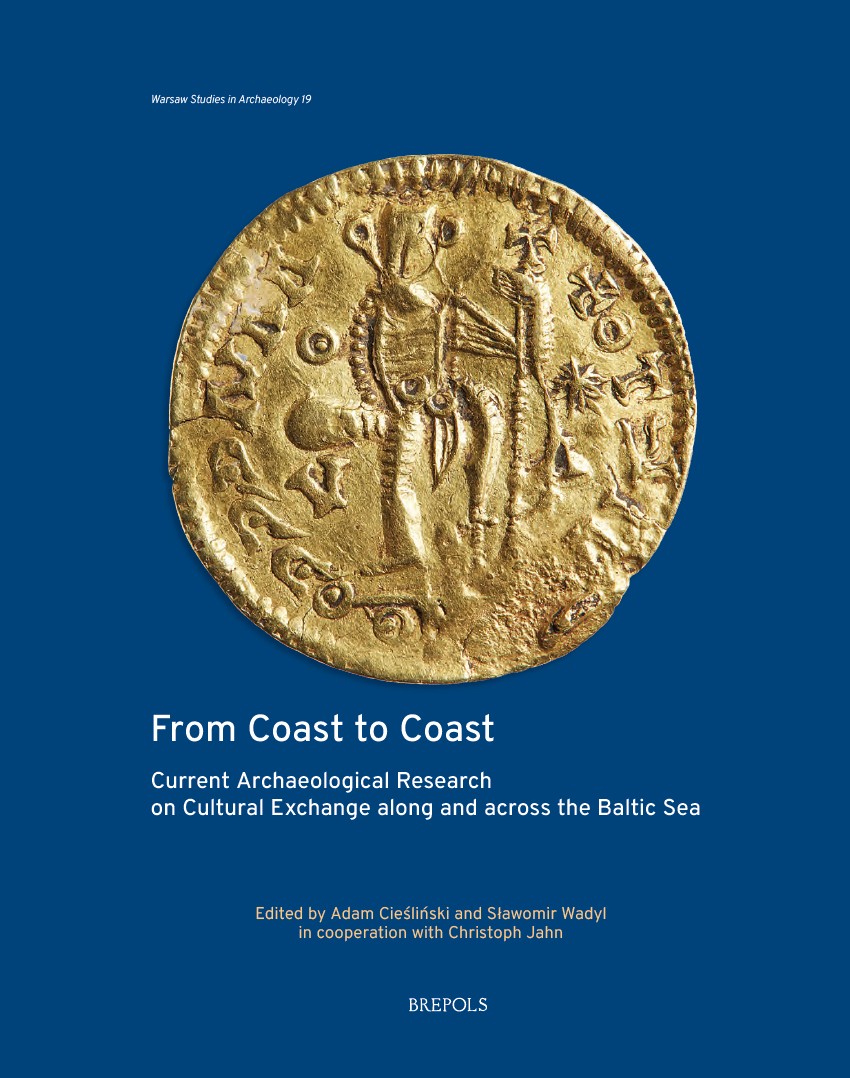 From Coast to Coast
Current Archaeological Research on Cultural Exchange along and across the Baltic Sea
Volume 19
 Frontiers of the Roman Empire: The Frontier of the Roman Province of Raetia
Grenzen des Römischen Reiches: Die Grenze der Römischen Provinz Raetien

 Gold, Silver and Glass: Power Networks, Cultural Identities, Technology Transfers and Agency across the Old World (7th Century BC – 1st Century AD)
Proceedings of a Conference Held at the British Museum, 16–18 June 2023
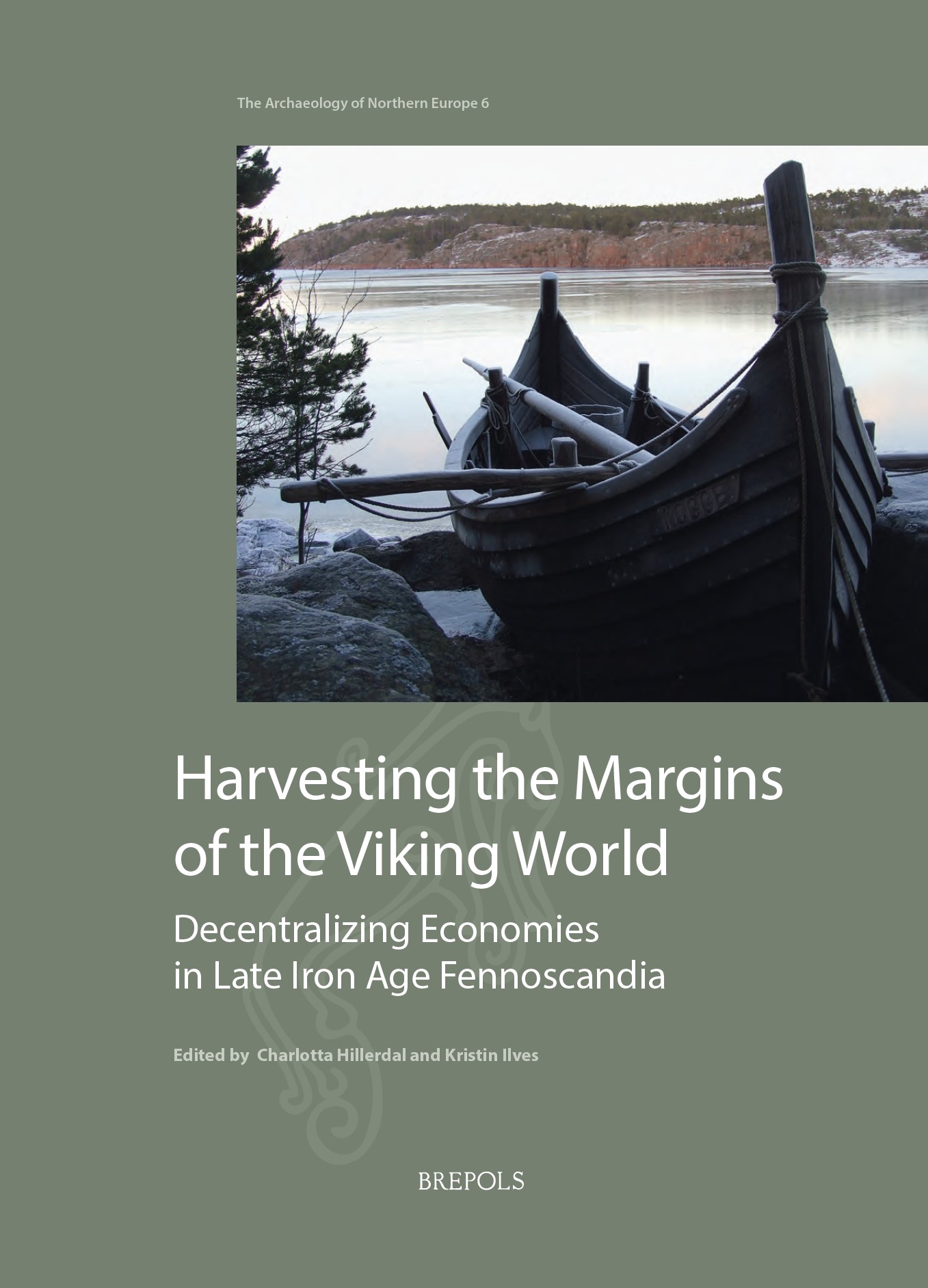 Harvesting the Margins of the Viking World
Decentralizing Economies in Late Iron Age Fennoscandia
Volume 6


 Images of Anonymous Women
A Semiotic Approach to Image-Text Relations in Interpretation of Ancient Near Eastern Art and the Hebrew Bible
Volume 310
