
Applied Zooarchaeology
Five Case Studies
by Steven J. Wolverton, Lisa Nagaoka, and Torben C. Rick, with a foreword by Steven D. Emslie

Paperback (Published)
(February 2016)
ISBN: 9780989824965
5.91 x 8.9 inches
Price: $29.95
In stock
During the last two decades, zooarchaeologists have increasingly focused aspects of their work on conservation biology. Zooarchaeological data represent an empirical record of past human-animal interactions, which provides conservation with a deep temporal perspective. There are many challenges that face the archaeologist as conservation biologist, however, that have little to do with deep time, faunal remains, and zooarchaeological method and theory. In this book we use a series of case studies with which each of the authors has relevant personal experience to explore the types of interdisciplinary challenges that zooarchaeologists face when crossing into the world of environmental management and animal conservation. Never has there been a greater need for multi-vocal perspectives in conservation biology. This book shows zooarchaeologists how to use zooarchaeological perspectives to help meet those needs, while crossing traditional academic disciplinary boundaries.
During the last two decades, zooarchaeologists have increasingly focused aspects of their work on conservation biology. Zooarchaeological data represent an empirical record of past human-animal interactions, which provides conservation with a deep temporal perspective. There are many challenges that face the archaeologist as conservation biologist, however, that have little to do with deep time, faunal remains, and zooarchaeological method and theory. In this book we use a series of case studies with which each of the authors has relevant personal experience to explore the types of interdisciplinary challenges that zooarchaeologists face when crossing into the world of environmental management and animal conservation. Never has there been a greater need for multi-vocal perspectives in conservation biology. This book shows zooarchaeologists how to use zooarchaeological perspectives to help meet those needs, while crossing traditional academic disciplinary boundaries.
- By (author) Lisa Nagaoka
- By (author) Torben C. Rick
- By (author) Steven J. Wolverton
- Foreword by Steven D. Emslie
"The process of applying archaeological data to conservation biology, resource management, and restoration ecology is far from straightforward. Applied Zooarchaeology carefully considers these problems, provides solutions, and offers recommendations for applied archaeologists so that the implications of archaeological research can impact conservation science and policy. The book is an excellent primer for all fields of study and researchers at any level of their careers regarding the analysis of archaeological data to help guide the management of fauna. . . . the concepts discussed are applicable far beyond zooarchaeology and are especially relevant to paleoethnobotany." Sanchez, Gabriel M., Journal of California and Great Basin Anthropology u Vol. 39, No. 1 (2019)
—
"In summary, Applied Zooarchaeology is a readable book with an important message for students entering the field of archaeology and zooarchaeology: it is challenging to apply archaeofaunal research to conservation biology. It should also be read by conservation biologists and wildlife managers who want a better understanding of zooarchaeology." --Steven R. James, California Archaeology
—
"Applied Zooarchaeology: Five Case Studies shows how locally impactful, interdisciplinary historical ecological research can be achieved in a highly digestible way. As such, it is well worth the read." --Jonathan Dombrowsky, University of New Mexico, Ethnobiology Letters 7(1)
—
"This book will be most effective in the classroom when paired with detailed ecological, biological and zooarchaeological data that will allow students to delve deeply into the methodological background and political implications of this work, and it will also serve as an important resource for interdisciplinary research teams." --Catherine F. West, Boston University, The Holocene, Vol. 26(11), 2016
—
"...This book stands as an important contribution to the growing interdisciplinary field of applied zooarchaeology." --Suzanne E. Pilaar Birch, University of Georgia, American Antiquity, Vol. 82, No. 1
—
"A valuable compilation of five case studies that illustrate why and how paleozoological datasets inform conservation programs and policies. Although written for the uninitiated applied zooarchaeologist, the integration of archaeological and ecological theory and application makes this book an essential addition to the libraries of scientists and practitioners in conservation biology." Charles R. Randklev, Texas A & M University
—
"A prescient and useful primer on a nascent subfield of great importance for archaeology. Students will learn important lessons from this concise, highly readable work and its honest appraisals of the practical difficulties and disciplinary barriers that must be overcome if the value of zooarchaeological data is to be realized." Evan Peacock, Mississippi State University
—
"A highly readable primer for applied zooarchaeology. Through a series of case studies, the authors highlight fundamental issues of data quality, sampling, and taphonomy. This book will be of interest to archaeologists who want their research to engage real-world problems. Get a copy-and order extra copies for your students." Virginia L. Butler, Portland State University
—
"This book provides an insightful examination of how interdisciplinary efforts ... can be effective in addressing conservation problems. It joins a growing list of resources in applied zooarchaeology and paleozoology, which form an essential database that all new disciplines must acquire." Steven D. Emslie, University of North Carolina, Wilmington
—
"The individual chapters largely stand alone, and each provides a short, high quality snapshot of methods, data, and interpretations on the local or small regional scale. Collectively, these chapters provide a global perspective on contemporary zooarchaeology . . . Applied Zooarchaeology. . . is an excellent, concise, highly readable volume. Notably, each chapter ends with a list of key terms and discussion questions that foster critical reflection and make this an ideal volume for undergaruate teaching. The voume also forms an excellent primer for researchers and students interested in applied uses for zooarchaeological data, and the bibliography, though far from exhaustive, provides an excellent starting point for further exploration of the broader issues." --Trevor J. Orchard, University of Toronto Mississauga, Journal Canadien d'Archéologie 42 (2018)
—
Other Titles in this Series


Similar Books


 Archaeological Excavations at Irmis Rka: An Investigation of a Multi-Layered Settlement in Southwest Georgia
Results from the 2020 Season: Early Bronze Age to Medieval Occupations


 Catuvellaunia and Rome: Economic and Political Relations during the Final Decades Pre-conquest
The Role of Grain from Southeastern Britain and Its Potential for Maintenance of the Roman Military along the Frontier on the Rhine
 Colour Concept “Secoli bui” a colori
Codici cromatici e architetture dipinte nell’età tardoantica e medievale

 Crossing Disciplines in the Study of Archaeology and Prehistoric Art: Insights from the Sahara and Mediterranean Africa
Proceedings of the XX UISPP World Congress (5–9 September 2023, Timișoara, Romania) Volume / Session 18
 Cuneiform Artefacts from Archaeological Contexts: New Research on Ancient Iraq
Proceedings of a Conference Held at the Bavarian Academy of Sciences and Humanities, July 4–5, 2024
Volume 2

 ENTANGLED AFRICA
Intra-African Relations Between Rain Forest and Mediterranean from Around 4,000 BCE to 1,500 CE



 Exploring Prehistoric Pottery in Japan
A Study of Organic Inclusions, Adhering Materials, and Impressions of Woven Items

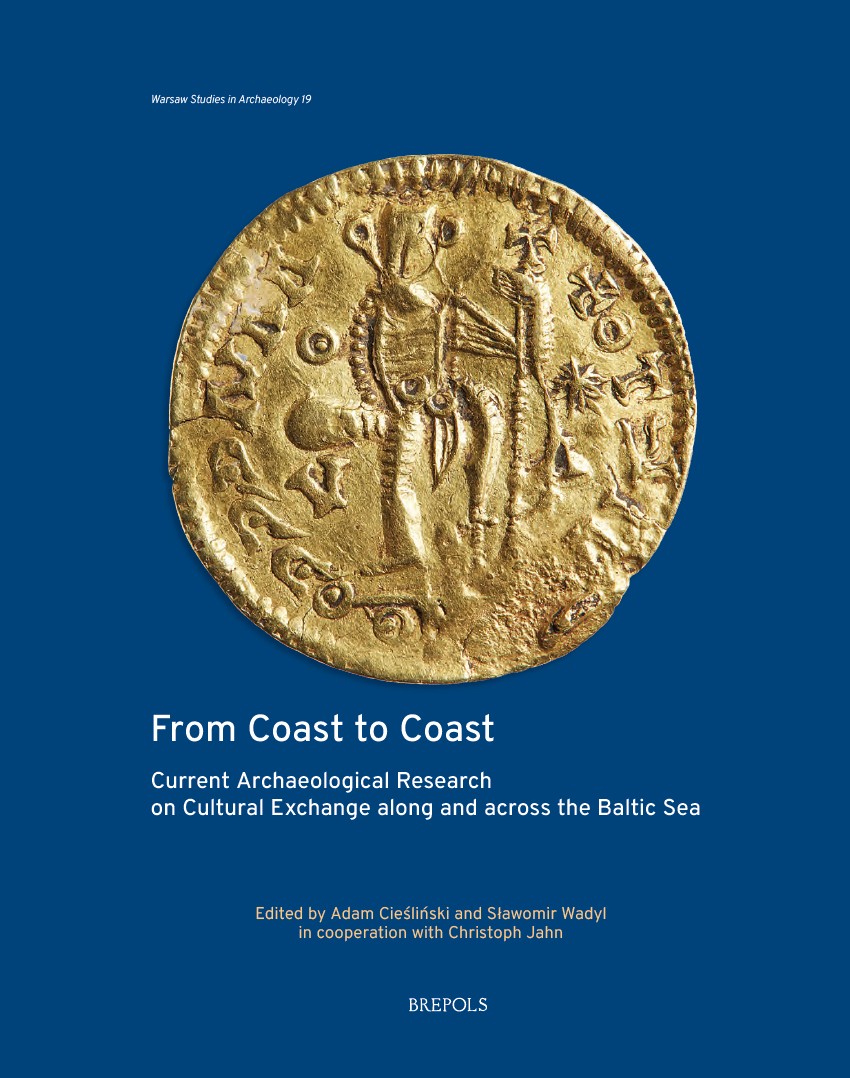 From Coast to Coast
Current Archaeological Research on Cultural Exchange along and across the Baltic Sea
Volume 19
 Frontiers of the Roman Empire: The Frontier of the Roman Province of Raetia
Grenzen des Römischen Reiches: Die Grenze der Römischen Provinz Raetien
 Gold, Silver and Glass: Power Networks, Cultural Identities, Technology Transfers and Agency across the Old World (7th Century BC – 1st Century AD)
Proceedings of a Conference Held at the British Museum, 16–18 June 2023
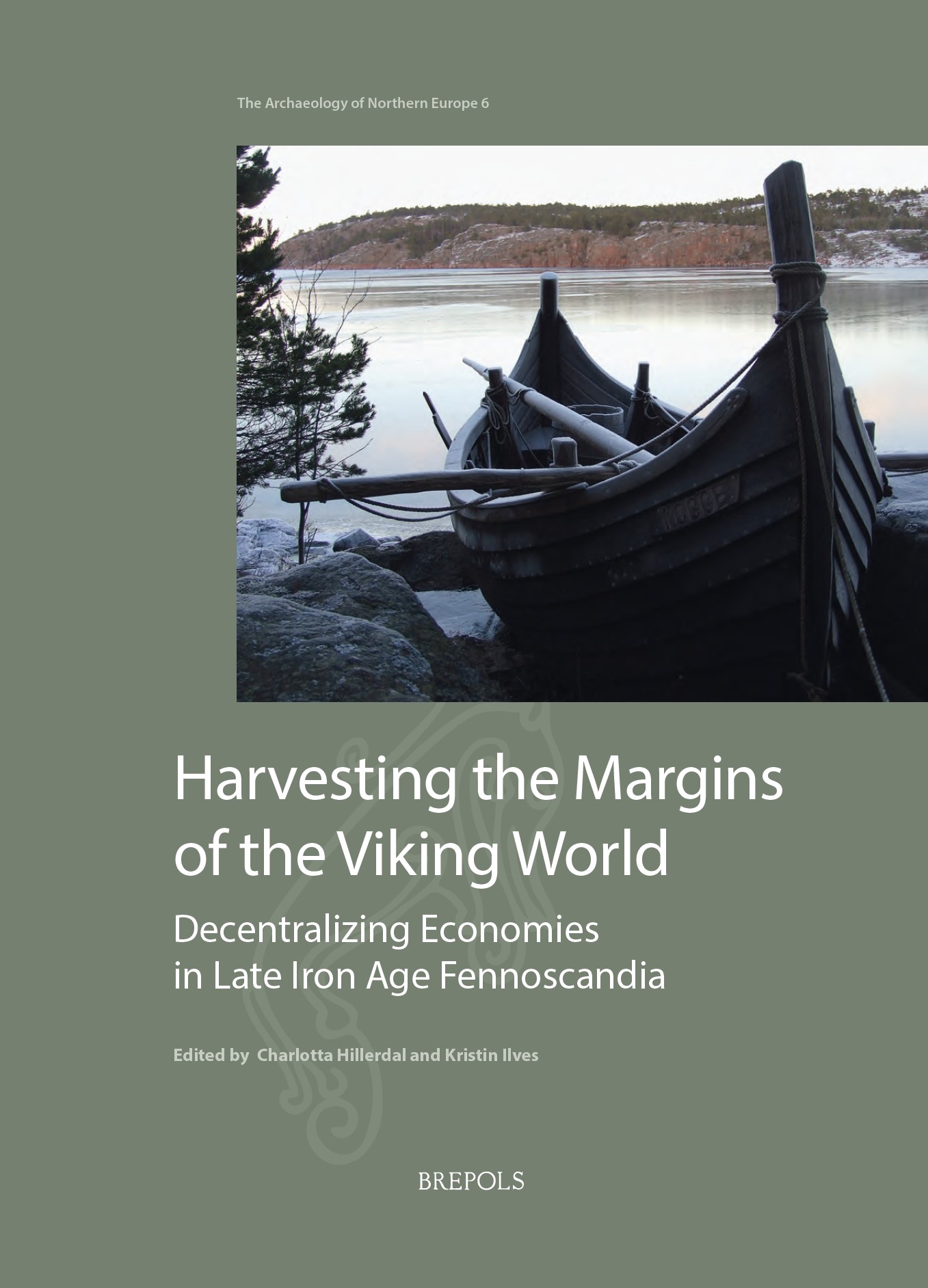 Harvesting the Margins of the Viking World
Decentralizing Economies in Late Iron Age Fennoscandia
Volume 6

 Images of Anonymous Women
A Semiotic Approach to Image-Text Relations in Interpretation of Ancient Near Eastern Art and the Hebrew Bible
Volume 310


 Making and Meaning in the Bronze and Iron Ages
Chronology, Landscapes and Societies across Europe. Proceedings from the METALAGES2024 Colloquium (Florence, 23 October 2024)

 Medieval Yeghegis, Armenia
History, Archaeology, Society. Local Multiplicities and Global Connections of a Rural Centre on the Silk Road(s)

 Mobility and Archaeogenetics in Central Asia
People – Goods – Ideas. 3rd International Conference on Central Asian Archaeology in Bern, 11th–13th January 2024
Volume 24


 Offa’s Dyke Journal: Volume 7 for 2025
A Journal for Linear Monuments, Frontiers and Borderlands Research