
A History of the Kingdom of Israel
By (author) E. Lipinski

The framework of this history of the Kingdom of Israel is based on information provided by epigraphic sources. They show that the religion and the ethnic identity of Israel connect traditions of semi-nomadic tribes of the Cisjordanian highland with conceptions and practices of pastoralists living in Transjordan, Midian, Negeb, and Sinai.The book is divided into six chapters: proto-history of Israel; transition period from tribal confederacy to monarchy; dynasty of Omri; Assyrian invasions; religion of Israel; Persian period.
The framework of this history of the Kingdom of Israel is based on information provided by epigraphic sources. They show that the religion and the ethnic identity of Israel connect traditions of semi-nomadic tribes of the Cisjordanian highland with conceptions and practices of pastoralists living in Transjordan, Midian, Negeb, and Sinai. They are known as Shasu in Egyptian texts, which provide the earliest written sources. The book is divided in six chapters. The first one deals with the proto-history of Israel in the second millennium B.C., starting with the mention of the Joseph-El and Simeon tribes in the Egyptian Execration texts of the 19th-18th centuries B.C. Jacob-El, Reuben, and Israel appear somewhat later, as well as the Shasu of the Yahwe-El area in Northern Sinai. The figure of Moses is related to this region and dates presumably from the second half of the 12th century B.C., when starts the period of the Judges. Graeco-Aegean Philistines settled in Canaan in the late 12th century were a serious menace to the confederation of Israelite tribes whose elders decided ca. 980 B.C. to adopt a royal government system. The first king was Saul, followed by his son Ishbaal. The unsettled period of David’s and Solomon’s reigns (ca. 960-927 B.C.) still belongs to the transition period from tribal confederacy to monarchy, continued by wars between Israel and Judah and by internal troubles. This is examined in chapter II. Chapter III deals with the dynasty of Omri, which ruled from ca. 882 to 749 B.C., a period documented also by Moabite, Neo-Assyrian, and Aramaic inscriptions which show that Jehu belonged to an Omride side-branch and that Jehoram and Ahaziah were killed by Aramaeans at the battle of Ramoth Gilead (841 B.C.), not by Jehu or his men. The rule of the Omrides was followed by a restless period and by Assyrian invasions ending with the annexation of the country to the Assyrian Empire and deportations of some of its elite, as presented in chapter IV. Since monotheism goes to the hearth of Israelite self-understanding, chapter V examines the religion of Israel, characterized by the cult of El, whose identity was specified by the full name Yahwe-El. A certain continuity of the Israelite political entity appears in the Persian period with Samarian governors, often members of the Sanballat lineage, as proposed in chapter VI.
- By (author) E. Lipinski
Other Titles in this Series
 East and West in the Medieval Eastern Mediterranean II
Antioch from the Byzantine Reconquest until the End of the Crusader Principality. Acta of the Congress Held at Hernen Castle (the Netherlands) in May 2006
Volume 199
 Moving Across Borders
Foreign Relations, Religion and Cultural Interactions in the Ancient Mediterranean
Volume 159


 Gregorio di Nazianzo, Sulla malattia (carm. II,1,50)
Introduzione, testo critico, traduzione e commento
Volume 331, 36

 Episcopal Networks and Authority in Late Antique Egypt
Bishops of the Theban Region at Work
Volume 264


 Hawara in the Graeco-Roman Period
Life and Death in a Fayum Village. With an Appendix on the Pottery from Hawara by Sylvie Marchand
Volume 174
 Philosophie et sciences a Byzance de 1204 a 1453
Les textes, les doctrines et leur transmission. Actes de la Table Ronde organisee au XXe Congres International d'Etudes Byzantines (Paris, 2001)
Volume 146
 Lexikon der ägyptischen Götter und Götterbezeichnungen Band IV
Bearbeitet von Dagmar Budde, Peter Dils, Lothar Goldbrunner, Christian Leitz und Daniela Mendel unter Mitarbeit von Frank Förster, Daniel von Recklinghausen und Bettina Ventker
Volume 113

 Vienna 2 – Ancient Egyptian Ceramics in the 21st Century
Proceedings of the International Conference held at the University of Vienna, 14th-18th of May, 2012
Volume 245

 Byzantine Holy Images – Transcendence and Immanence
The Theological Background of the Iconography and Aesthetics of the Chora Church
Volume 176
 Byzantino-Normannica
The Norman Capture of Italy (to A.D. 1081) and the First Two Norman Invasions in Byzantium (A.D. 1081-1085 and 1107-1108)
Volume 165
 Kindgötter im Ägypten der griechisch-römischen Zeit
Zeugnisse aus Stadt und Tempel als Spiegel des interkulturellen Kontakts
Volume 128
 Company of Images: Modelling the Imaginary World of Middle Kingdom Egypt (2000-1500 BC)
Proceedings of the International Conference of the EPOCHS Project held 18th-20th September 2014 at UCL, London
Volume 262
 Yusuf al-Shirbini’s Kitab Hazz al-Quhuf bi-Sharh Qasid Abi Shaduf (“Brains Confounded by the Ode of Abu Shaduf Expounded”)
Volume III: A Lexicon of 17th-century Egyptian Arabic
Volume 225

 Philomathestatos
Studies in Greek Patristic and Byzantine Texts Presented to Jacques Noret for his Sixty-Fifth Birthday
Volume 137
 The Sabaite Heritage in the Orthodox Church from the Fifth Century to the Present
Monastic Life, Liturgy, Theology, Literature, Art, Archaeology
Volume 98
 Zachariae Calliergis (1470 ca-1524) Erotemata
Editio princeps. Con un'Introduzione sulla vita e attività dell'Autore
Volume 321, 32
 Egypt and Syria in the Fatimid, Ayyubid and Mamluk Eras IX
Proceedings of the 23rd and 24th International Colloquium Organized at the University of Leuven in May 2015 and 2016
Volume 278
 Jean Pédiasimos, Essai sur des douze travaux d’Héraclès
Édition critique, traduction et introduction
Volume 270, 16


Similar Books





 Connecting the Dots: Counting, Writing, and the Beginnings of Civilization
The Secret Lives of Clay Tokens: A Memoir

 Curating the Prehistoric Past
Studies on West Asian Archaeology and Beyond in Honour of Yoshihiro Nishiaki

 Exploring Gender Dynamics across the Ancient Near East
Collected Essays of Gender and Methodology in the Ancient Near East (GeMANE) 4 and 5
Volume 7


 Ḫattušaš utnē išḫameški
Hittite and Other Ancient Near Eastern Studies Presented to Piotr Taracha on the Occasion of His 65th Birthday




 Kultur – Kontakt – Kultur
Beiträge anlässlich der 66. Rencontre Assyriologique Internationale in Frankfurt/Main und Mainz, 25.–29. Juli 2022
Volume 35
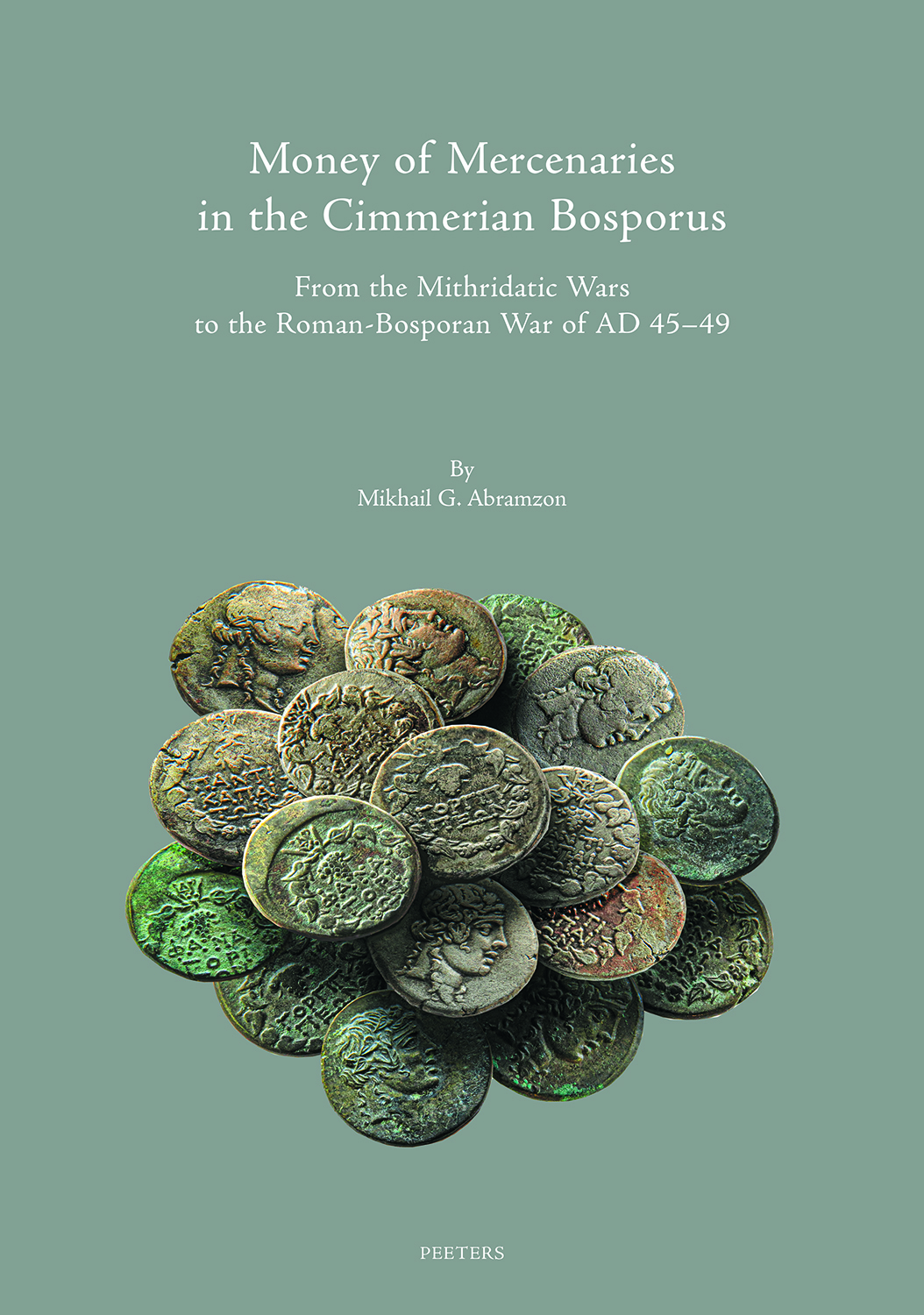 Money of Mercenaries in the Cimmerian Bosporus
From the Mithridatic Wars to the Roman-Bosporan War of AD 45-49
Volume 45

 New Research on Old Collections in Southwest Asian Archaeology
Proceedings of the Workshop Held at the British Museum, London, 31 July – 2 August, 2023
 Old Aramaic Inscriptions and their Contexts
An Epigraphic, Archaeological, and Historical Synthesis
Volume 63

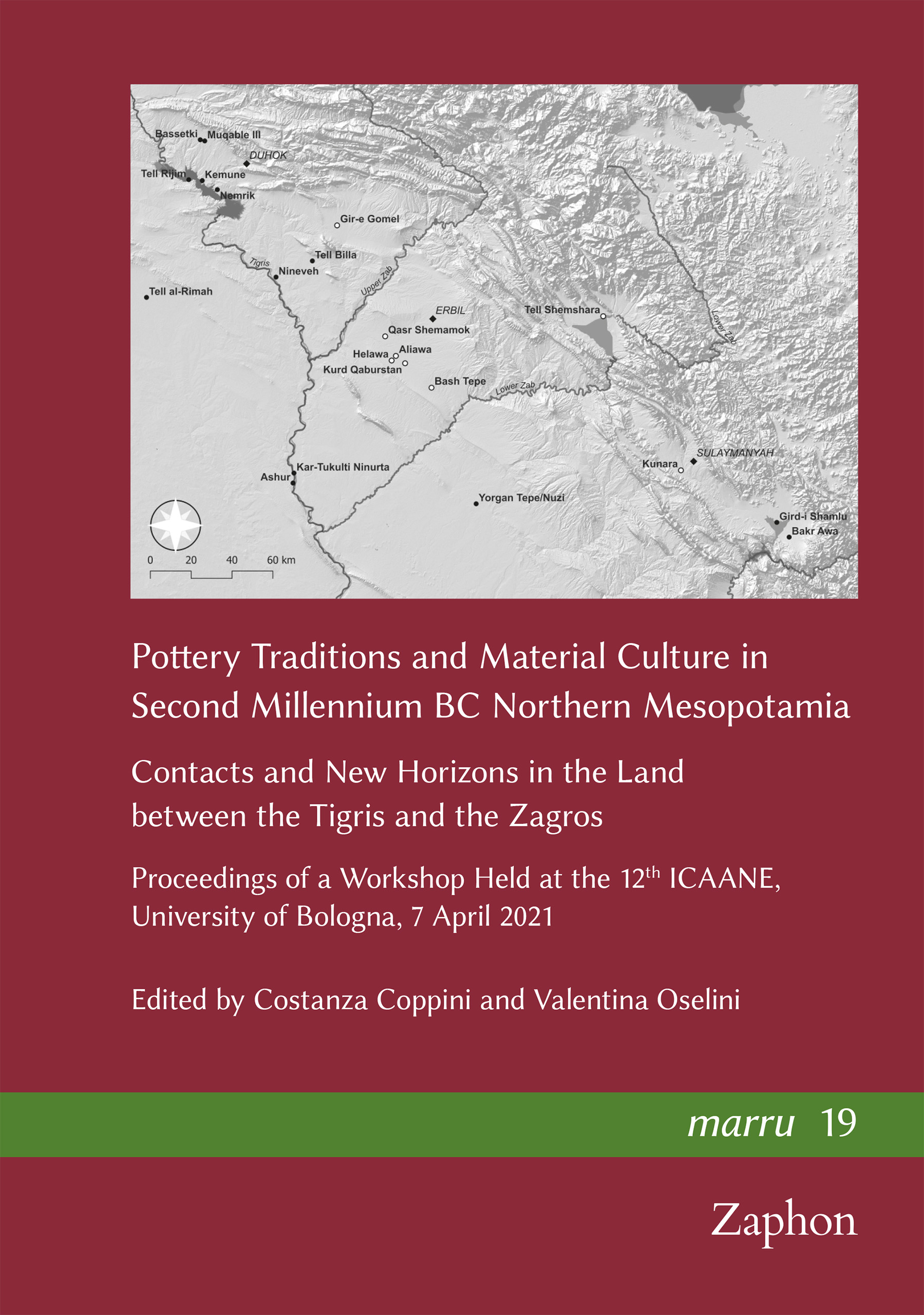 Pottery Traditions and Material Culture in Second Millennium BC Northern Mesopotamia
Contacts and New Horizons in the Land between the Tigris and the Zagros. Proceedings of a Workshop Held at the 12th ICAANE, University of Bologna, 7 April 2021
Volume 19
 Punning in Odd or Elegant Constructions in Jeremiah
The Convergence of Linguistics, Rhetoric, and Textuality in the Hebrew Text of Jeremiah

 Sertorius, the Exiles of the Sullan Regime and the Provinces of the Empire
Legitimacy, Morality and Imperial Discourse in the 70s BCE
 Shame in the Worlds of the Hebrew Bible and Akkadian Texts
A Linguistic Study and Its Implications
Volume 33

 Telling Contexts
Archaeological and Textual Studies in Honor of Elizabeth Bloch-Smith and Mark S. Smith
 The Body
Lived, Cultured, Adorned: Essays on Dress and the Body in the Bible and Ancient Near East in Honor of Nili S. Fox
 The Discourse of Rites
Shaping and Reshaping the (Counter-)Priestly Rituals Conducted Outside the Tabernacle
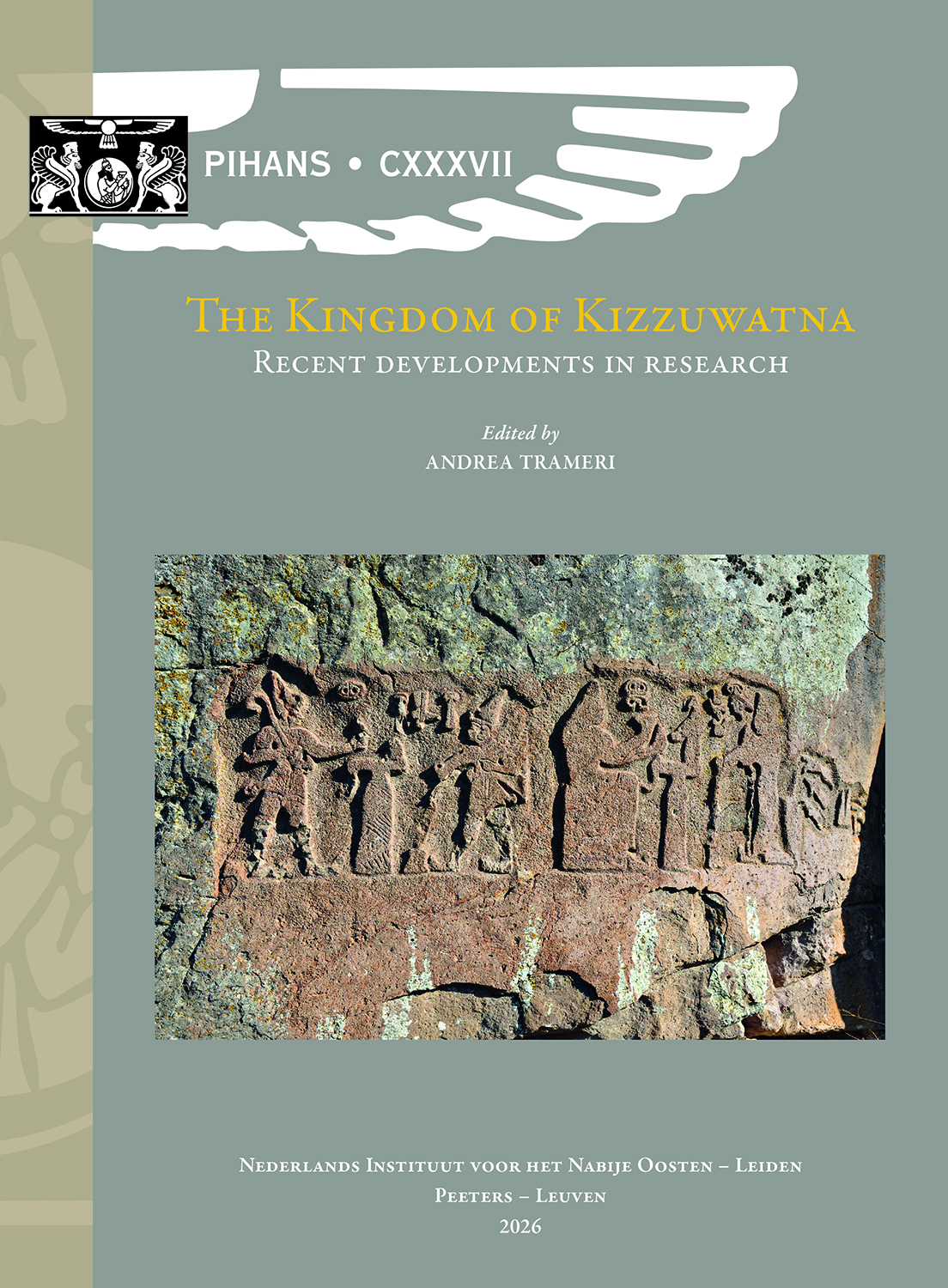 The Kingdom of Kizzuwatna: Recent Developments in Research
Proceedings of the Third NINO Postdoctoral Research Fellow Annual Conference, Leiden, 23rd-25th March 2023
Volume 137


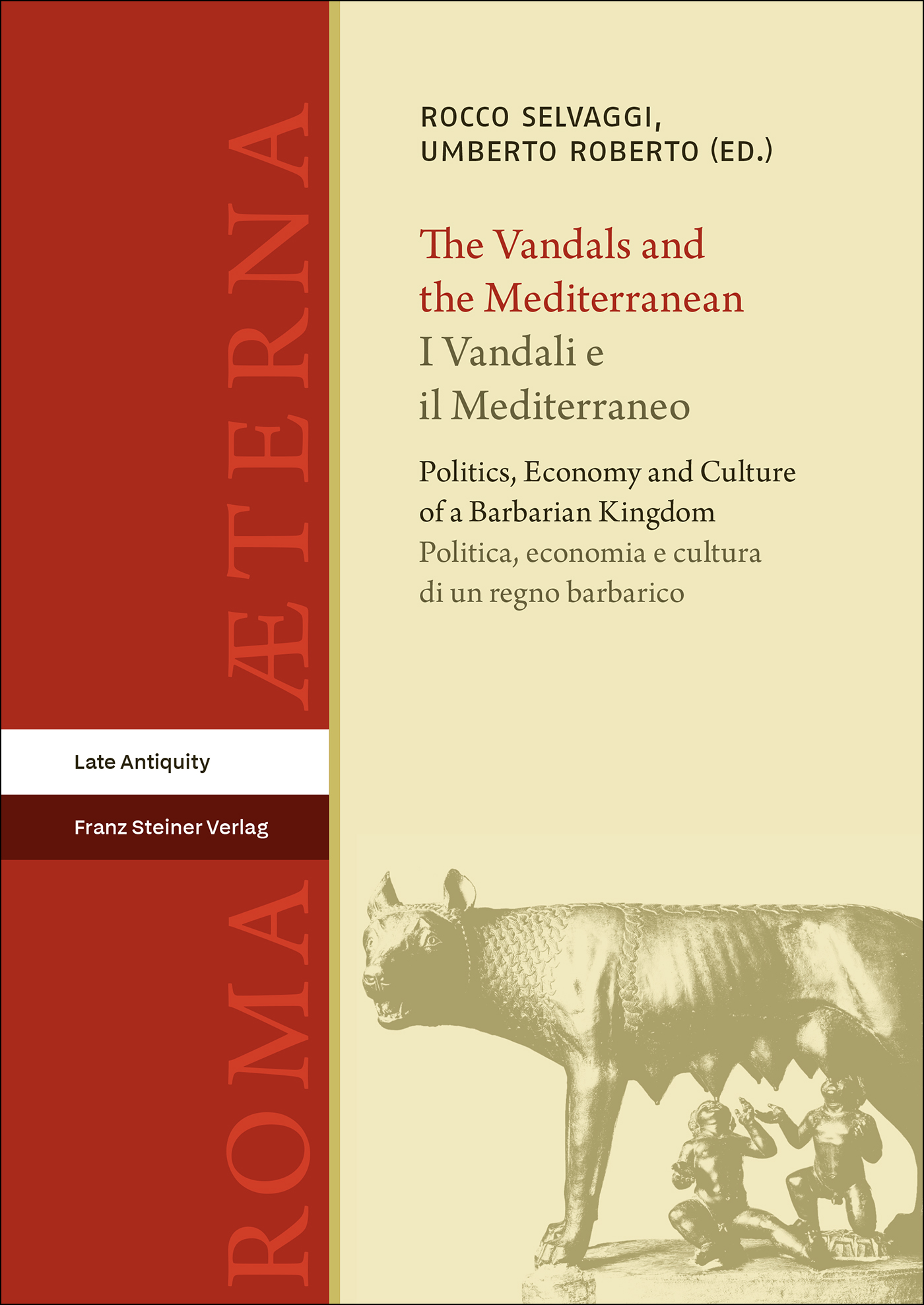 The Vandals and the Mediterranean / I Vandali e il Mediterraneo
Politics, Economy and Culture of a Barbarian Kingdom / Politica, economia e cultura di un regno barbarico