
Unternehmen Hamburg
Eine Geschichte der neoliberalen Stadt
By (author) Arndt Neumann Series edited by Anselm Doering-Manteuffel Series edited by Lutz Raphael

Hardback (Published)
(October 2018)
ISBN: 9783525355947
6.34 x 9.33 inches
Price: $113.00
In stock
Studie über den Wandel der räumlichen Ordnung der Arbeitswelt in Hamburg
English summary: Did the spatial order of the working world change fundamentally in European cities since the 1970s? To answer this question Arndt Neumann turns to a case study about the port city Hamburg. He argues that due to a cumulative structural break the fordist city was replaced by the neoliberal city. Until the 1970s industry and urbanity were closely linked. Steel mills and shipyards shaped the city centres. In addition, modernist town planning was oriented towards industrial mass productions. Since then the industrial sector lost its importance, from the decline of heavy industries to the rise of postmodern architecture. At the same time the creative industry and the financial market gained influence. To grasp the entire complexity of this transformation Arndt Neumann investigates different working worlds in different urban space: the industrial labour in the port area, the office work in the city, the house work in the suburbs and the sequencing activities in the urban neighbourhoods. In particular he focusses on the manifold cross connections between labour history and urban history. German description: Ausgehend von der Frage, wie sich die raumliche Ordnung der Arbeitswelt in europaischen Stadten seit 1970 gewandelt hat, wendet sich der Autor einer Fallstudie uber die Hafenstadt Hamburg zu. Dabei geht er von der Annahme aus, dass es einen Strukturbruch gab, in dessen Verlauf der Typus der fordistischen Stadt durch den der neoliberalen Stadt abgelost wurde. Bis in die 1970er hinein waren Industrie und Urbanitat eng miteinander verbunden. Weiterhin pragten Stahlwerke und Werften die Stadtzentren. Zudem orientierte sich der moderne Stadtebau an der industriellen Massenfertigung. Danach begann sich diese Verbindung mehr und mehr aufzulosen, vom Niedergang der Schwerindustrie bis hin zum Aufstieg der postmodernen Architektur. Gleichzeitig gewannen die Kreativwirtschaft und vor allem die Finanzmarkte an Gewicht. Um die damit verbundenen Veranderungen in ihrer ganzen Komplexitat fassen zu konnen, untersucht Arndt Neumann die unterschiedlichen Arbeitswelten in den verschiedenen stadtischen Raumen: die Industrie- und Transportarbeit im Hafen, die Buroarbeit in der City, die Hausarbeit in den Vororten und die aufeinanderfolgenden Tatigkeiten in den Grunderzeitvierteln. Gerade auf die vielfaltigen Querverbindungen zwischen der Geschichte der Arbeit und der Stadtgeschichte richtet sich sein Interesse.
- By (author) Arndt Neumann
- Series edited by Anselm Doering-Manteuffel
- Series edited by Lutz Raphael
Other Titles in this Series
 »Ganz ohne die Arbeiter geht es nicht«!?
Die politische Mobilisierungsarbeit der SPD in Kassel und Frankfurt am Main in den 1980er- und 1990er-Jahren
 Wegbereiter der Globalisierung
Multinationale Unternehmen der westeuropäischen Chemieindustrie in der Zeit nach dem Boom (1960er–2000er Jahre)
 Das arbeitslose Subjekt
Genealogie einer Sozialfigur in Großbritannien und der Bundesrepublik Deutschland nach dem Boom
 Fußball in England und Deutschland von 1961 bis 2000
Vom Verlierer der Wohlstandsgesellschaft zum Vorreiter der Globalisierung


 Stapellauf für ein neues Zeitalter
Die Industriemetropole Glasgow im revolutionären Wandel nach dem Boom (1960–2000)

Similar Books


 Balthasar Caymox of Nuremberg
Early Modern German Print Publishers: Popular Prints of the Seventeenth Century
 Behind the Scenes of Medieval Roofs
An Overview of the Roofing Systems of Italian Churches
Volume 90


 Circulation, Use, Impact
The Consumption of Architectural Books in the Early Modern Eastern Adriatic
Volume 1
 Constitutional Conflict as Judicial Civil Disobedience and Conscientious Objection
Reconceptualising National Constitutional Court Rulings in the European Union Legal Space


 Formulary apportionment in international tax law
An allocation method for the age of globalization and digitalization
Volume 210


 Hofmann oder Vorkämpfer der „philosophes“?
Deutsche Voltaire-Bildnisse und -Imaginationen im Zeitalter der Aufklärung


 Late Antique villae in the Balkans (3rd–7th c. AD): Current Research Questions and Perspectives
HAEMUS Companion to the Late Antique Balkans 1
Volume 4
 Legal Unification through Case Law?
Supreme Courts and the Emergence of Uniform Law in the Modern Era
Volume 242


 The Documentation of Historical Facts in Trial Judgments of the International Criminal Court
A Constitutional Theory of International Criminal Proceedings
Volume 66


 To Dimarcheio Tis Ermoupolis | The Town Hall of Ermoupolis
150 chrónia enós neoklasikoú topósimou | 150 Years of a Neoclassical Landmark
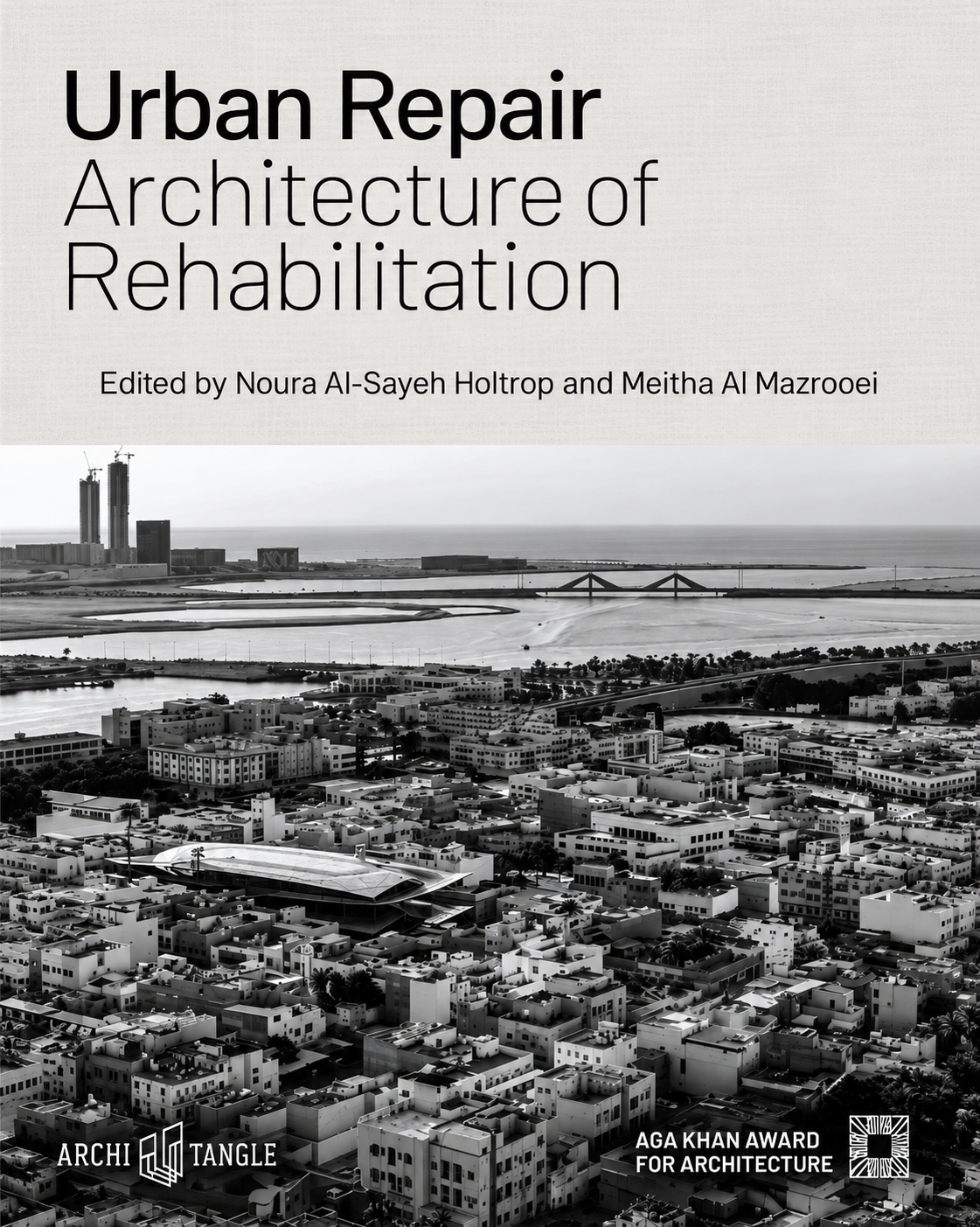
 Visual Memory and Oblivion
Monuments and Conflicts in Urban Spaces in Central and Eastern Europe from the Nineteenth Century to the Present Day


 Linguistic and Cultural Dynamics in a Frontier Society
New Perspectives on Northeastern Bavaria and Western Bohemia in the Early Middle Ages
Volume 9
 The Law of the International Civil Service
Institutional Law and Practice in International Organisations

 “Aktenzeichen XY … ungelöst”, Facebook und Co.
Chancen und Risiken der Einbeziehung der Öffentlichkeit in das strafprozessuale Ermittlungsverfahren
Volume 476
 “Das Grundgesetz ist unsere Leitkultur”
Eine verfassungsrechtliche und -theoretische Annäherung an die Gleichsetzung von Grundgesetz und Leitkultur
Volume 1595
 “Sachkunde” als Beweisquelle im Strafprozess
Defizite der Verteidigungsrechte bei der Gewinnung und Verwertung von außerjuristischem Erfahrungswissen
Volume 340