
Town and Country in Southeastern Anatolia, Volume 1
Settlement and Land Use at Kurban Hoyuek and Other Sites in the Lower Karababa Basin
by David Gurney, M. M. A. McDonald, N. F. Miller and T. J. Wilkinson

This is a report on a detailed survey conducted within an area of 100 km2 along the south (left) bank of the River Euphrates (Firat Nehri) in southeastern Turkey. The survey provided a fourteen period sequence of settlement covering a span of 8,000 years.
This is a report on a detailed survey conducted within an area of 100 km2 along the south (left) bank of the River Euphrates (Firat Nehri) in southeastern Turkey. The survey provided a fourteen period sequence of settlement covering a span of 8,000 years. Population growth during the late Chalcolithic and the mid-late Early Bronze Age appears to have resulted in the gradual removal of woodland from the area. During the latter peak, a network of nodal settlements developed within cultivable lowlands, and formed part of a moderately well-integrated hierarchy of villages and small towns. Following a late Bronze Age-early Iron Age decline in visible remains of settlement, population again increased during the Seleucid-Hellenistic Period to reach a peak in the late Roman-early Byzantine times. By this time, all cultivable land was under either extensive or intensive cultivation and the limestone uplands probably formed rough pasture. There followed, during the seventh-tenth centuries AD, a remarkable decline in remains of sedentary occupation, which only recovered slightly in the Medieval period. Several hundred years of poorly documented settlement followed which culminated in the establishment, probably by the nineteenth century, of the modern network of settlements. A substantial growth in total cultivated area appears to have resulted from large-scale mechanization during the twentieth century.
- By (author) David Gurney
- By (author) M. M. A. McDonald
- By (author) N. F. Miller
- By (author) T. J. Wilkinson
Other Titles in this Series


 Cuneiform Texts from the Ur III Period in the Oriental Institute, Volume 1
Drehem Administrative Documents from the Reign of Shulgi
Volume 115
 Medinet Habu IX
The Eighteenth Dynasty Temple, Part 1: The Inner Sanctuaries, with Translations of Texts, Commentary and Glossary
Volume 136

 Theban Desert Road Survey in the Egyptian Western Desert, Volume 1
Gebel Tjauti Rock Inscriptions 1-45 and Wadi el-Hol Rock Inscriptions 1-45
Volume 119

 Reliefs and Inscriptions at Luxor Temple, Volume 2
The Facade, Portals, Upper Register Scenes, Columns, Marginalia, and Statuary in the Colonnade Hall
Volume 116

 Excavations in the Plain of Antioch. Volume II
The Structural Remains of the Later Phases: Chatal Hueyuek, Tell Al-Judaidah, and Tell Tayinat
Volume 95


 Cuneiform Texts from the Ur III Period in the Oriental Institute, Volume 2
Drehem Administrative Documents from the Reign of Amar-Suena
Volume 121
 Early Megiddo on the East Slope (The ‘Megiddo Stages’)
A Report on the Early Occupation of the East Slope of Megiddo. Result of the Oriental Institute's Excavations, 1925-1933
Volume 139

 On the Margin of the Euphrates
Settlement and Land Use at Tell es-Sweyhat and in the Upper Tabqa Area, Syria
Volume 124

 Excavations at the prehistoric mound of Chogha Bonut, Khuzestan, Iran
Seasons 1976/77, 1977/78, and 1996
Volume 120
 Ancient Settlement Systems and Cultures in the Ram Hormuz Plain, Southwestern Iran
Excavations at Tall-e Geser and Regional Survey in the Ram Hormuz Area
Volume 140


 Tell Hamoukar, Volume 1. Urbanism and Cultural Landscapes in Northeastern Syria
The Tell Hamoukar Survey, 1999-2001
Volume 137

 The Amuq Valley Regional Projects, Volume 1
Surveys in the Plain of Antioch and Orontes Delta, Turkey, 1995-2002
Volume 131
 The Temple of Khonsu. Volume II
Scenes and Inscriptions in the Court and the First Hypostyle Hall
Volume 103
Similar Books



 Caesar’s Visions and Impact on the Roman Empire
Revisiting the Archaeological and Historical Record of the 40s BC
Volume 2

 Connecting the Dots: Counting, Writing, and the Beginnings of Civilization
The Secret Lives of Clay Tokens: A Memoir


 Etruscan and Roman Hellenistic Anatomical ex votos
Reassessing Popular Religious Expressions in Central Italy
Volume 8

 Exploring Gender Dynamics across the Ancient Near East
Collected Essays of Gender and Methodology in the Ancient Near East (GeMANE) 4 and 5
Volume 7


 Ḫattušaš utnē išḫameški
Hittite and Other Ancient Near Eastern Studies Presented to Piotr Taracha on the Occasion of His 65th Birthday


 Invisible Labour in Antiquity
Visualizing Obscure Work in the Ancient Mediterannean and West Asia
Volume 1
 Late Antique villae in the Balkans (3rd–7th c. AD): Current Research Questions and Perspectives
HAEMUS Companion to the Late Antique Balkans 1
Volume 4

 New Research on Old Collections in Southwest Asian Archaeology
Proceedings of the Workshop Held at the British Museum, London, 31 July – 2 August, 2023
 Old Aramaic Inscriptions and their Contexts
An Epigraphic, Archaeological, and Historical Synthesis
Volume 63


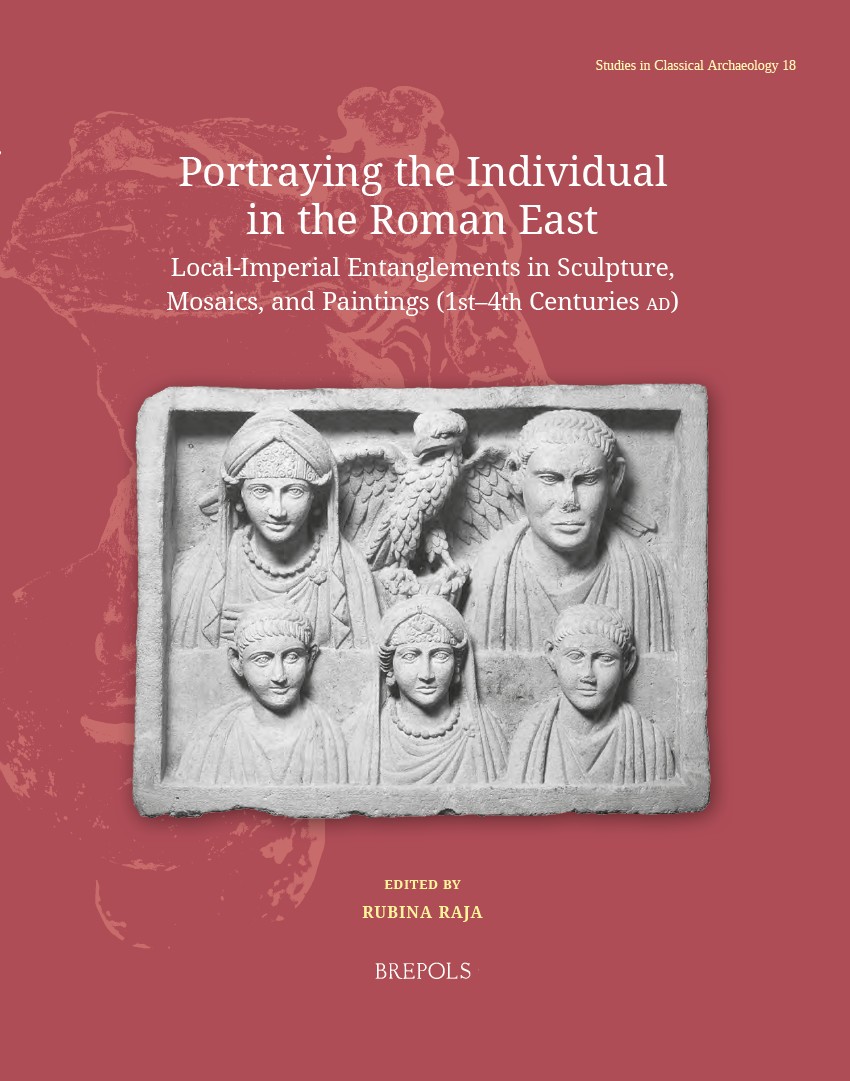 Portraying the Individual in the Roman East
Local–Imperial Entanglements in Sculpture, Mosaics, and Paintings (First–Fourth Centuries AD)
Volume 18
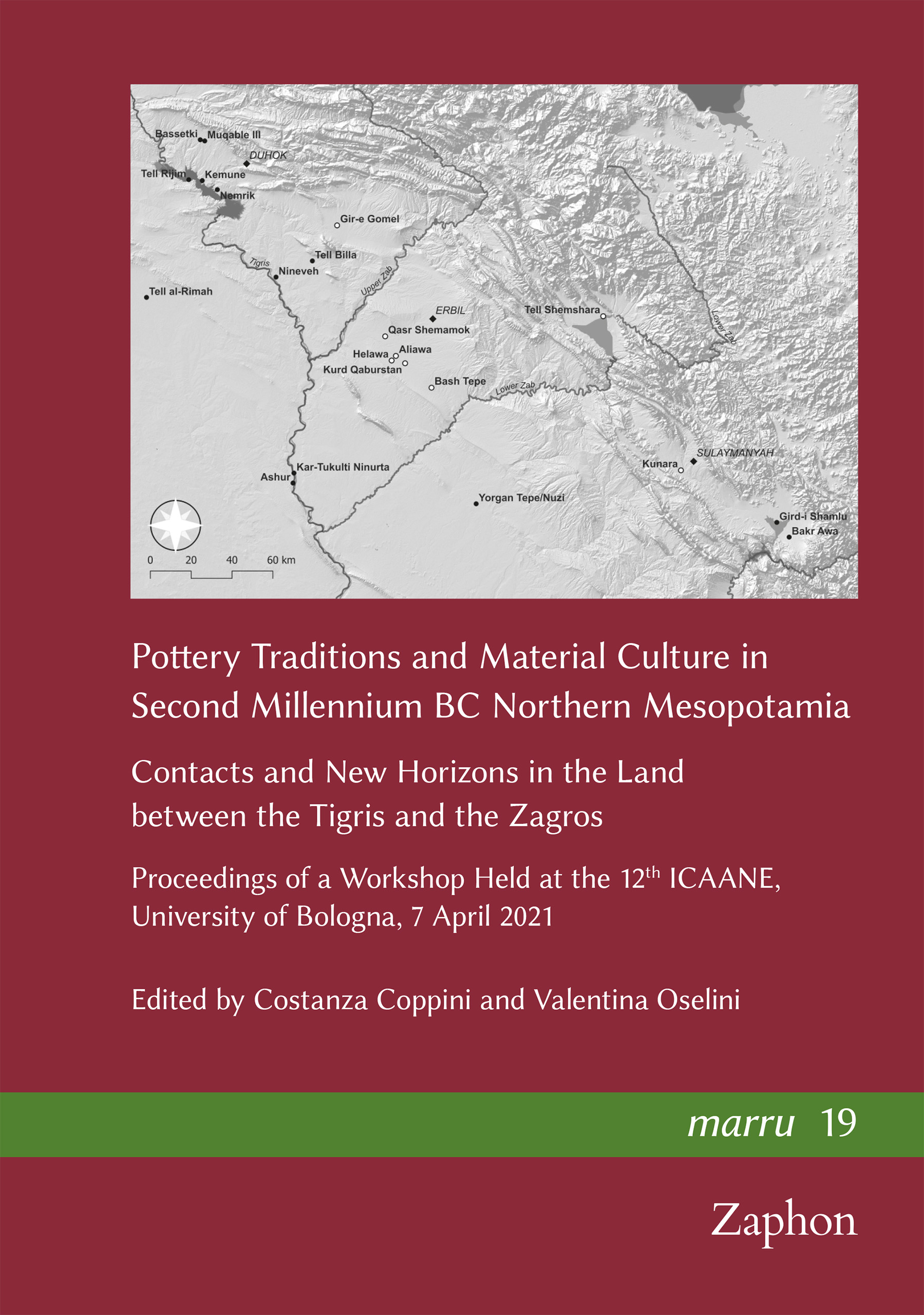 Pottery Traditions and Material Culture in Second Millennium BC Northern Mesopotamia
Contacts and New Horizons in the Land between the Tigris and the Zagros. Proceedings of a Workshop Held at the 12th ICAANE, University of Bologna, 7 April 2021
Volume 19
 Punning in Odd or Elegant Constructions in Jeremiah
The Convergence of Linguistics, Rhetoric, and Textuality in the Hebrew Text of Jeremiah

 Shame in the Worlds of the Hebrew Bible and Akkadian Texts
A Linguistic Study and Its Implications
Volume 33
 Small Worlds and Relational Agencies: Local Societies in Early Medieval Iberia
Pequeños mundos y Agencias relacionales: Sociedades locales altomedievales en la Península Ibérica
 Telling Contexts
Archaeological and Textual Studies in Honor of Elizabeth Bloch-Smith and Mark S. Smith
 The Body
Lived, Cultured, Adorned: Essays on Dress and the Body in the Bible and Ancient Near East in Honor of Nili S. Fox
 The Discourse of Rites
Shaping and Reshaping the (Counter-)Priestly Rituals Conducted Outside the Tabernacle
