
Vernacularity in England and Wales, c. 1300-1550
Edited by Elizabeth Salter Edited by Helen Wicker

Studies of the vernacular in the period 1300-1550 have tended to focus exclusively upon language, to the exception of the wider vernacular culture within which this was located. In a period when the status of English and ideas of Englishness were transforming in response to a variety of social, political, cultural and economic factors, the changing nature and perception of the vernacular deserves to be explored comprehensively and in detail. Vernacularity in England and Wales examines the vernacular in and across literature, art, and architecture to reach a more inclusive understanding of the nature of late medieval vernacularity. The essays in this collection draw upon a wide range of source material, including buildings, devotional and educational literature, and parliamentary and civic records, in order to expand and elaborate our idea of the vernacular. Each contributor addresses central ideas about the nature and identity of the vernacular and how we appraise it, involving questions about nationhood, popularity, the commonalty, and the conflict and conjunction of the vernacular with the non-vernacular. These notions of vernacularity are situated within studies of reading practices, heresy, translation, gentry identity, seditious speech, and language politics. By considering the nature of vernacularity, these essays explore whether it is possible to perceive a common theory of vernacular use and practice at this time.
Studies of the vernacular in the period 1300-1550 have tended to focus exclusively upon language, to the exception of the wider vernacular culture within which this was located. In a period when the status of English and ideas of Englishness were transforming in response to a variety of social, political, cultural and economic factors, the changing nature and perception of the vernacular deserves to be explored comprehensively and in detail. Vernacularity in England and Wales examines the vernacular in and across literature, art, and architecture to reach a more inclusive understanding of the nature of late medieval vernacularity. The essays in this collection draw upon a wide range of source material, including buildings, devotional and educational literature, and parliamentary and civic records, in order to expand and elaborate our idea of the vernacular. Each contributor addresses central ideas about the nature and identity of the vernacular and how we appraise it, involving questions about nationhood, popularity, the commonalty, and the conflict and conjunction of the vernacular with the non-vernacular. These notions of vernacularity are situated within studies of reading practices, heresy, translation, gentry identity, seditious speech, and language politics. By considering the nature of vernacularity, these essays explore whether it is possible to perceive a common theory of vernacular use and practice at this time.
- Edited by Elizabeth Salter
- Edited by Helen Wicker
Other Titles in this Series
 The Politics of Memory and Identity in Carolingian Royal Diplomas
The West Frankish Kingdom (840-987)
Volume 19
 Digital Philology and Quantitative Criticism of Medieval Literature
Unconventional Approaches to Medieval Latin Literature II
Volume 49
 Transforming the Medieval World
Uses of Pragmatic Literacy in the Middle Ages (A CD-ROM and Book)
Volume 6

 Spoken and Written Language
Relations between Latin and the Vernacular Languages in the Earlier Middle Ages
Volume 24

 Epigraphic Literacy and Christian Identity
Modes of Written Discourse in the Newly Christian European North
Volume 4


 Ruling the Script in the Middle Ages
Formal Aspects of Written Communication (Books, Charters, and Inscriptions)
Volume 35

 Diplomatics in the Netherlands
The Use, Editing, and Study of Charters by Dutch Historians from the Middle Ages to the Present
Volume 63


 Sins of the Tongue in the Medieval West
Sinful, Unethical, and Criminal Words in Middle Dutch (1300-1550)
Volume 36


 Strategies of Writing
Studies on Text and Trust in the Middle Ages: Papers from Trust in Writing in the Middle Ages (Utrecht, 28-29 November 2002)
Volume 13


Similar Books
 A Collaborative Tapestry in Honour of Shirley Ann Brown / Une fresque brodée en l’honneur de Shirley Ann Brown
The Bayeux Tapestry Seen by her Colleagues and Friends / La Tapisserie de Bayeux vue par ses collègues et amis
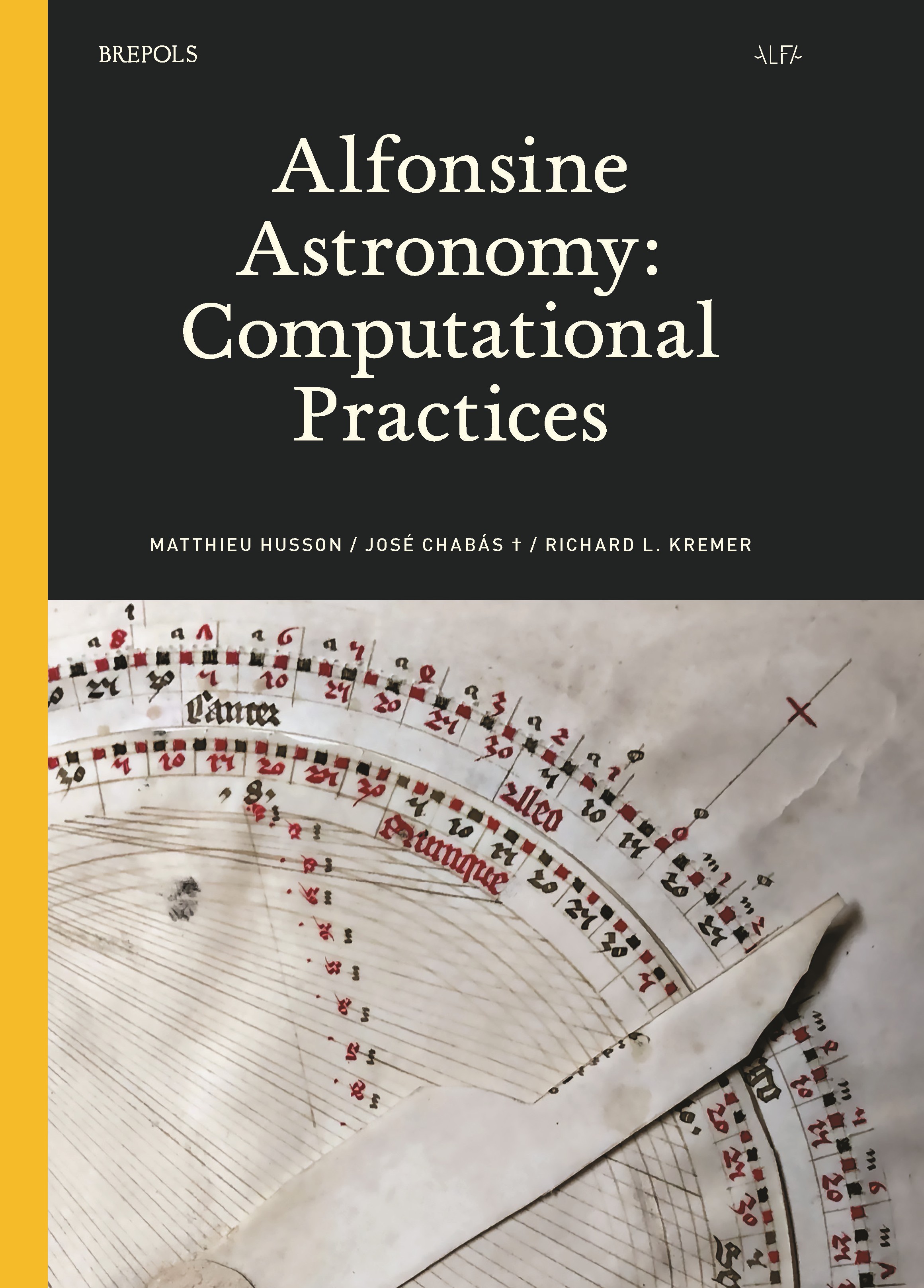
 Behind the Scenes of Medieval Roofs
An Overview of the Roofing Systems of Italian Churches
Volume 90


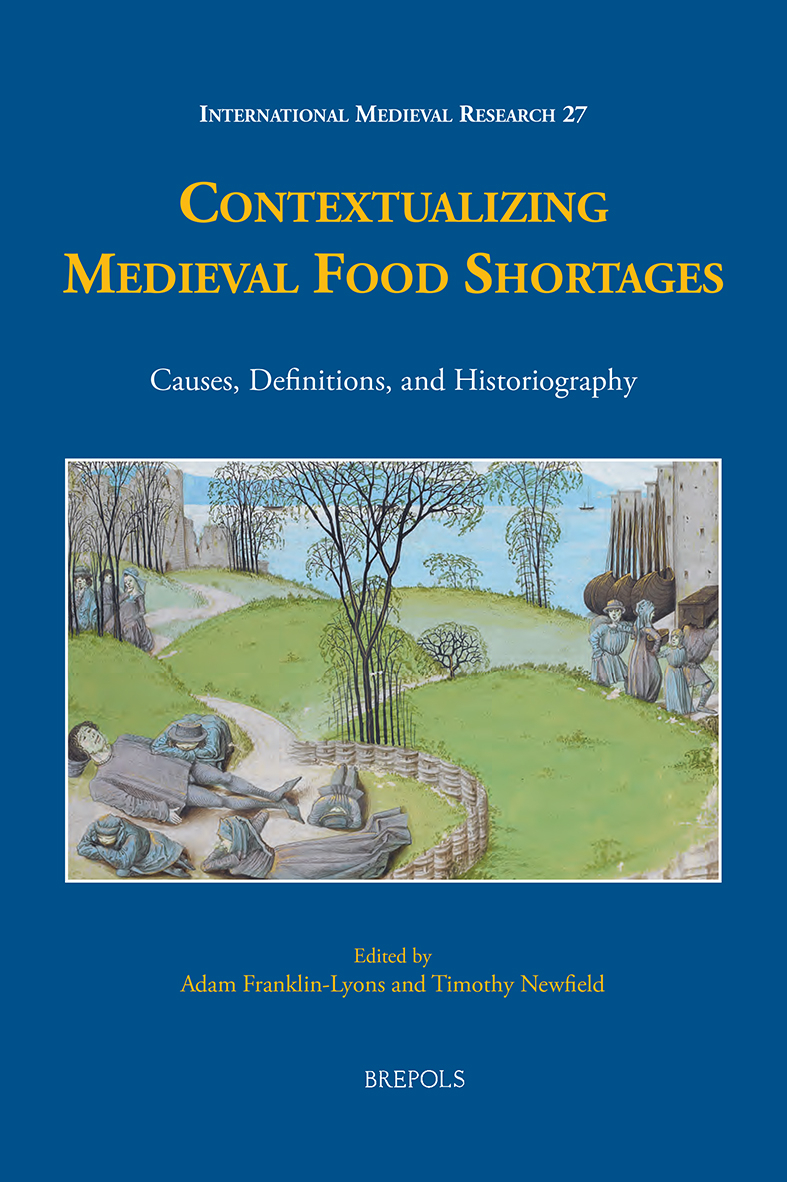


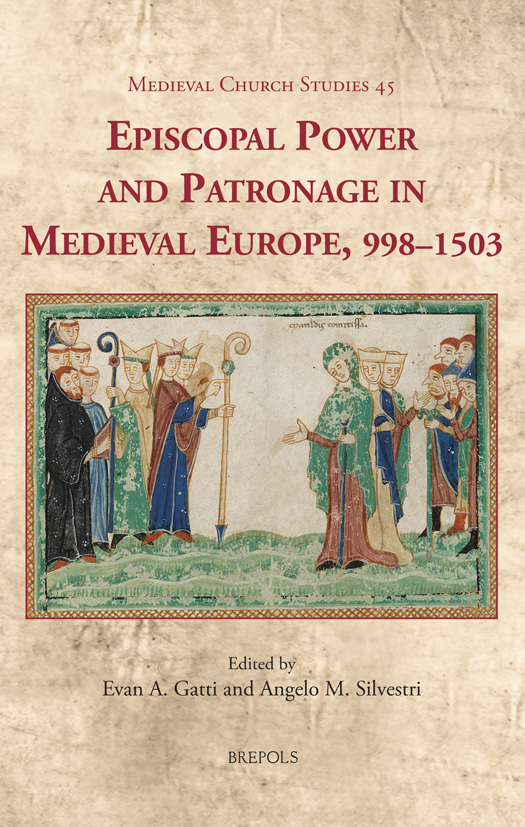


 Innovation and Medieval Communities
The Circulation of Ideas and Practices in and out of the Town (1200-1500)
Volume 63
 John Dunstaple Reading Boethius
John Dunstaple’s Annotations to Boethius’s “De institutione musica” in the Manuscript Oxford, Corpus Christi College Library, MS 118
 Linguistic and Cultural Dynamics in a Frontier Society
New Perspectives on Northeastern Bavaria and Western Bohemia in the Early Middle Ages
Volume 9
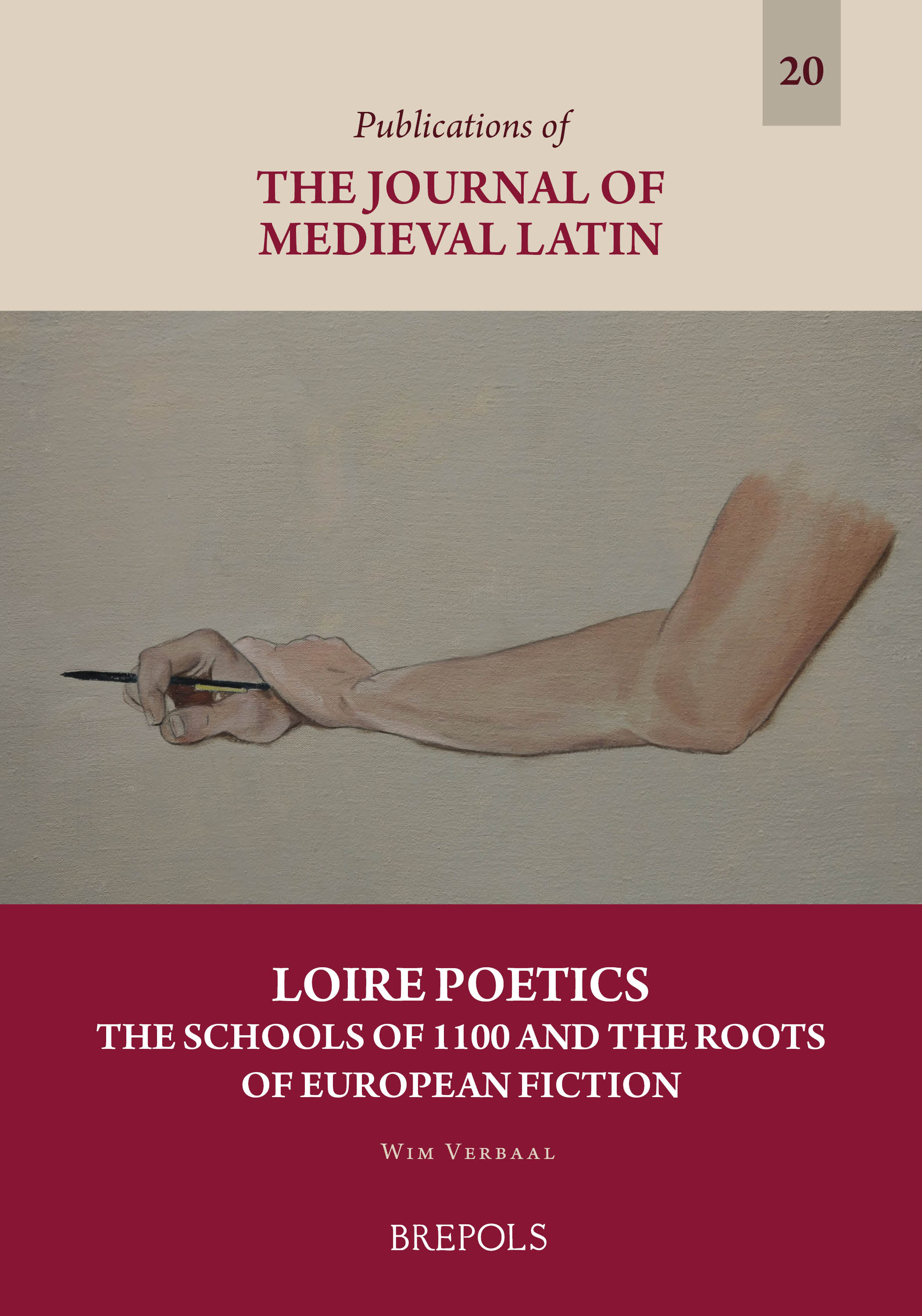
 Medieval Debates on Foreknowledge: Future Contingents, Prophecy, and Divination
Acts of the XXVII Annual Colloquium of the SIEPM, Trento 12-15 September 2023
Volume 31
 Medieval Yeghegis, Armenia
History, Archaeology, Society. Local Multiplicities and Global Connections of a Rural Centre on the Silk Road(s)
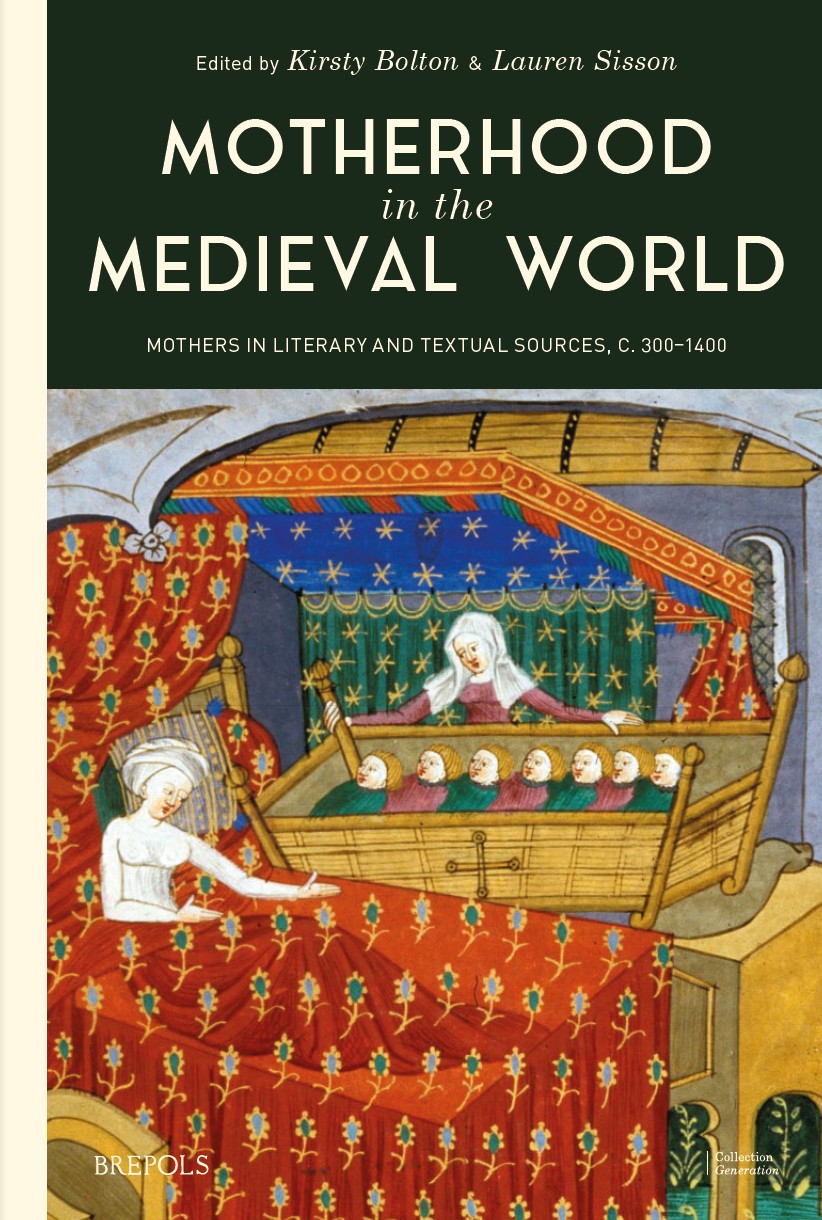
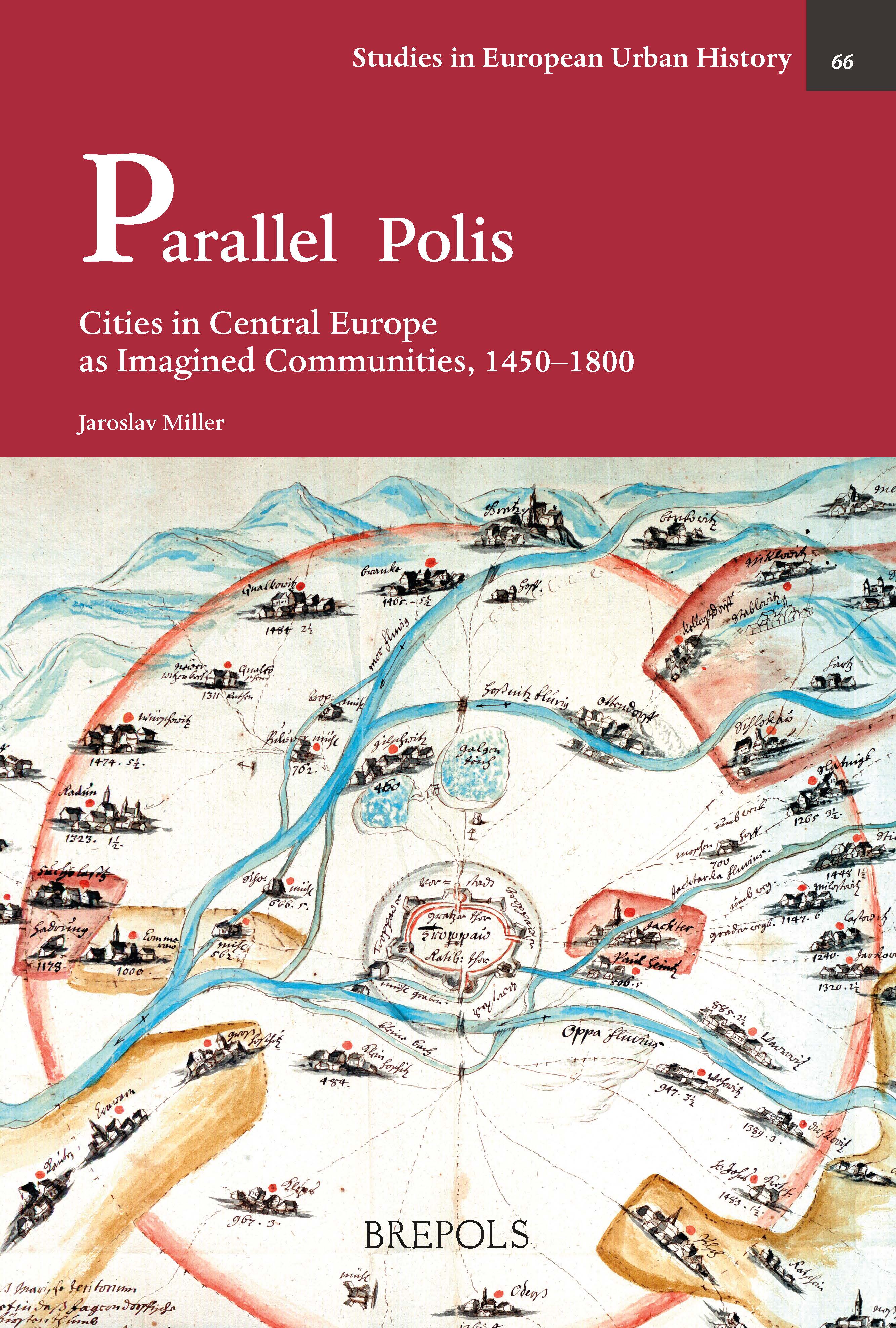


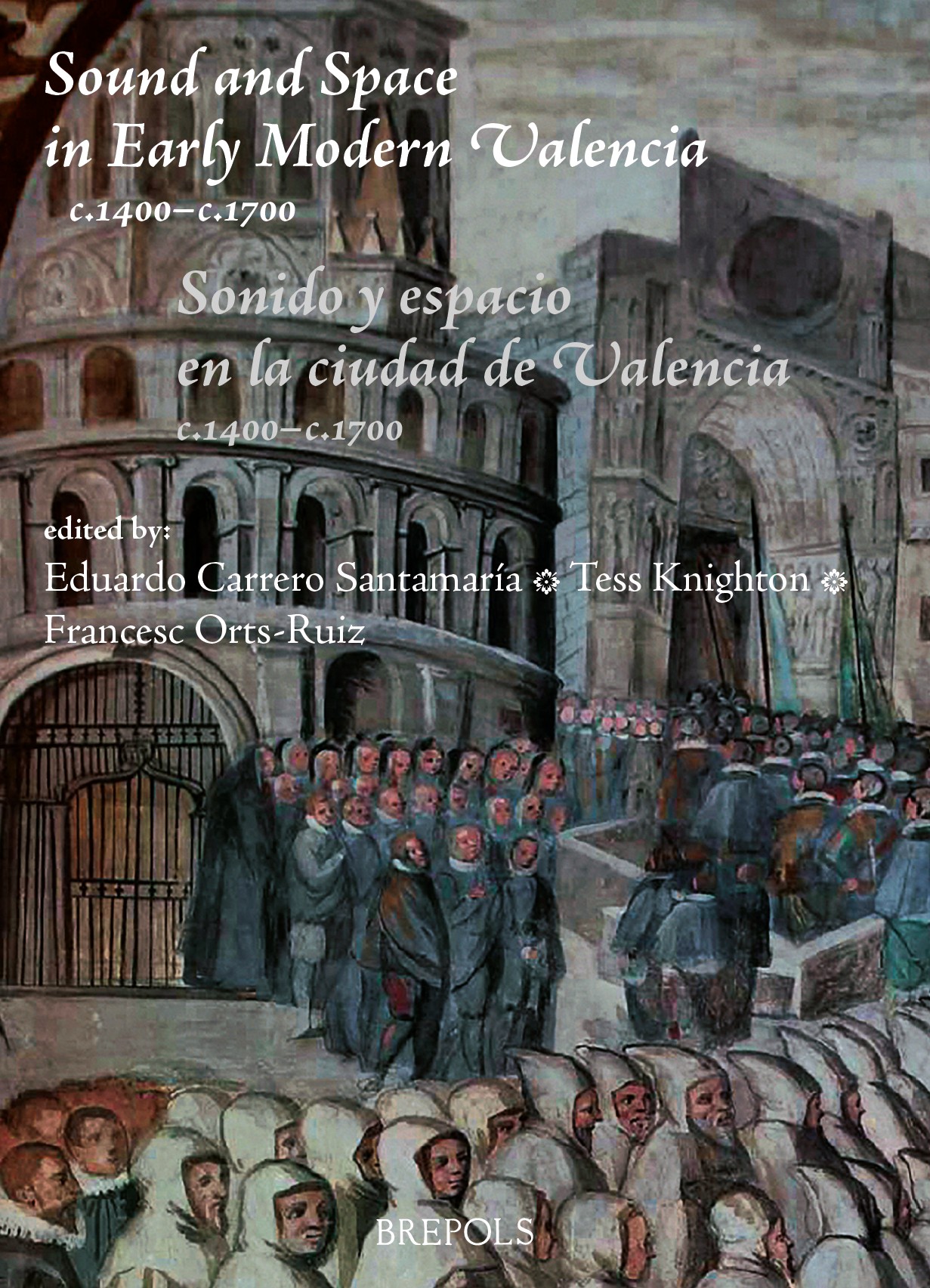
 Power and Women in Southeast and Central Europe in Late Medieval and Early Modern Period (1300-1600)
Volume 10


 The Anglo-Norman Bible’s Books of Kings, a Critical Edition
(BL Royal 1 C III, fols 234r-274v)
Volume 37


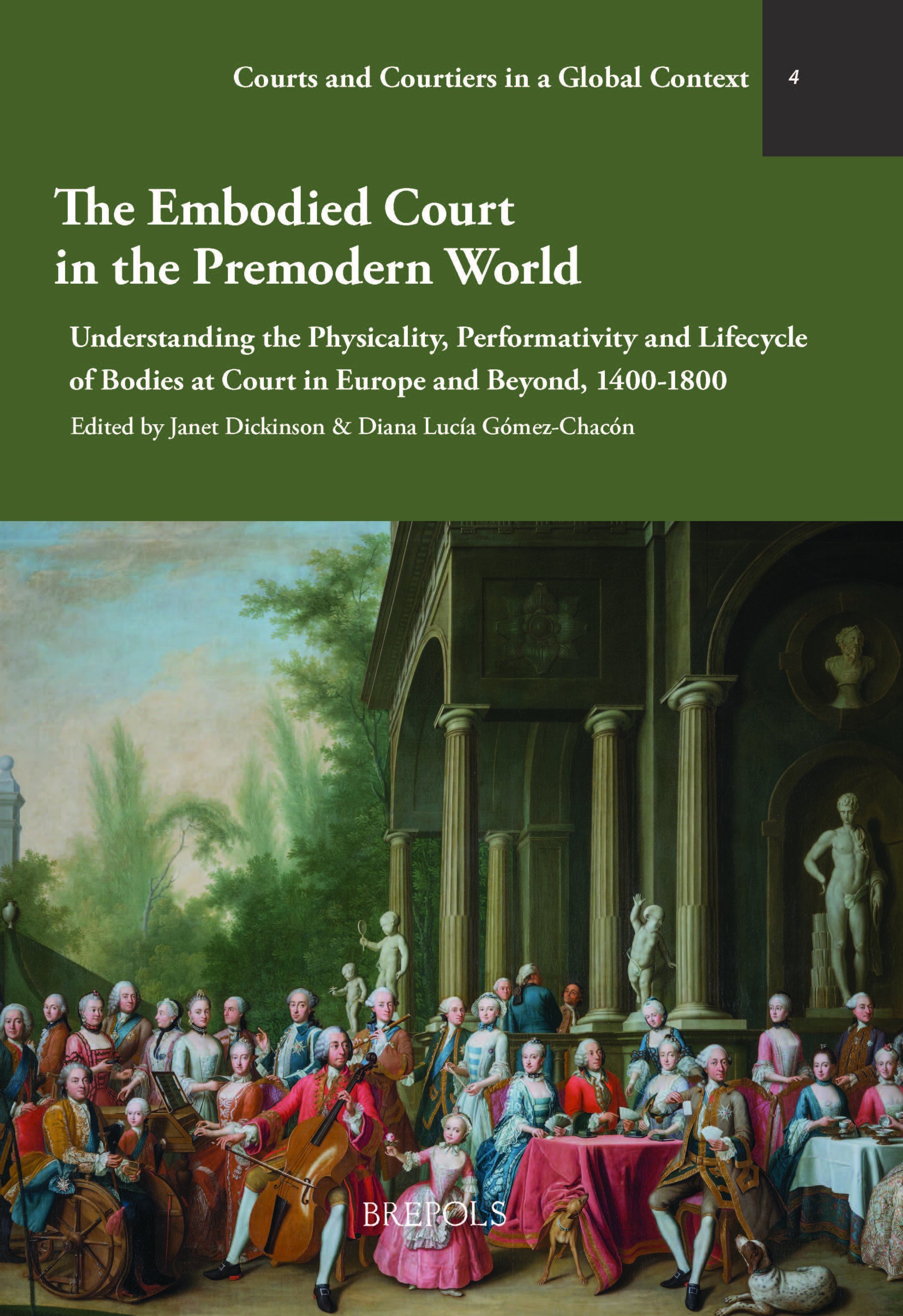 The Embodied Court in the Premodern World
Understanding the Physicality, Performativity and Lifecycle of Bodies at Court in Europe and Beyond, 1400-1800
Volume 4


 The Middle English ‘Medicines for Horses’
Edited from the Manuscript formerly at Kensington Palace, HRH Duke of Gloucester MS s.n. (olim York House MS 45)
Volume 69
