
Transregional Territories
Crossing Borders in the Early Modern Low Countries and Beyond
Edited by B. De Ridder Edited by V Soen Edited by W Thomas Edited by S. Verreyken Edited by Bram De Ridder Edited by Violet Soen Edited by Thomas Werner Edited by Sophie Verreyken

The early modern world was one of movement, contact, and exchange. Yet, this does not mean that it was borderless. On the contrary, connection existed only when people moved along and across the separations between polities, religions, and mentalities. So in order to understand early modern connections, one also needs to analyse the boundaries that accompanied them. In Transregional Territories, the early modern Low Countries are chosen as a ‘laboratory’ for studying border formation and border management through the lens of transregional history. Eight different cases highlight the impact of boundaries on the actions and strategies of individuals and governments. Crossing borders in early modern times was not merely an act of negating a territorial division, but rather a moment of intimate interaction with the separation itself. As such, this volume illustrates how borders forced historical actors to adapt their behaviour, and how historians can use a transregional vantage point to better understand these changes. The cases are presented by leading border specialists and scholars of the early modern Low Countries: Fernando Chavarria Mugica, Victor Enthoven, Raingard Esser, Yves Junot, Marie Kervyn, Christel Annemieke Romein, and Patricia Subirade. Bram De Ridder, Violet Soen, Werner Thomas, and Sophie Verreyken are all members of the Early Modern History Research Group of the KU Leuven. Together, they have published extensively on transregional history and the history of the early modern Low Countries, grouped under the label of transregionalhistory.eu.
The early modern world was one of movement, contact, and exchange. Yet, this does not mean that it was borderless. On the contrary, connection existed only when people moved along and across the separations between polities, religions, and mentalities. So in order to understand early modern connections, one also needs to analyse the boundaries that accompanied them. In Transregional Territories, the early modern Low Countries are chosen as a ‘laboratory’ for studying border formation and border management through the lens of transregional history. Eight different cases highlight the impact of boundaries on the actions and strategies of individuals and governments. Crossing borders in early modern times was not merely an act of negating a territorial division, but rather a moment of intimate interaction with the separation itself. As such, this volume illustrates how borders forced historical actors to adapt their behaviour, and how historians can use a transregional vantage point to better understand these changes. The cases are presented by leading border specialists and scholars of the early modern Low Countries: Fernando Chavarria Mugica, Victor Enthoven, Raingard Esser, Yves Junot, Marie Kervyn, Christel Annemieke Romein, and Patricia Subirade. Bram De Ridder, Violet Soen, Werner Thomas, and Sophie Verreyken are all members of the Early Modern History Research Group of the KU Leuven. Together, they have published extensively on transregional history and the history of the early modern Low Countries, grouped under the label of transregionalhistory.eu.
- Edited by B. De Ridder
- Edited by V Soen
- Edited by W Thomas
- Edited by S. Verreyken
- Edited by Bram De Ridder
- Edited by Violet Soen
- Edited by Thomas Werner
- Edited by Sophie Verreyken
Other Titles in this Series
 Staging the Spectacle of Majesty
Ceremonial, Courtly Space, and Collecting under the Spanish Habsburgs
Volume 9


 Eagles Looking East and West
Dynasty, Ritual and Representation in Habsburg Hungary and Spain
Volume 4
Similar Books


 Balthasar Caymox of Nuremberg
Early Modern German Print Publishers: Popular Prints of the Seventeenth Century
 Beyond Sovereign Courts
Agents and Practices in Early Modern Spanish and Habsburg Diplomacy
Volume 3

 Circulation, Use, Impact
The Consumption of Architectural Books in the Early Modern Eastern Adriatic
Volume 1

 Councils, Conflicts, Correspondence
Urban Diplomacy in Reval (Tallinn) and Lübeck (c. 1470–1570)
Volume 67


 Innovationes Lovanienses: Arts, Law and Theology at the University of Louvain (1425–1797)
Studium Lovaniense: Learning across Borders, 2
Volume 18
 Legal Visuality
Exegesis, Ambiguity, and Dissimulation of the Donation of Constantine in the Early Modern Period

 Naples as Laboratory / Laboratorium Neapel
Style Options, Artistic Rivalry and Self Fashioning in Neapolitan Baroque Painting / Plurale Stilbildung, Kunstlerkonkurrenz und Self Fashioning in der neapolitanischen Barockmalerei
 Power and Women in Southeast and Central Europe in Late Medieval and Early Modern Period (1300-1600)
Volume 10


 Staging the Spectacle of Majesty
Ceremonial, Courtly Space, and Collecting under the Spanish Habsburgs
Volume 9
 Students, Scholars and Their Books at the University of Louvain (1425-1797)
Studium Lovaniense: Learning across Borders, 1
Volume 17


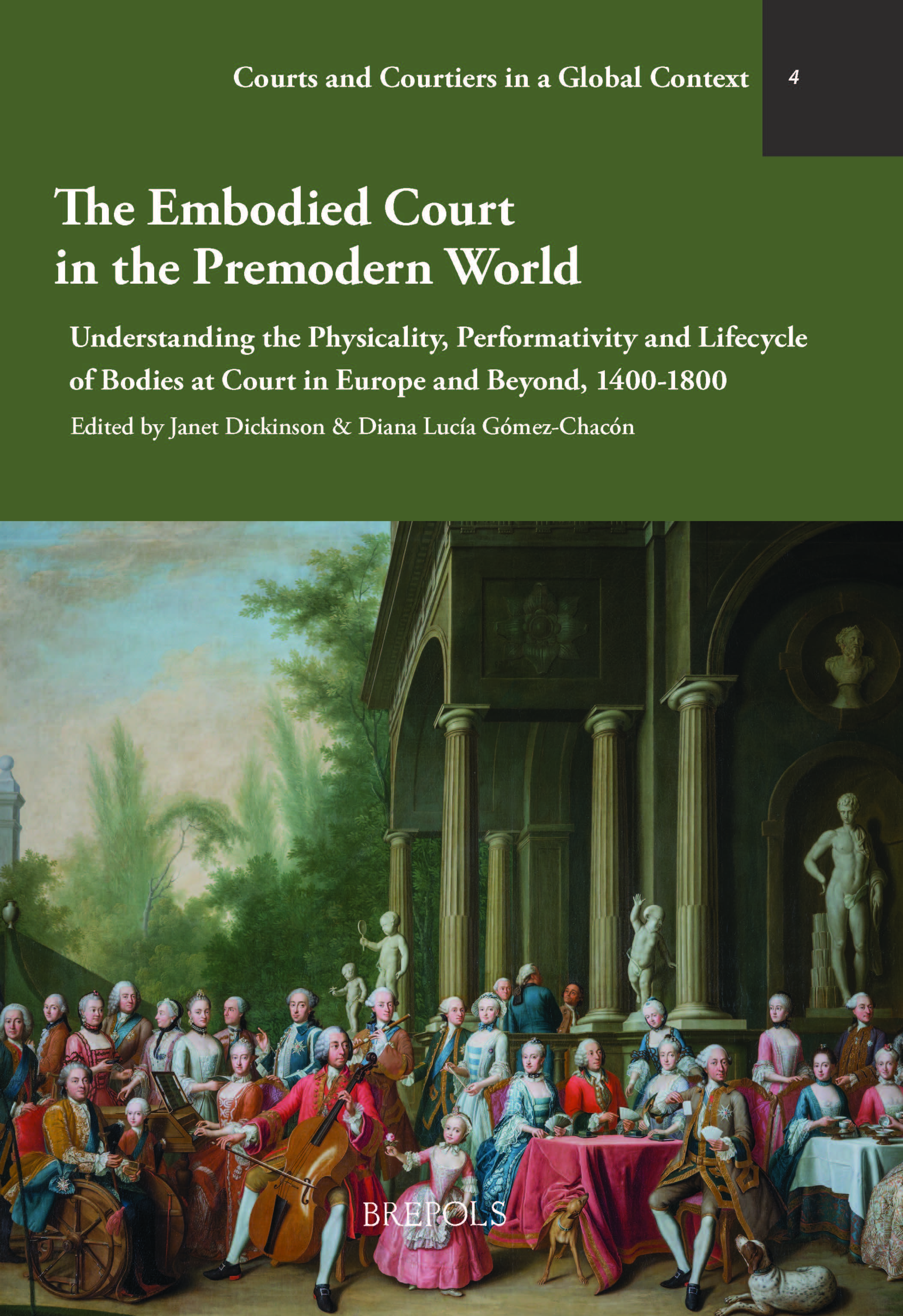 The Embodied Court in the Premodern World
Understanding the Physicality, Performativity and Lifecycle of Bodies at Court in Europe and Beyond, 1400-1800
Volume 4

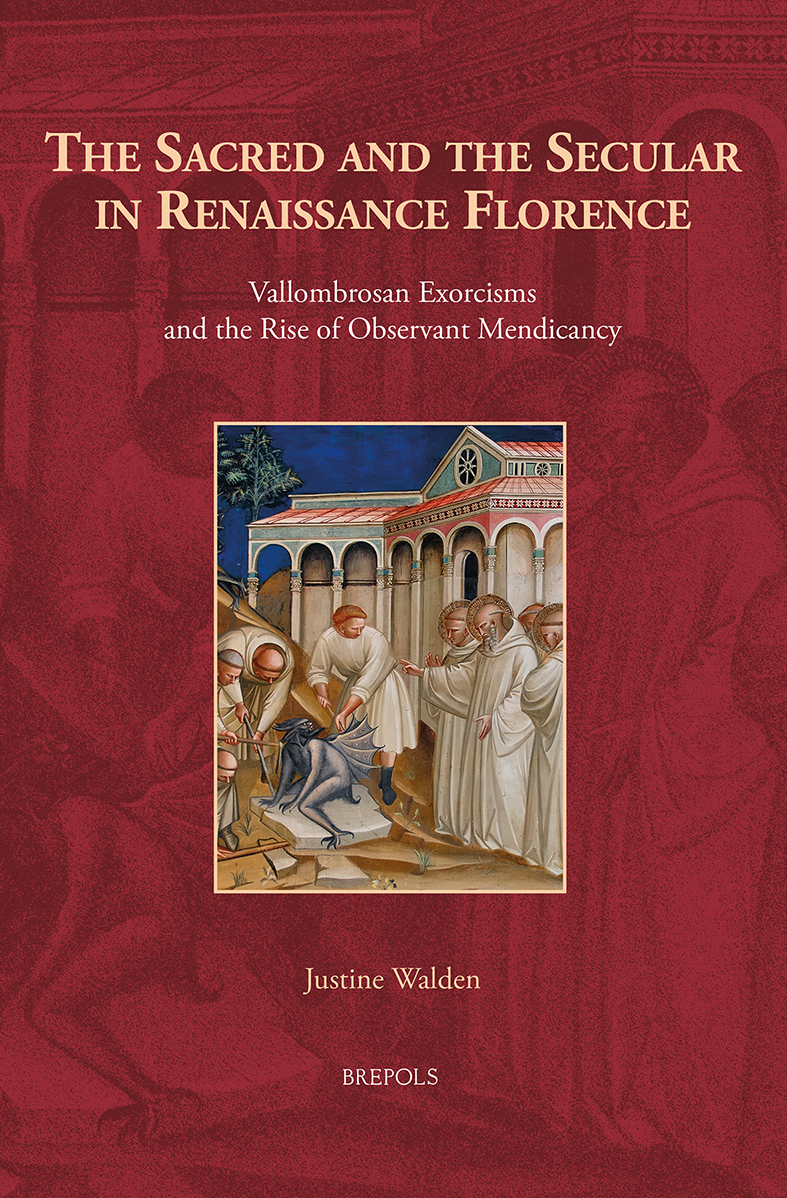 The Sacred and the Secular in Renaissance Florence
Vallombrosan Exorcisms and the Rise of Observant Mendicancy
Volume 31
 Tradition, Interpretation, and Change
Developments in the Liturgy of Medieval and Early Modern Ashkenaz


 À la recherche des normes de traduction
Textes spécialisés dans le monde hispanophone et francophone (1450–1850)

 Briefe einer Fürstin aus dem Dreißigjährigen Krieg
Die Korrespondenz der Kaiserin Maria aus den Jahren 1629 bis 1645
 Die Lutherbibel (1541) des Seidenstickers Hans Plock
Eine buchbiographische und kulturhistorische Untersuchung
Volume 89


